
Dog

Ear Mites in Dogs
Ear mites in dogs are tiny parasites that cause itching, irritation, and discomfort. If left untreated, they can lead to painful ear infections. The good news is that they are treatable with the right care. This guide explains how to spot ear mites, treat them, and prevent them from coming back.
Read more



Multipet Household
Having many pets can be an enriching experience, from two dogs and a cat to a muddle of guinea pigs, or mixing and matching everything in between. Finding ways for all the animals in the house to get on is imperative for animal safety and human sanity, so read on to see what we suggest.
Read more

Can Dogs Eat Pepperoni?
Are you getting those puppy dog eyes from your dog whenever you open a box of pepperoni pizza? Well, pepperoni on your pizza is not an ideal treat for your canine friend because it is harmful to their health. Let’s understand why you shouldn’t share a piece of pepperoni with your dog and its safe alternatives.
Read more

Can Dogs Eat Sunflower Seeds?
Can dogs join in on snacking on sunflower seeds? Whether dogs can munch on sunflower seeds or not is a common question. Good news is they can eat sunflower seeds. There are many health benefits. Knowing all the details before giving to your dog is wise.
Read more

Can Dogs Eat Nuts?
Nuts are such a delightful snack with nutritional value for humans. But, can dogs have nuts? Are all nuts safe for your dog? We show you the benefits and potential dangers of feeding your dog nuts.
Read more

20 Mixed Dog Breeds
While traits of mixed breed dogs are unpredictable, the varied characteristics of two or more breeds combined in one dog create interesting qualities, and cross-breeding has led to some of the most popular mixed dog breeds. The article covers 20 most popular mixed dog breeds you will want to know about.
Read more

How to Teach a Dog to Sit
Don’t stress, teaching a dog to sit is hard but it happens! Dogs can also have off days. It really is not a big deal when it’s a one-off. Consistently not sitting might mean it's time to practice a bit more. The canine might also benefit from working in a less distracting environment.
Read more
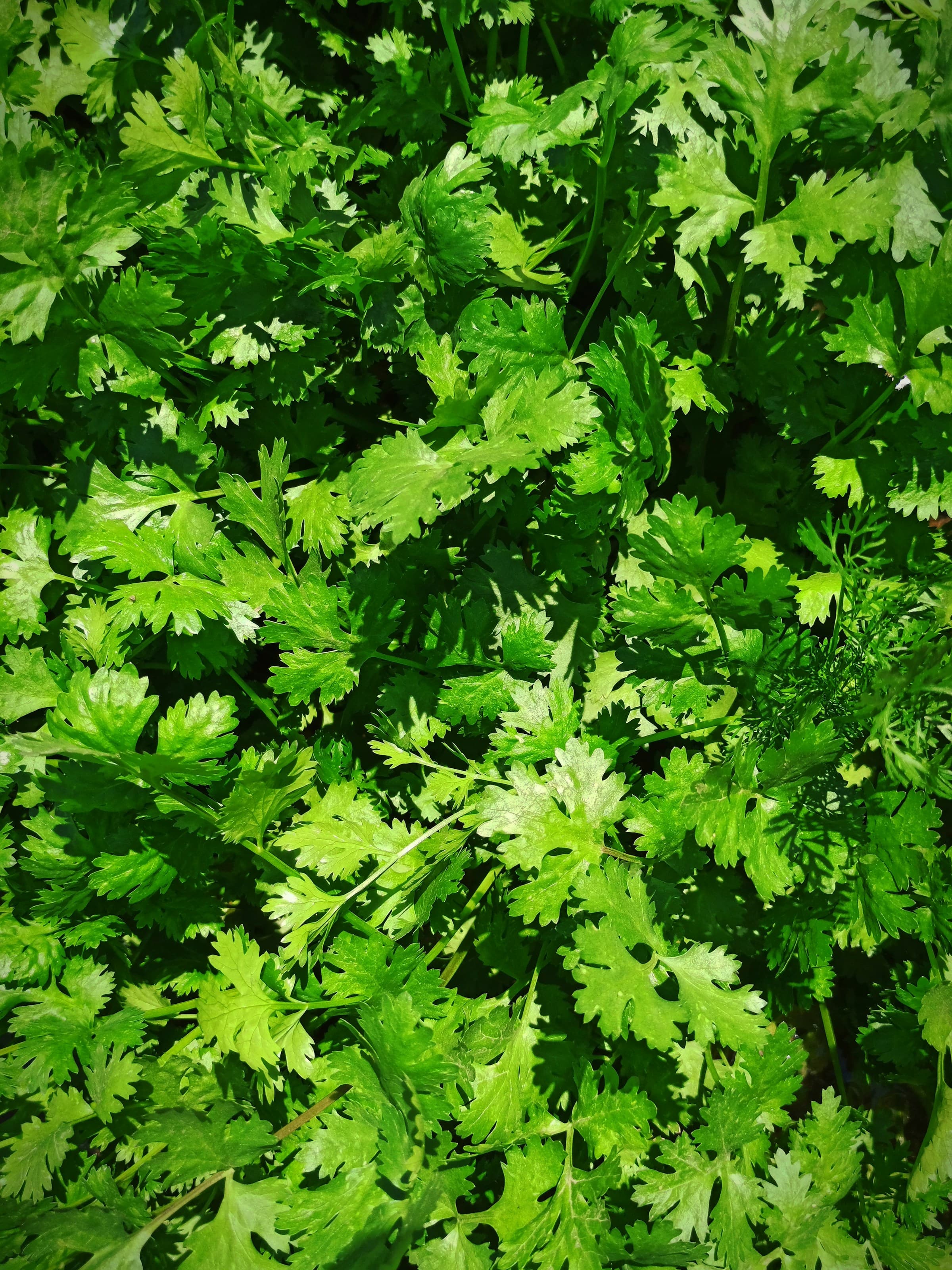
Can Dogs Eat Cilantro?
There are many herbs in the market that can be fed to dogs. And then there are some that should never be fed to any canine. Cilantro is a very popular herb among humans. Do the health benefits carry over to dogs as well?
Read more