
Dog
Ear Mites in Dogs
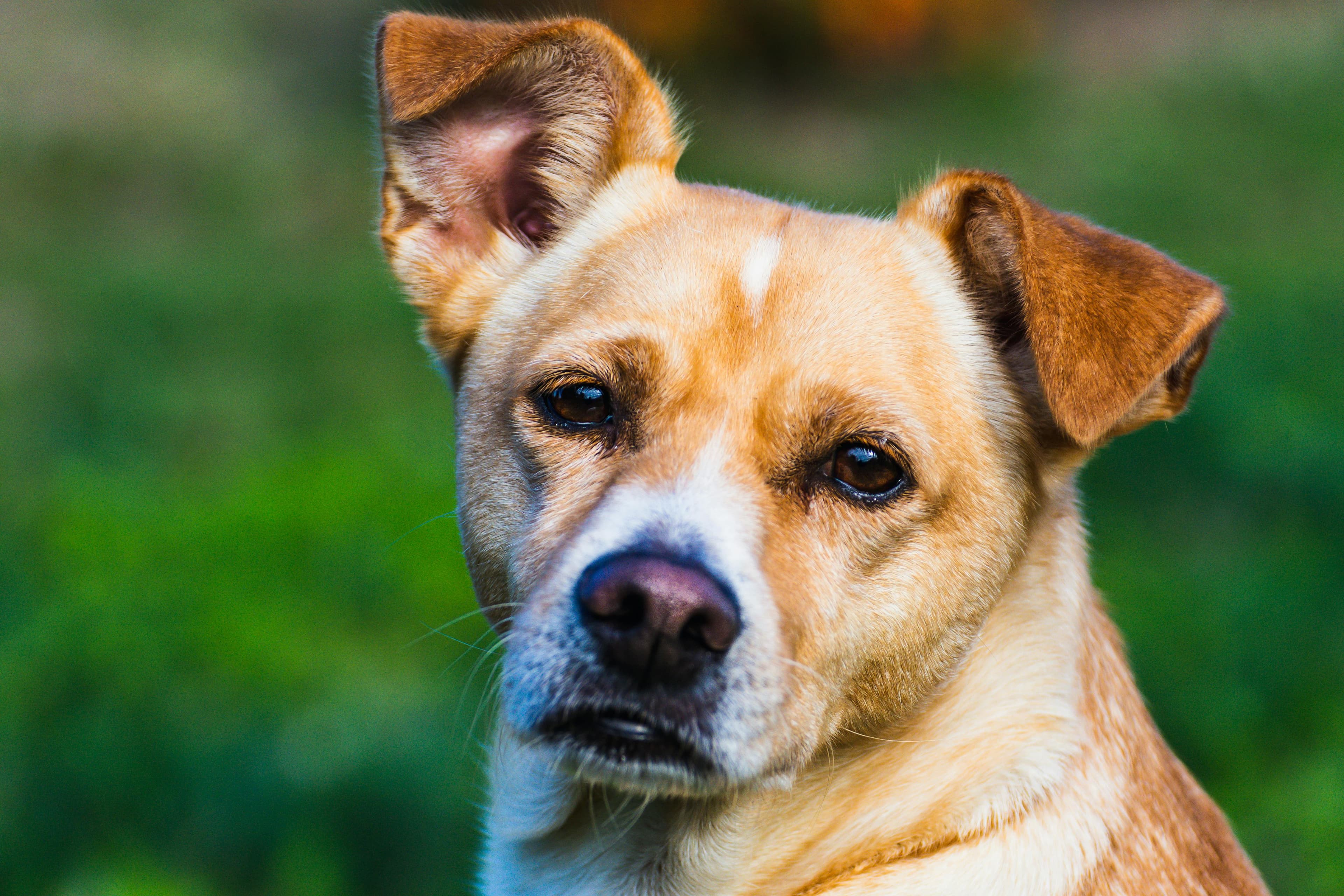
Ear mites in dogs are tiny parasites that cause itching, irritation, and discomfort. If left untreated, they can lead to painful ear infections. The good news is that they are treatable with the right care. This guide explains how to spot ear mites, treat them, and prevent them from coming back.
Read more
Dog Insurance for Pre-Existing Conditions
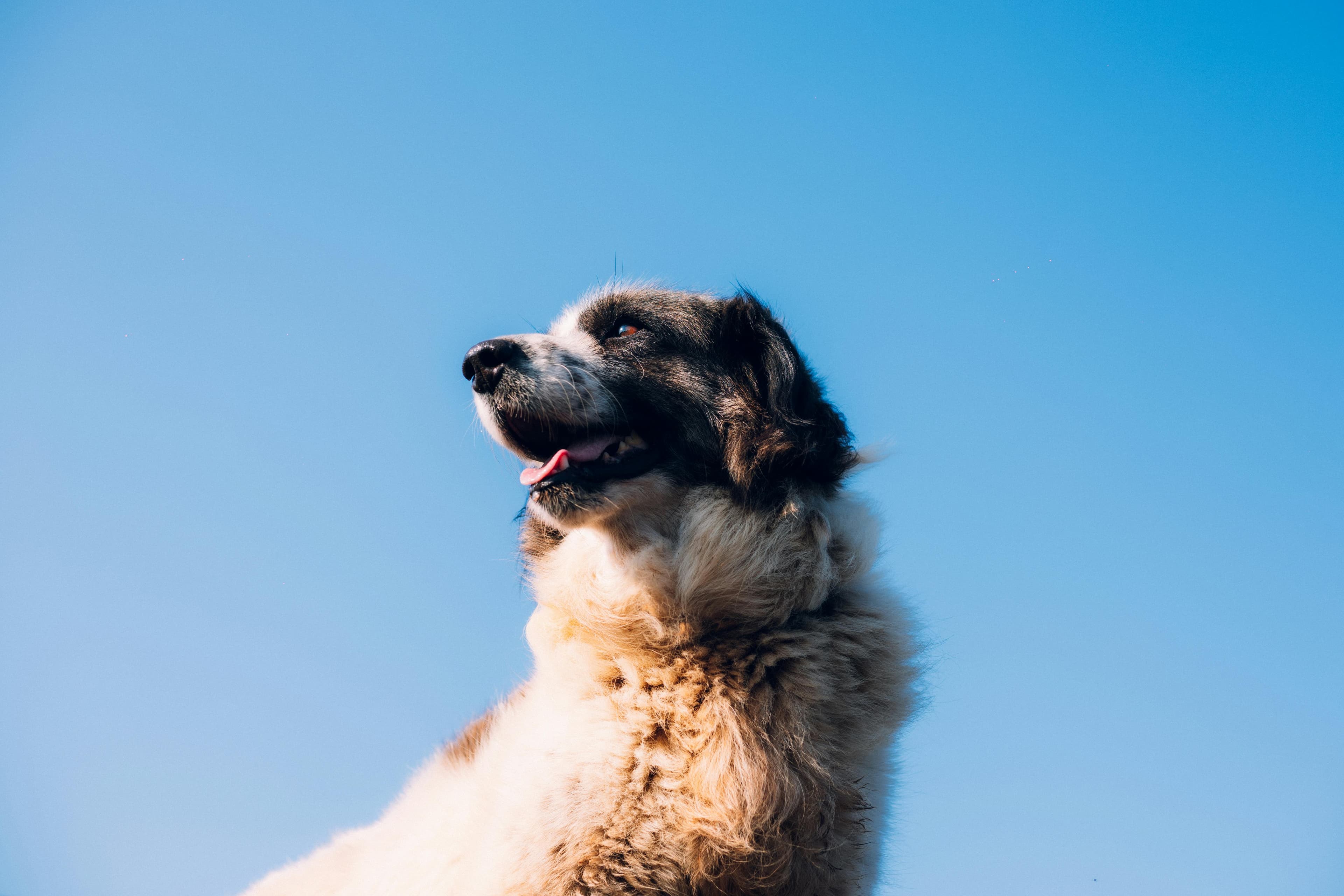
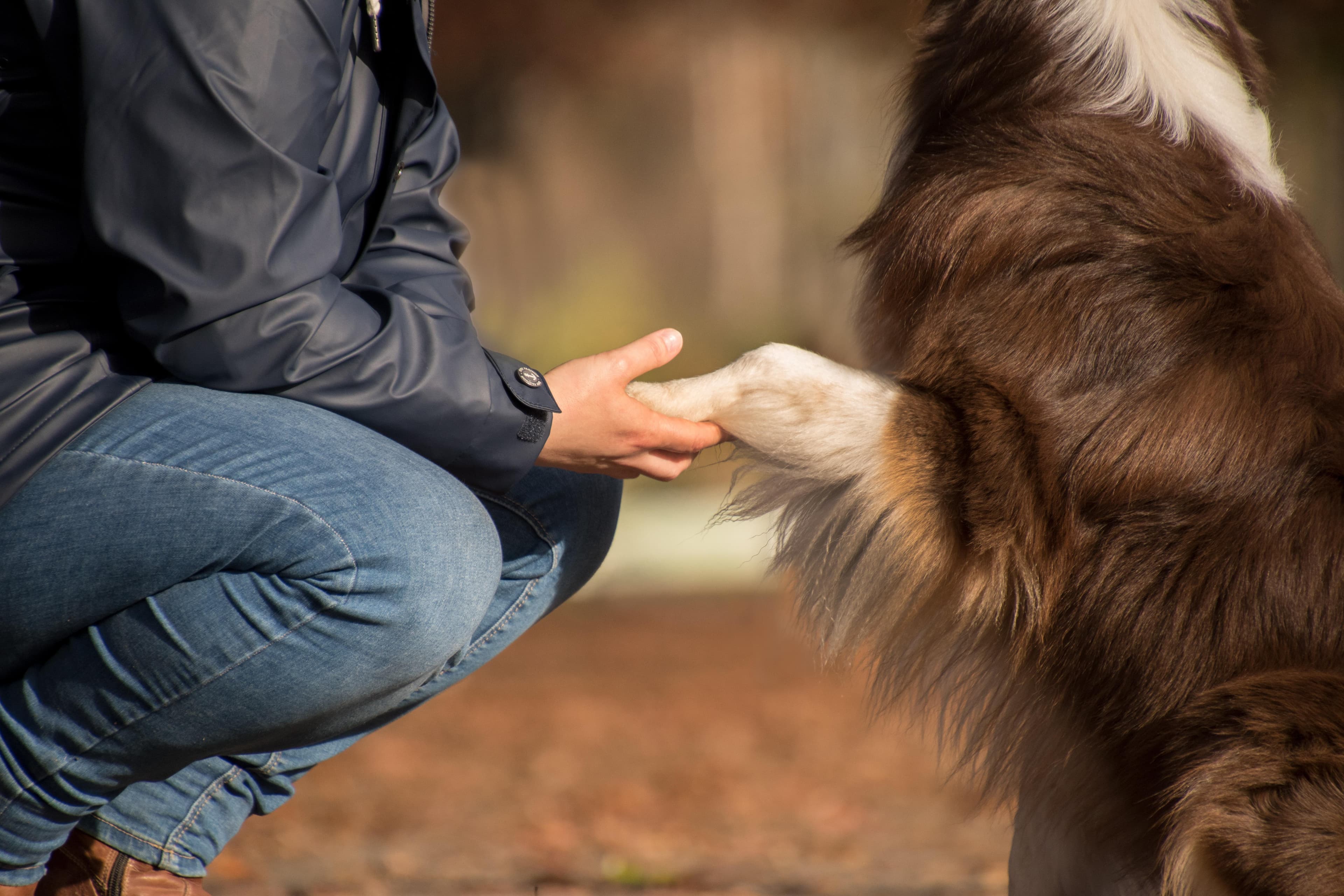
Pet insurance for pre-existing conditions is a specialized area within pet healthcare finance. It targets the gap left by traditional insurance policies, which typically exclude any conditions that your pet was diagnosed with or showed symptoms of before the start of the policy.
Read more

What To Do If Your Dog Is Shaking?
When addressing and preventing shaking in dogs, being proactive can significantly affect your pup’s well-being. Understanding the root cause of the shaking is what’s most important. Once you identify the cause, you can take the right steps to address it.
Read more
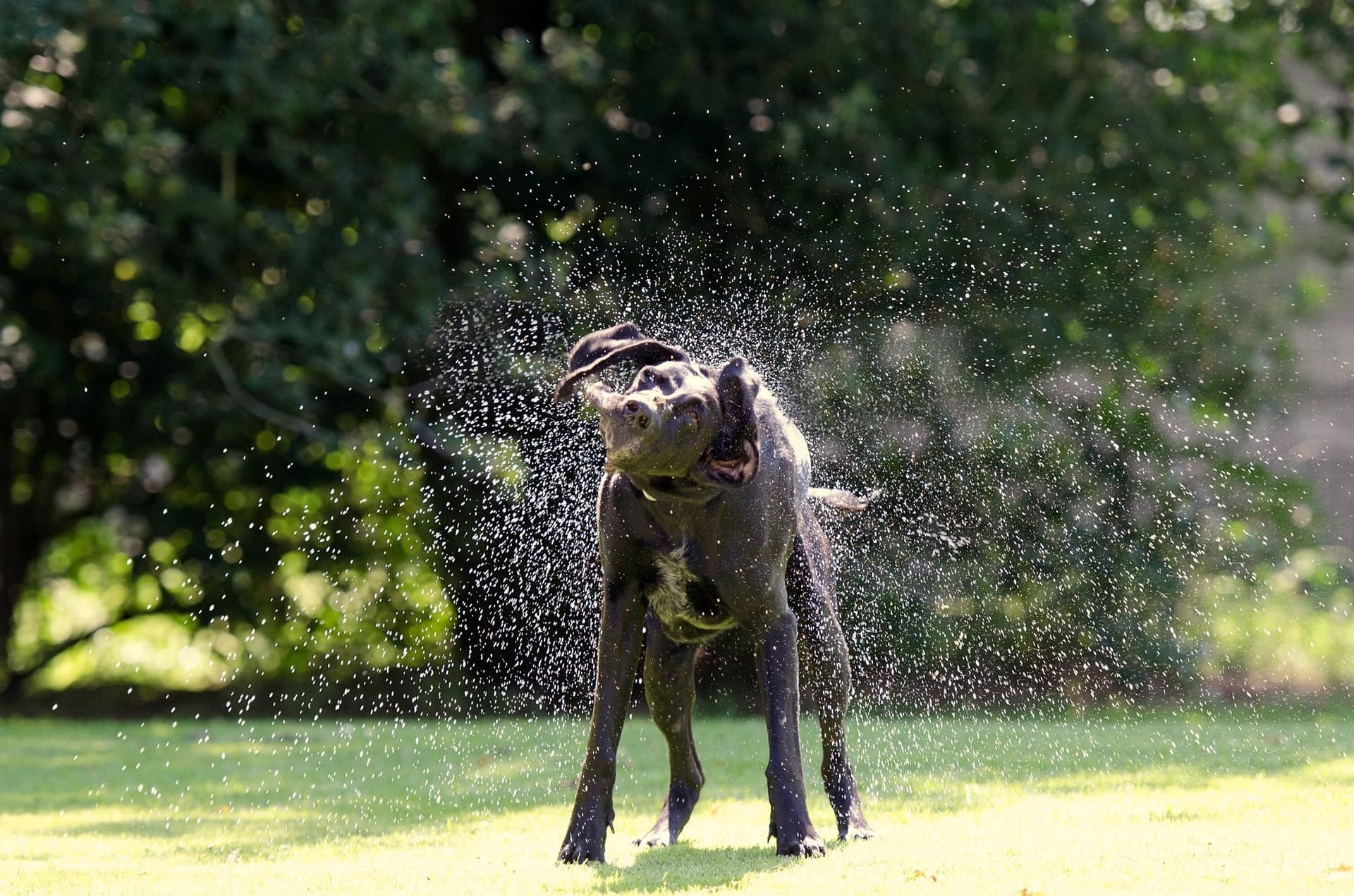
Why Is My Dog Shaking?
Dogs may be shaking for many reasons; some are harmless, but others require more immediate attention. This article will explore why your dog is shaking, when to address it with your vet, and how to prevent it.
Read more
Do Dogs Have Belly Buttons?
Dogs, indeed, have belly buttons, a subtle reminder of their connection to their mother via the umbilical cord during early development. A dog's belly button, or canine umbilicus, is a small, flat scar hidden under their fur, located on their stomach where the chest meets the lower abdomen. Unlike humans, a dog's navel is not prominent, making it challenging to spot without a thorough search.
Read more
Why Does My Dog Stare at Me?
Ever caught your dog intently staring at you and wondered, "Why does my dog stare at me?" This common behavior can signify various things, from a simple request for food or attention to an expression of affection. While often a sign of the deep bond we share with our furry friends, it's essential to understand the context of their gaze, as it can occasionally indicate distress or health issues. This article delves into the reasons behind our dogs' stares, helping us decode what they might be trying to tell us without saying a word.
Read more

When Do Dogs Stop Growing?
Understanding when dogs stop growing is crucial for their care. Small breeds typically reach full size by 12-15 months, while large breeds may take up to 24 months. Proper nutrition, exercise, and regular vet visits support healthy growth, ensuring your dog matures into a healthy adult.
Read more

A Closer Look at the Dog Years to Human Years Conversion: Facts and Fiction
In the realm of pet ownership, few phrases are as ubiquitous as the conversion of “dog years to human years.” It's a concept that has nestled itself in the common lexicon, helping many dog owners make sense of their pet's lifecycle and aging process. But is there any truth to this popular belief? In this article, we delve deep into the facts and debunk the fiction surrounding the age-old calculation of dog ages. Let's embark on this insightful journey, elucidating various aspects such as what are dog years to human years and factors that influence the aging of our canine friends.
Read more
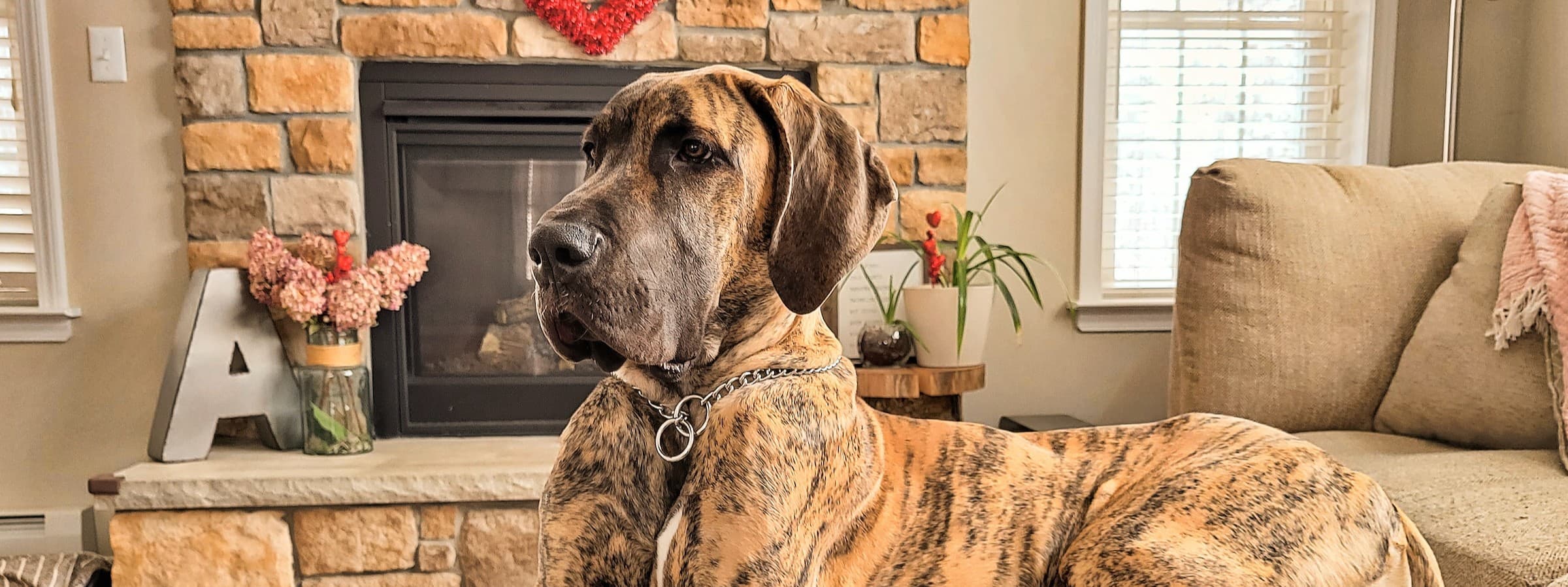
Size Matters: Discovering the Biggest Dog Breed in the World
Dogs come in all shapes and sizes in the diverse realm of canine companionship, each with unique characteristics and traits. While some dogs are small enough to fit in your lap, others are like living giants, embodying strength, loyalty, and an unmistakable presence.
Read more