Don't know your cat's breed?
Get our DNA kit!
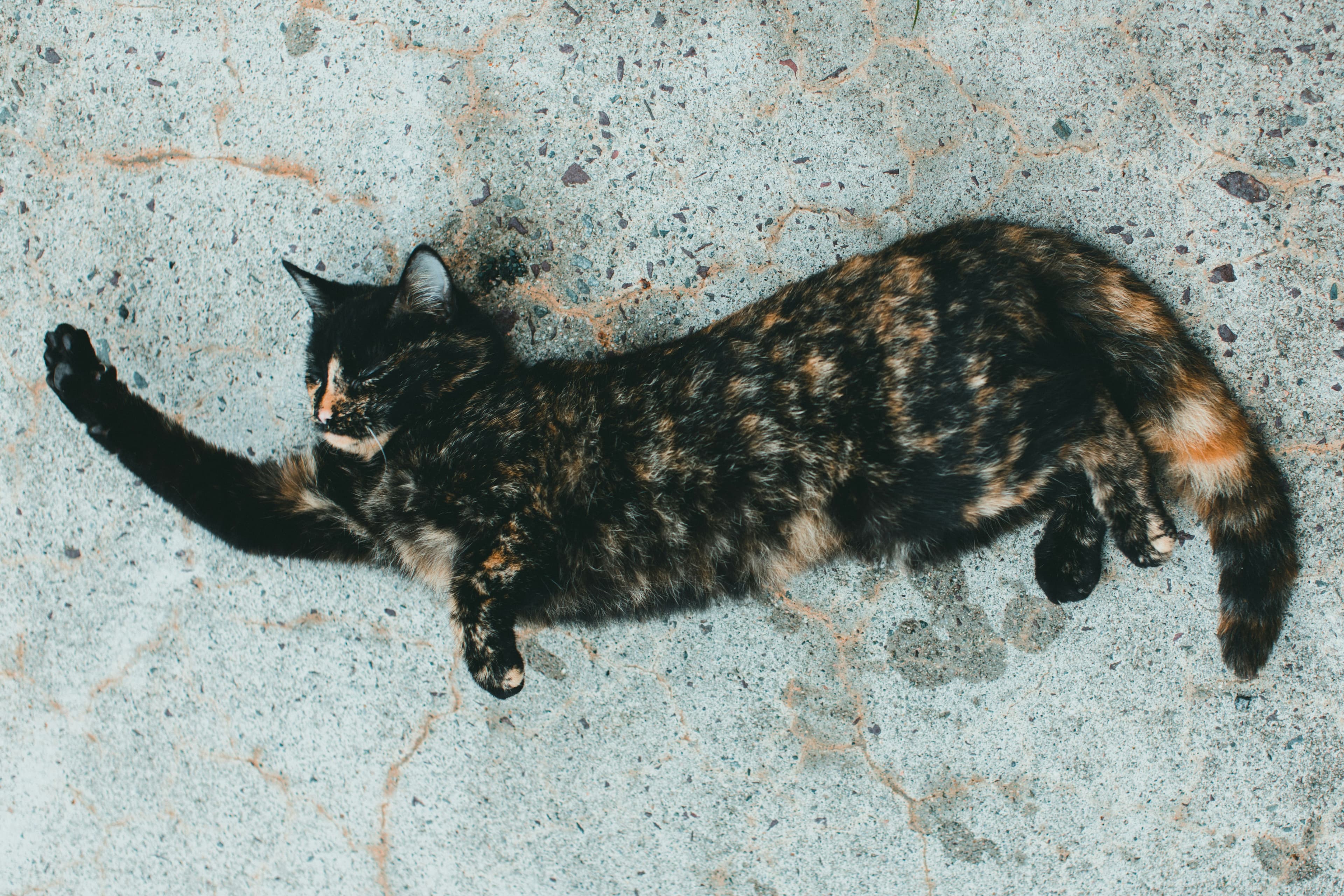
The average domestic cat lives between 12 and 17 years, and many well-cared-for cats now reach their early 20s. This article explores the main factors that affect a cat’s lifespan, common causes of shortened life expectancy, and practical steps you can take to help your cat live a longer, healthier life.

Salt isn’t inherently bad. Cats need a small amount of sodium to stay healthy, just like we do. Sodium helps regulate fluid balance, supports nerve function, and allows muscles — including the heart — to work properly. In this article, we’ll explain why too much salt is dangerous for cats, which common household items can pose a risk, and how you can prevent accidental salt exposure.
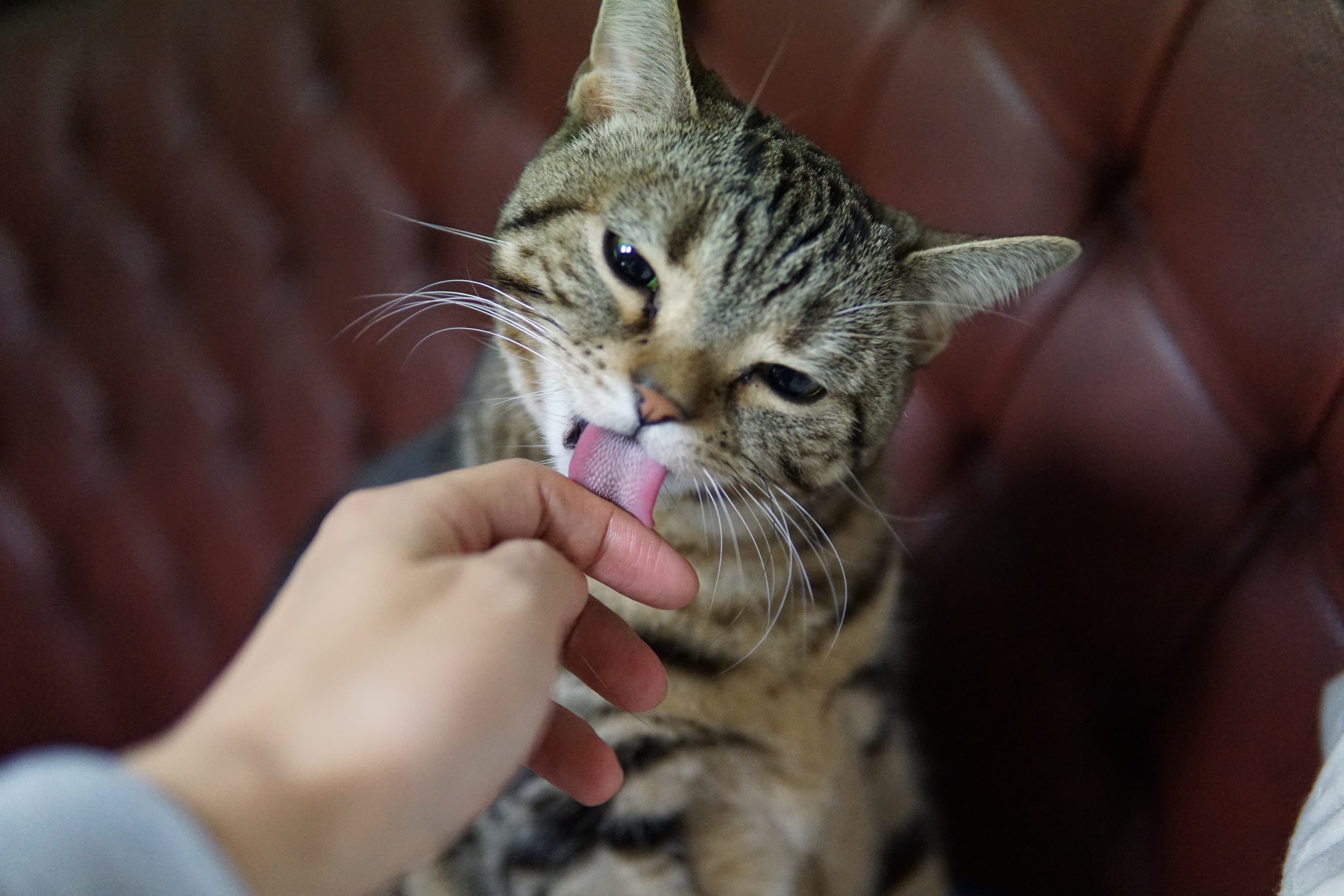
Many pet parents wonder why their cat licks them. This common feline behavior can feel sweet, confusing, or even a little annoying — depending on the moment. Cats may lick to show affection, bond through allogrooming (a social grooming behavior), mark you with their scent, or seek attention. In this guide, you’ll learn the real reasons behind why cats lick their humans, when it’s completely normal, and when it may require closer attention.
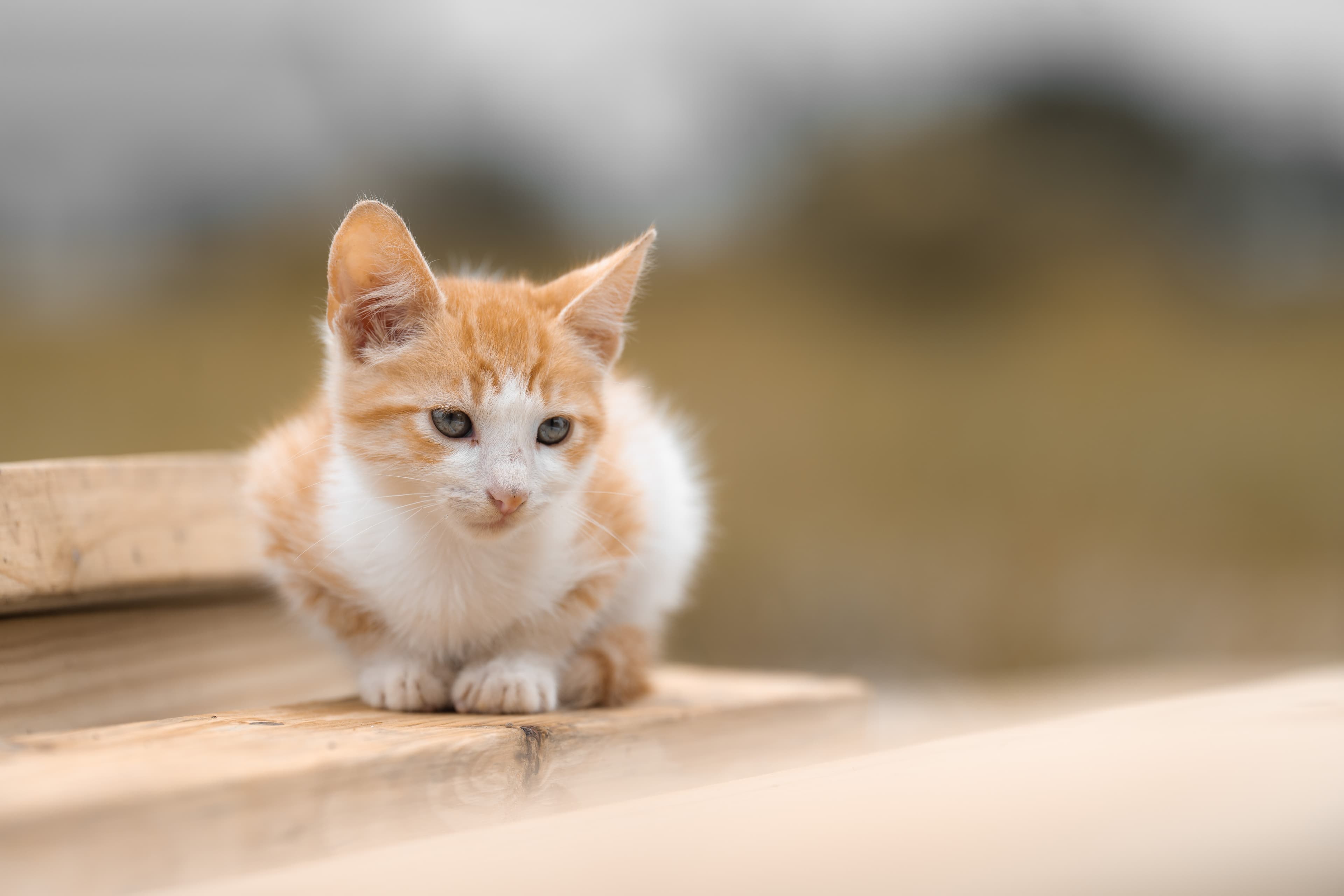
Ever wondered how old your cat really is in human years? This guide to converting cat years to human years makes it easy to understand. It includes a clear age chart, a simple kitten development timeline, and a practical formula commonly used by veterinarians. You’ll also learn why cats age much faster during their early years and how this faster aging affects their health, behavior, and care needs as they grow.

Do male cats have nipples? Yes—male cats do have nipples, just like female cats. It might sound surprising, but it’s completely normal. Male cats develop nipples in the womb before their sex is fully determined, so both sexes end up with them.
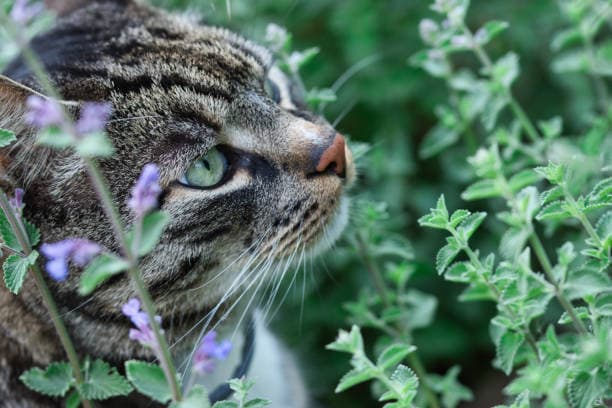
Catnip is famous for turning even the most relaxed cats into energetic, playful companions—but can it also help calm your furry friend? The answer depends on the cat and how catnip is used. In this article, we’ll explore how catnip affects cats, why some cats respond differently than others, the various ways to offer catnip, and when it may (or may not) help promote relaxation.

If you’ve ever wondered why your cat hasn’t been using the litter box, you might be surprised to learn that they may not be peeing at all—they could be holding it in. But how long can a cat safely hold their urine? Is it harmful for them to do so? And when should you start to worry? In this article, we’ll answer these questions and provide helpful tips to keep your cat healthy and comfortable.
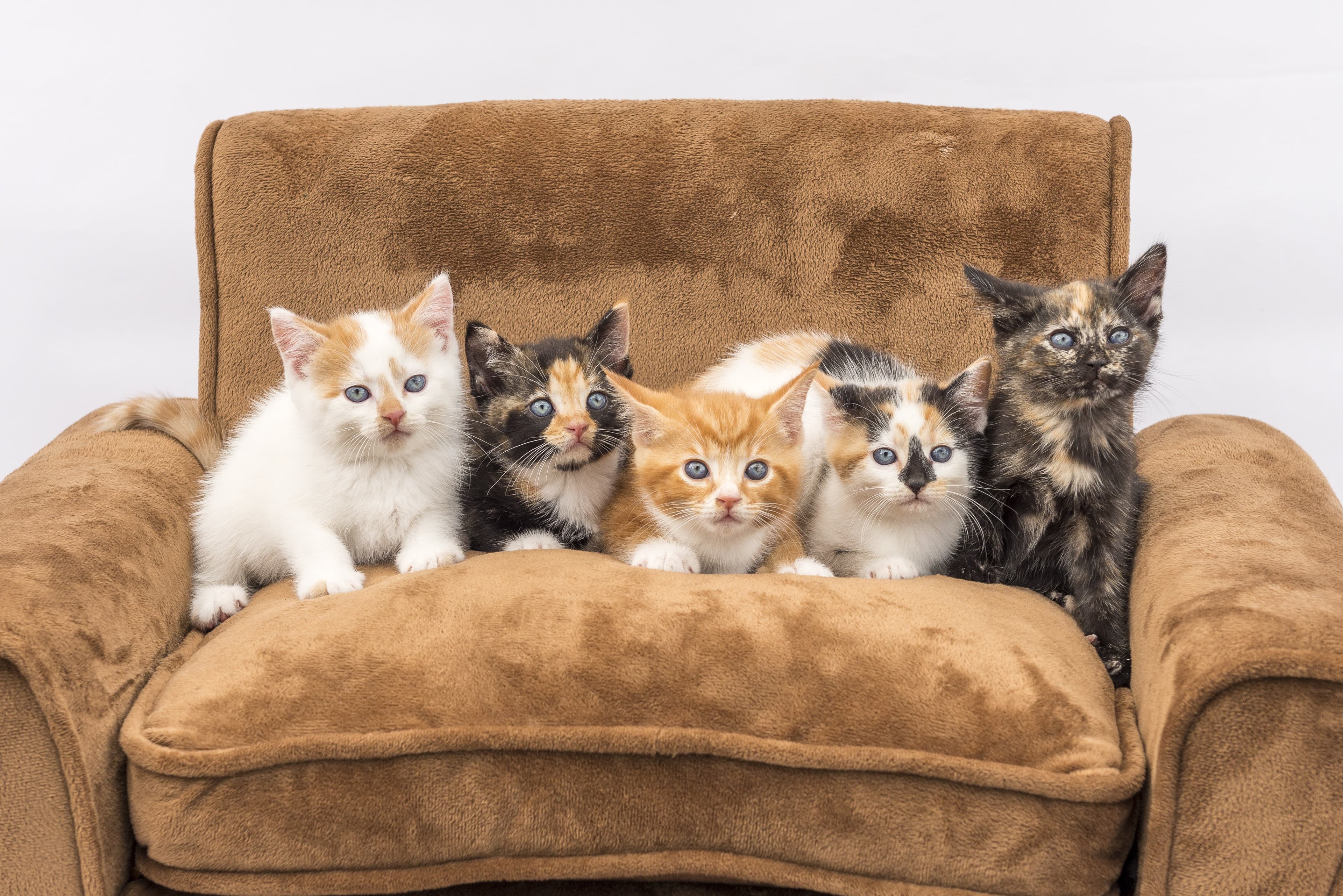
Are you considering adopting a kitten? Or, maybe you’ve already got one, but you’re not entirely sure about the best food and care to give them. In either case, it’s important to know how old your kitten is. In this post, we’ll help you figure out how old your kitten is and how to discover the secret to staying on top of your ever-growing kitten’s health.