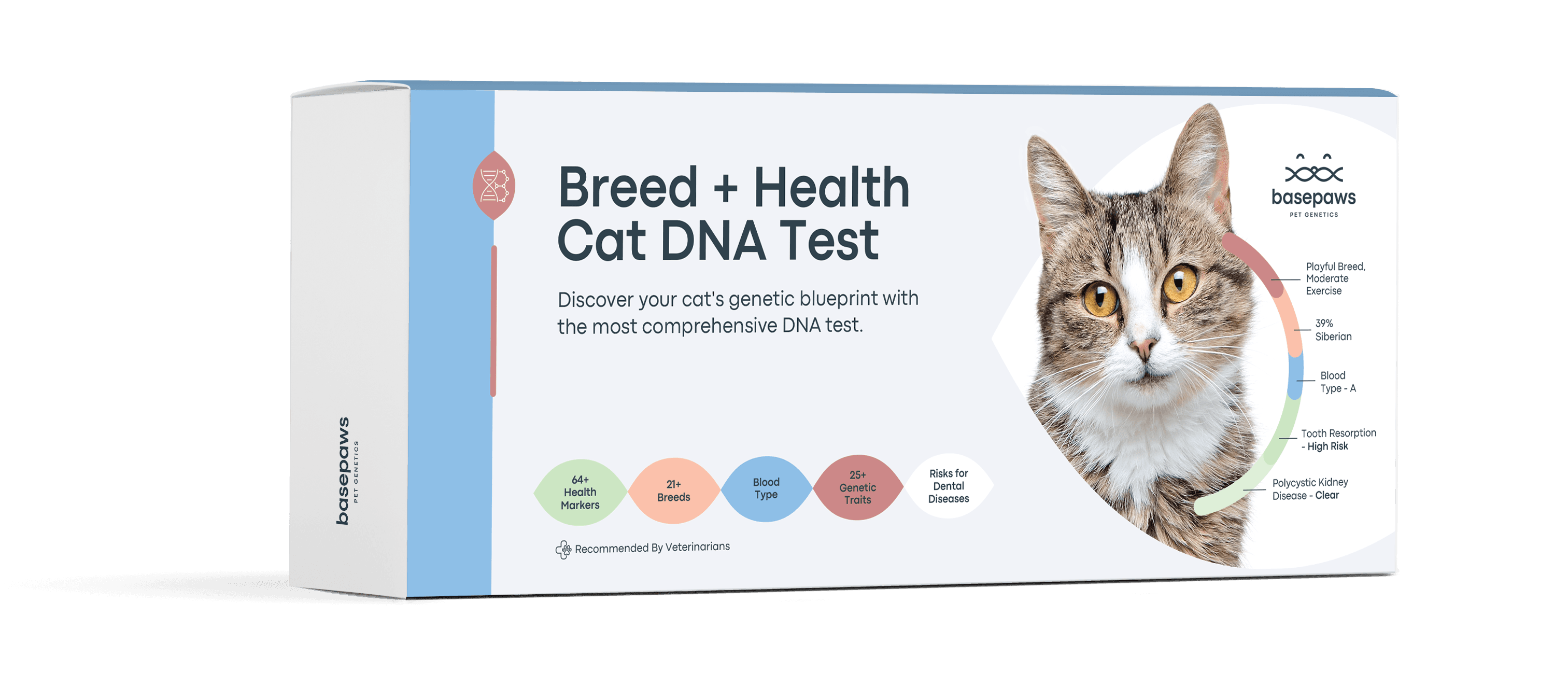
Don't know your cat's breed?
Get our DNA kit!
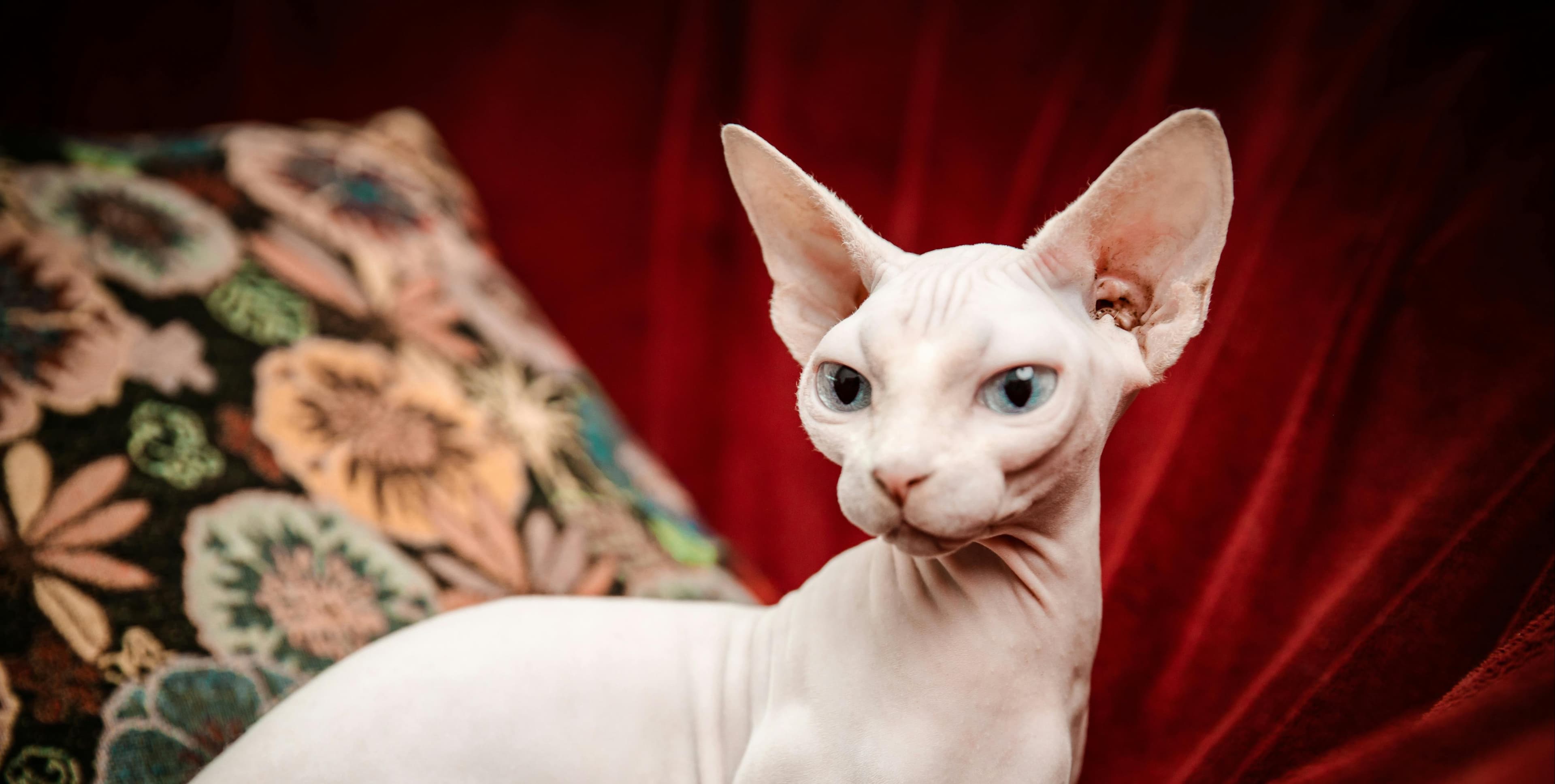
The inquisitive, highly energetic, and attention-seeking Sphynx cats are different from other furry cats in the feline community and may be the pet you are looking for. However, bringing home a hairless cat comes with active caring to keep them healthy and happy.
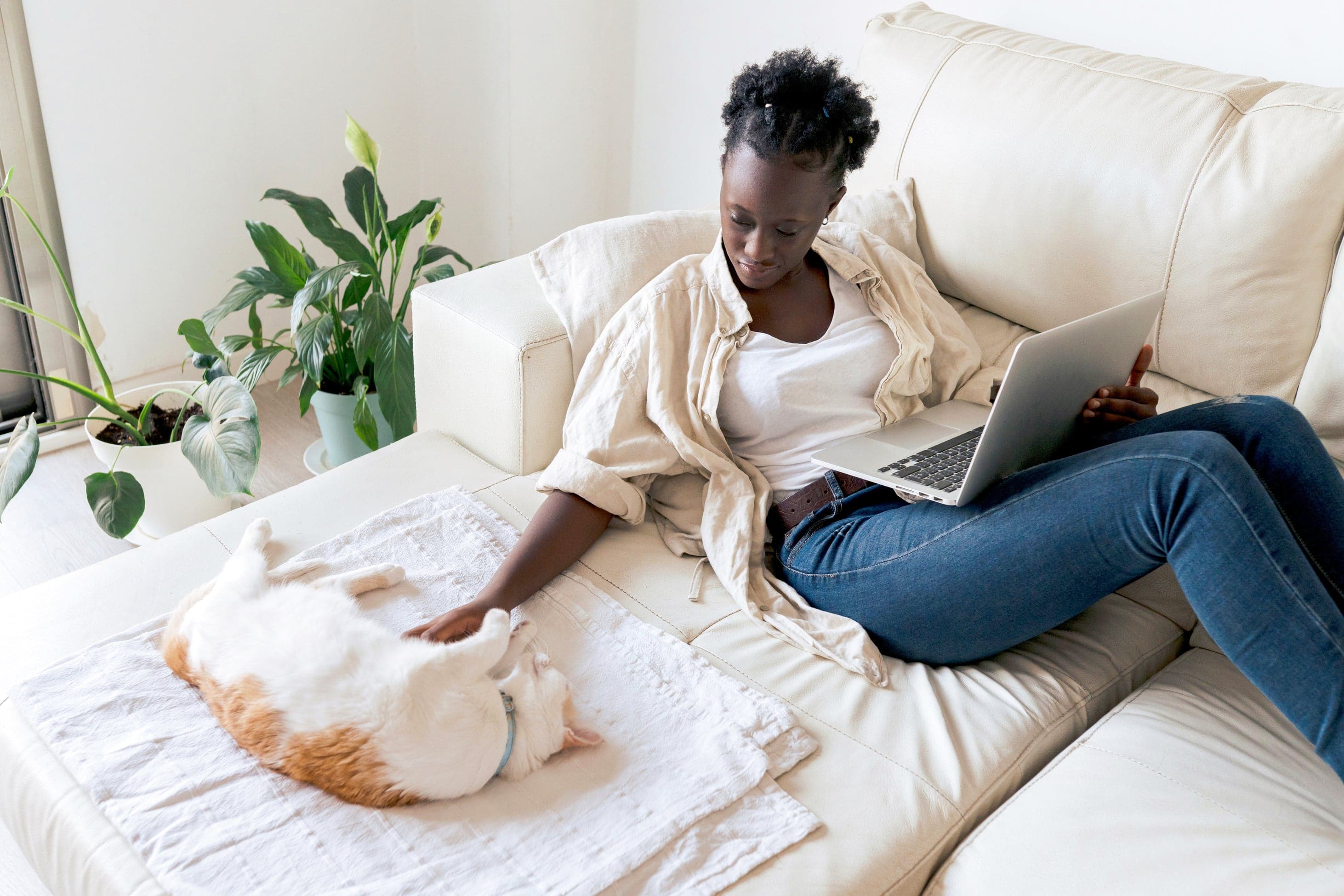
Virtual care is becoming an important facet of the future of veterinary care that is predicted to stay even after the pandemic. With virtual veterinary care, you can get sound advice from trusted veterinary professionals without leaving your home and stressing out your cat. Learn about veterinary telehealth and telemedicine in this blog.
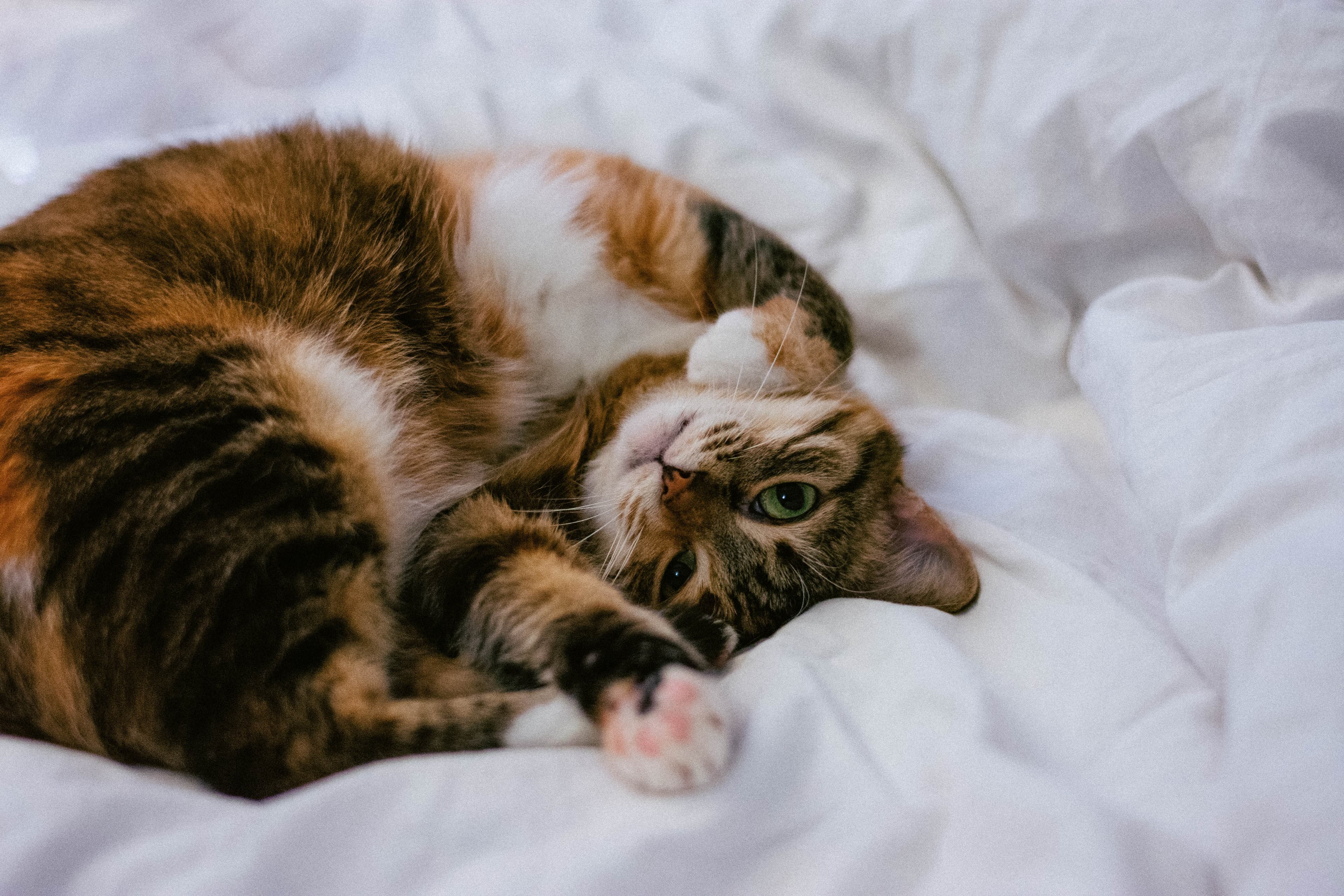
Some cat breeds are renowned for their capacity to bond with humans. Whether they're curling up in your lap or playfully engaging you in activity, these breeds not only cherish but actively seek out human interaction, making them the perfect companions for those who desire a deep bond with their pet.
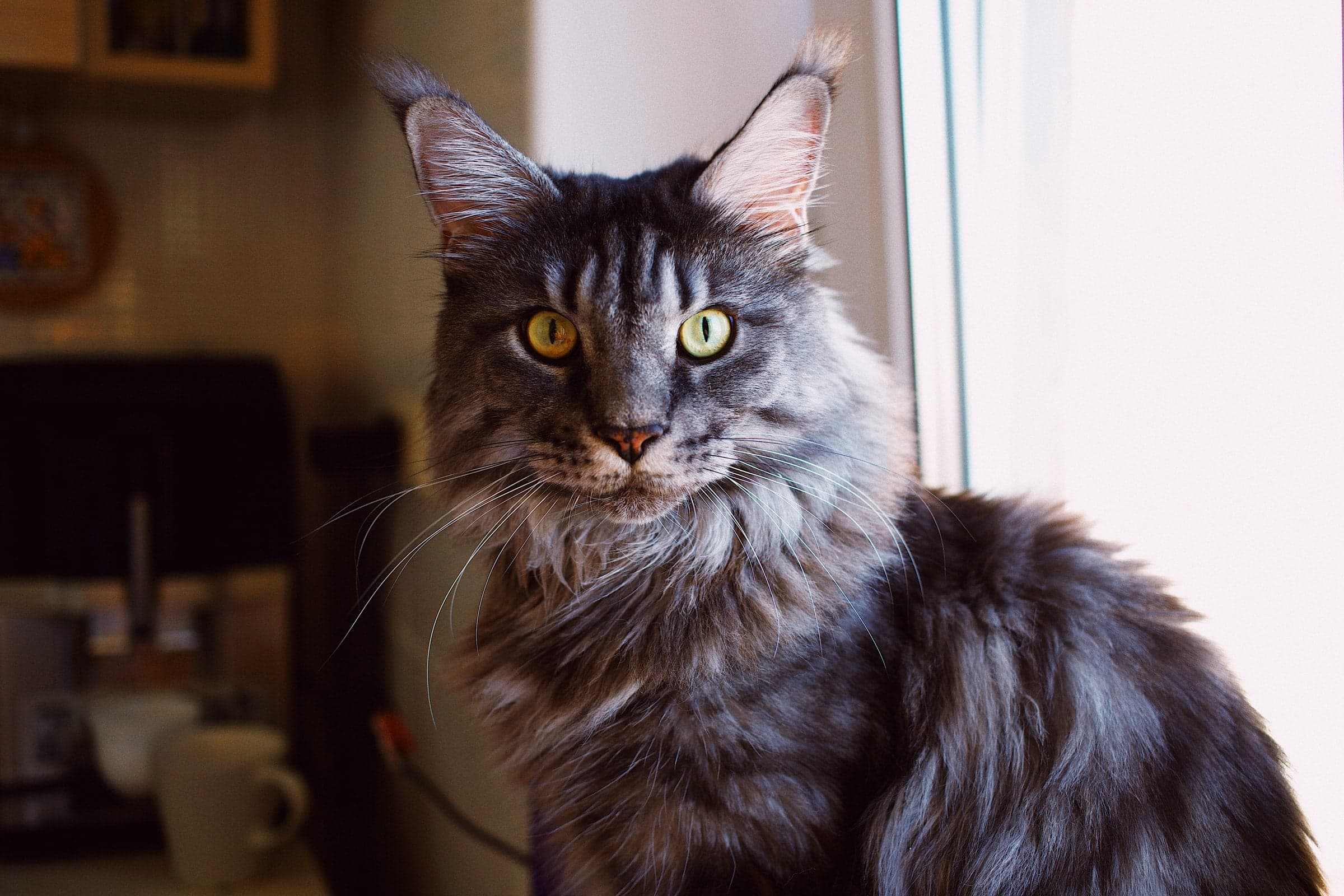
Maine Coon cats are one of the largest breeds of domestic cats in the world, with some males reaching up to 20 pounds or more when fully grown! Some believe that these cats originated in the state of Maine and are known as "gentle giants" due to their temperament and size. In this article, we will take a closer look at just how big Maine coon cats get.
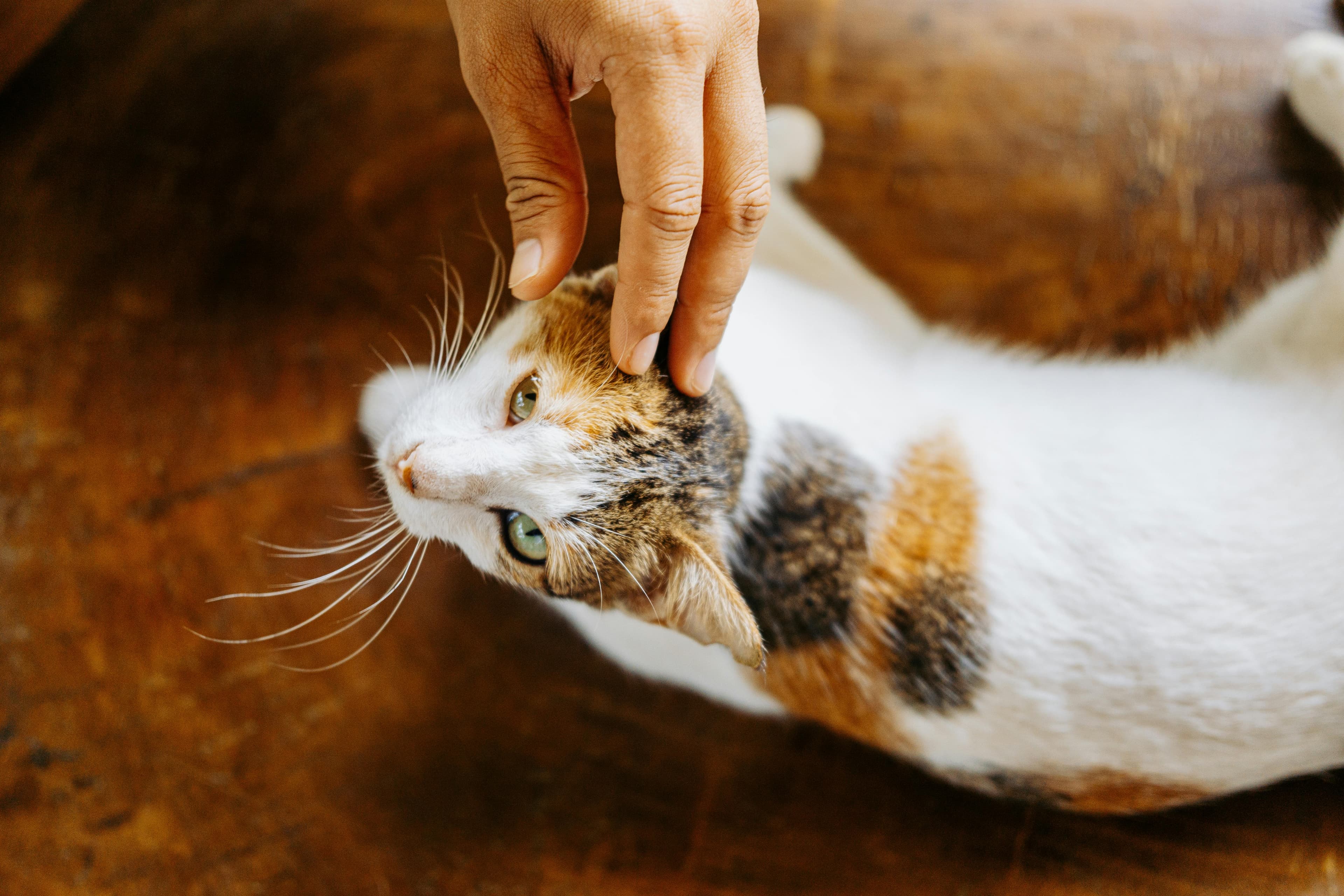
Cats can occasionally catch certain illnesses from humans, including some respiratory infections and viruses. Most cases are mild, but monitoring symptoms early still matters. Good hygiene and regular veterinary care lower the risk of transmission.
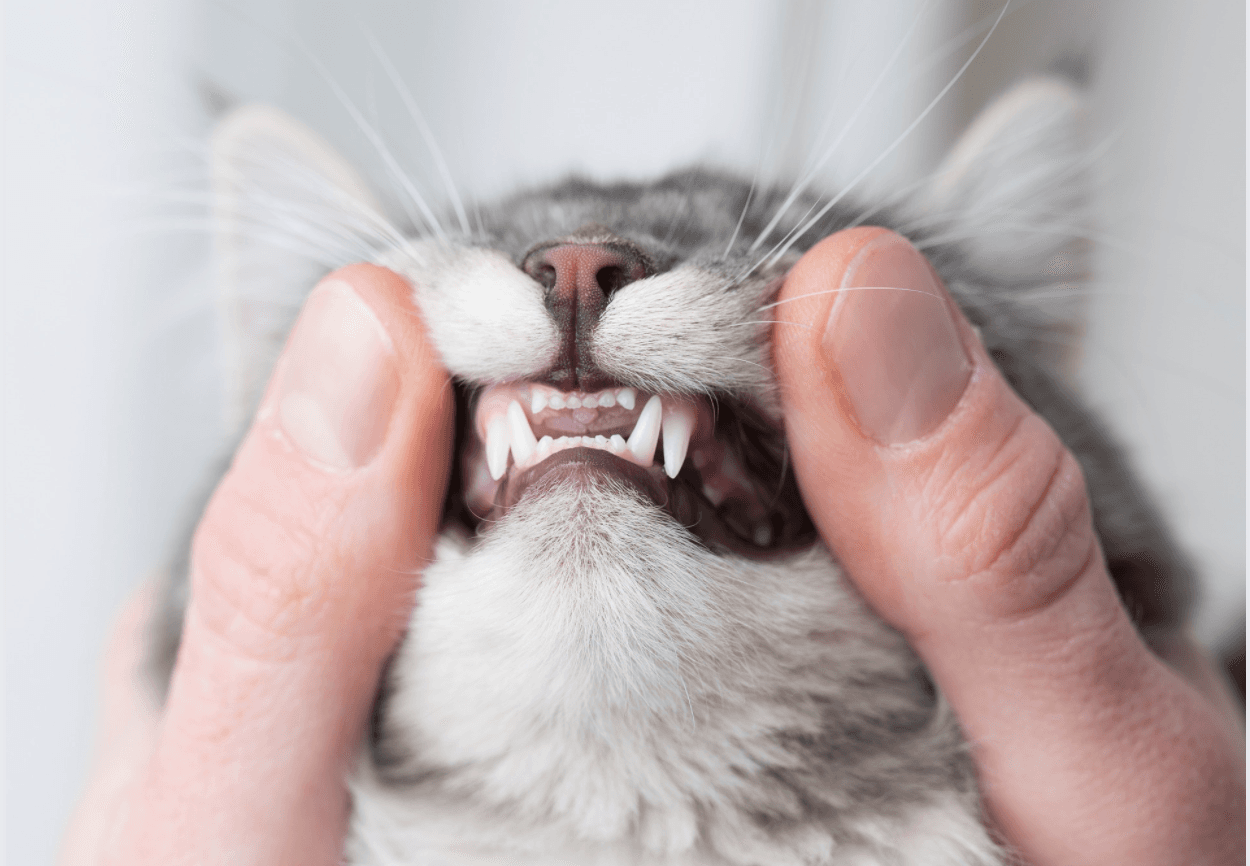
Pet dental care starts at home. In this blog, you'll learn how to examine your cat’s teeth and gums, as well as the the signs to look for when it comes to the state of your cat’s mouth. By “flipping the lip” on a regular basis you will be able to detect and address issues before they progress, and help your kitty live pain-free.
In honor of International Women’s Day, Basepaws would like to (re)introduce you to a few women who are dedicated to making the world a place where cats can thrive, and where cat pawrents have all of the resources to give their cats the best 9 lives possible! In no particular order, here are 13 amazing women, improving the world for felines.
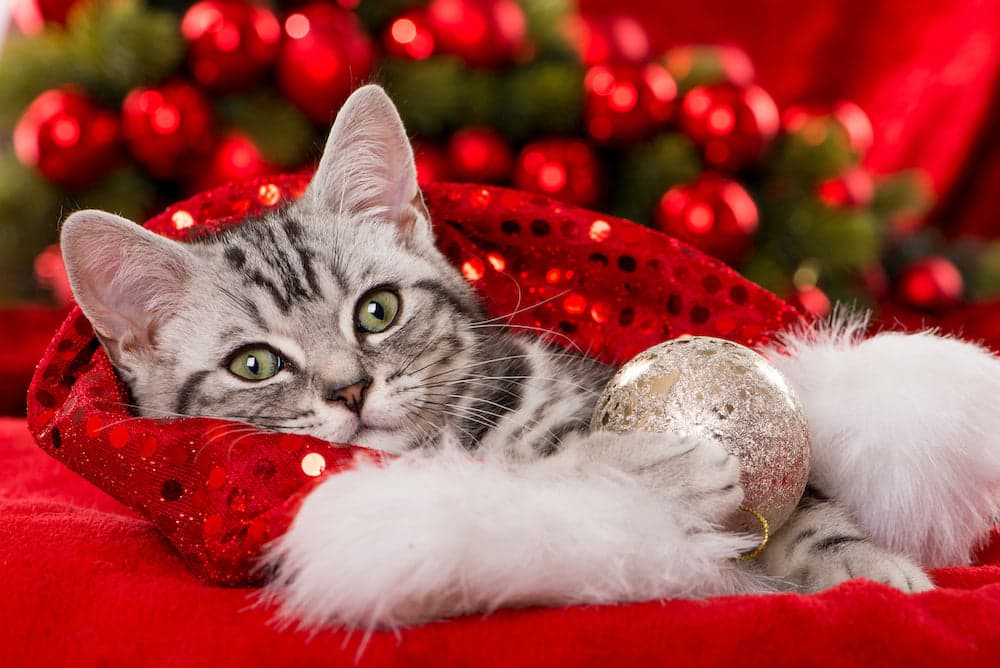
Holiday decorating, baking, cooking, gift-giving, and spending quality time with pets, family, and friends can all be a wonderful part of making things merry and bright. Yet there are elements of these activities that can be harmful to and stressful for your pet. In this post, Basepaws offers some tips for keeping your pet safe, happy, and calm as you celebrate the season.
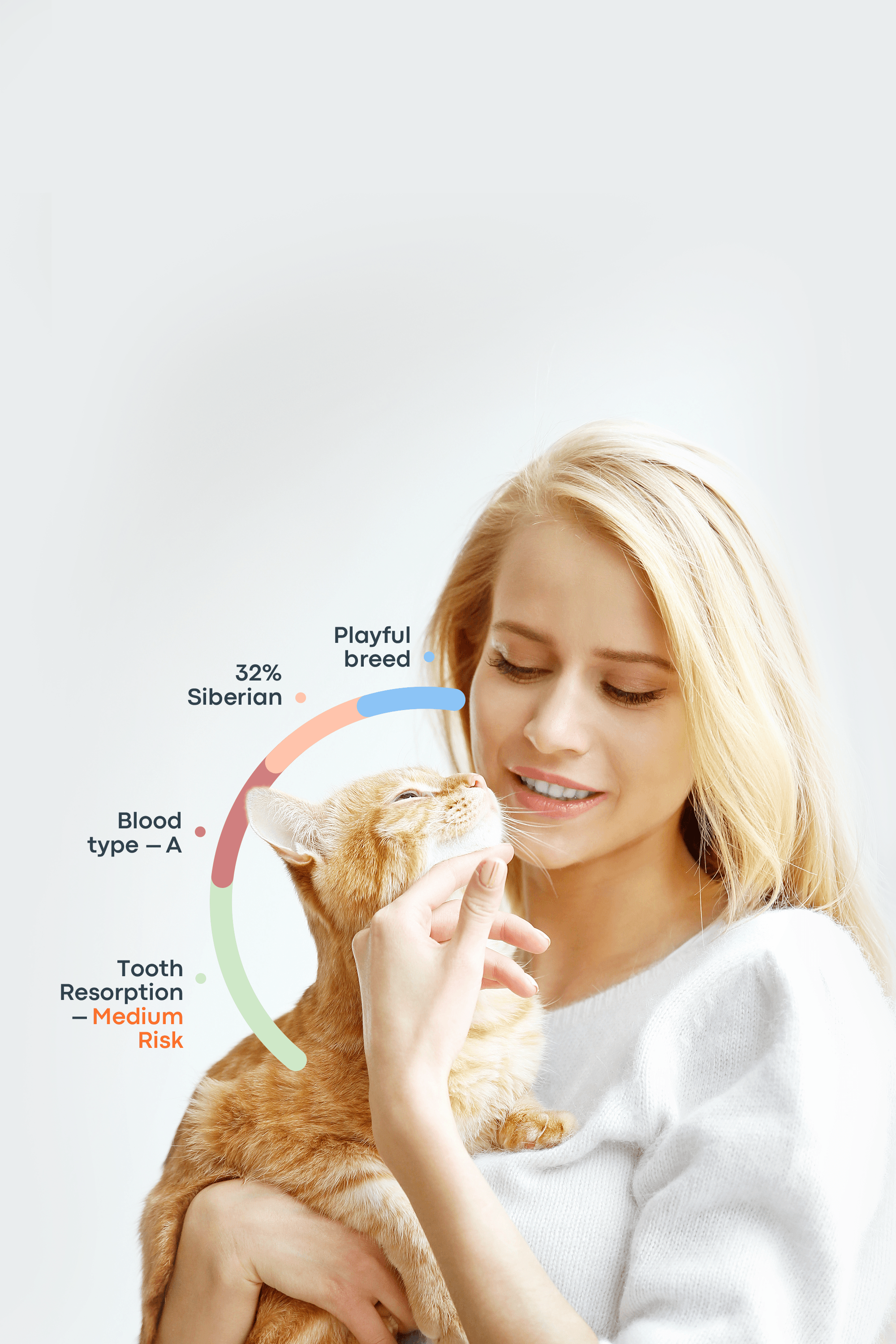
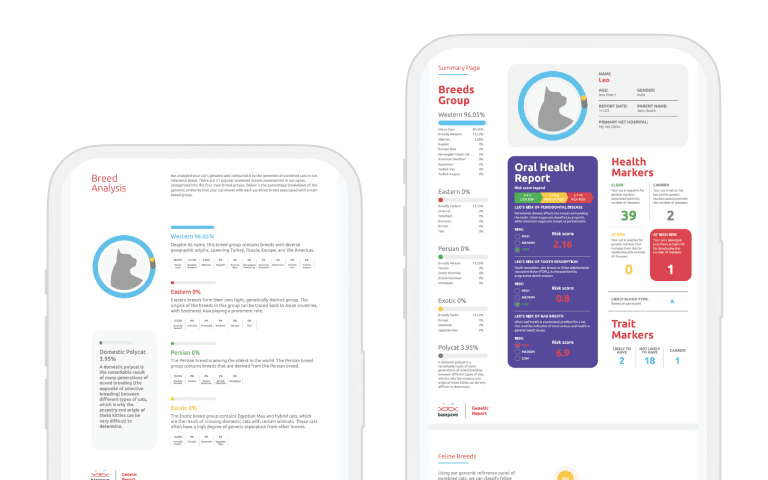
Enter your email to receive a sample cat report and preview the breed and health insights inside.