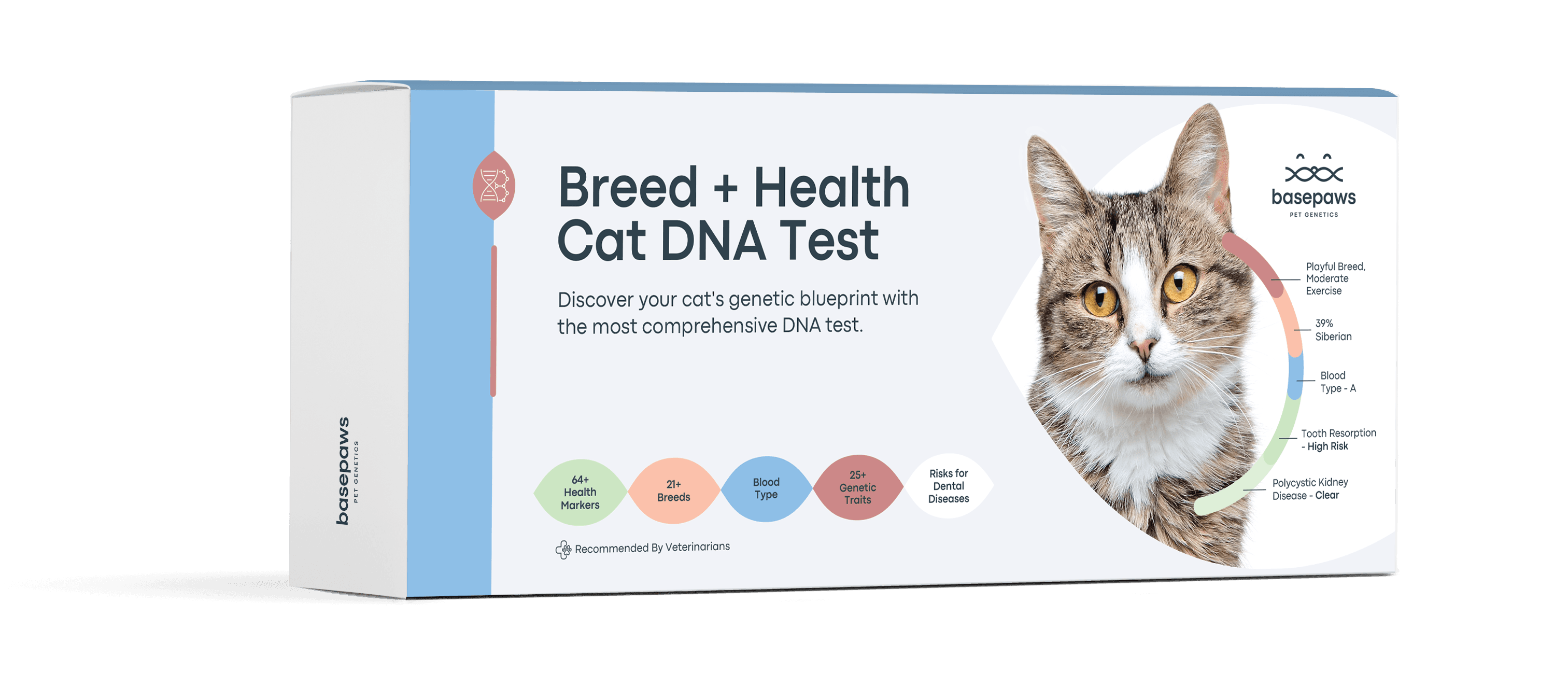
Don't know your cat's breed?
Get our DNA kit!
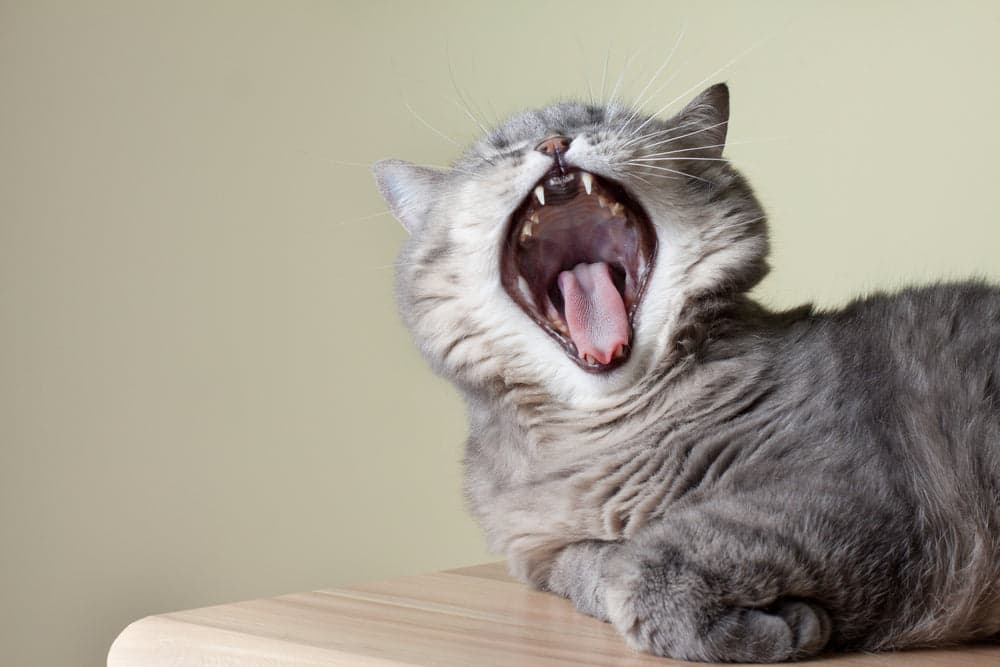
How to best care for your cat’s teeth and support their oral health can feel like a complicated subject, but it doesn’t have to be! It’s an important topic to discuss, since your cat’s oral health directly impacts their overall health and well-being. Today, we’ll discuss your cat’s teeth and their growth timelines, dental conditions to be aware of, and how you can provide your beloved cat with the best oral health care possible!
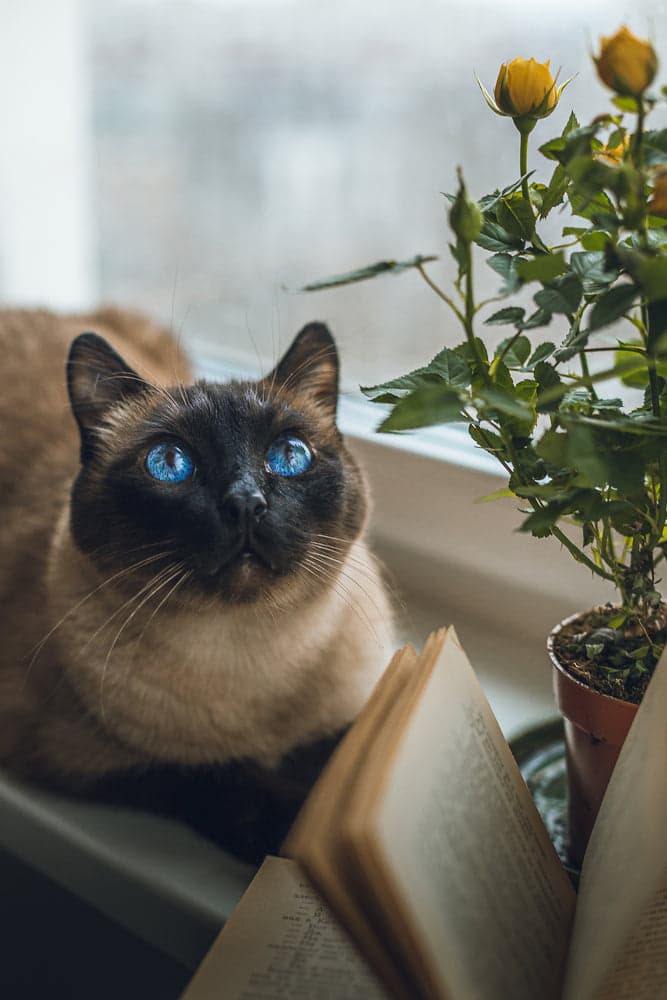
Siamese cats are a popular choice of a pet because they are known for being cuddly, fun, and very affectionate. You may have heard of them being labeled “hypoallergenic”, which means that they tend to cause less of an allergic reaction for allergy sufferers. Are Siamese cats truly hypoallergenic? Cat lovers that are allergic to cats will be happy to find the truth revealed in this blog. And if your fondness for cats has been hindered by allergies in the past, read on to find out what simple steps you can follow to reduce the spread of cat-related allergens in your home!
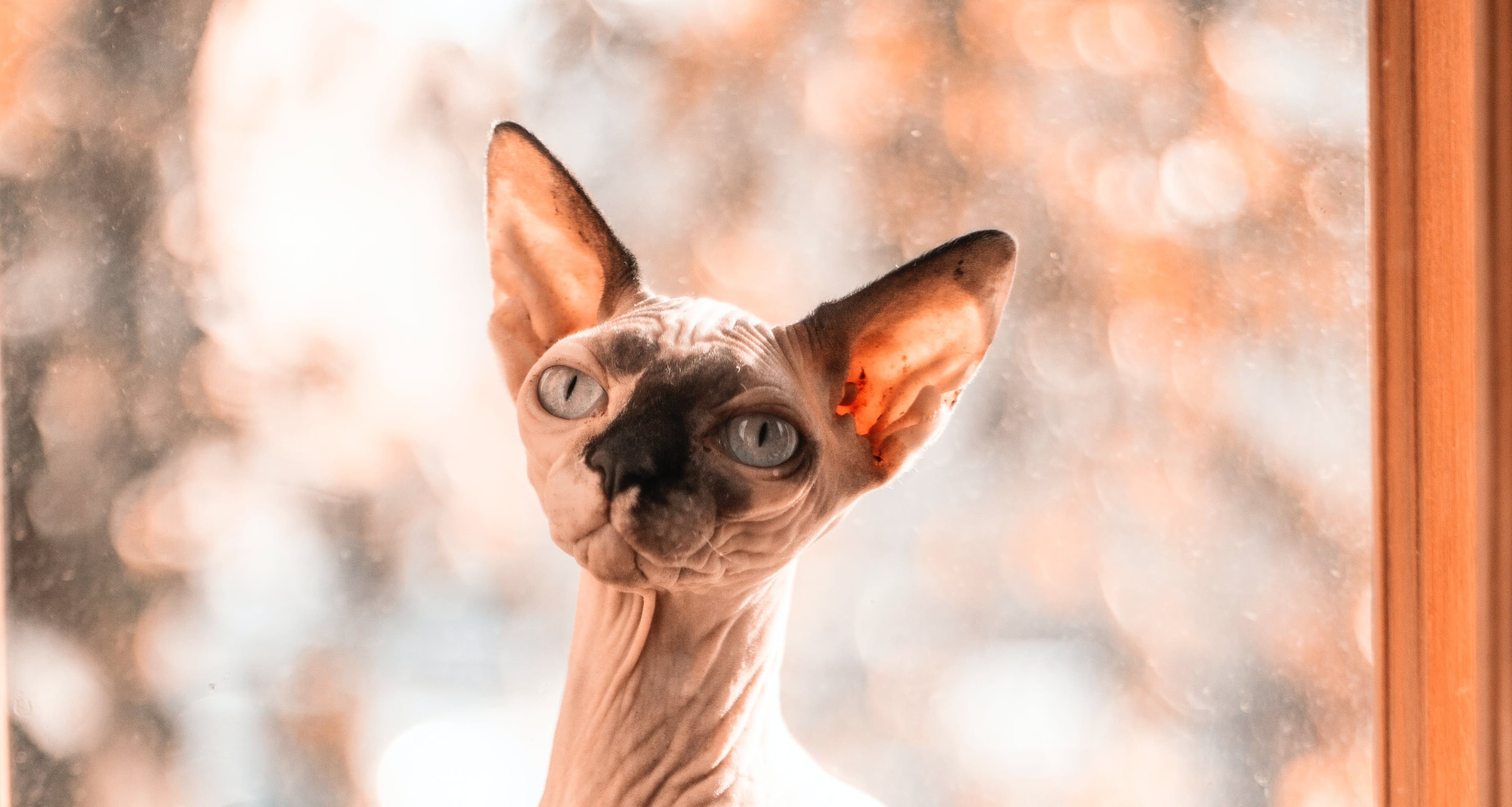
The article discusses common health concerns for Sphynx cats such as heart disease and respiratory issues, and provides tips for extending their lifespan through proper care and diet. We want to emphasize the importance of responsible ownership in ensuring a long and happy life for these unique cat companions.
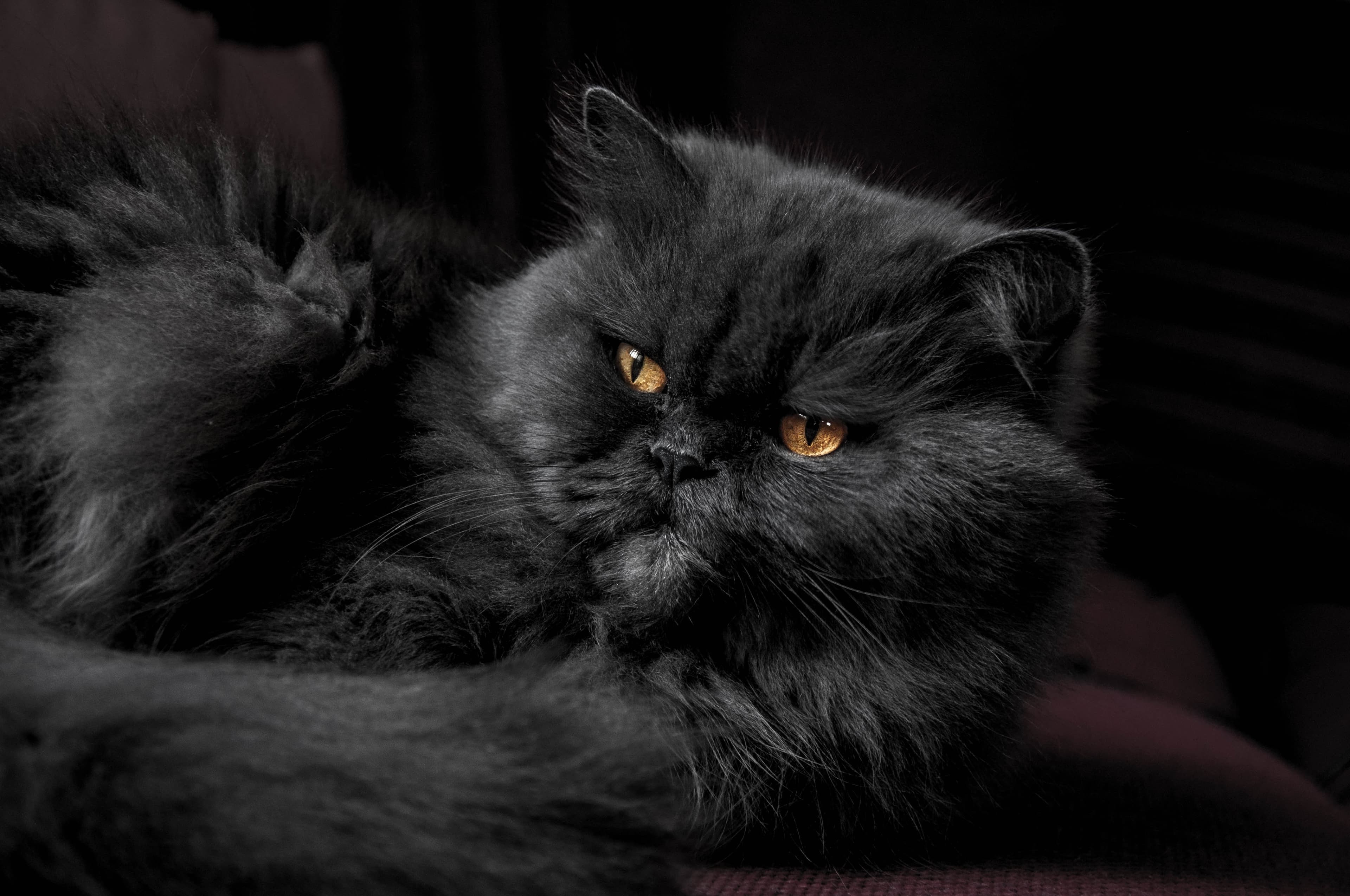
Persian cats stand out not only for their distinctive appearance but also for the genuine companionship they offer. The average Persian cat lifespan ranges from 12 to 16 years, making them cherished members of many families for a significant portion of their lives. In some extraordinary cases, these captivating creatures have defied expectations, living up to 20 years or more. However, achieving such an impressive lifespan requires a comprehensive understanding of the factors that influence their longevity and dedicated care to address their specific needs.

if this pandemic has taught us anything, it is that having a pet is even more beneficial and more fulfilling than we ever realized! A recent suggests that the human-animal bond can have a strong, positive impact on the quality of our lives, particularly during lockdowns.
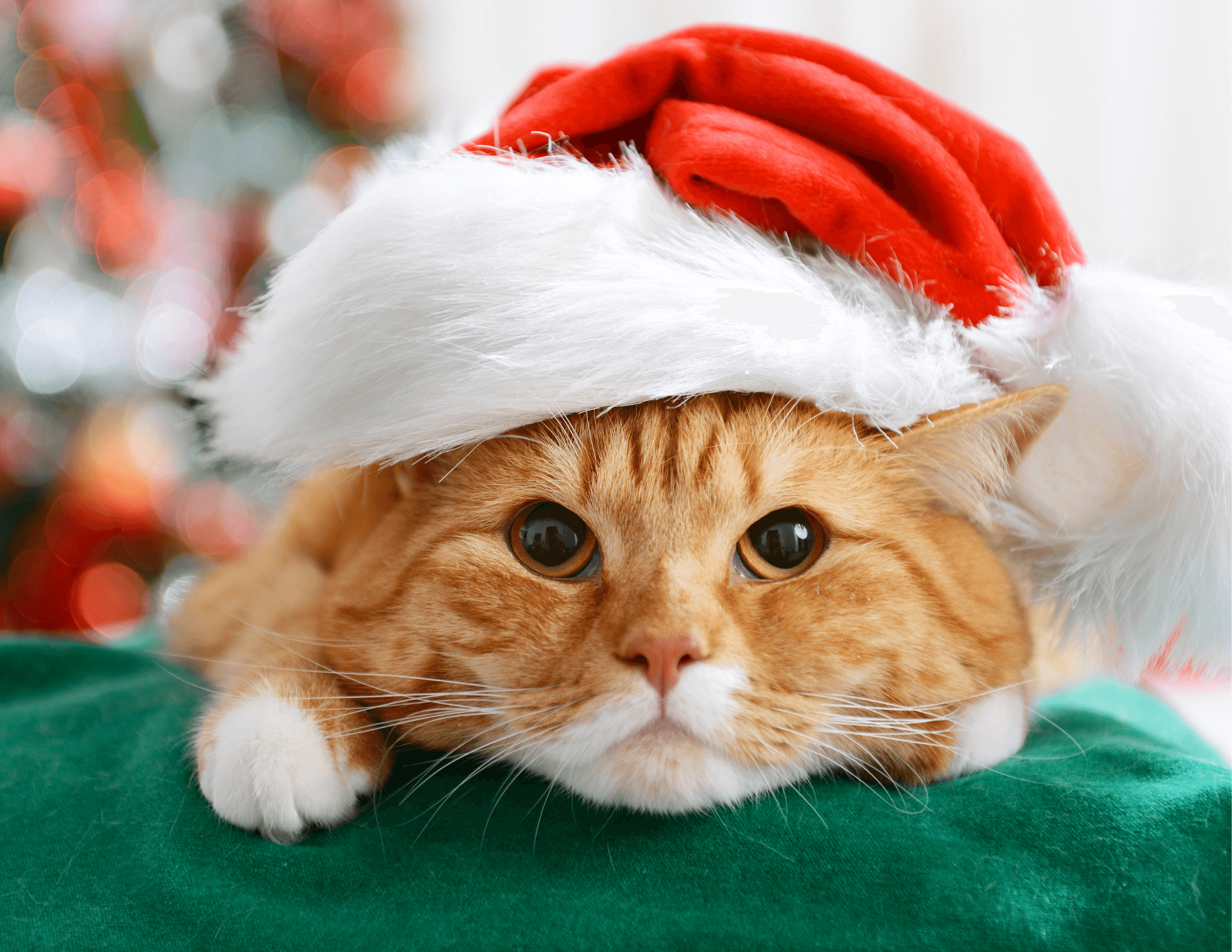
While 2020 may look a little different than holidays past, many of our traditions remain the same. Decorations, presents, and the gift of giving keep the season bright for all. But in all the celebrations and decorations lurk several dangers for pets. To help keep the holidays safe and bright, here are some tips for holiday safety.

Persian cats are prevalent on the planet. They attract people not only with their appearance and increased levels of fluffiness but also with minimal activity and playfulness. These pets prefer the monotonous royal recumbent pastime and hate loneliness. They are sincerely attached to the owner and accompany them even during sleep, resting with them in the same bed. This article will help you learn how to groom a cat right.
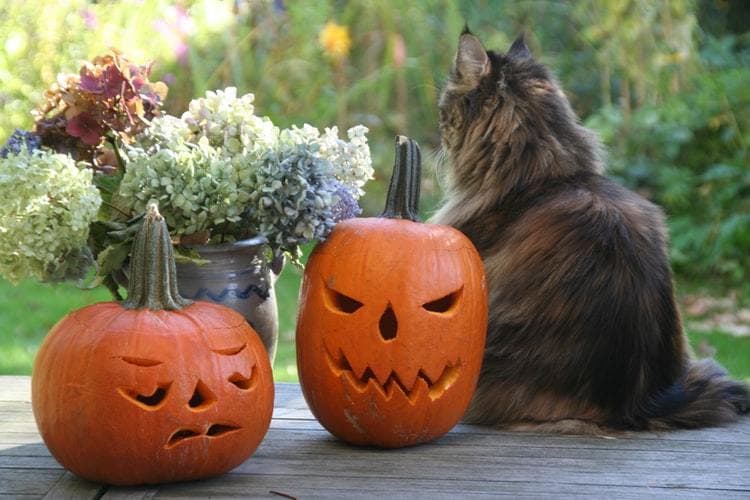
Thanksgiving with cats is the best kind of Thanksgiving we could wish for. Cats paw their way into our lives with the sole purpose of stealing our hearts. In return, they give us much more than we could ever hope for. So, here are the top 7 reasons why you need to give thanks to your cat this year. Happy Thanksgiving hoomans!
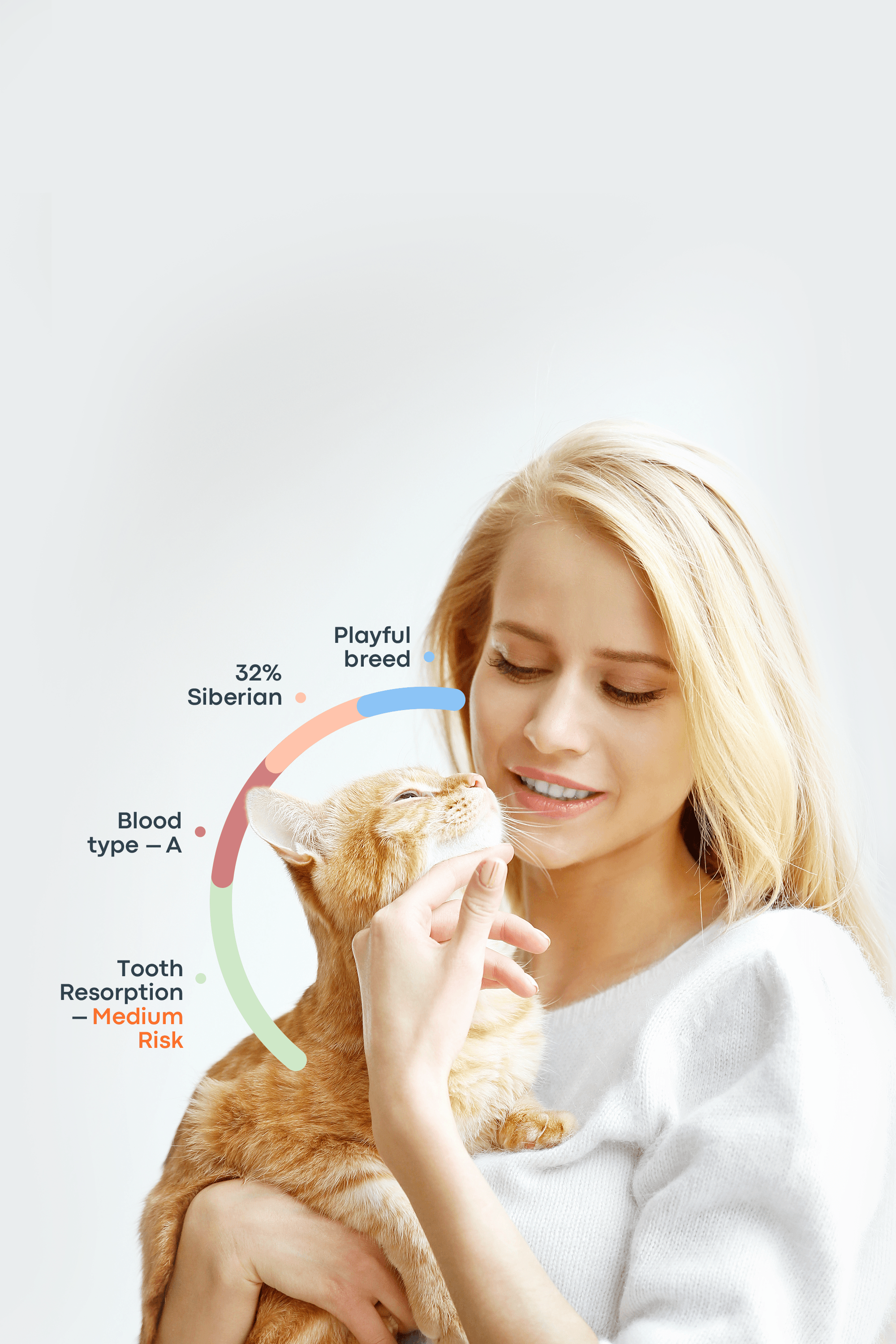
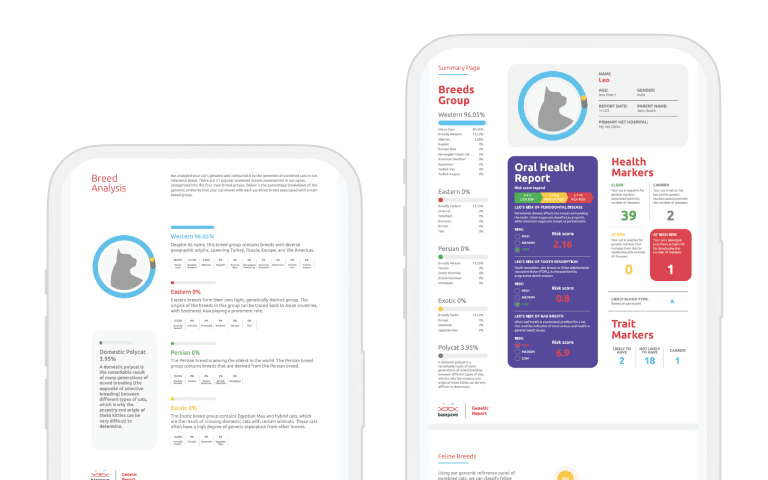
Enter your email to receive a sample cat report and preview the breed and health insights inside.