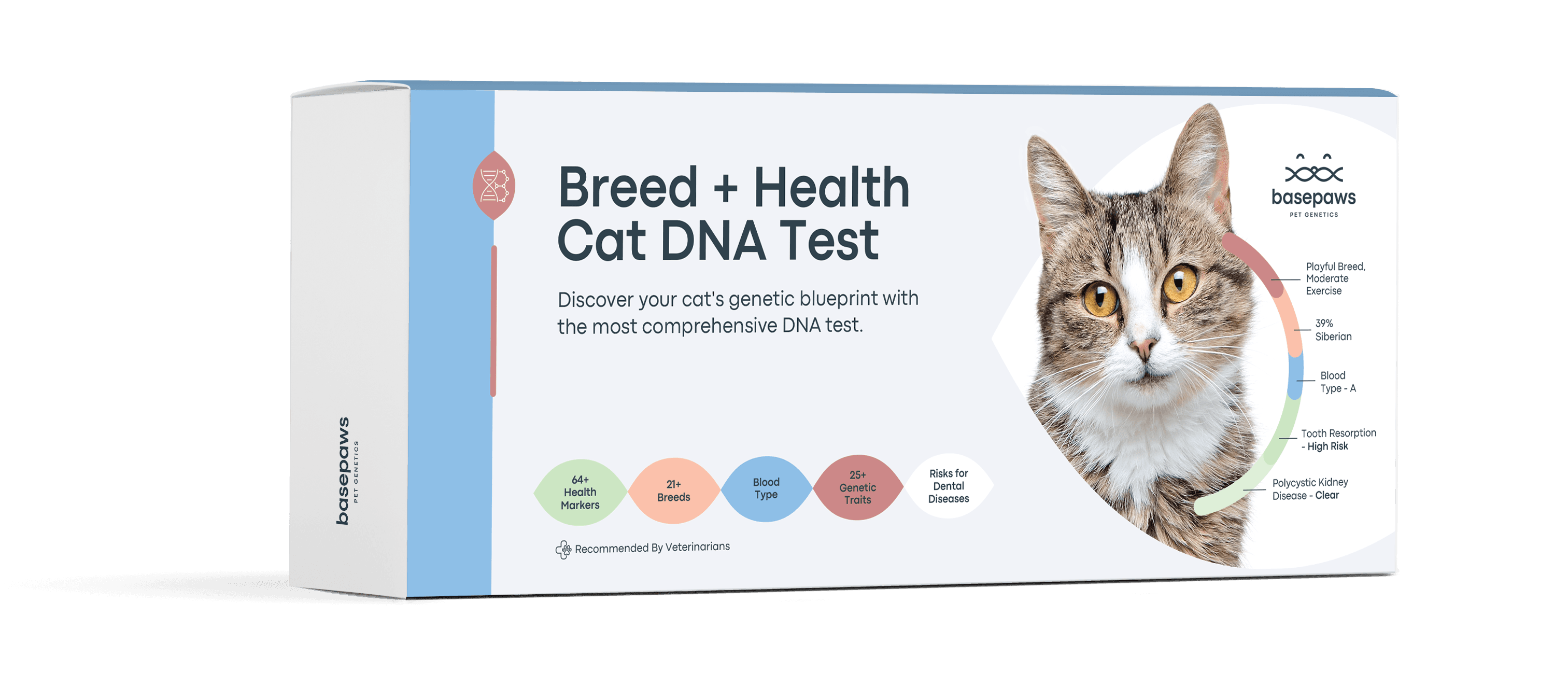
Don't know your cat's breed?
Get our DNA kit!
Are peace lilies poisonous to cats? The short answer is yes. Peace lily poisoning in cats is rarely fatal, but a traumatic experience for your feline nonetheless. The symptoms of peace lily toxicity in cats are excruciating and frightening, so it's every pet parent’s duty to shield their kitties from this possible hazard.
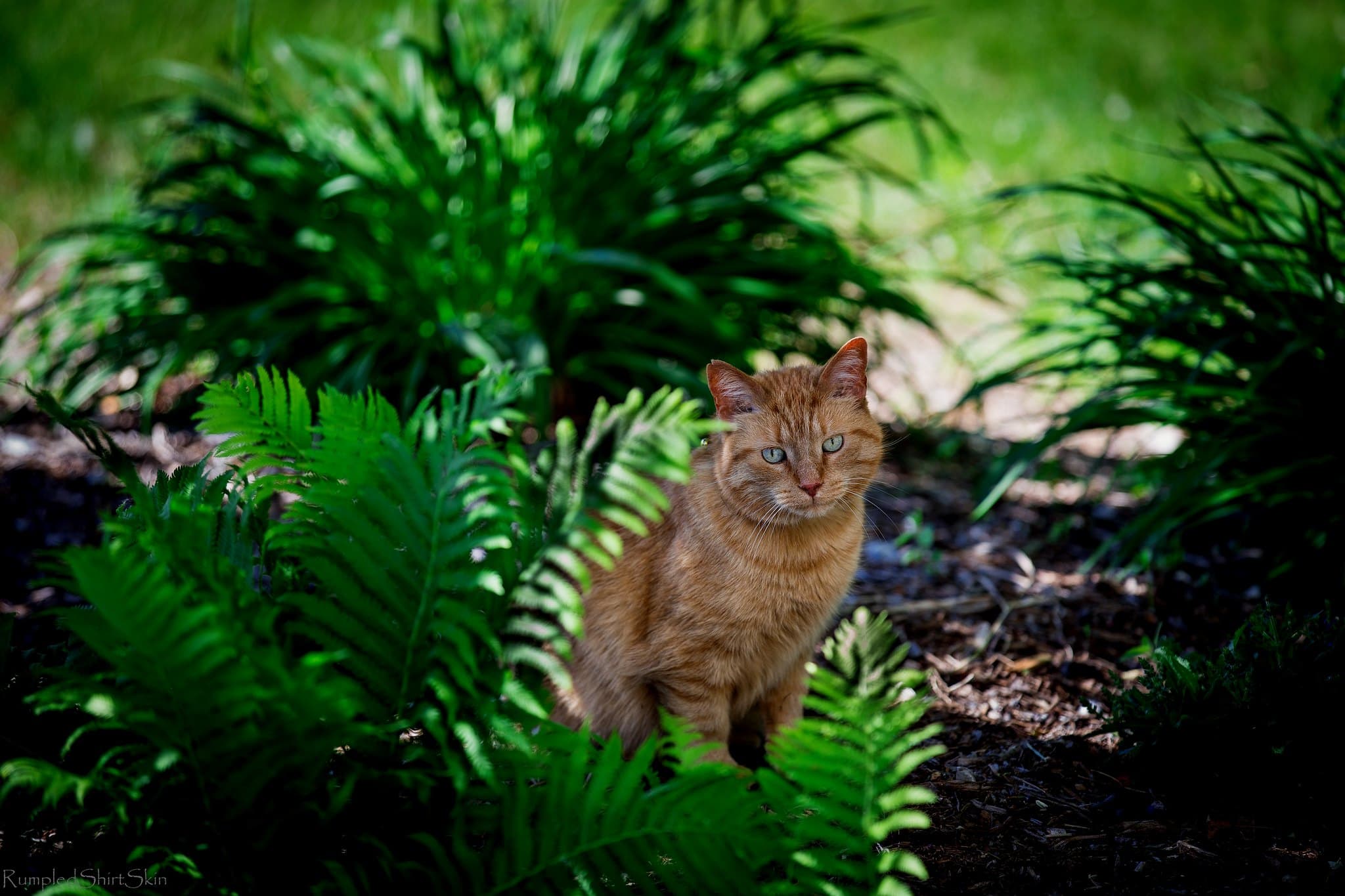
Cats' natural curiosity and tendency to explore can sometimes lead them to investigate and potentially nibble on plants, which can result in various health issues. For ferns, there may be concerns about their toxicity to cats and the appropriate response if a cat consumes their leaves. This article aims to safeguard your feline companion from harmful plants and provide guidance on addressing fern ingestion by your cat.
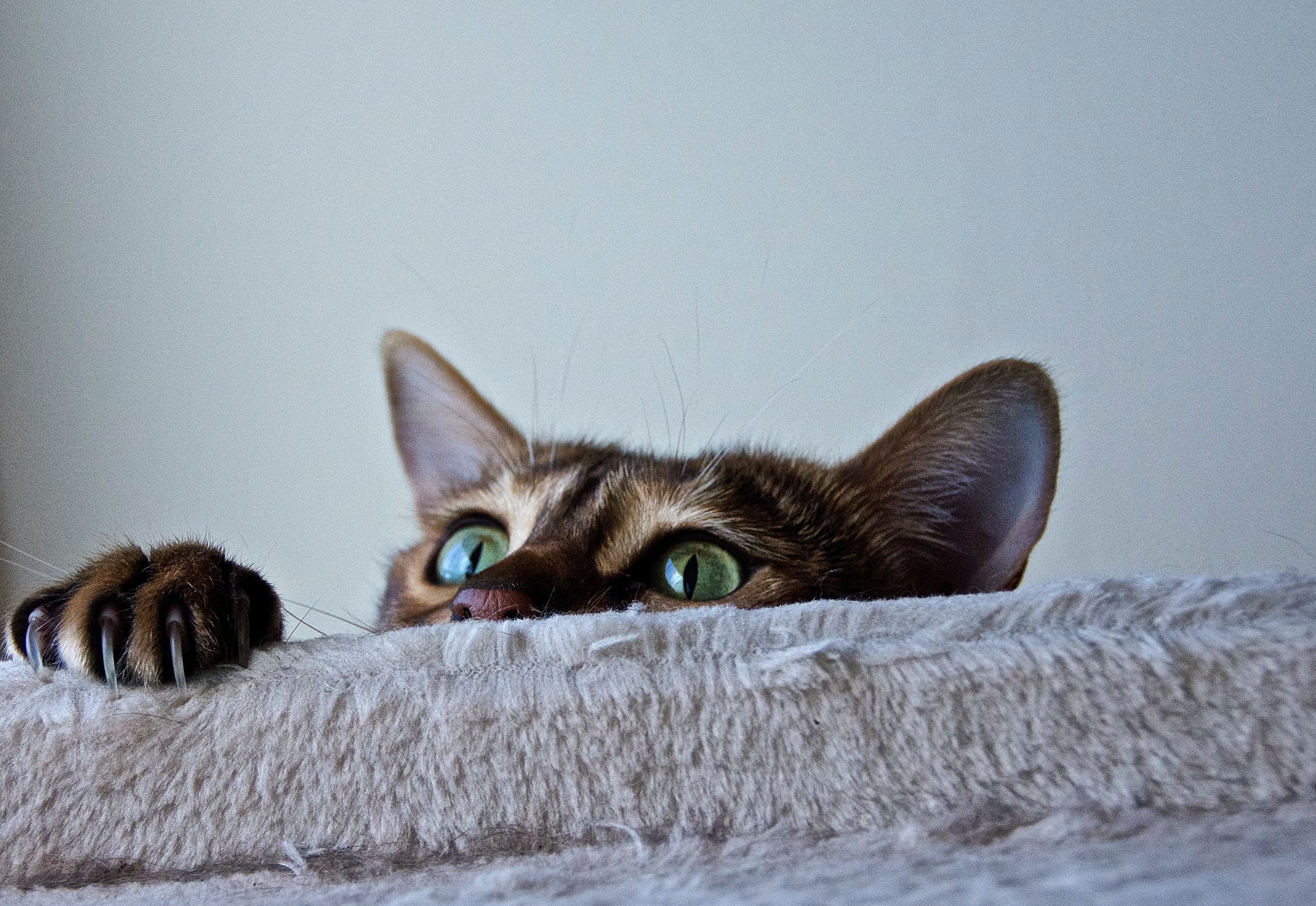
The phenomenon of hyperactivity, where your cat decides to run back and forth throughout the house, jumping around and even potentially knocking things over, is what many pet parents affectionately refer to as “zoomies.”
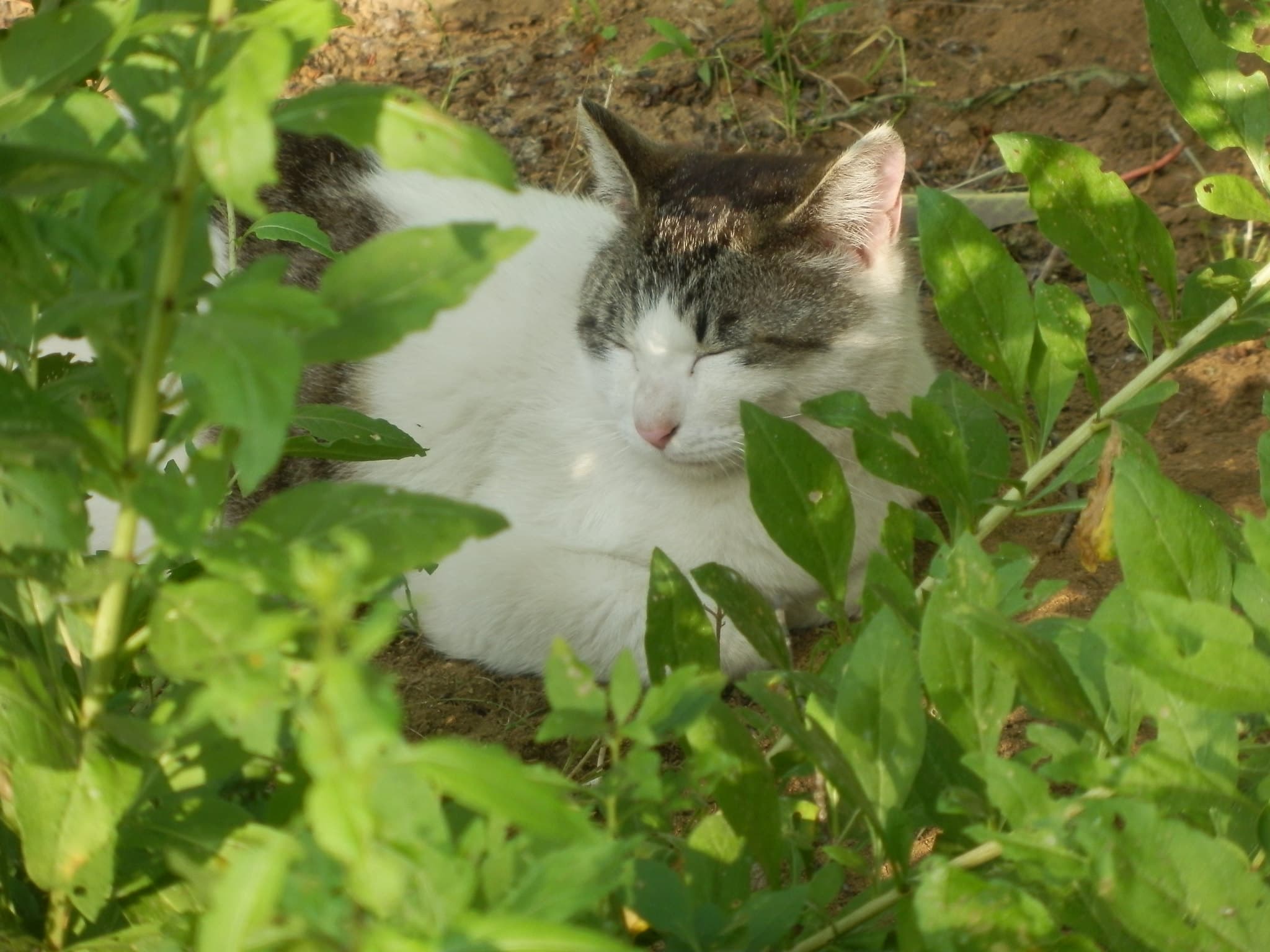
Pothos are popular houseplants renowned for their attractiveness and hardiness. Pothos plants are an easy way to decorate with greenery and brighten your living space, but if you are a pet owner, beware. Despite their beauty, pothos are toxic to cats.
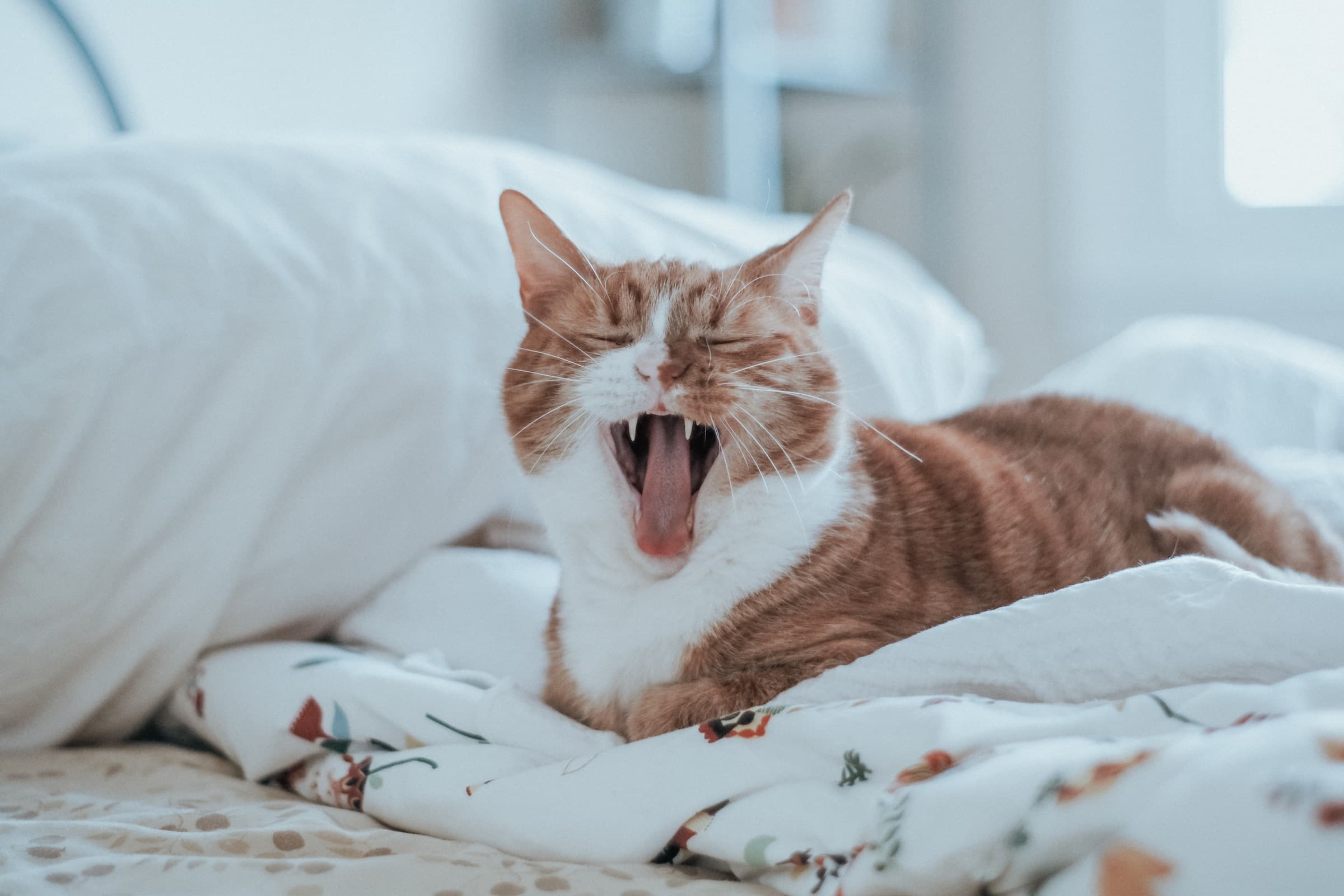
Have you ever wondered why your cat sticks their tongue out? What about a situation where they have their mouth open? While one’s tongue out can be a sign of silliness in the world of humans, it can have varying meanings in the feline world. Encountering a cat with tongue out may be confusing or possibly alarming at first, but you’ll soon learn this isn’t always cause for concern.
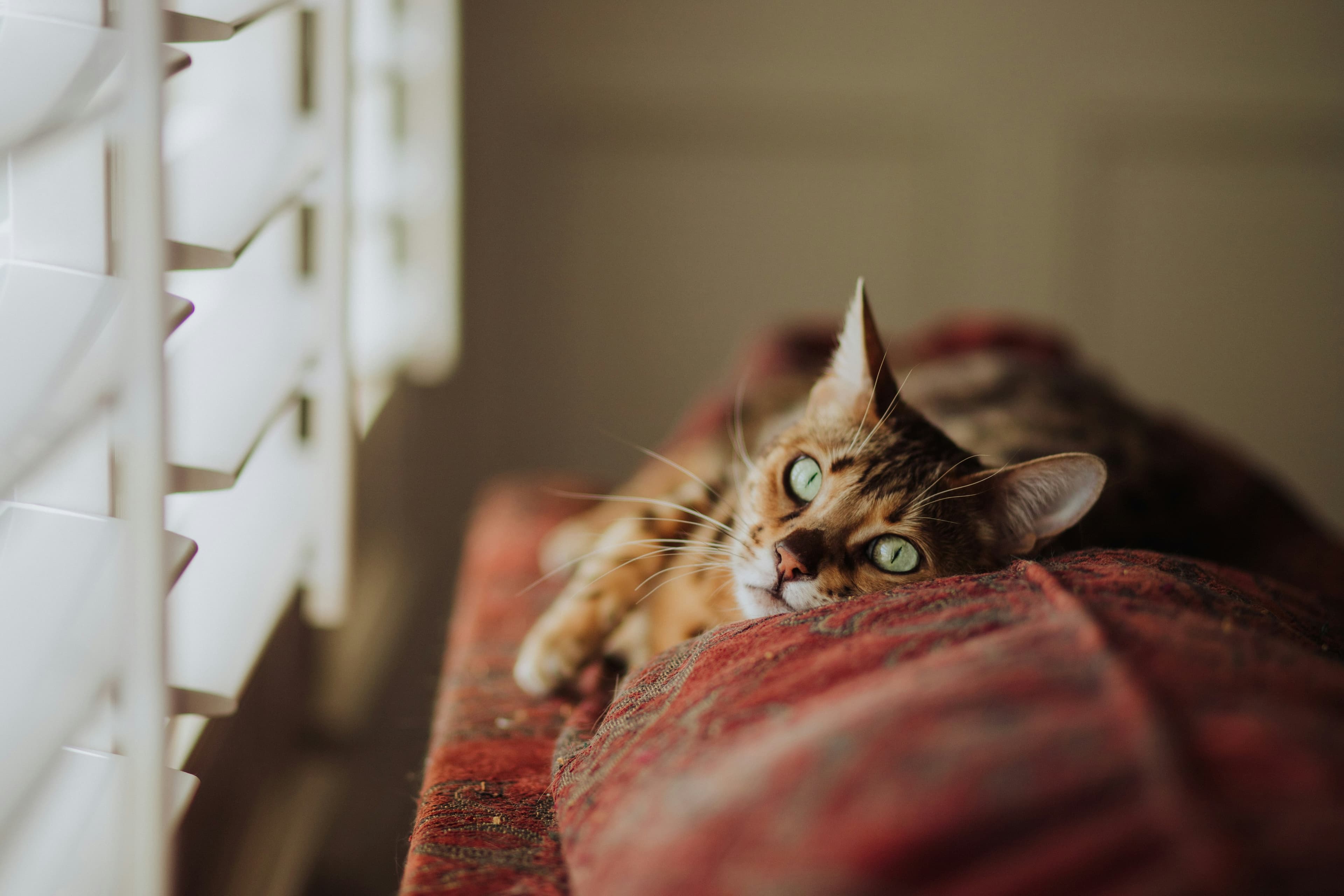
Cats can feel a range of emotions and can recognize these emotions in humans. Their ability to sense and react to their owner's feelings, including sadness, highlights the deep bond shared between cats and humans.
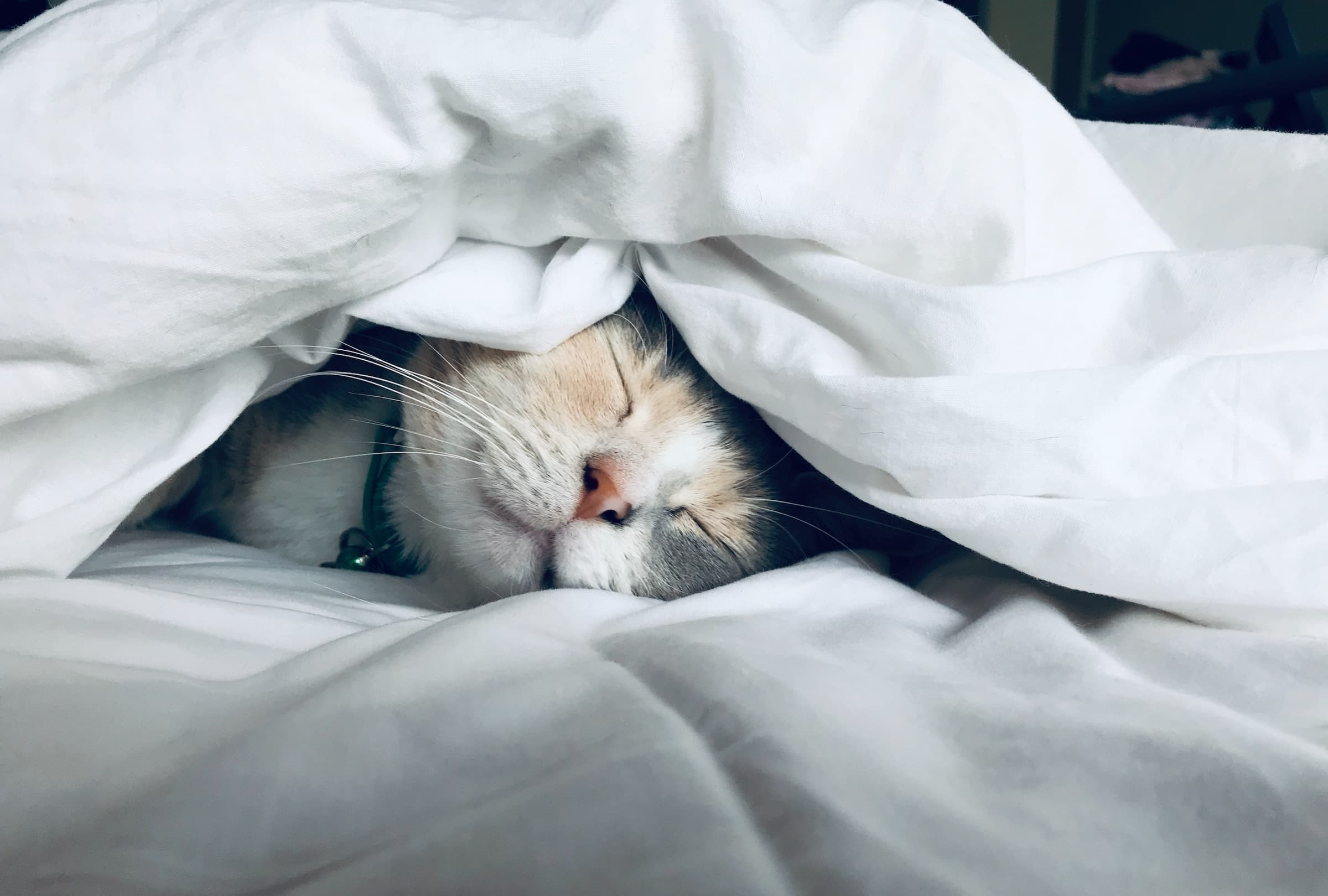
Wondering if your cat truly notices when you're gone? These 9 subtle signs reveal just how much your feline friend may miss you more than they let on.
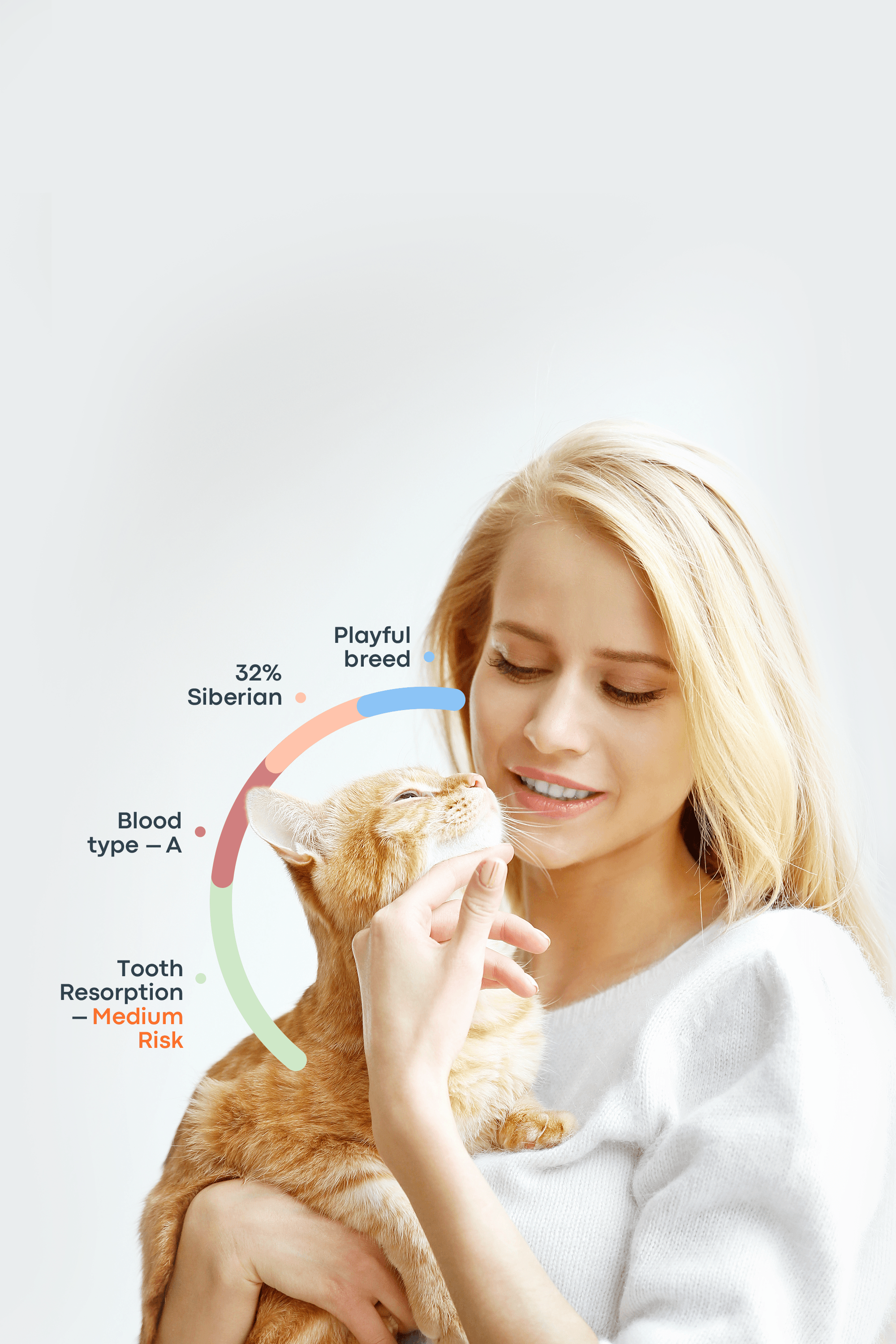
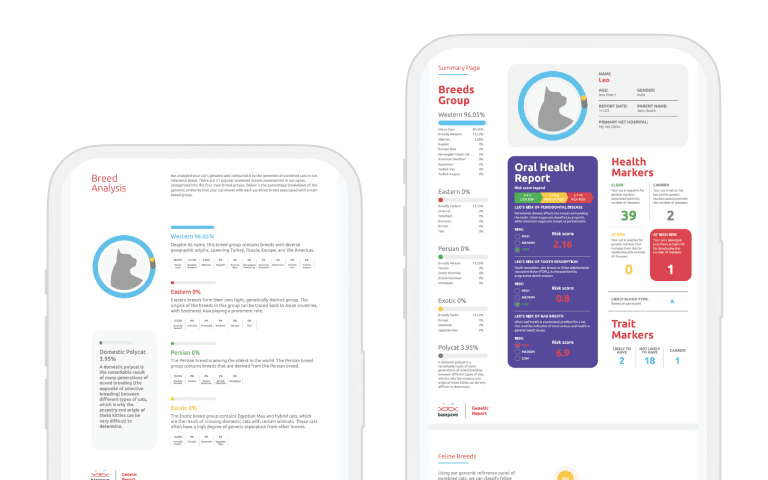
Enter your email to receive a sample cat report and preview the breed and health insights inside.