
Dog
Ear Mites in Dogs
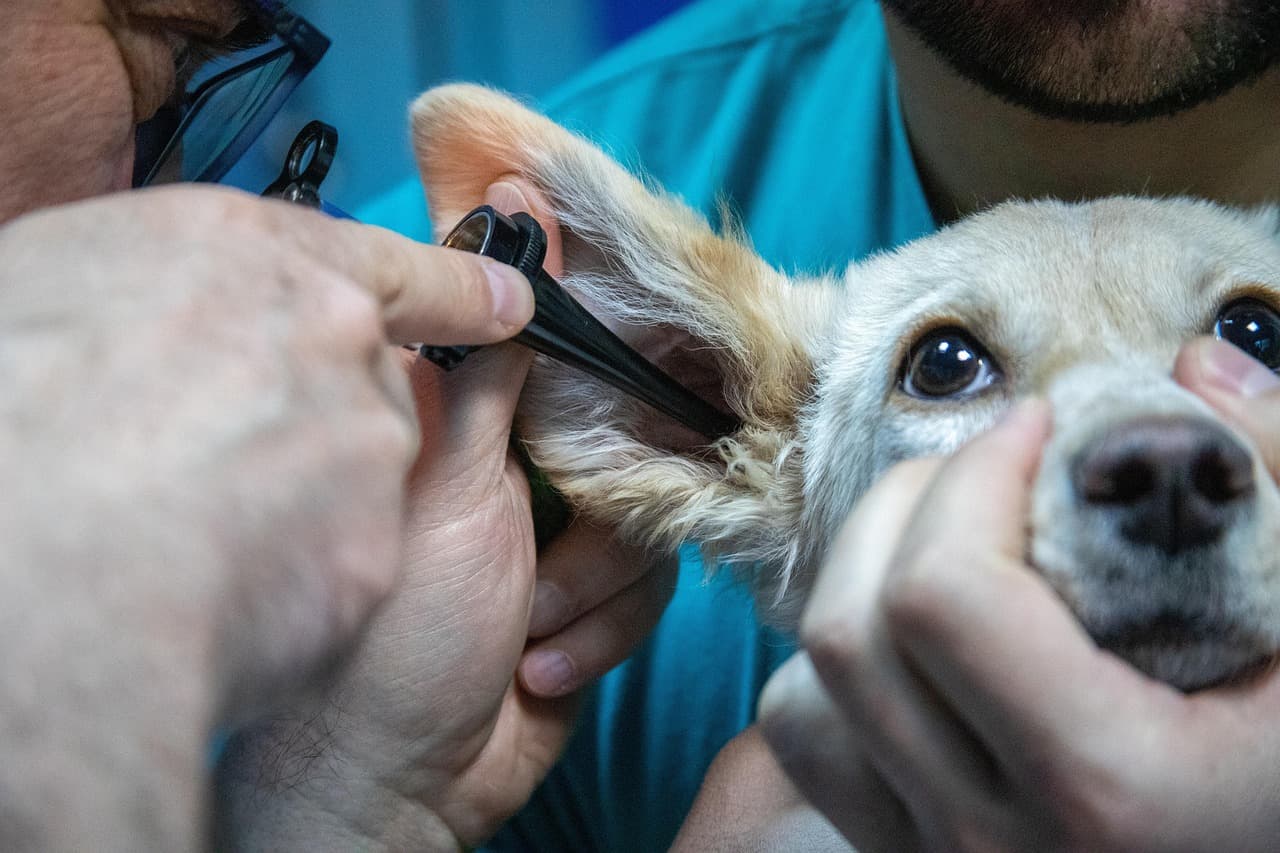
Ear mites in dogs are tiny parasites that cause itching, irritation, and discomfort. If left untreated, they can lead to painful ear infections. The good news is that they are treatable with the right care. This guide explains how to spot ear mites, treat them, and prevent them from coming back.
Read more


Top 200 Best Halloween Dog Names
Looking for a Halloween-themed name for your dog? Well, look no further as we’ve created a list ranging from creepy to cute and everything in between. When choosing a name for your dog, make sure it reflects their personality, and the Halloween spirit, it's timeless and unique and both you and your pup love it.
Read more
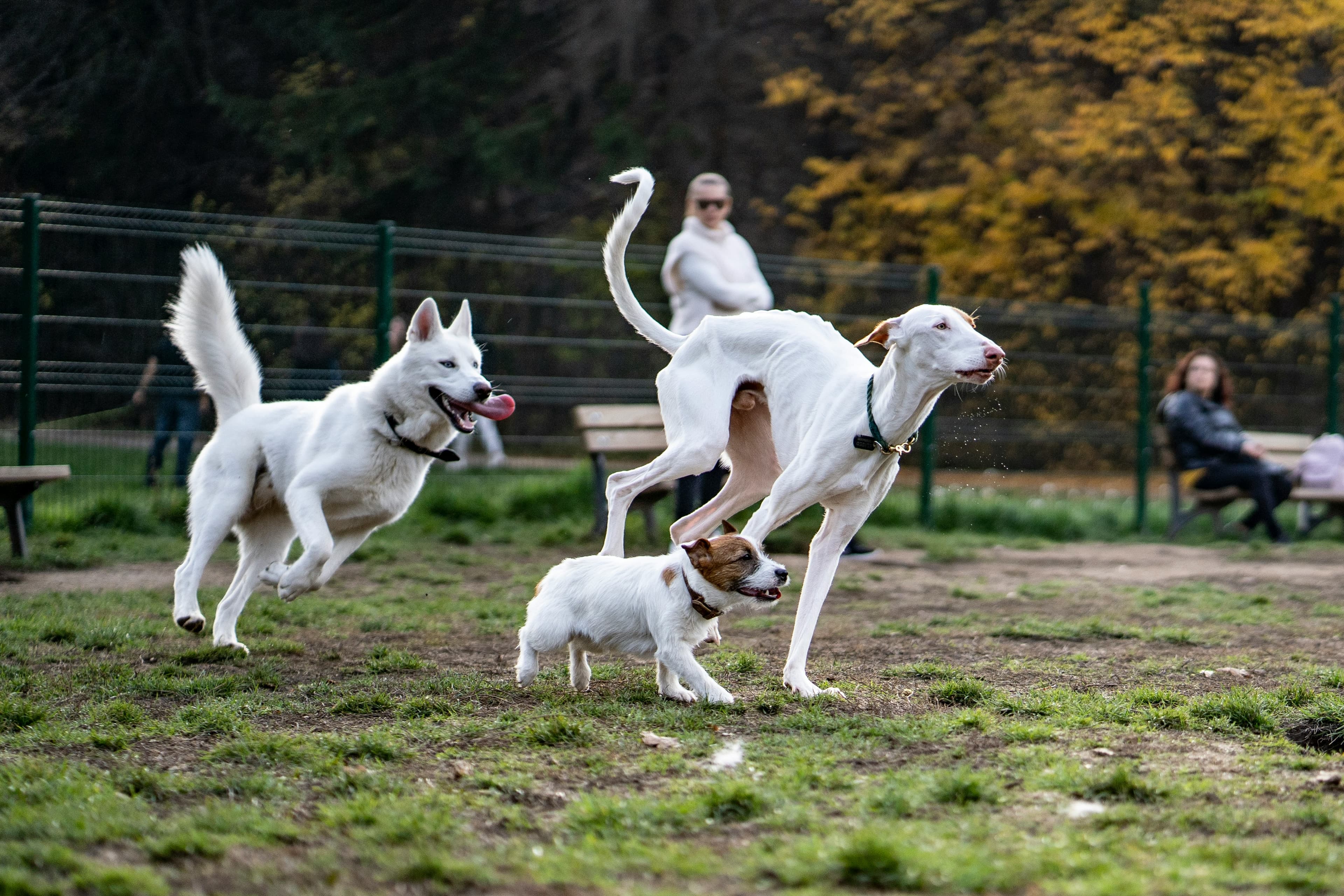
Why Do Dogs Hump?

Humping in dogs is a normal behavior caused by a variety of reasons, including stress or anxiety, playfulness, excess energy, attention-seeking, and dominance display. However, this behavior can even be related to a serious medical issue, which may require stopping it.
Read more
What Vegetables Can Dogs Eat?
What vegetables should your dog eat? How should you prepare them to be safe and healthy for your pup? If you’ve ever wondered which veggies are good for dogs and how to serve them properly, you’re in the right place. This article explores the best—and worst—vegetables for your dog’s diet, along with tips on preparation to keep your furry friend happy and healthy. Read on to discover all you need to know!
Read more
Vet Approved Homemade Dog Food Recipes
Interested in homemade dog food recipes vet-approved for your pup? Using trusted, veterinarian-approved sources is the best way to ensure your dog gets complete and balanced nutrition. Not sure where to begin? Read on for tips and guidance on how to make safe and healthy DIY dog food at home.
Read more
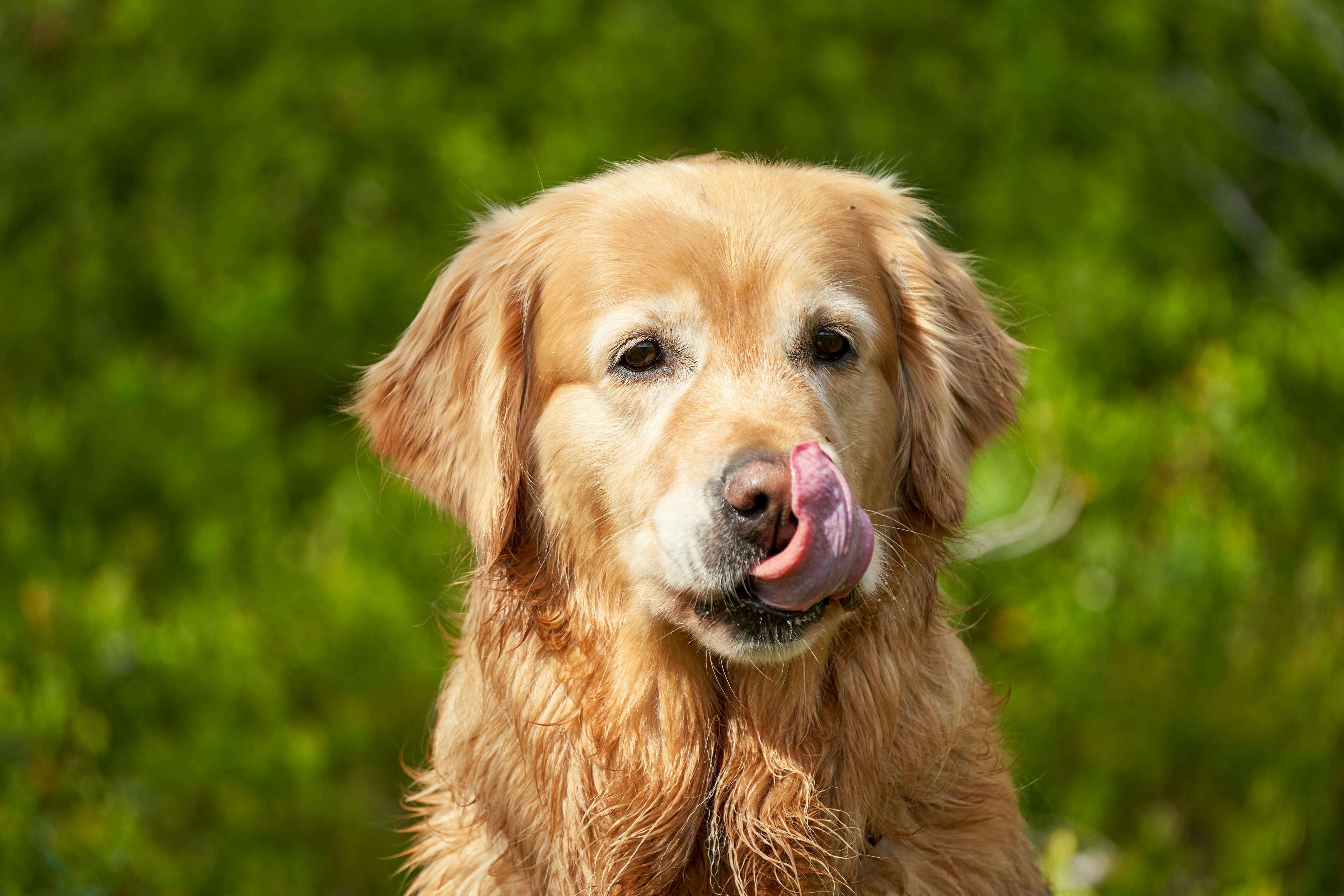
Dog Sneezing a Lot
An occasional sneeze is perfectly normal in dogs—but if it becomes frequent or intense, it could point to something more serious. From harmless irritants to underlying allergies or infections, excessive sneezing can have many causes. In this guide, we’ll explore why dogs sneeze, what’s considered normal, and what you can do to help minimize the sneezing.
Read more
Can Dogs Eat Dragon Fruit?
Many dog parents like to treat their pups with fruits because they are packed with nutrients and natural goodness. Dragon fruit is one such healthy option. When given in moderation, dragon fruit can be a tasty and nutritious treat for dogs.
Read more

Dog Suddenly Eating Grass Like Crazy
Many dog parents wonder, "Why is my dog eating grass like crazy?" The truth is, there's no one-size-fits-all answer. Sometimes, dogs eat grass to compensate for a nutritional deficiency. Other times, it might be due to boredom, anxiety, or simply to get your attention. In some cases, it’s just a natural behavior with no clear cause. Read on to discover the most common reasons why dogs eat grass — and when it might be time to consult your vet.
Read more