

Dog

Ear Mites in Dogs
Ear mites in dogs are tiny parasites that cause itching, irritation, and discomfort. If left untreated, they can lead to painful ear infections. The good news is that they are treatable with the right care. This guide explains how to spot ear mites, treat them, and prevent them from coming back.
Read more


Coconut Oil for Dogs
Discover how coconut oil can support your dog’s health and well-being. From improving digestion and managing weight to soothing itchy skin, learn the many benefits of coconut oil and how to safely incorporate it into your furry friend’s diet.
Read more

Why Do Dogs Lick You?
Ever caught your dog licking you and wondered what’s really going on? Those slobbery kisses can mean more than just affection. Dogs lick for several reasons — it can be a sign of love and bonding, a way to get your attention, or simply a habit that feels soothing to them. Understanding why your dog licks helps you respond the right way — whether that means enjoying the affection, redirecting the behavior, or checking for signs of stress.
Read more

Natural Flea Repellent for Dogs
Fleas are a common problem for pets, often leading to itching, skin irritation, and even allergic reactions. While chemical treatments can be effective at eliminating fleas, they may sometimes cause harsh side effects for dogs. As a gentler alternative, natural flea control methods can help keep pets comfortable and safe.
Read more
Glucosamine for Dogs

Glucosamine is a popular supplement for dogs that supports joint health, helping to reduce stiffness and improve mobility, especially in aging or arthritic pets. Available in various forms like chews, powders, and liquids, it’s often combined with chondroitin and MSM for enhanced benefits.
Read more
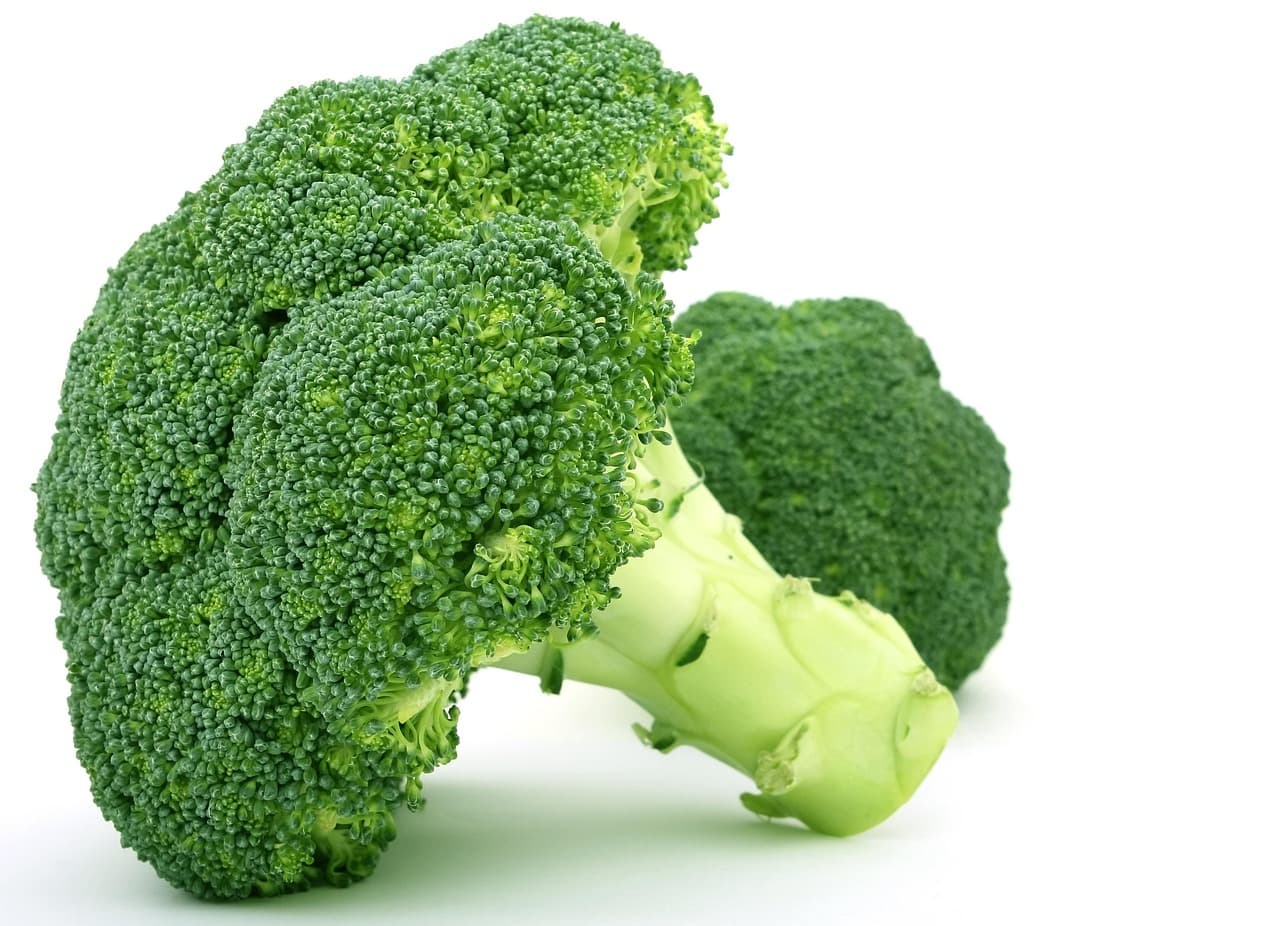
Can Dogs Eat Broccoli?
Broccoli is a crunchy, nutrient-packed vegetable many people love—but what about dogs? Can they enjoy it too? The answer is yes, but with a few precautions. While broccoli can provide dogs with valuable vitamins, fiber, and antioxidants, too much may cause stomach upset. Here’s what you need to know to safely share broccoli with your pup.
Read more
Why Do Dogs Wag Their Tails?
Have you ever wondered what your dog’s tail wagging really means? Dogs use their tails as part of their body language, and each wag can reveal something about how they’re feeling. From excitement and friendliness to nervousness or even caution, tail movements are one of the clearest ways dogs communicate with us. Read on to learn what different types of tail wagging might be telling you.
Read more
Dog Language Explained
Dogs may not be able to speak human languages, but that doesn’t mean they don’t communicate! Through their body language, expressions, and movements—especially their tails—they convey a wide range of emotions and messages. Today, we’re exploring the fascinating world of dog communication and what makes it so unique.
Read more
300+ Nerdy Dog Names
Is your dog clever, curious, or just a little bit nerdy? Then you’ll love our ultimate list of geek-inspired dog names drawn from science, video games, comics, and fantasy worlds. Whether you’re a Star Trek fan, a Pokémon trainer at heart, or a lover of classic superheroes, we’ve gathered plenty of fun and creative options. These names aren’t just quirky—they’re a perfect way to celebrate your passions while giving your pup a title as unique as their personality.
Read more