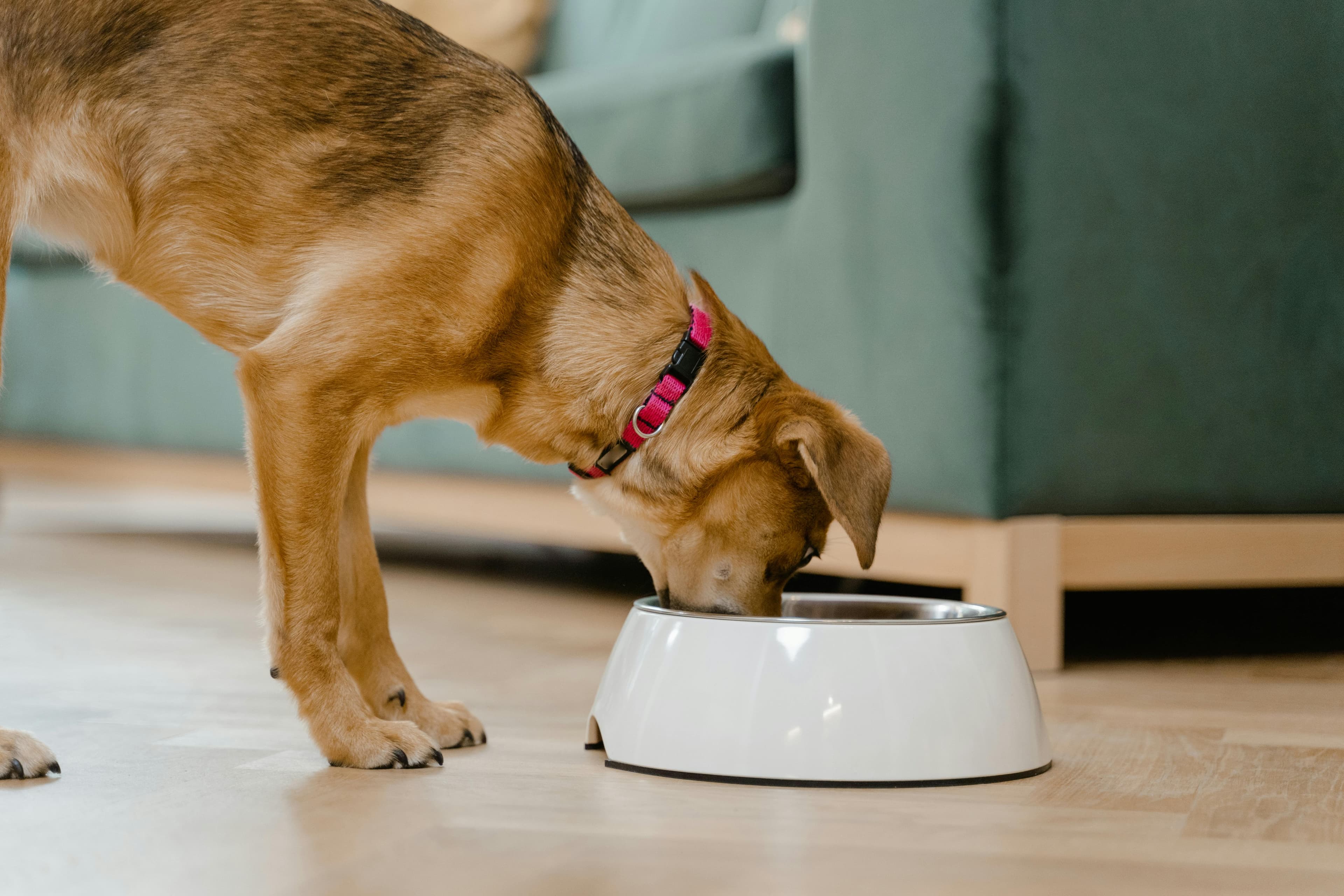

Dog
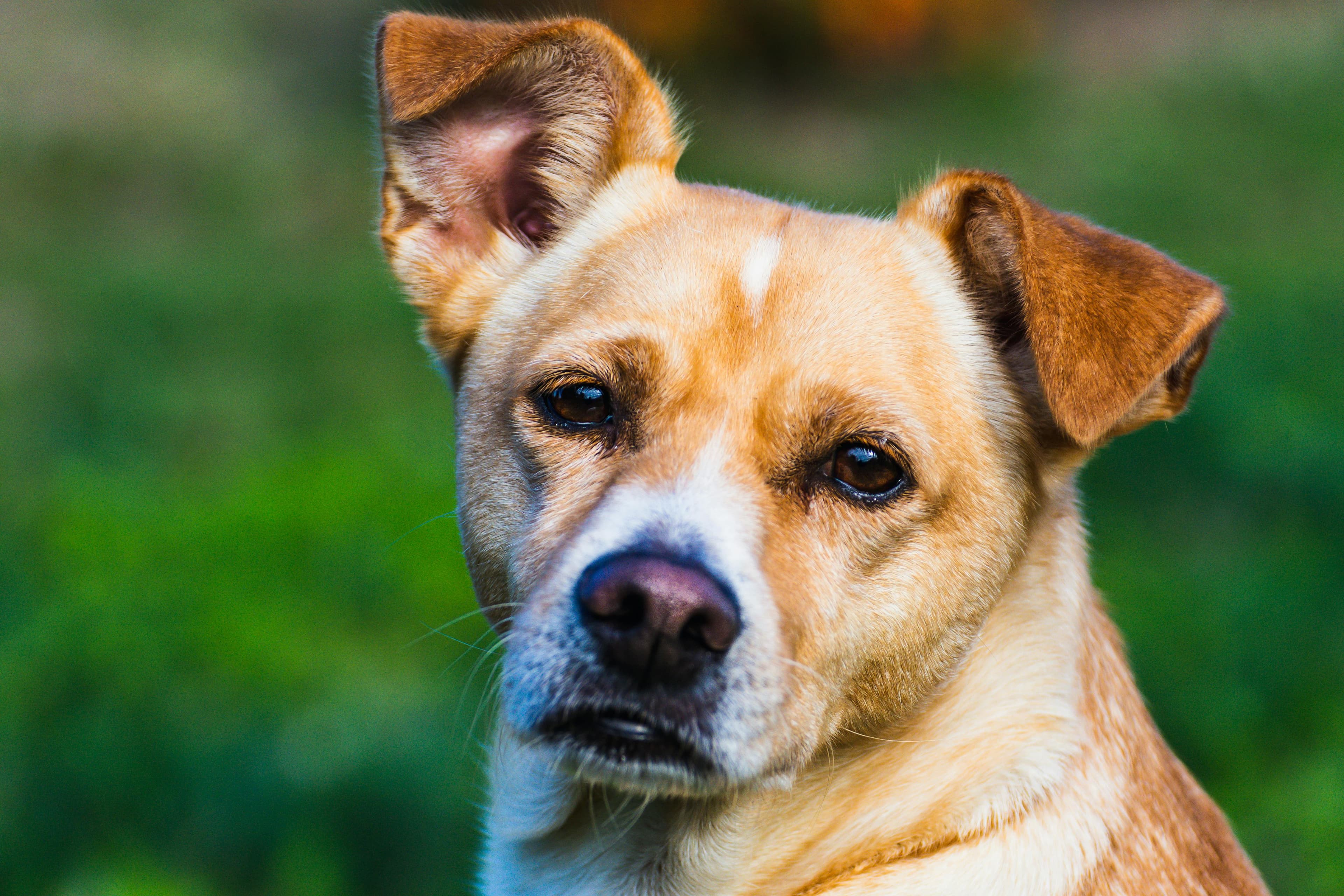
Ear Mites in Dogs
Ear mites in dogs are tiny parasites that cause itching, irritation, and discomfort. If left untreated, they can lead to painful ear infections. The good news is that they are treatable with the right care. This guide explains how to spot ear mites, treat them, and prevent them from coming back.
Read more


Dog Panting at Night
Dogs often pant to cool down after exercise or when they’re feeling warm, so seeing this during the day is usually normal. Panting at night, however, is less common and can be more noticeable, which is why it often worries dog owners. So why do dogs pant at night? Is it always a sign that something is wrong, and what can you do to help? Let’s take a closer look.
Read more

Dog Skin Diseases
Every dog owner should be familiar with the most common skin conditions that affect dogs. Skin problems can show up in many ways, including patchy hair loss, raised bumps, redness, blisters, or oozing rashes. This guide explains the most common causes of skin issues in dogs, how these conditions are typically treated, and when it’s important to see a veterinarian.
Read more

How to Get a Tick Off a Dog Safely
Ticks may be small, but they can pose serious health risks to dogs. They can transmit diseases such as Lyme disease and other infections, especially if they stay attached for several hours or days. For this reason, removing ticks as soon as you notice them is important—but it must be done correctly to avoid injury or infection. This guide explains how to safely remove a tick from your dog using tweezers or a dedicated tick removal tool, what to watch for after removal, and when it’s best to contact your veterinarian.
Read more

Is Vinegar Bad for Dogs?
Vinegar is not considered toxic to dogs, but it can still cause problems depending on how it is used. Some pet owners use diluted apple cider vinegar (ACV) or white vinegar as a home remedy or deterrent. This often raises the question: is vinegar actually safe for dogs? This article explains why vinegar for dogs is generally discouraged, outlines the few circumstances in which it may be used safely, and explores safer, dog-friendly alternatives that are more effective and less likely to cause irritation or discomfort.
Read more
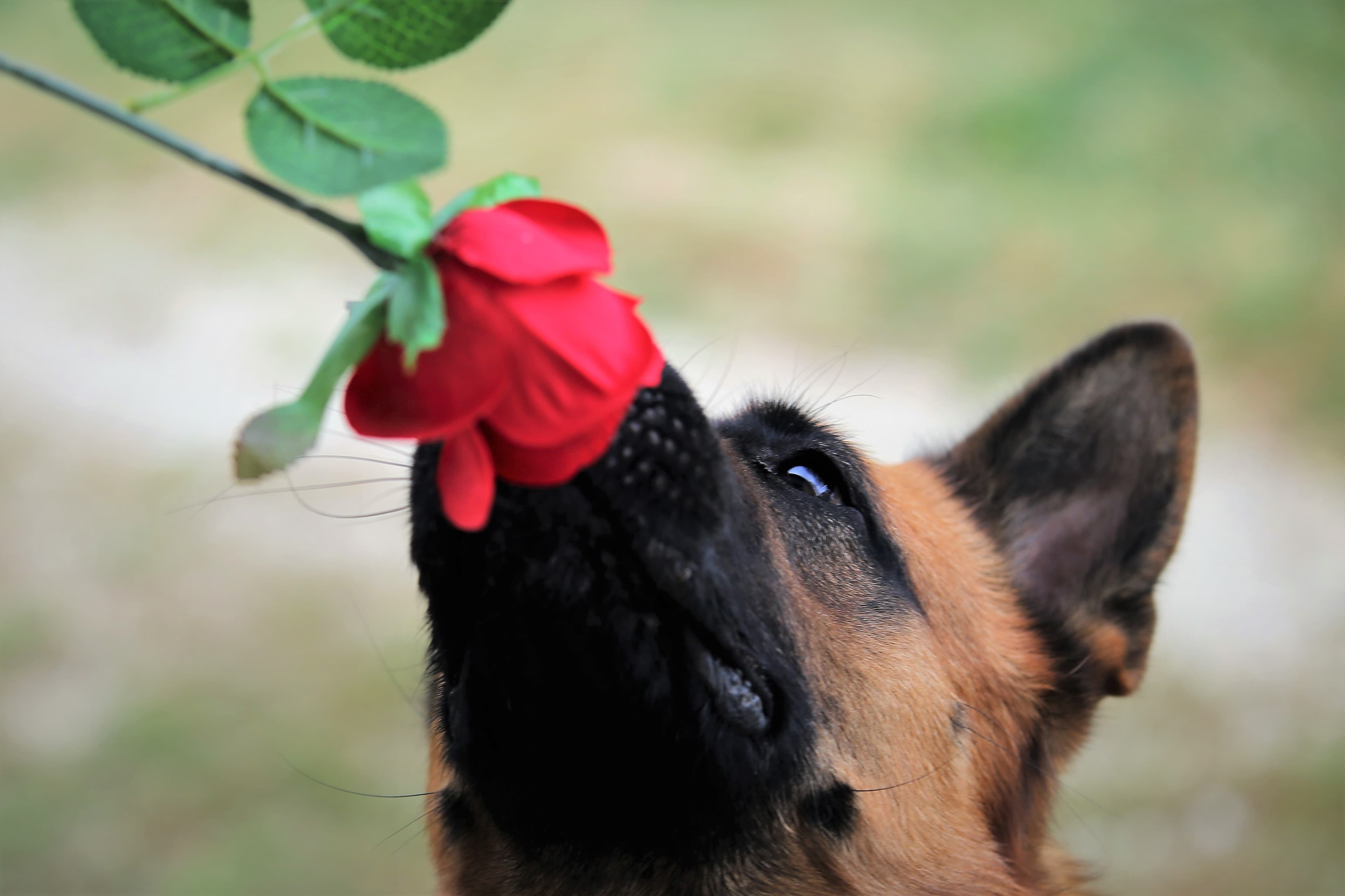
Why Are Dogs Noses Wet?
Have you ever wondered why your dog’s nose often feels cool and damp? Or questioned whether a wet nose actually means anything—and if a dry nose is something to worry about? This guide explains why dogs have moist noses, what’s considered normal, what can signal a problem, and how nose moisture plays an important role in supporting their health every day.
Read more

Dog Coughing
Dog coughing can range from a mild, temporary throat irritation to a sign of a more serious health issue, such as kennel cough, allergies, respiratory infections, or heart disease. Paying attention to the type of cough, how often it happens, and any other symptoms your dog may have is essential for identifying the underlying cause.
Read more

What Fruits Can Dogs Eat?

If you're thinking of offering fruit to your dog and wondering, “What fruits can dogs eat?”—many fruits are safe and healthy in moderation. Options like apples, bananas, watermelon, and mangoes contain nutrients beneficial to your canine companion. This article explores which fruits are safe for dogs, how to prepare them, and how much is appropriate to feed.
Read more
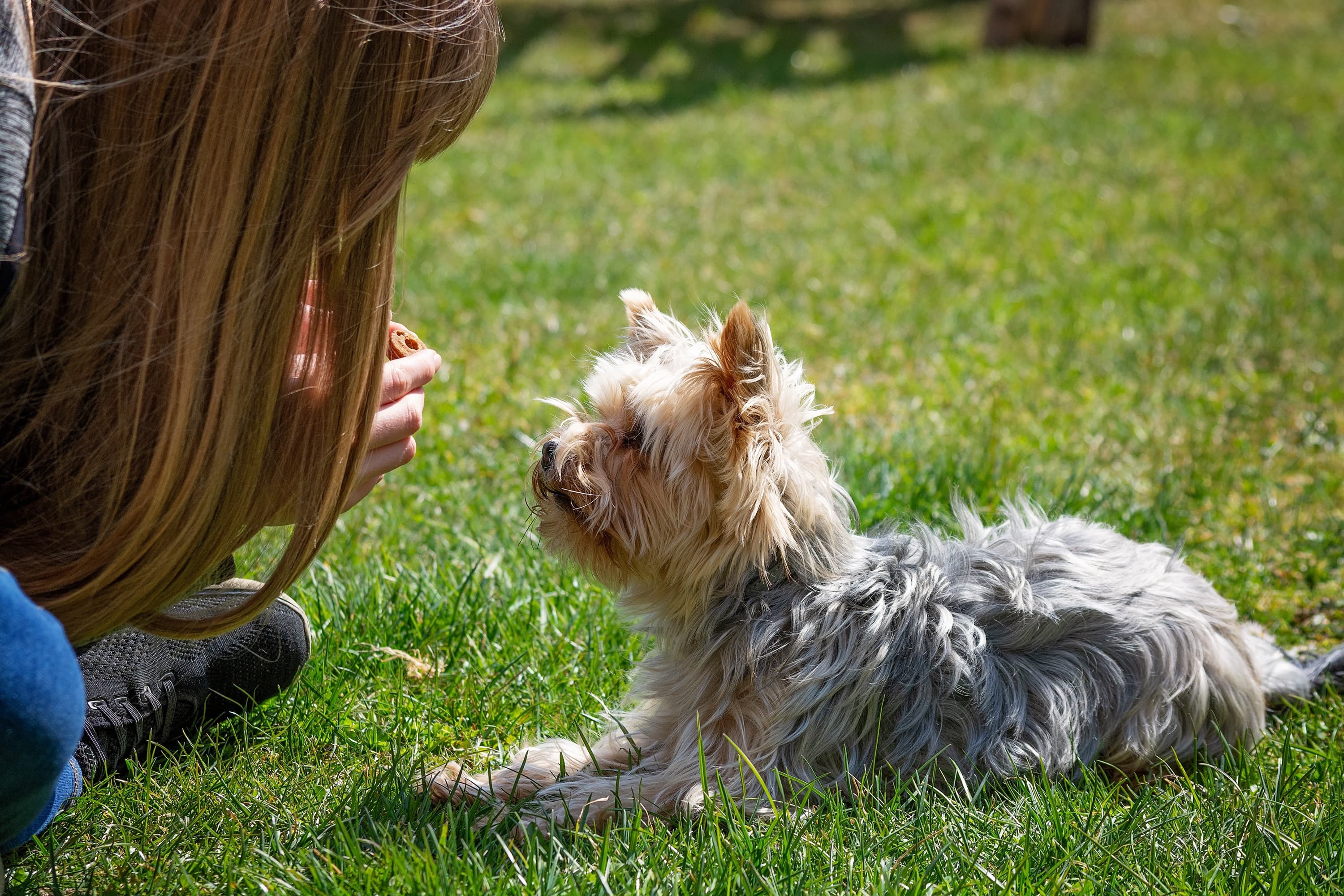
How Long Can Dogs Hold Their Pee?
The length of time a dog can hold their urine depends largely on their age and health. Adult dogs can typically hold their bladder for up to 8 hours, though this can vary depending on the individual dog and their water intake. Puppies, senior dogs, and dogs with certain medical conditions may need more frequent bathroom breaks. Understanding how long your dog can comfortably hold their urine can help you plan regular potty breaks and walks, keeping your pet healthy and happy.
Read more