

Dog

Ear Mites in Dogs
Ear mites in dogs are tiny parasites that cause itching, irritation, and discomfort. If left untreated, they can lead to painful ear infections. The good news is that they are treatable with the right care. This guide explains how to spot ear mites, treat them, and prevent them from coming back.
Read more



Can Dogs Eat Greek Yogurt?

Greek yogurt is packed with protein and probiotics—but is it safe for dogs? Can all dogs enjoy this thick, creamy treat? Before you share a spoonful with your furry friend, it’s important to understand both the benefits and potential drawbacks of feeding Greek yogurt to dogs.
Read more

Dog Anxiety
No one likes feeling anxious — but did you know your dog can experience anxiety, too? That’s right! Dogs can suffer from significant anxiety issues. This in-depth article explores the common causes, effective home remedies, and practical ways you can help your pet feel more at ease.
Read more

Lymphoma in Dogs
Lymphoma is not a single disease but a group of over 30 cancers that develop from white blood cells (lymphocytes). These cancers are classified by their location in the body, growth rate, and cell type. While lymphoma is rarely curable, it is highly treatable in dogs. This article covers the types, causes, treatment options, and prognosis of lymphoma in dogs.
Read more

Anemia in Dogs
Anemia in dogs occurs when the body has too few red blood cells or too little hemoglobin, which reduces the amount of oxygen delivered to tissues and organs. As a result, dogs may appear weak, tired, and have pale gums. In more severe cases, anemia can become a medical emergency. Recognizing the early signs and seeking prompt veterinary care can make a significant difference in recovery.
Read more
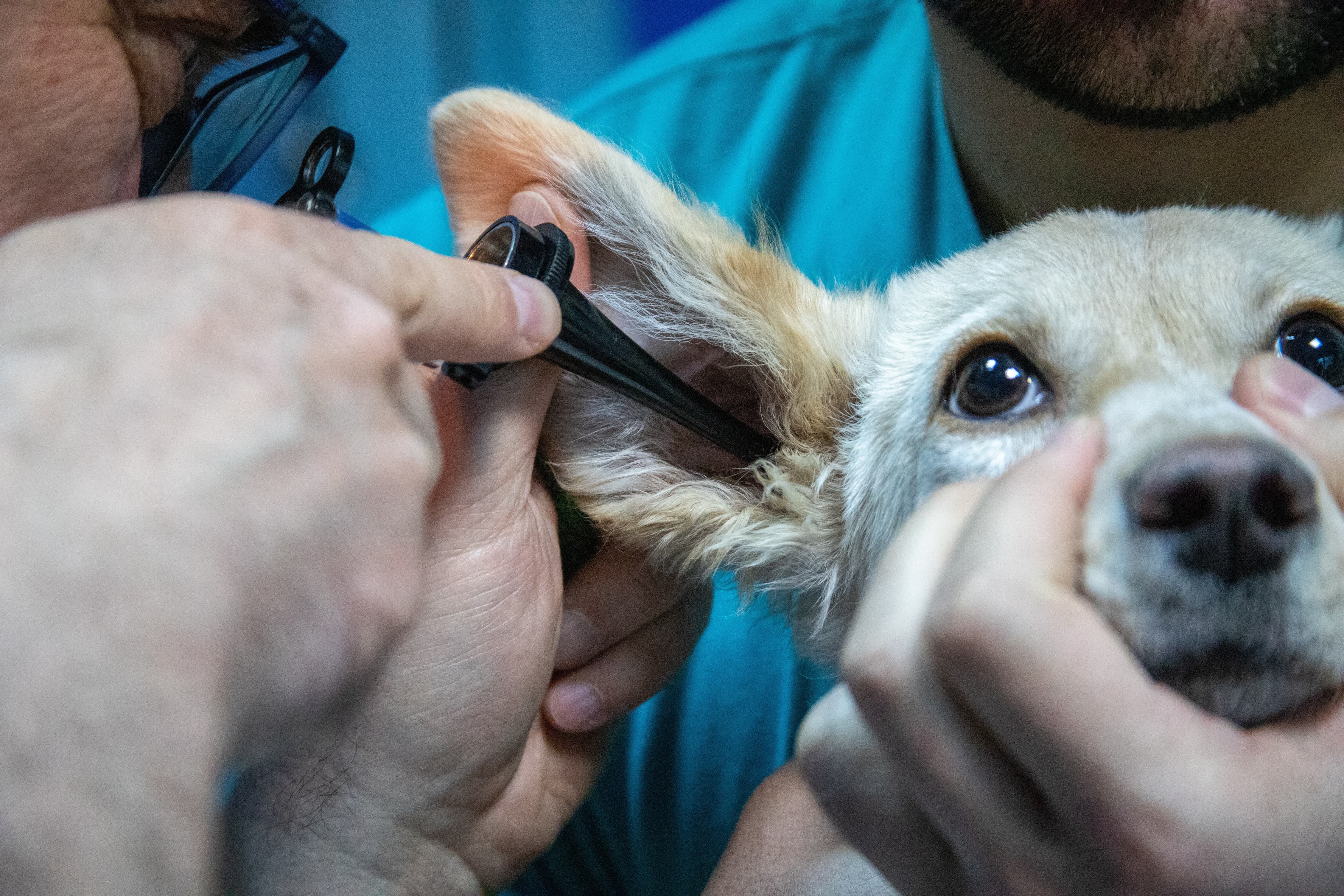
Can Dogs Get the Flu?
Yes, dogs can get the flu. In fact, canine influenza can spread quickly — especially in places where dogs spend time together, such as boarding facilities, dog parks, shelters, and grooming salons. In this guide, you’ll learn what causes canine influenza, the most common symptoms to watch for, and the treatment options available.
Read more
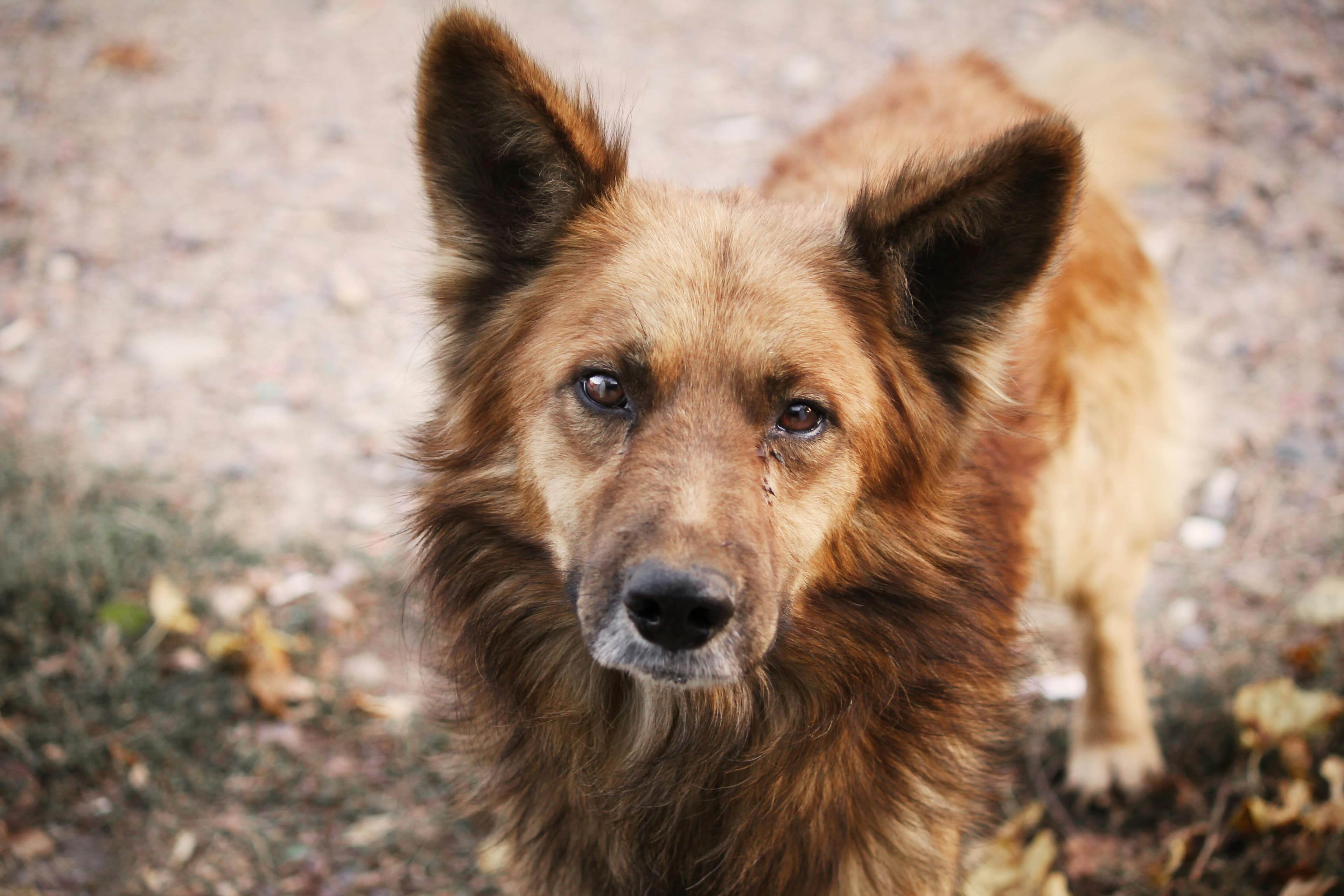
Dog Separation Anxiety Training
Dog separation anxiety training isn’t about forcing independence overnight. Instead, it focuses on helping your dog feel safe and secure when you’re not around. Effective training uses gradual departures, predictable and calm routines, and confidence-building exercises to reduce anxiety at its source. Pairing training with enough physical exercise, mental stimulation, and, in some cases, guidance from a qualified trainer or veterinarian can further improve outcomes and support long-term emotional well-being.
Read more

Cloudy Eyes in Dogs
Cloudy eyes in dogs can sometimes be a normal part of aging, but they may also signal underlying eye conditions such as cataracts, dry eye, glaucoma, or other serious eye diseases. Understanding what’s causing the cloudiness is essential for protecting your dog’s vision and overall eye health. This guide explains what cloudy eyes in dogs look like, which symptoms may be monitored or managed at home, and when it’s important to contact your veterinarian for an exam and treatment.
Read more

Short Spine Syndrome in Dogs
Short spine syndrome in dogs is an extremely rare congenital condition in which the spine develops abnormally, resulting in a noticeably shortened back and a very short or almost absent neck. This gives affected dogs a compact, distinctive appearance, often with the head appearing to sit directly on the shoulders.
Read more