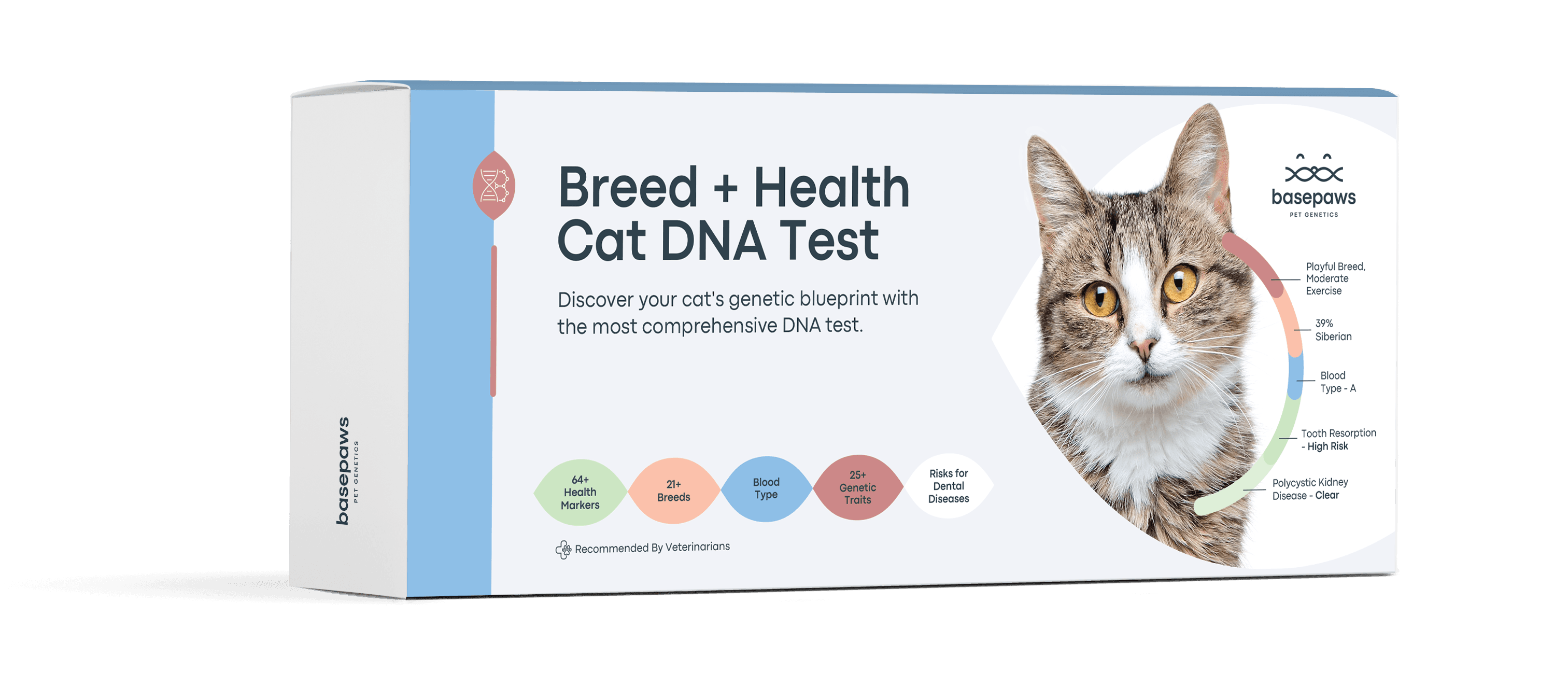
Don't know your cat's breed?
Get our DNA kit!
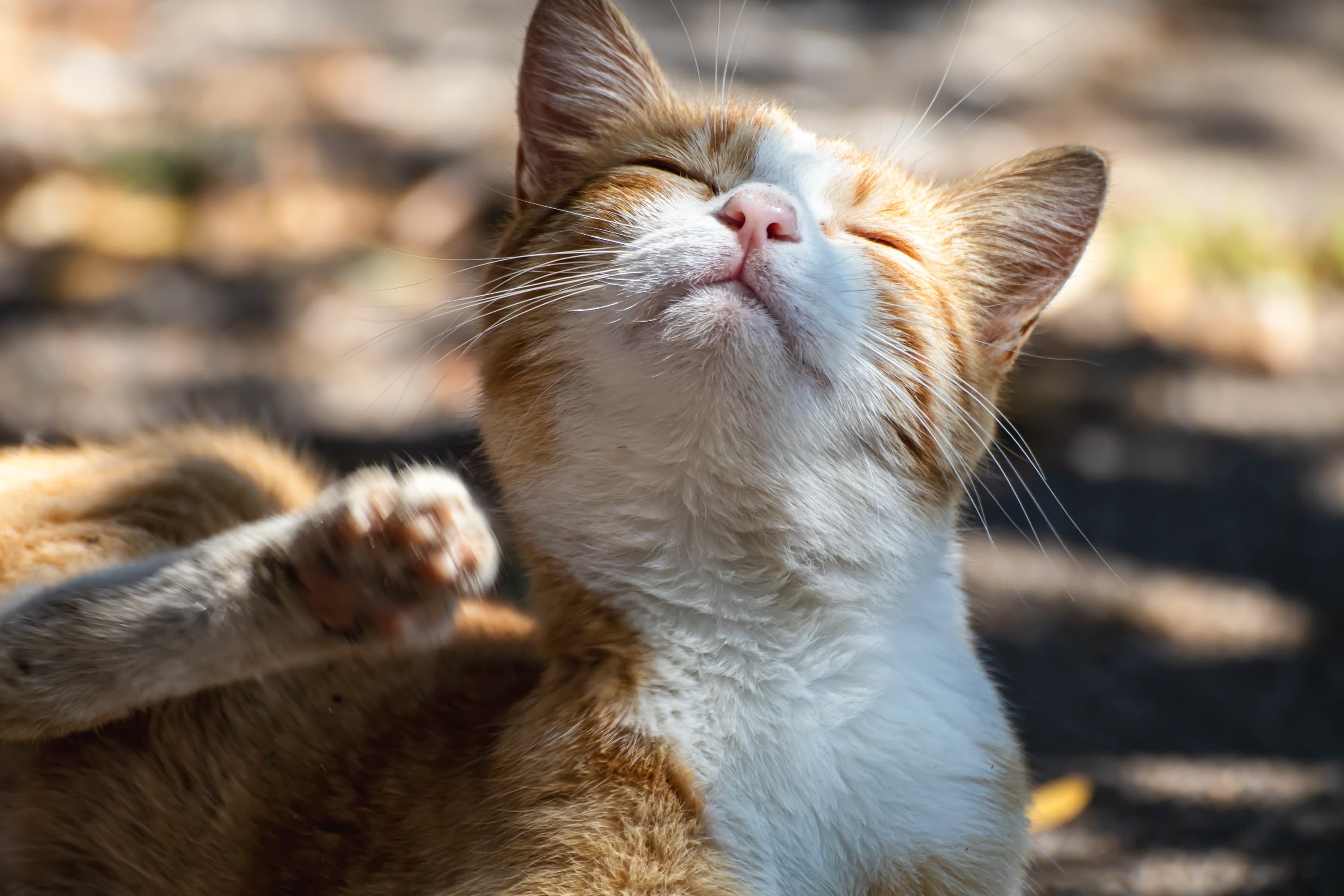
Fleas are more than just a minor annoyance—they can pose serious health risks for cats. From causing intense itching and irritation to transmitting diseases and triggering allergic reactions, these tiny pests can have a big impact on your cat’s well-being. But how exactly do cats get fleas, and is it possible for indoor cats to become infested? This guide explores the common ways fleas find their way onto cats, even those who rarely go outside, and offers practical solutions to eliminate them and prevent future infestations, keeping your feline friend happy and healthy.
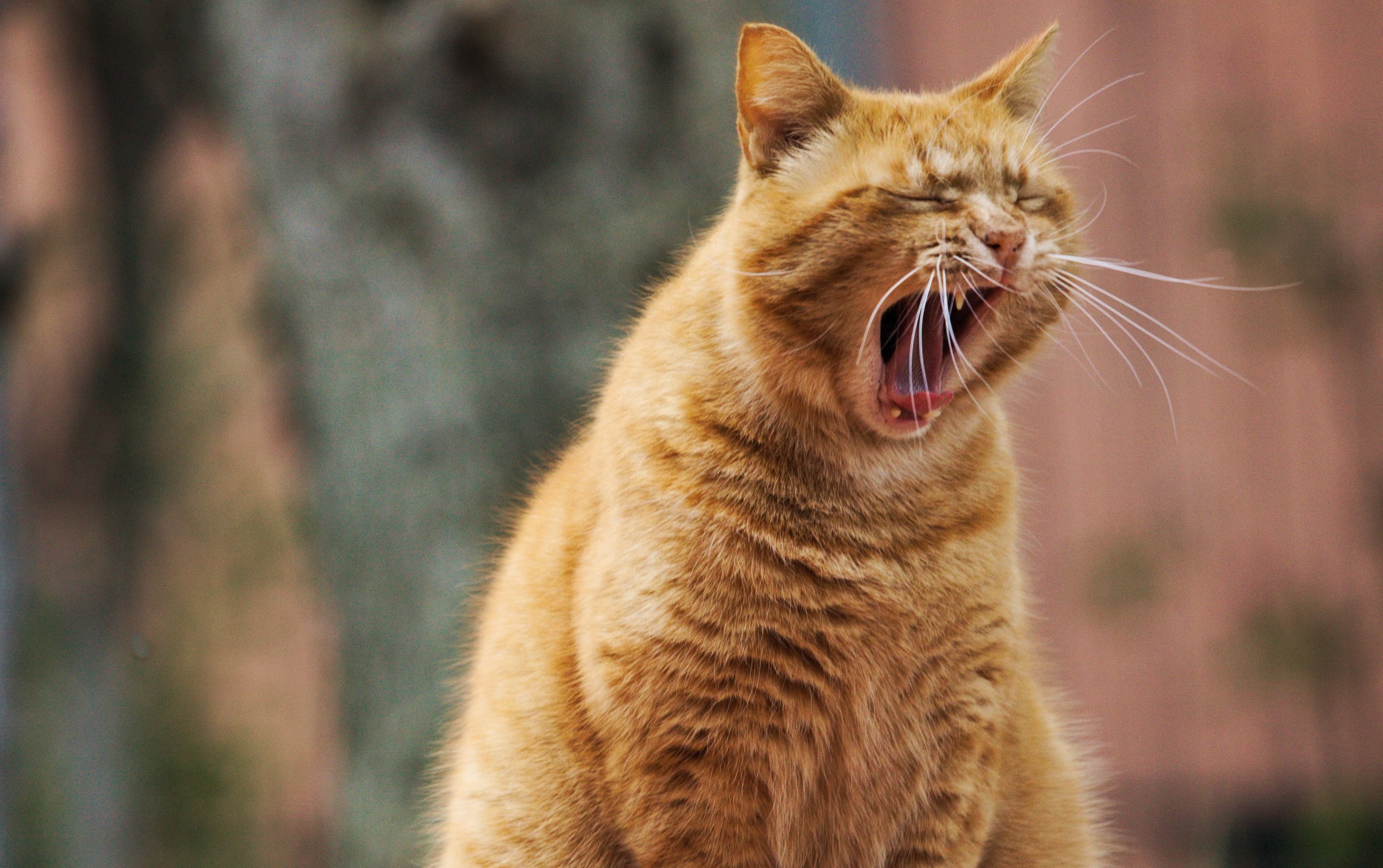
Cats may wheeze or cough for several reasons, ranging from mild to more serious. Sometimes it’s something harmless, like a dust allergy or a hairball they’re trying to expel. However, wheezing can also signal underlying issues such as asthma, respiratory infections, or even heart problems. Understanding when cat wheezing is normal and when it requires veterinary attention is important for your pet’s health.
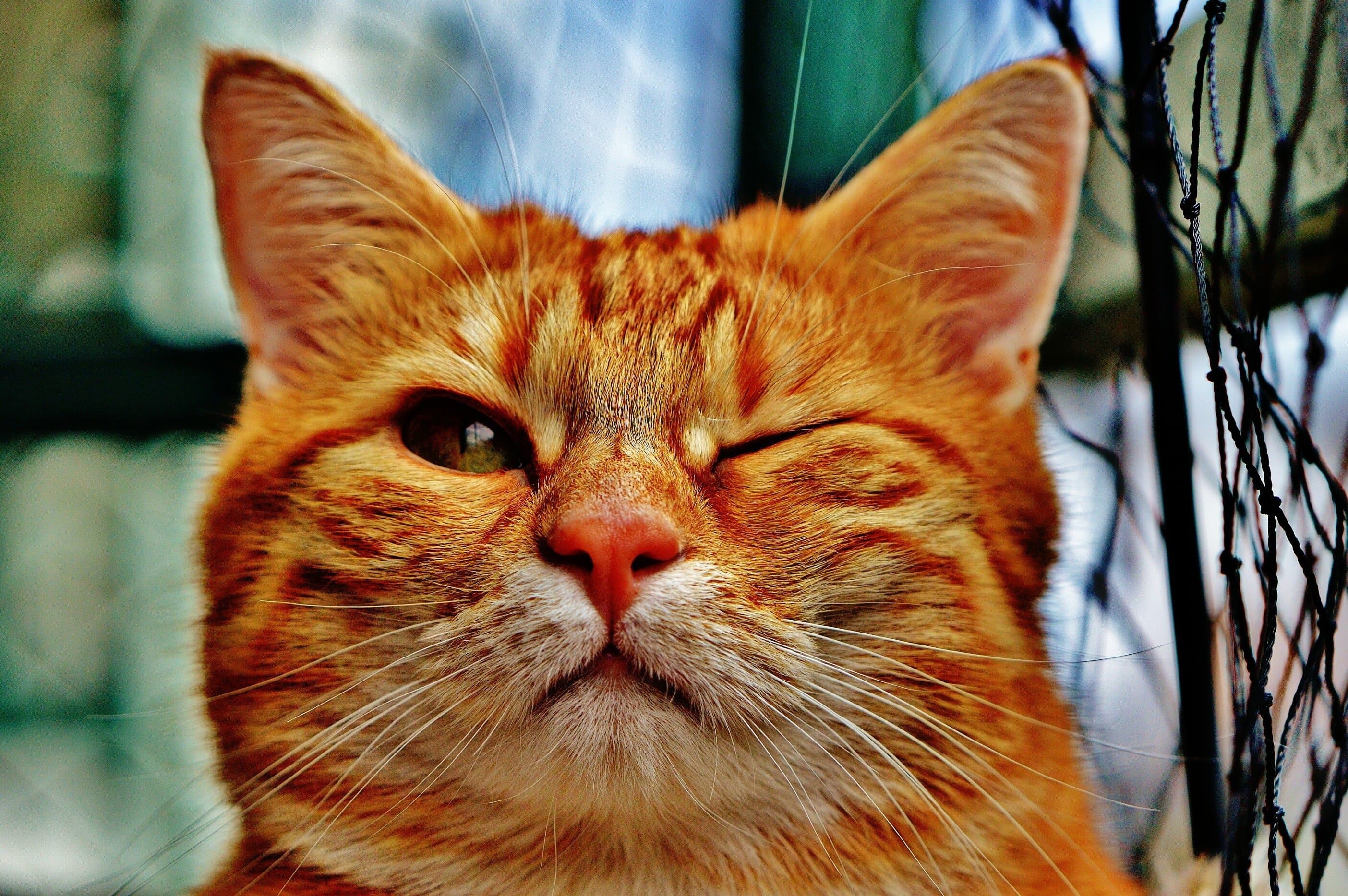
Cats may squint with one eye for several reasons, including eye pain, allergies, or as a form of visual communication with other cats. If your cat has been squinting in one eye, this guide may help you understand why.

Is oatmeal a healthy treat for your cat, or just an occasional indulgence? While it may offer some nutrients, there are important rules to follow to keep it safe and suitable for your pet. Here’s what you need to know about how oatmeal fits into a cat’s diet and when it’s best to avoid it.
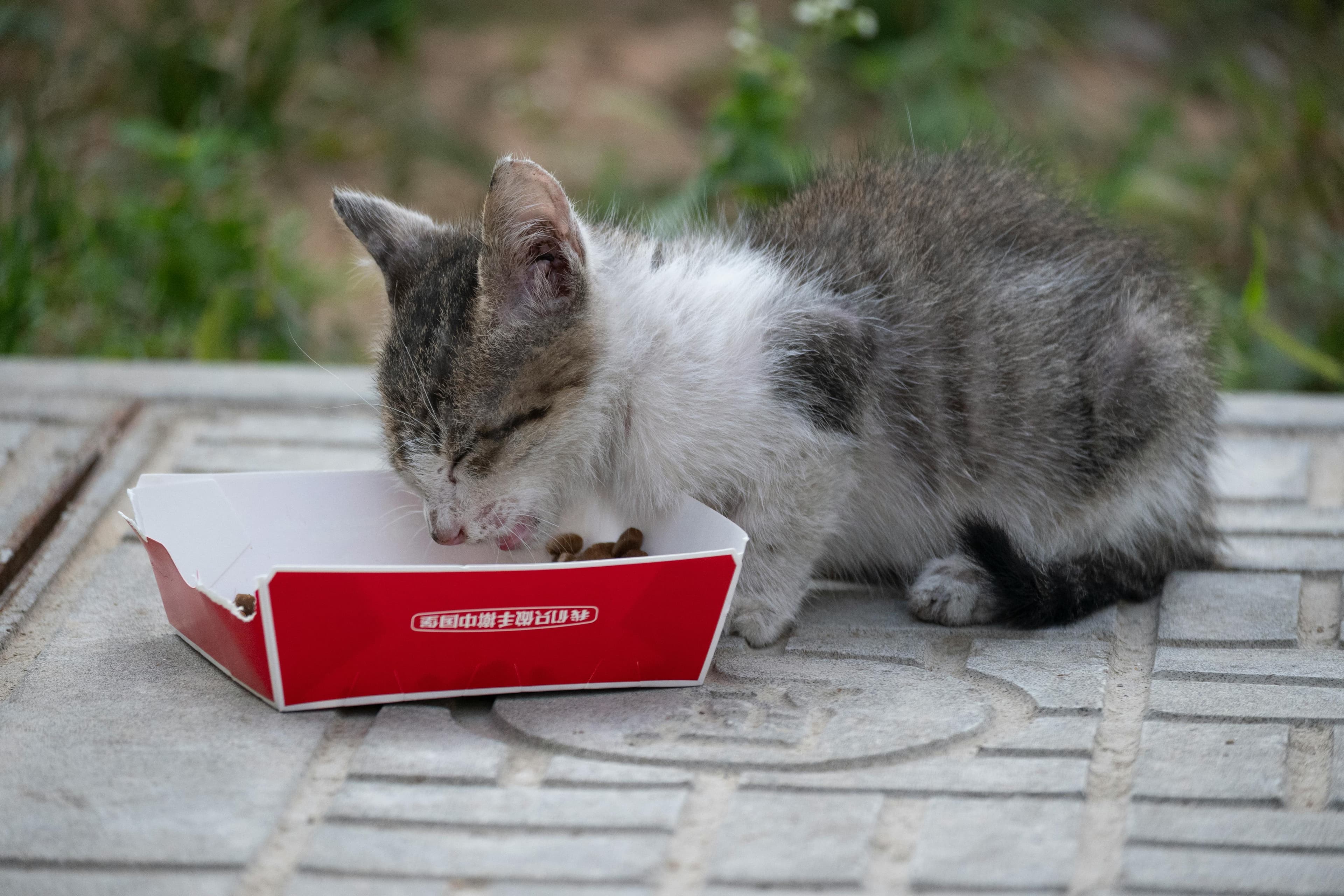
Caught your kitten nibbling your adult cat’s food and now wondering if they should? If this is happening occasionally, you don’t need to worry, but it is not recommended. Kittens’ nutritional needs are different from adult cats, which is why it is important to know if adult cat food is safe for them and when to switch to adult food.