
Cat
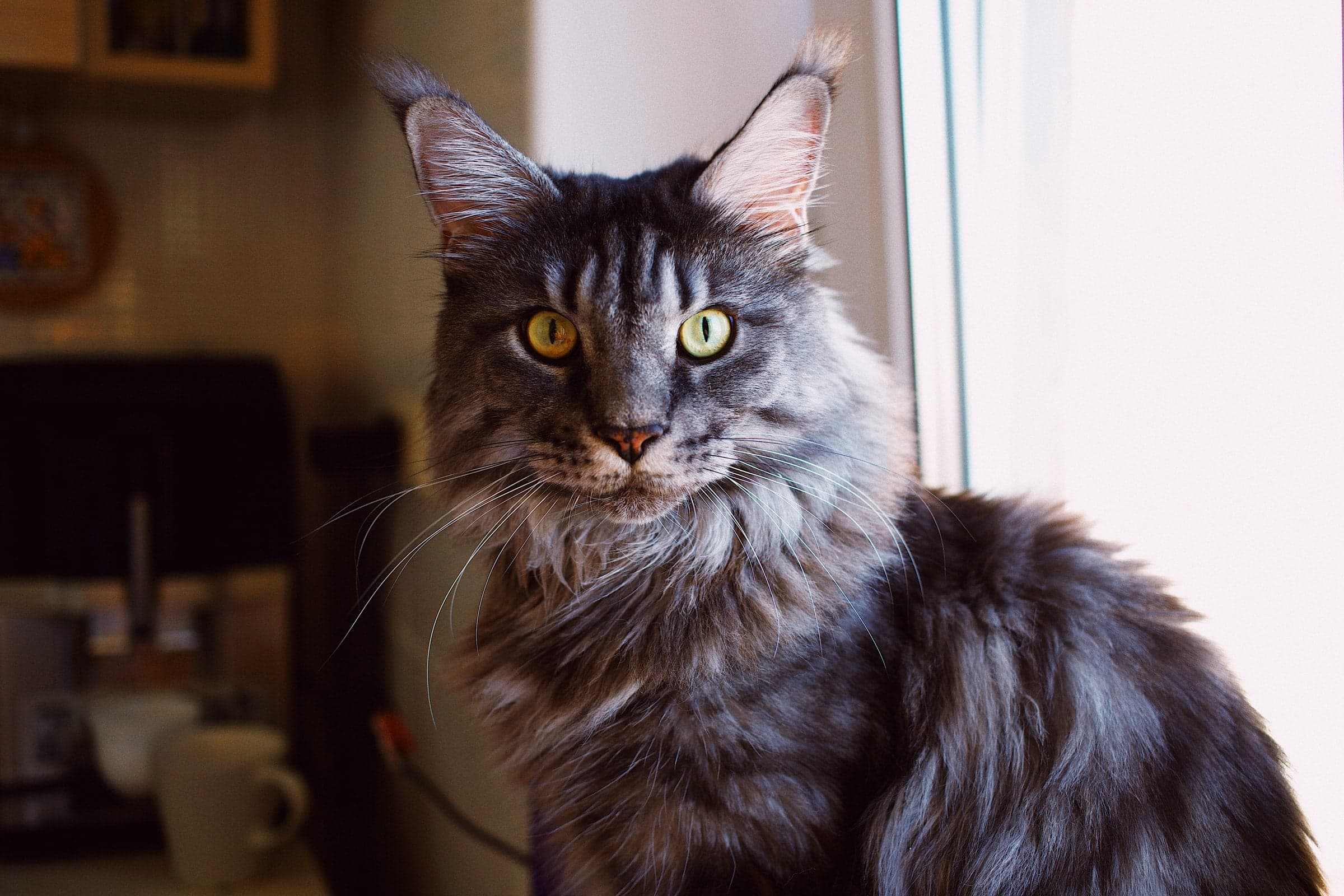
How Big Can Maine Coon Cats Get?
Maine Coon cats are one of the largest breeds of domestic cats in the world, with some males reaching up to 20 pounds or more when fully grown! Some believe that these cats originated in the state of Maine and are known as "gentle giants" due to their temperament and size. In this article, we will take a closer look at just how big Maine coon cats get.
Read more
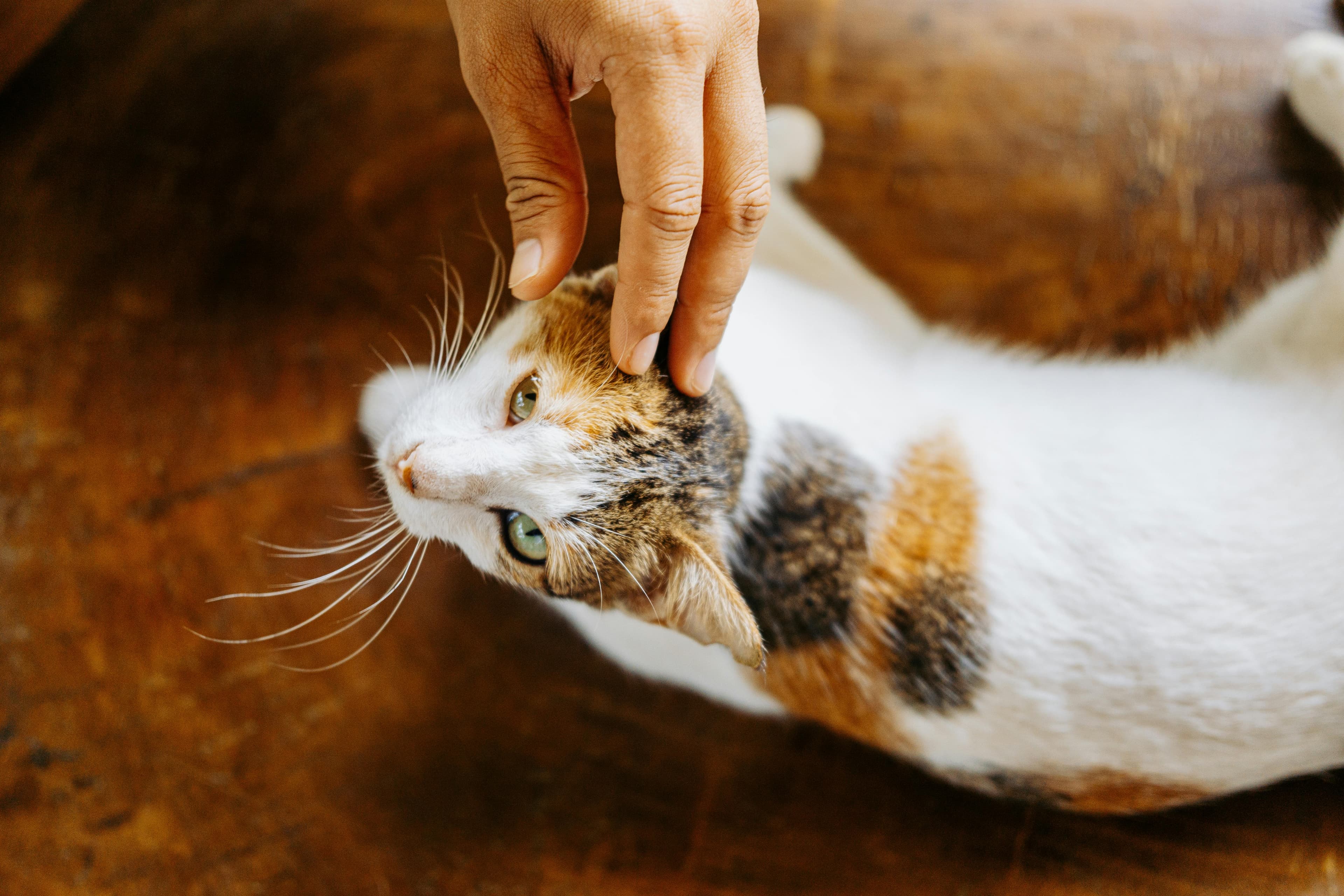
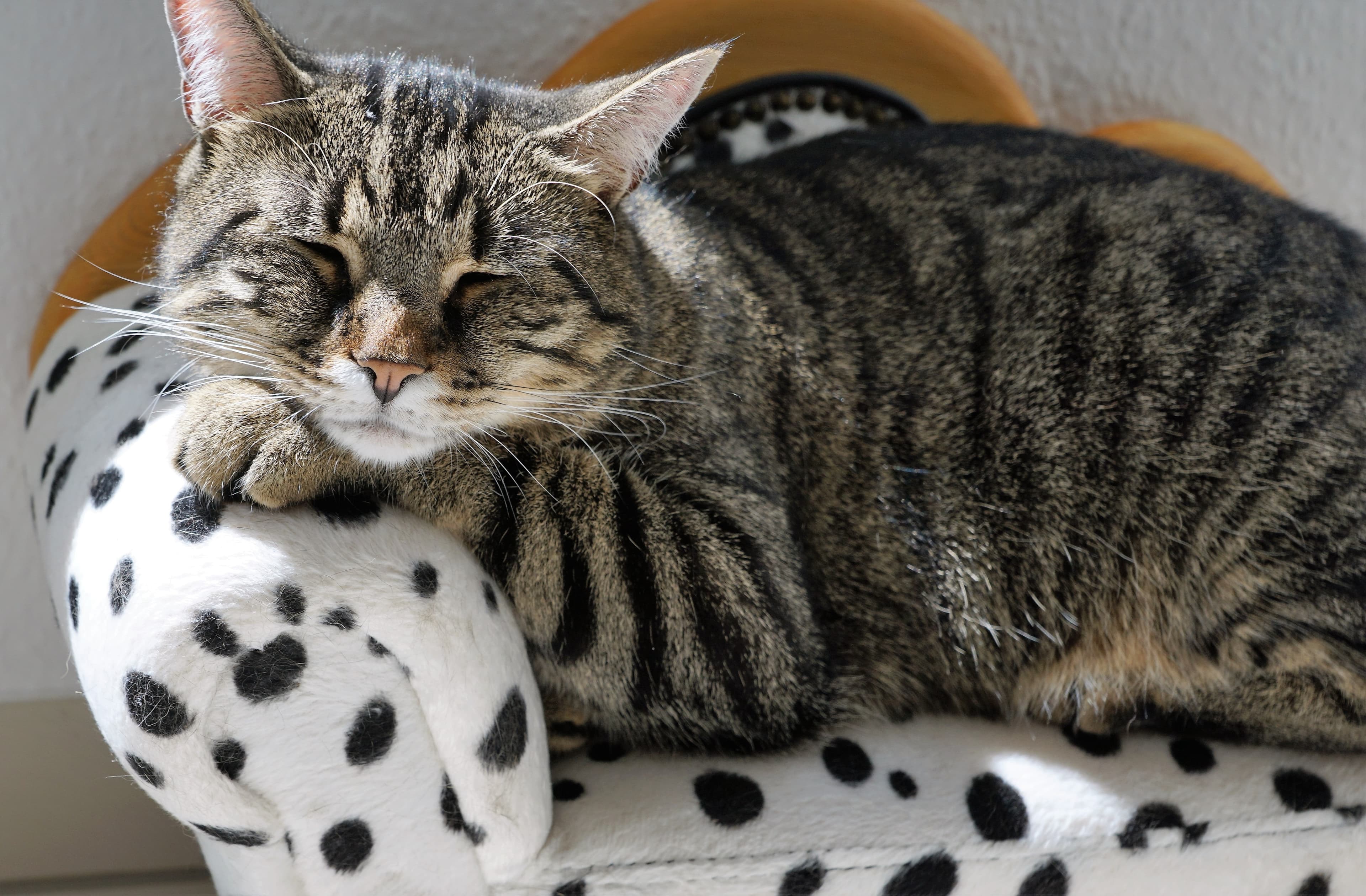
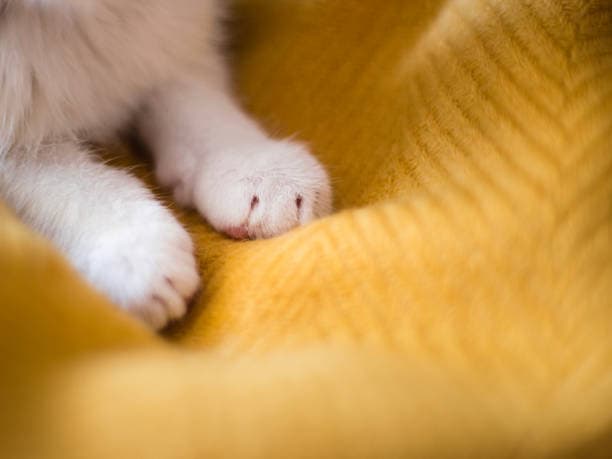
Why do cats knead?
Have you ever wondered why your feline friend pushes its paws against your lap or a soft blanket? It's a behavior known as kneading, and it's a sign of love and affection.
Read more

Why does my cat stare at me and purr
So, you’ve got in a situation where your cat tends to stare at you a lot, and you're tired of guessing what it means? To communicate with a person, cats often use not only voice and movements but also their eyes.
Read more
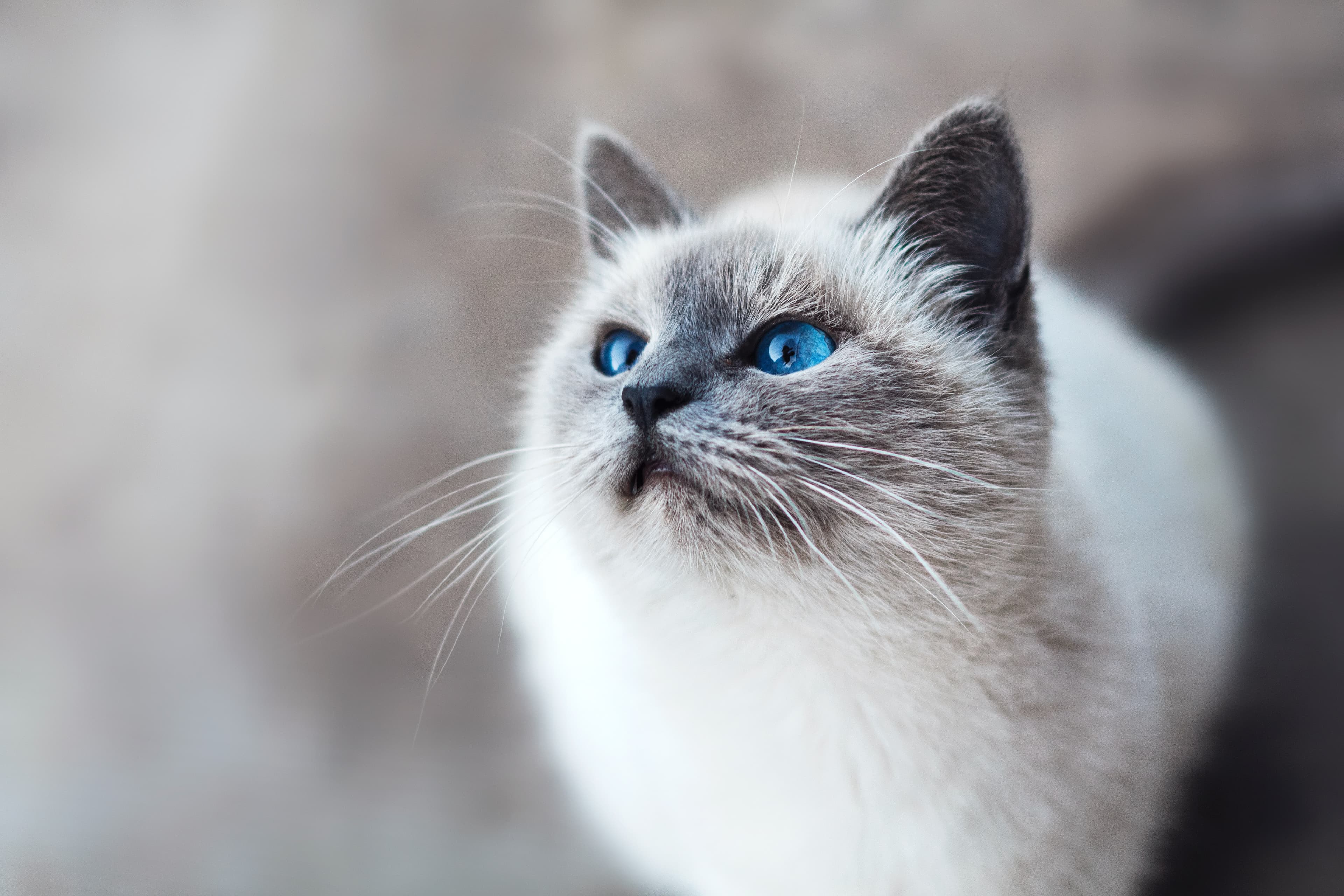
Cats' Color Vision: The top three colors they can see and why
Some time ago it was considered that felines do not really distinguish colors. Scientists back in time thought that cats can only perceive black-and-white gradients.
Read more
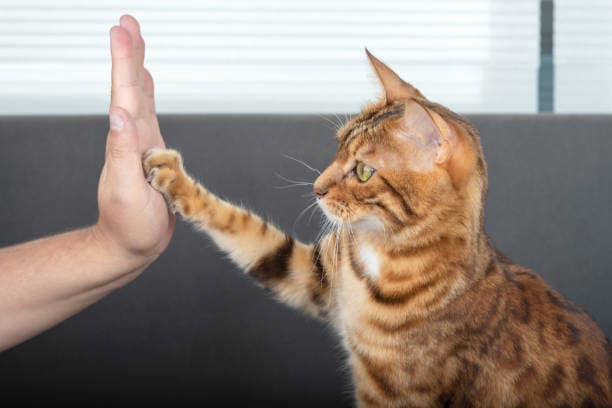
How to Read Your Cat's Body Language?
Cats communicate through a variety of body language cues such as tail position, ear movement, eye gaze, and fur texture. Understanding these cues can help us better interpret a cat's mood and intentions. For example, a relaxed cat may have a loose tail and relaxed ears, while a dominant cat may have a straight, upright tail and forward-facing ears. Additionally, a cat's behavior such as lying down or sitting can also indicate their state of mind. Understanding cat body language can improve communication and strengthen the bond between cat and owner.
Read more
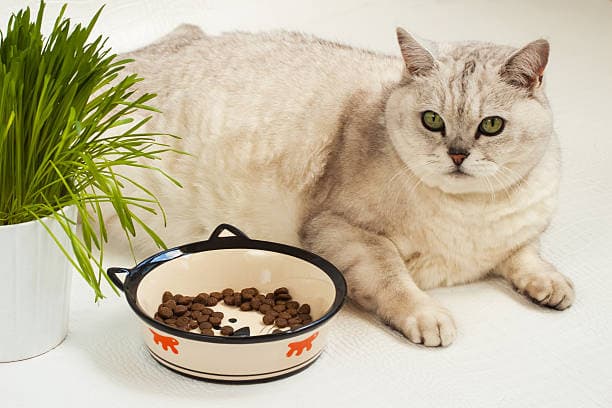
How heavy should my cat be
Weight is one of the most important indicators of a cat's health. If a cat becomes too heavy or too thin in its adult years, this can signal a malfunction in the body or indicate the need for a change of lifestyle and diet.
Read more
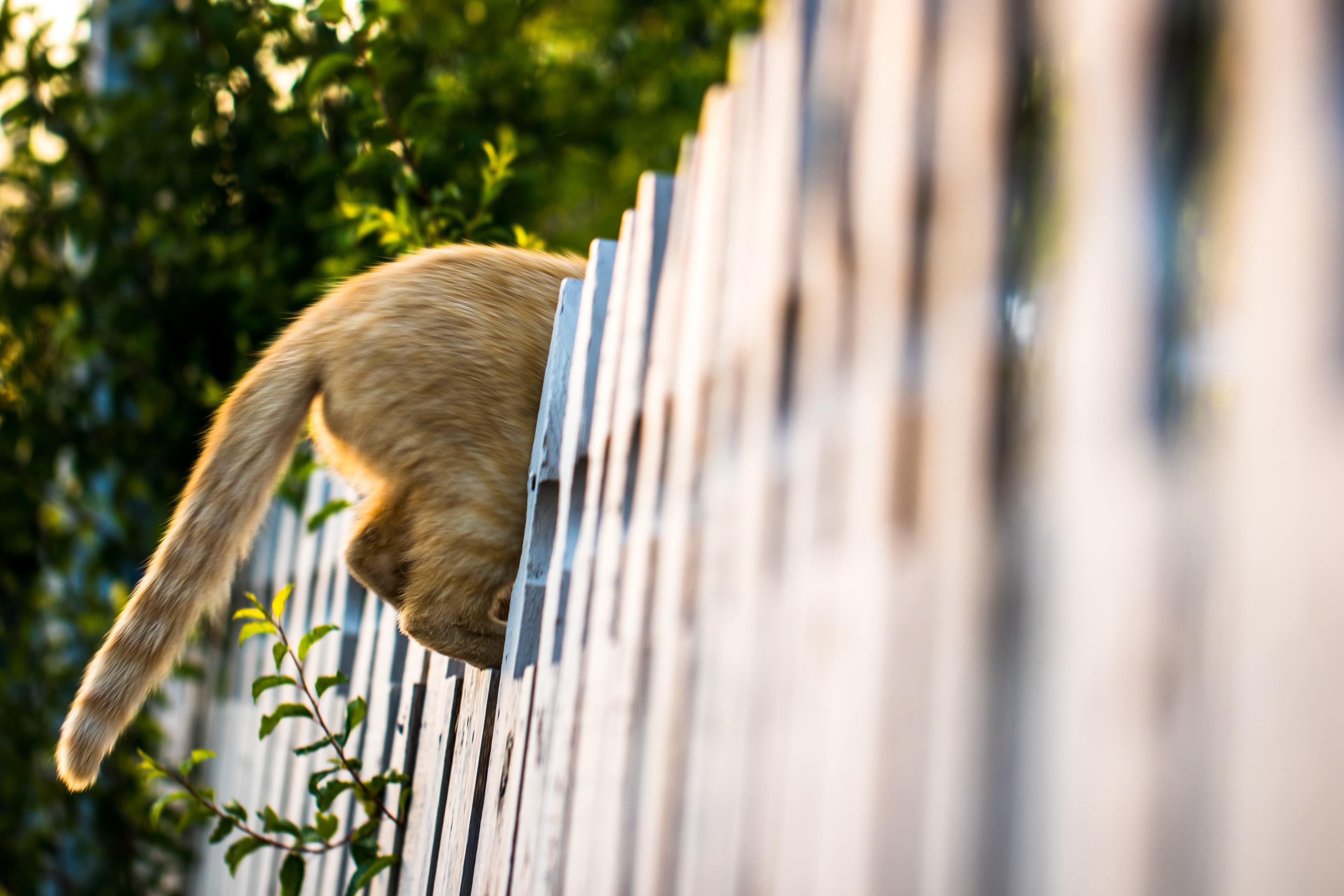
Why do cats have tails?
Cats are mysterious creatures and often can seem to want to keep us guessing. One of their many mysteries is the question, why do cats have tails? It is widely known that cats have tails, and not all animals do. It's even harder to comprehend how they are unique to cats and their purpose in a cat's life.
Read more

Can cats eat catnip?
If you own a cat, there's a good chance that he or she has already shown an interest in catnip. You may have even seen your feline friend rolling on the floor, licking the carpeting, or rubbing his face against something covered in this herb. The plant is also popular with other animals, such as rabbits and guinea pigs. It's been used to produce clothing and toys for these animals. Catnip can be toxic to other animals if ingested in large quantities, so it should not be given to them without explicit instructions from the vet. Catnip is mostly grown in open fields, but it can also be propagated indoors using seeds or cuttings from plants.
Read more
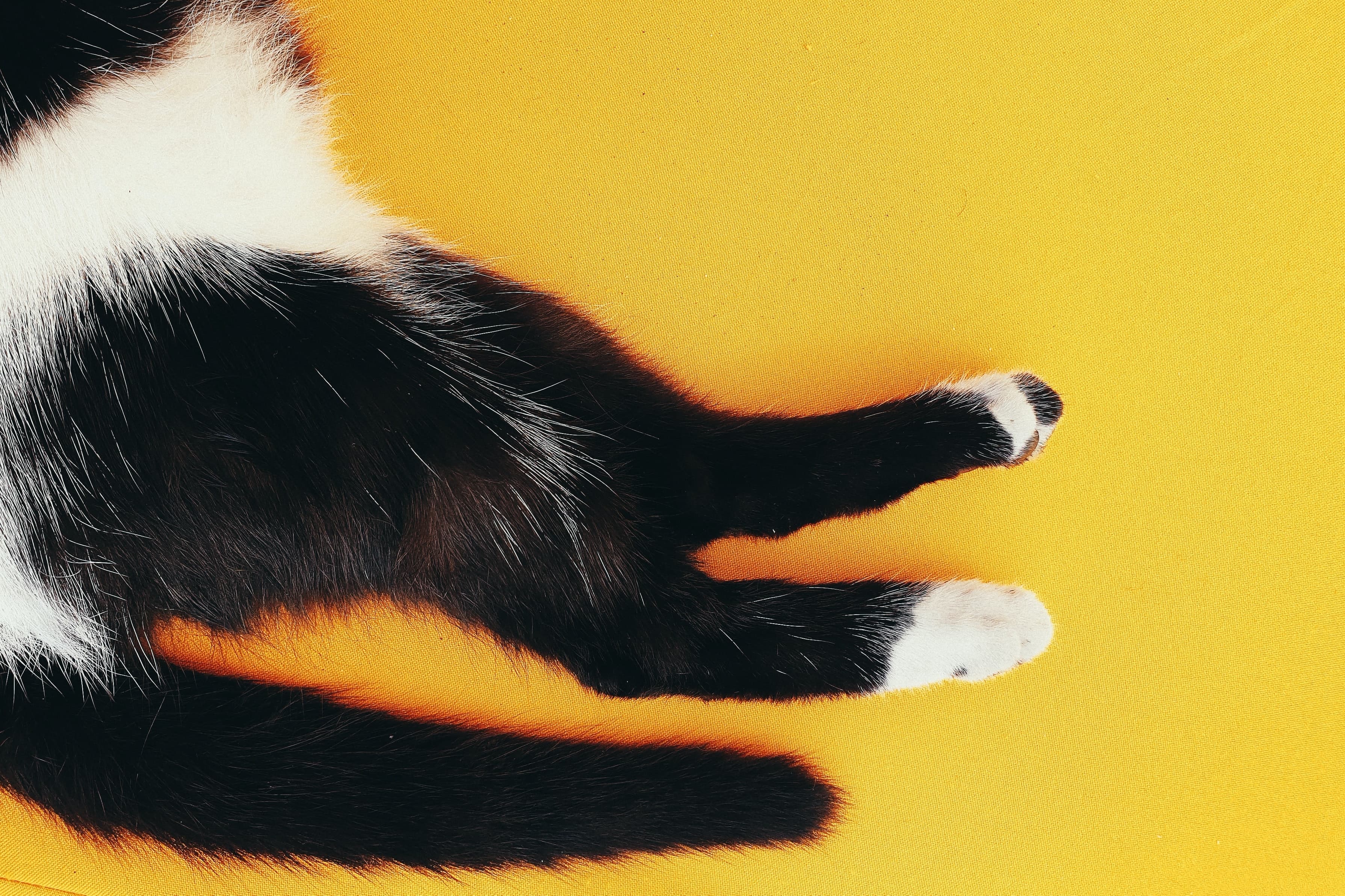
How to Read Cat-Tail Signals: A Guide to Your Feline's Body Language
Cats talk to each other in many different ways, including through body language, sounds, and even smells that humans can't notice. Despite all the talking, cats are still a mystery because they seem so independent.
But it's not hard to figure out several basic things about a cat's mood by looking at how her tail is positioned. Once you know what your cat is thinking, you can really improve your connection with her. This article will examine what the cat tail signals tell you and how you may respond to them.
Read more