
Dog
Ear Mites in Dogs
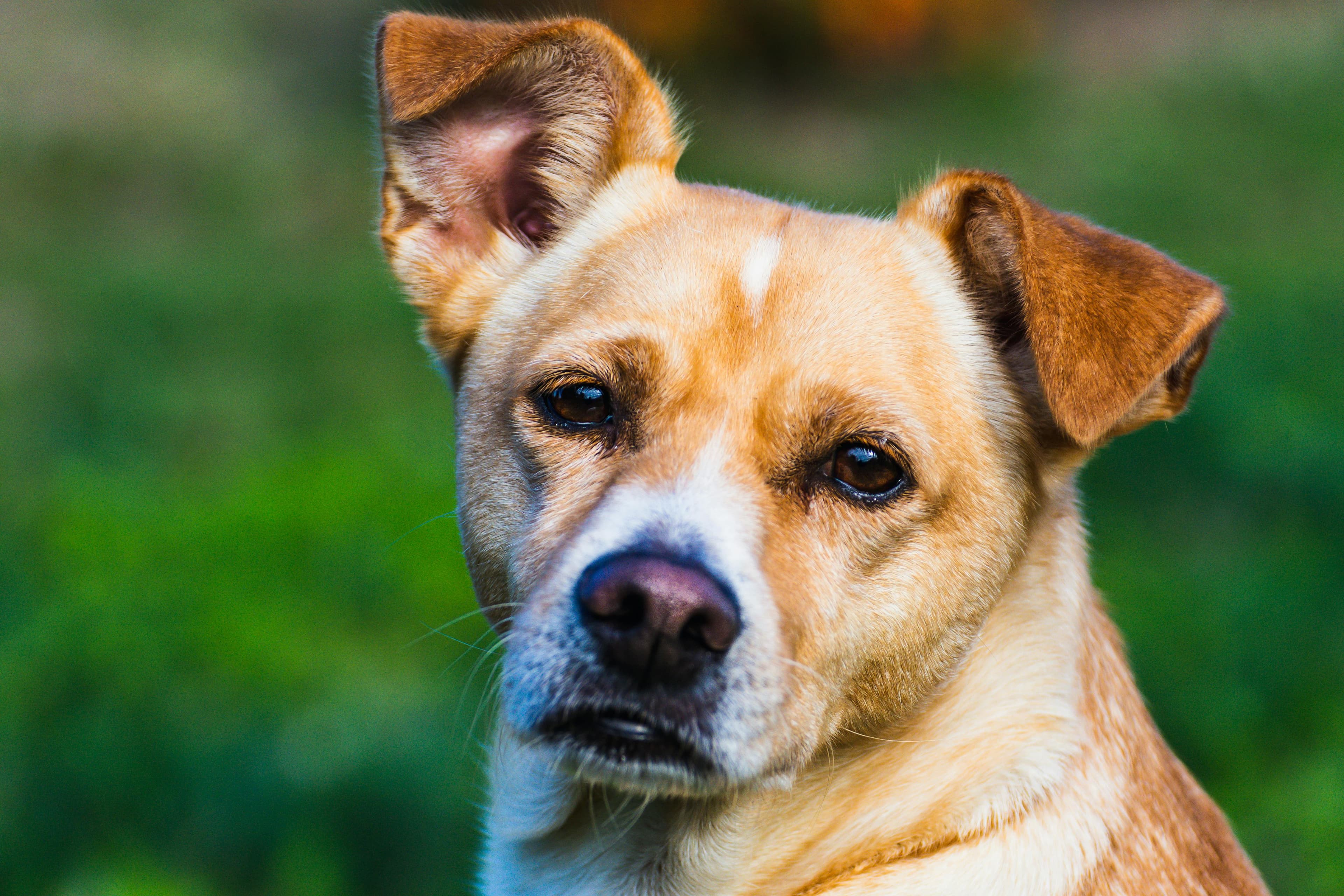
Ear mites in dogs are tiny parasites that cause itching, irritation, and discomfort. If left untreated, they can lead to painful ear infections. The good news is that they are treatable with the right care. This guide explains how to spot ear mites, treat them, and prevent them from coming back.
Read more

How to Teach a Dog to Roll Over
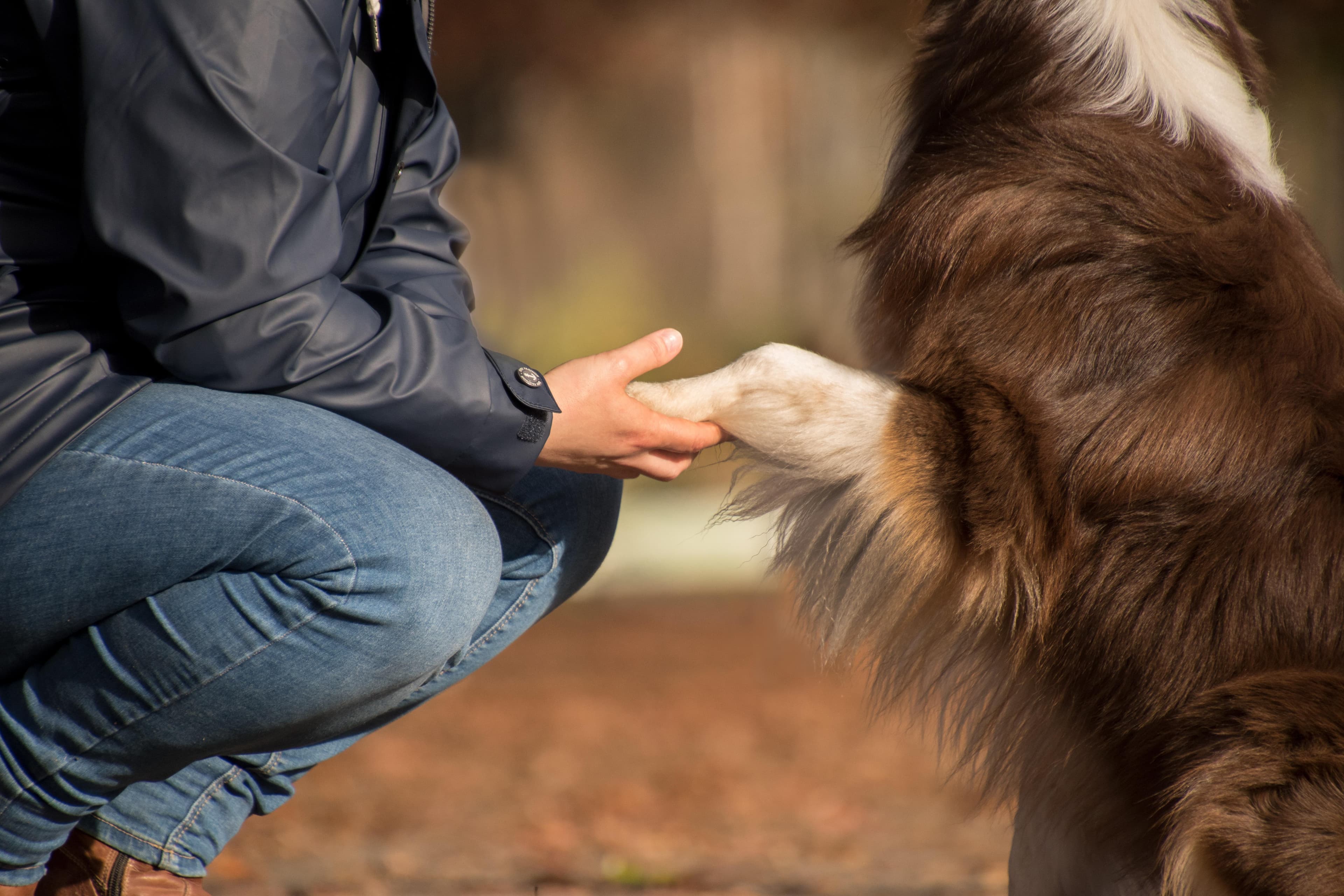
Picture the moment when you command your dog to roll over, and they execute it flawlessly, much to the admiration of onlookers. This trick is more than a crowd-pleaser; it's a testament to the trust and connection you share with your dog, not to mention the mental stimulation it provides them.
Read more
How to Break up a Dog Fight
To break up a dog fight, start with hands-off methods like loud noises or water sprays to distract the dogs. If needed, use the "wheelbarrow separation" technique to pull the dogs apart safely. Afterward, the fight's cause should be identified to prevent future conflicts. Safety and prevention are paramount.
Read more
Are Antlers Safe for Dogs?
Are antlers safe for dogs? This age-old question continues to spark debates among pet owners and professionals alike. While antlers offer durability and dental benefits, they also pose risks such as choking hazards and dental damage. Dog owners must weigh these pros and cons carefully and consider safer alternatives to ensure their furry friend's well-being.
Read more
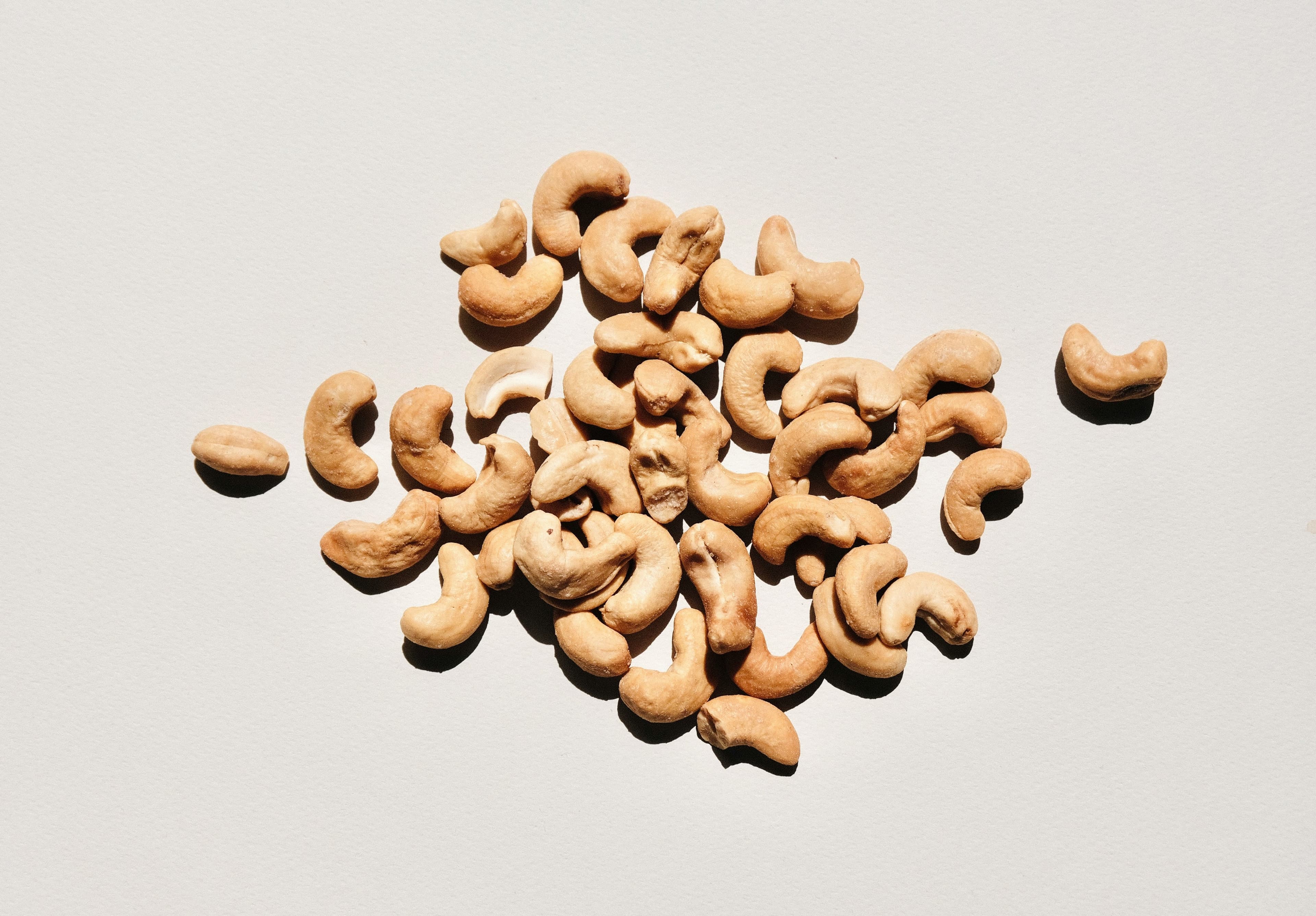
Can Dogs Eat Cashews?
Can dogs eat cashews? Yes, but sparingly. Unsweetened and unsalted cashews can be a treat for dogs, yet they must be given in moderation due to the risk of allergies and high fat content.
Read more
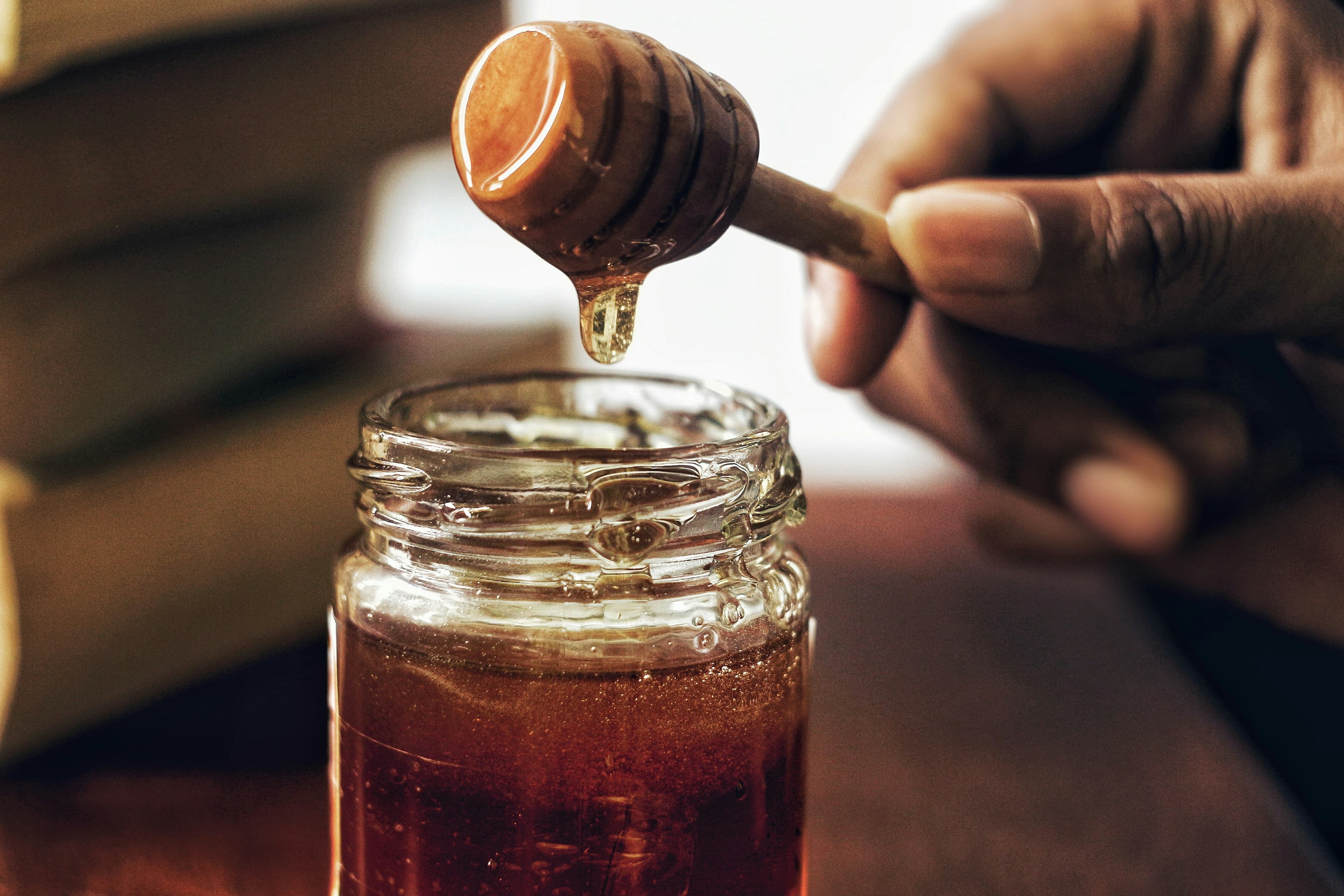
Can Dogs Have Honey?
Honey can be a nutritious dog treat, offering vitamins, antioxidants, and energy boosts. However, moderation is key due to its high sugar content—a small spoonful, depending on the dog's size, is sufficient. Always consult a vet before introducing honey to ensure it suits your dog's health needs, making it a safe and sweet addition to their diet.
Read more
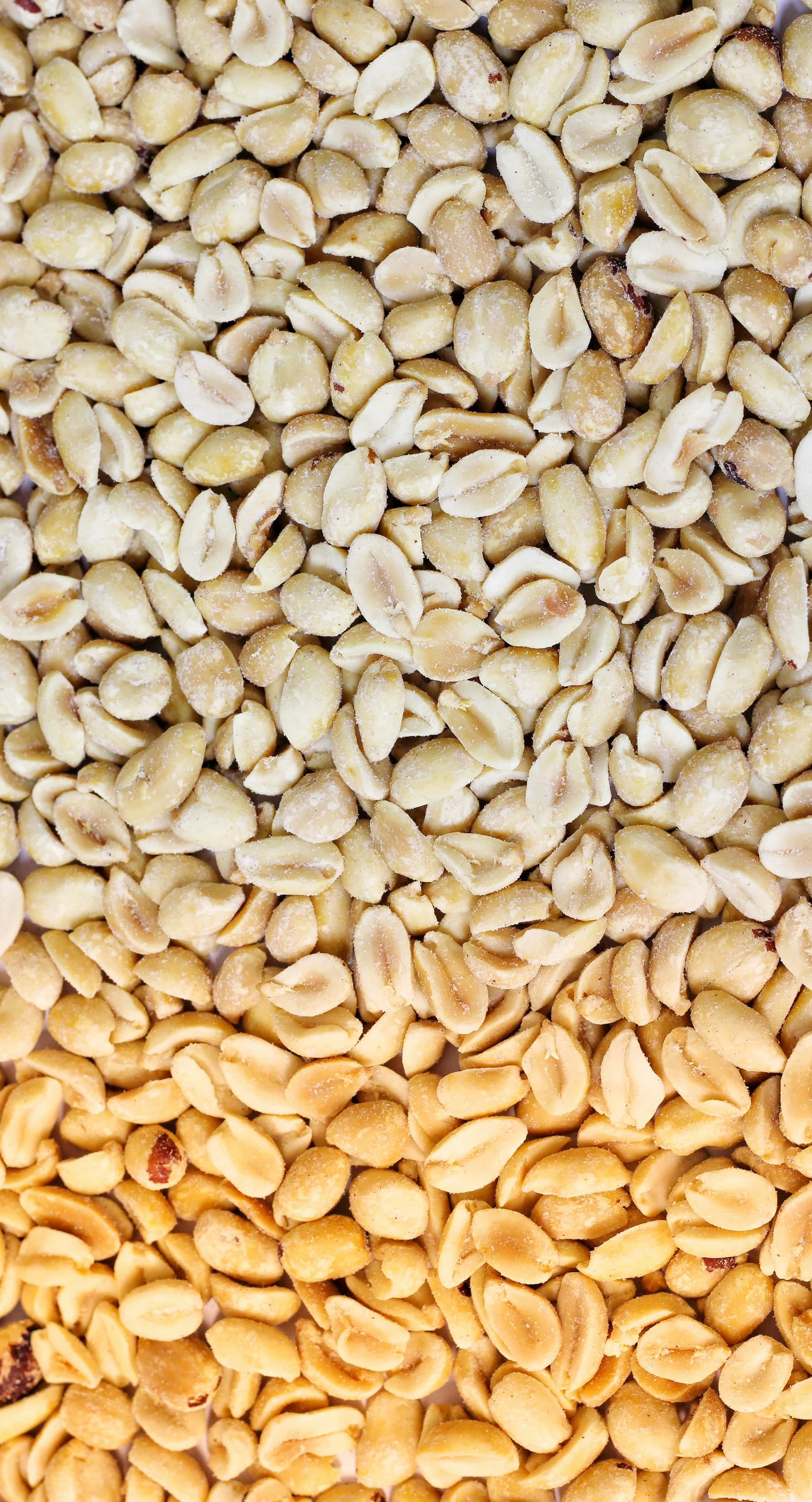
Can Dogs Eat Peanuts?
When sharing our snacks with furry friends, one frequently asked question is, "Can dogs eat peanuts?" The short answer is yes but with caution. Unsalted, dry-roasted, or raw peanuts are generally safe for dogs in moderation. However, pet owners must avoid salted peanuts and ensure that any peanut butter offered does not contain xylitol, a sweetener toxic to dogs.
Read more
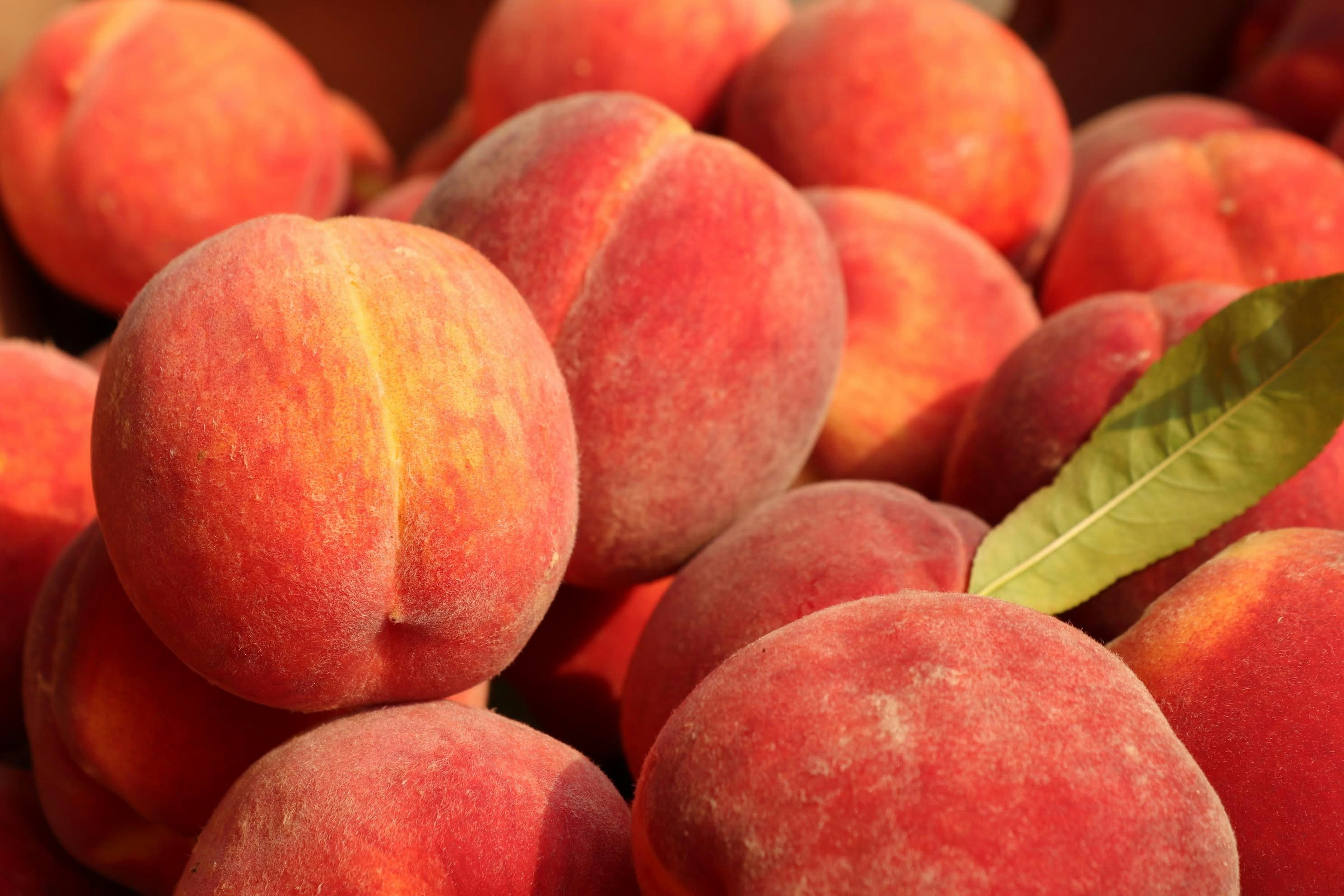
Can Dogs Eat Peaches?
Exploring the question of "Can dogs eat peaches?" reveals that while peaches can offer nutritional benefits to dogs, caution is necessary. This includes serving peaches in moderation ensuring they are fresh, pit-free, and properly prepared to avoid any health hazards such as choking or cyanide poisoning from peach pits.
Read more