

Dog

Ear Mites in Dogs
Ear mites in dogs are tiny parasites that cause itching, irritation, and discomfort. If left untreated, they can lead to painful ear infections. The good news is that they are treatable with the right care. This guide explains how to spot ear mites, treat them, and prevent them from coming back.
Read more


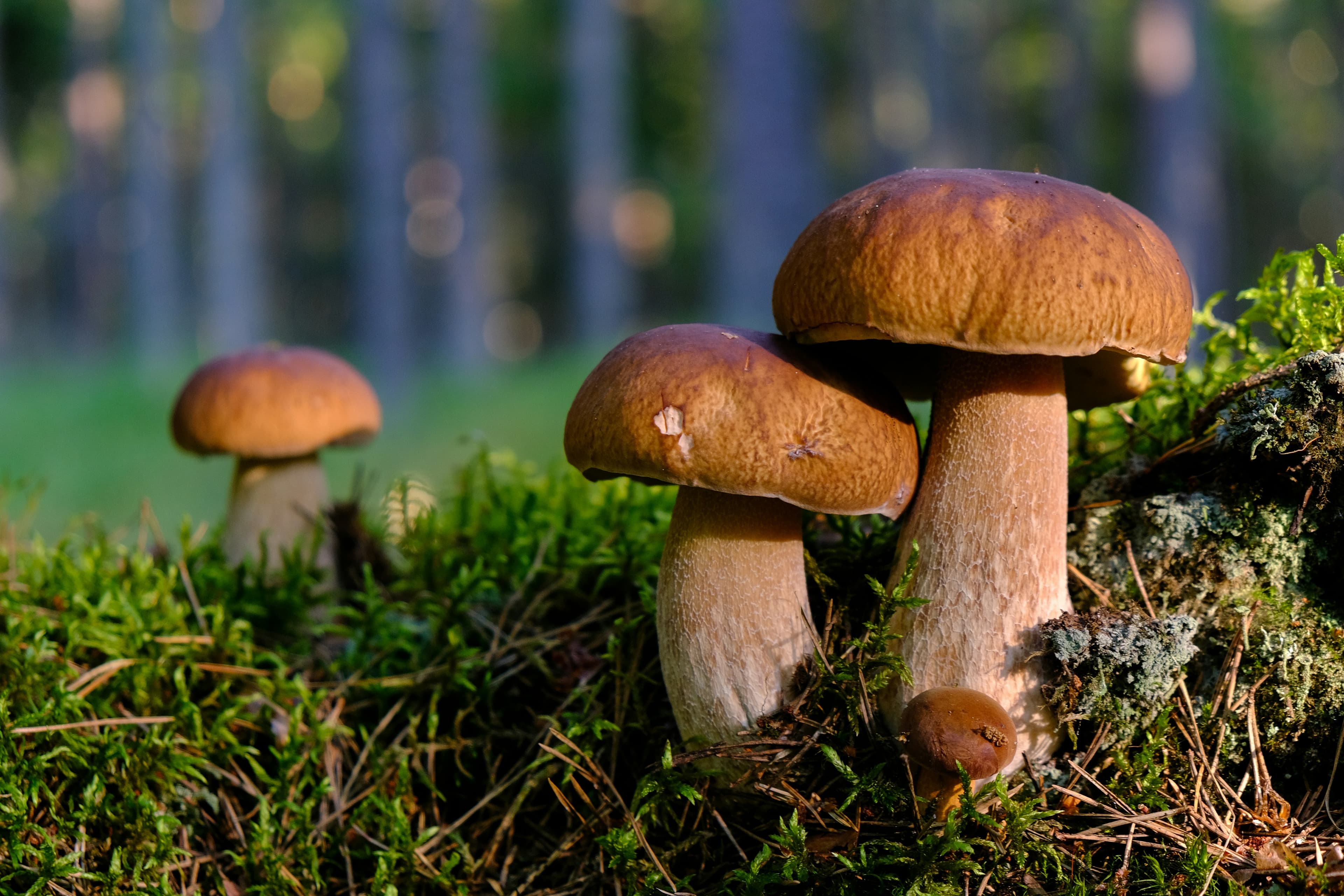
Can Dogs Eat Mushrooms?
In a world where pet nutrition is increasingly scrutinized, many dog owners wonder, "Can dogs eat mushrooms?" and seek clarity about which varieties are safe. For those opting to include mushrooms in their dog's diet, choosing safe, non-toxic varieties and preparing them properly is key to ensuring the health and safety of their furry companions.
Read more
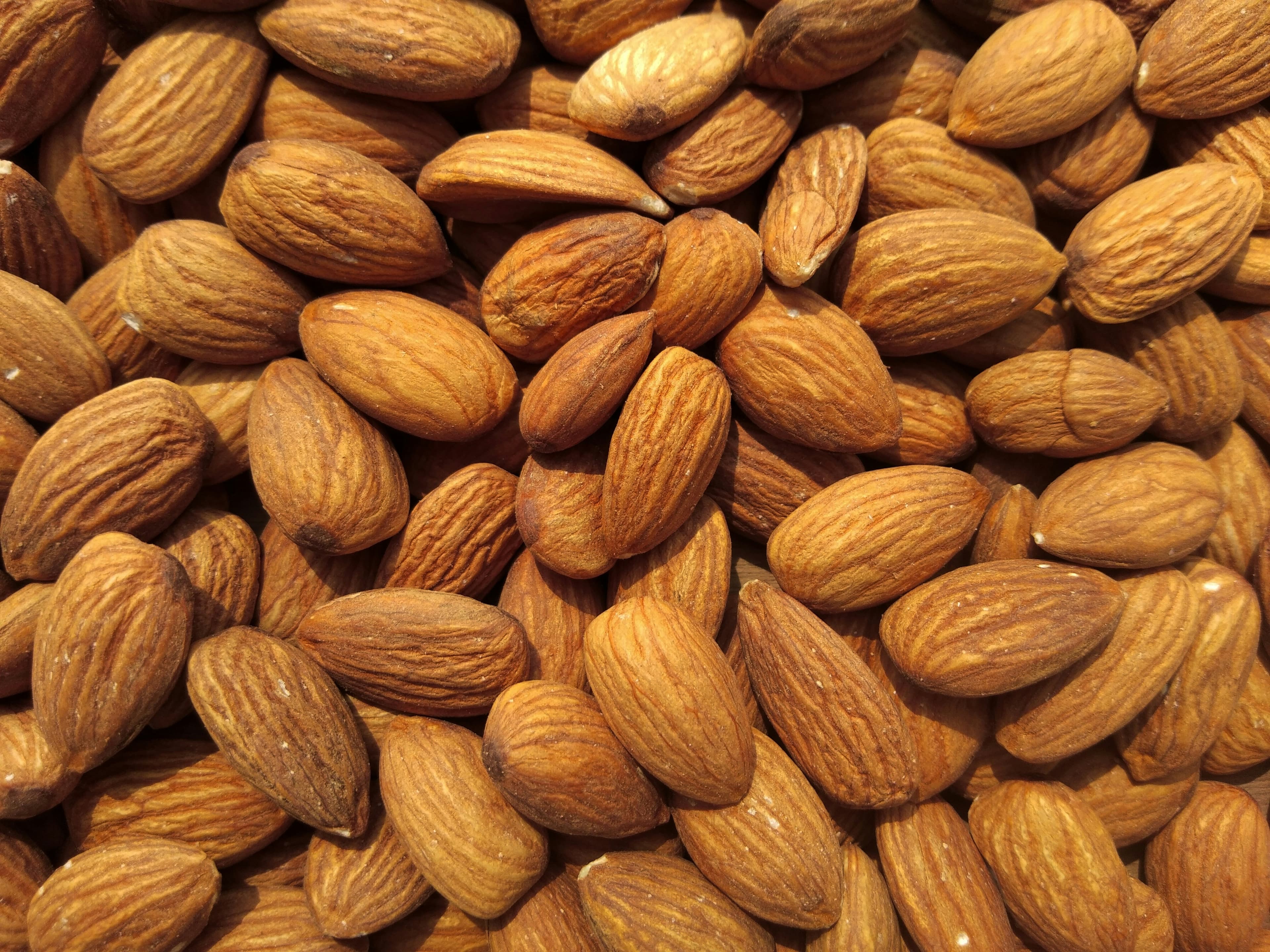
Can Dogs Eat Almonds?
Considering whether dogs can eat almonds, it's clear that almonds can cause health issues such as gastrointestinal distress and pancreatitis due to their high-fat content. They also pose choking and obstruction risks. But are almonds toxic to dogs?
Read more
Why Is Your Dog Whining?
Addressing the question of how to stop a dog from whining requires patience, understanding, and consistency. By recognizing the various meanings behind a dog's whine—from expressing pain or discomfort to simply communicating excitement—you can better meet their needs and strengthen your bond.
Read more

Top 8 Dog Show Tricks
Training for a dog show requires patience, consistency, and a positive attitude, but the reward of seeing your dog excel in the ring is incomparable. So how to do it properly?
Read more
Top 10 Fun Dog Tricks
This article delves into the fun dog tricks you can teach your dog to bond with them and have a great time playing all the adorable and amusing tricks, such as “beg,” “high-five,” “shake paws,” and “give a kiss.”
Read more

Top 8 Irish Dog Breeds
Join us on a journey through the Emerald Isle as we uncover some fascinating history, learn about distinct traits, and fall in love with the endearing personalities that make each Irish dog unique. Whether you’re looking for a friendly companion, a loyal guardian, or just want to learn more about Irish dog breeds, this article is for you.
Read more
Can Dogs Eat Ice Cream?
Choosing the right treats for your dog is crucial for their health and happiness. While it might be tempting to share your ice cream, it's better to opt for healthier, dog-friendly alternatives.
Read more

Can Dogs Eat Potatoes?
Yes, dogs can eat potatoes, but it's essential to serve them properly. Potatoes should be cooked without any added salt, butter, or seasonings and never offered raw due to the presence of solanine, which can be toxic. Small, well-cooked portions can be a healthy addition to a dog's diet, offering vitamins and minerals. However, moderation is key and always consult with a veterinarian before introducing new foods to ensure they're suitable for your dog's specific health needs.
Read more