

Dog

Ear Mites in Dogs
Ear mites in dogs are tiny parasites that cause itching, irritation, and discomfort. If left untreated, they can lead to painful ear infections. The good news is that they are treatable with the right care. This guide explains how to spot ear mites, treat them, and prevent them from coming back.
Read more


How to Crate Train a Dog
Crate training is a personalized journey that should be tailored to your dog's needs and personality. With patience and consistency, your dog will come to view their crate as a safe, comfortable haven.
Read more
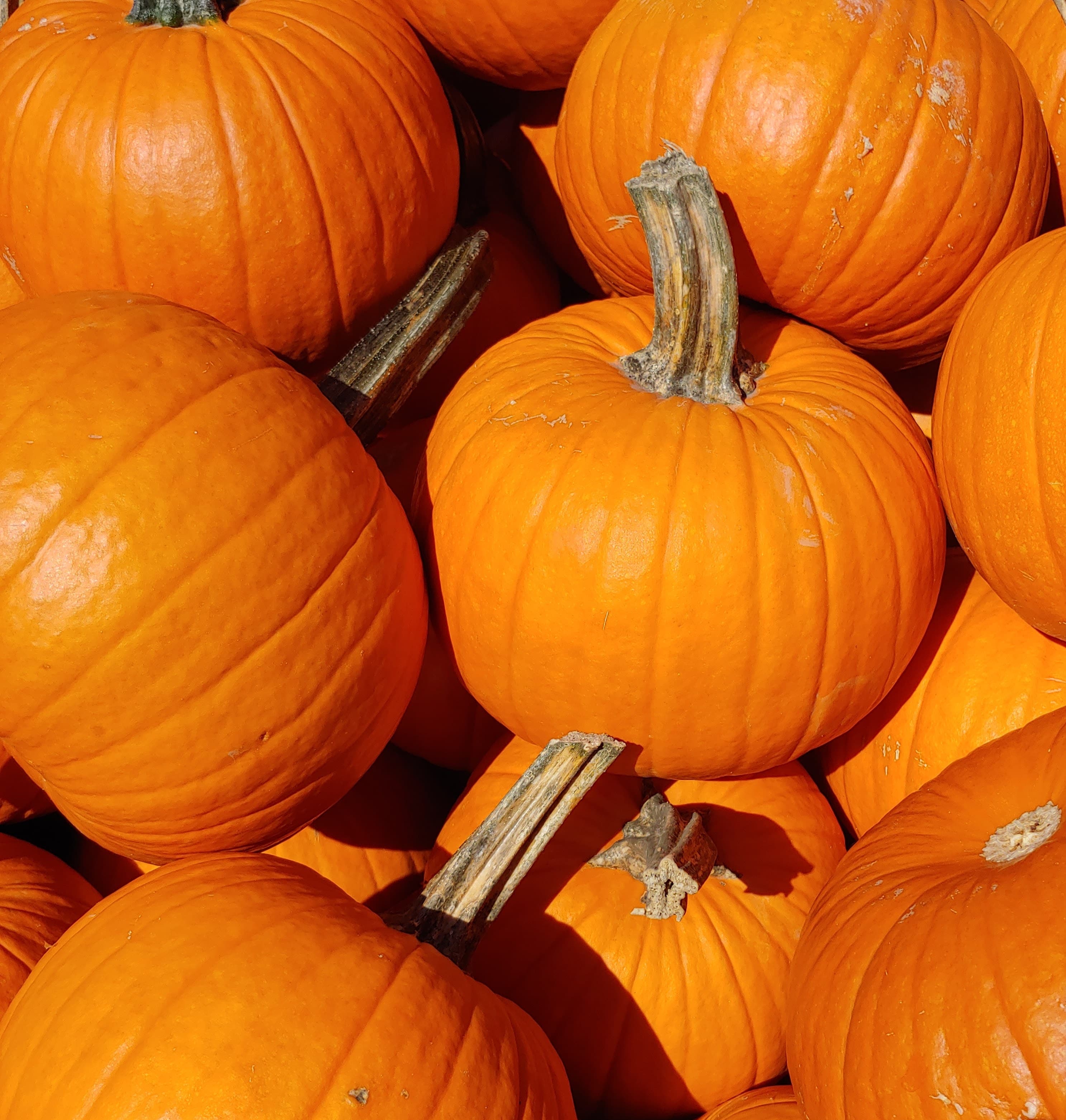
Benefits of Pumpkin for Dogs
Pumpkin can be a wonderful addition to your dog's diet. It offers numerous health benefits, but like all things, it should be provided in moderation. Always consult with your veterinarian before making any dietary changes.
Read more
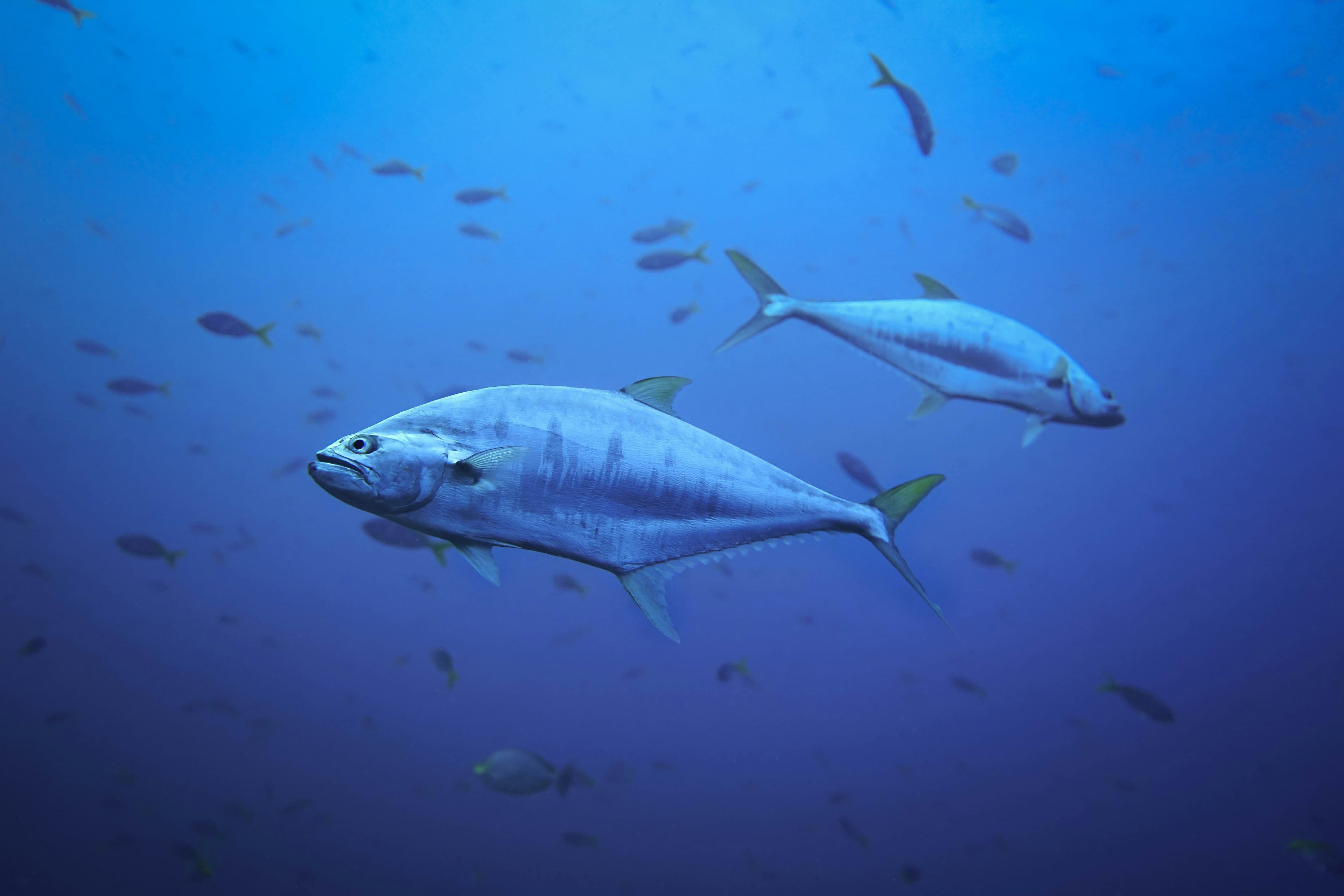
How Much Tuna Can I Give My Dog?
While dogs can eat tuna, it should only be in moderation. The potential risks, particularly mercury poisoning, make it imperative to consult your vet and consider safer alternatives.
Read more

Dog Training Tips for Beginners at Home
Dog training at home requires patience, consistency, and a positive approach. By understanding your dog's needs and behavior, you can create a strong bond and a well-behaved pet.
Read more
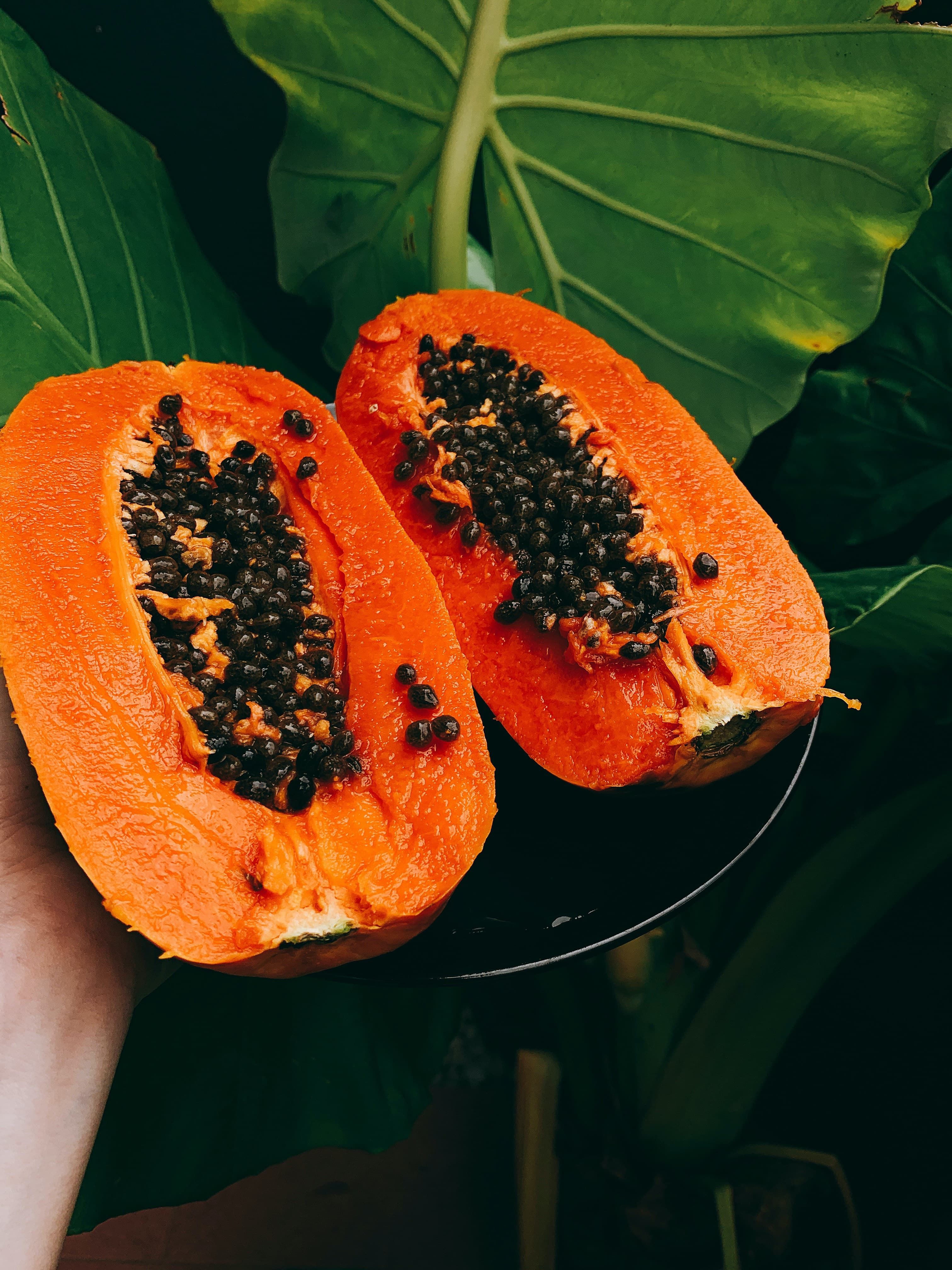
Can Dogs Eat Papaya?
This article discusses the safety and potential benefits of feeding dogs papaya. It provides information on how to safely offer papaya to dogs, other fruits that are safe for dogs to eat, and precautions to take when introducing new foods into their diet.
Read more
Can Dogs Eat Avocado?
Avocado, a fruit popular for its health benefits in humans, often raises questions about its safety for dogs. The primary concern with avocados is a substance called persin, found in the fruit's leaves, skin, and pit. While dogs are more resistant to persin than other animals, exercising caution is still advisable.
Read more
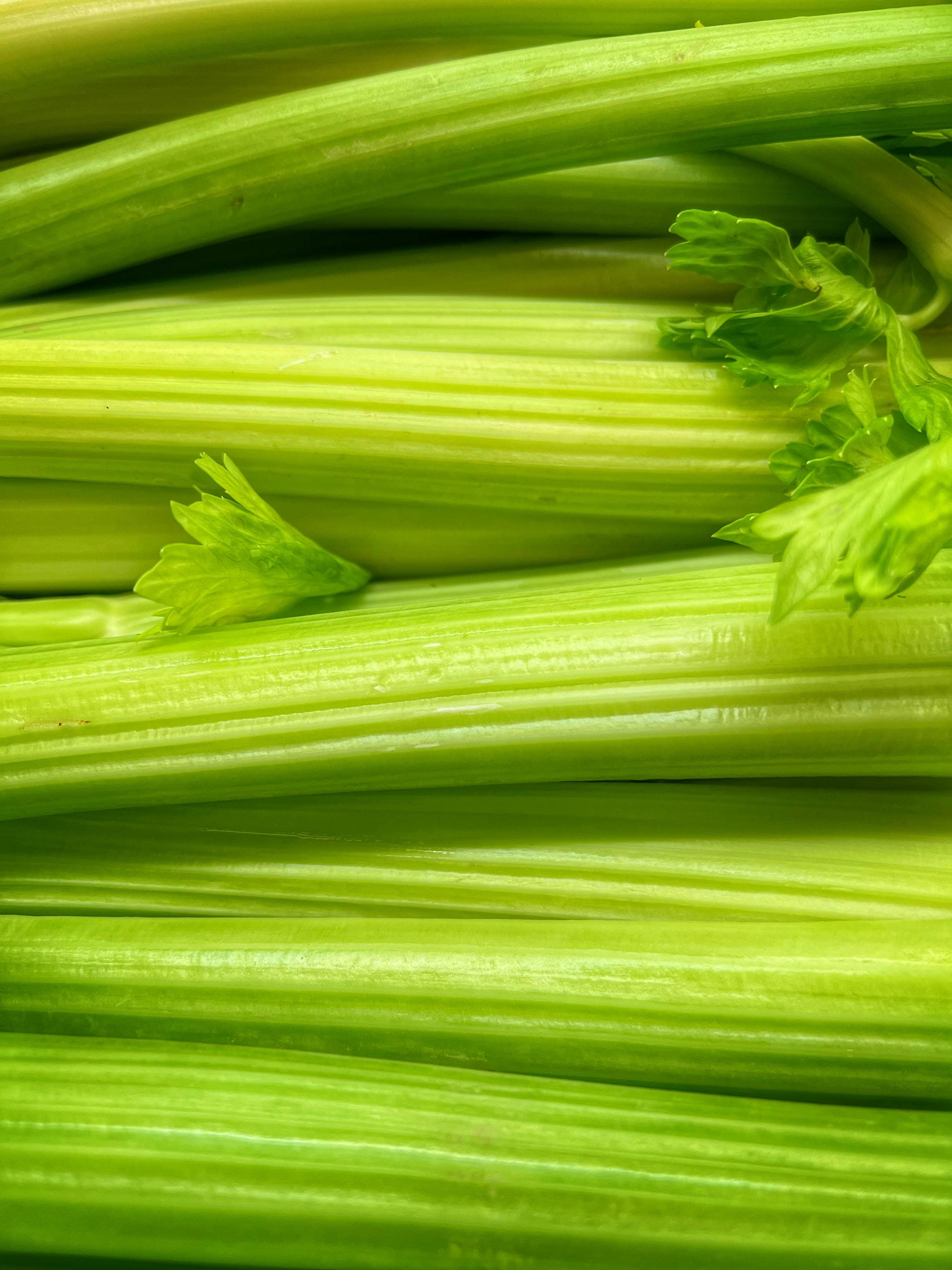
Can Dogs Eat Celery?
In most cases, celery is safe as a dog's little treat. It is just important to consider the amount of it. It is low in calories and high in vitamins A, C, and K. Don't forget about folate and potassium - doesn't it all sound nice and healthy? But still, some considerations should be taken into account. Can dogs have celery? Yes, but let's dive into it.
Read more
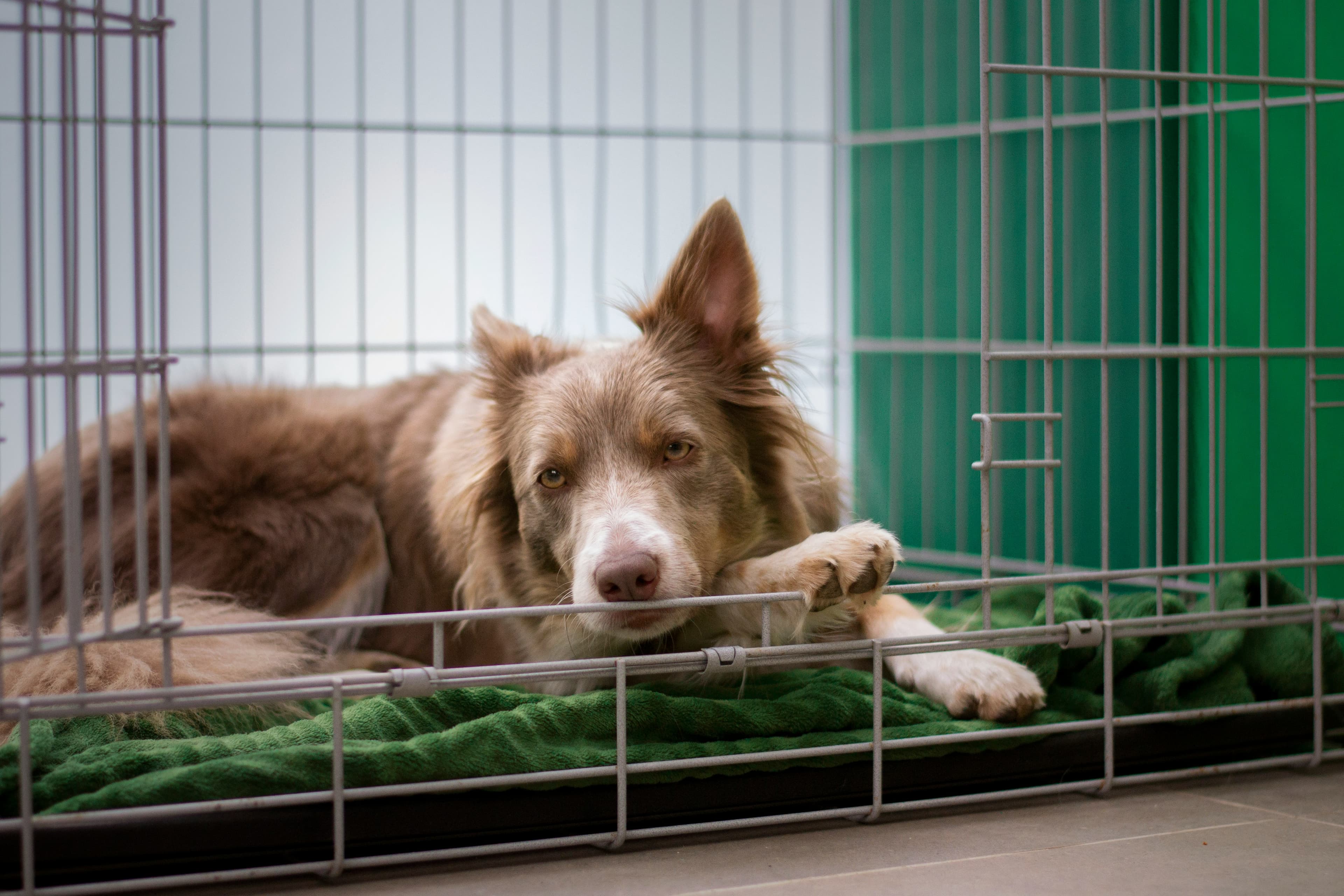
How to Crate Train an Older Dog?
Crate training an older dog may seem daunting, but it's entirely achievable with patience and the right approach. Key steps include selecting a suitable crate, introducing it gradually with positive reinforcement, and slowly increasing the duration your dog spends inside. Remember, consistency and a calm demeanor are essential for a successful crate training experience.
Read more