
Dog

Ear Mites in Dogs
Ear mites in dogs are tiny parasites that cause itching, irritation, and discomfort. If left untreated, they can lead to painful ear infections. The good news is that they are treatable with the right care. This guide explains how to spot ear mites, treat them, and prevent them from coming back.
Read more


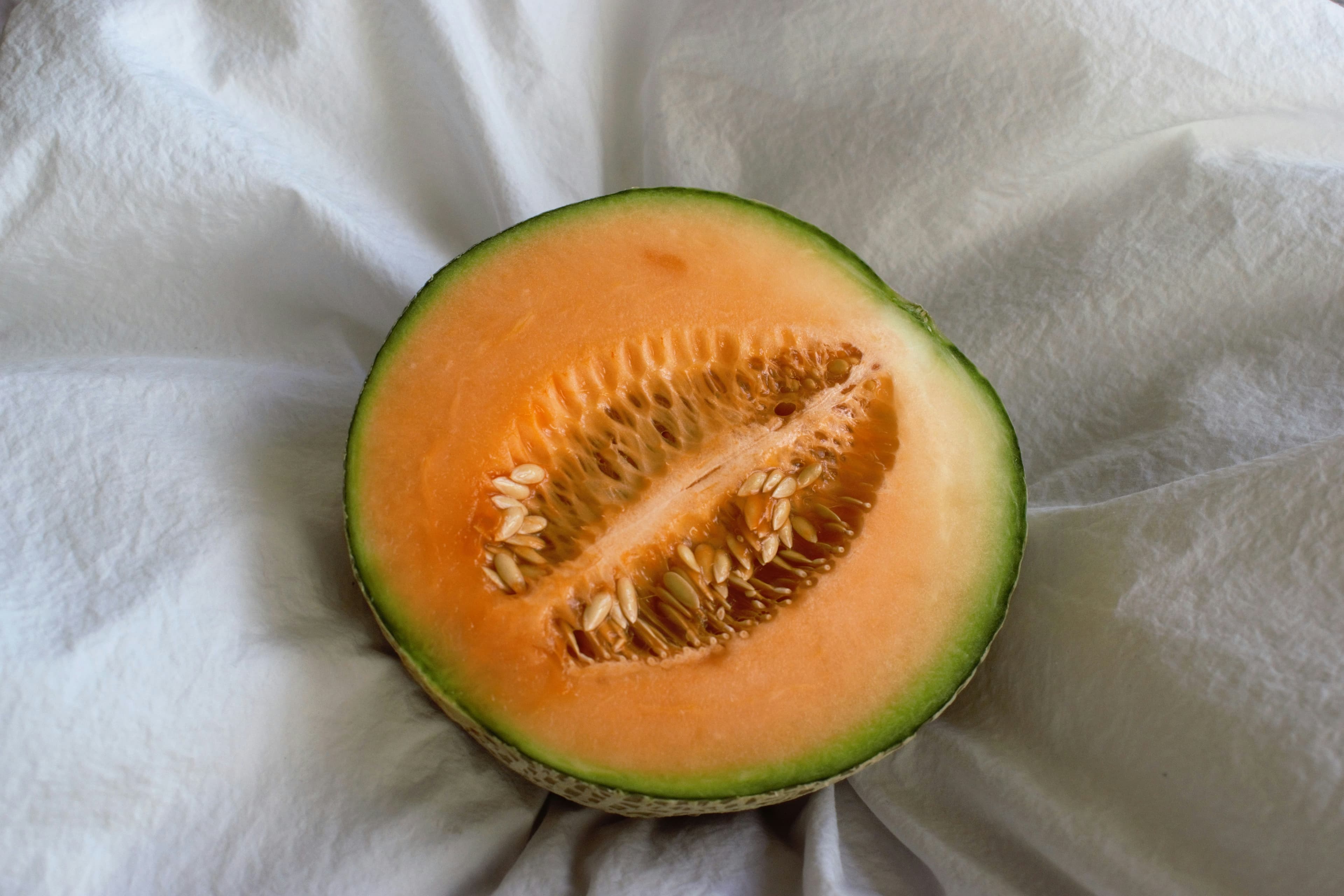
Can Dogs Eat Cantaloupe?
Can dogs eat cantaloupe? Yes, but moderation is key. This vitamin-rich fruit is great for hydration and nutrients but should be served without the rind and only as an occasional treat to avoid digestive issues and excess sugar intake.
Read more
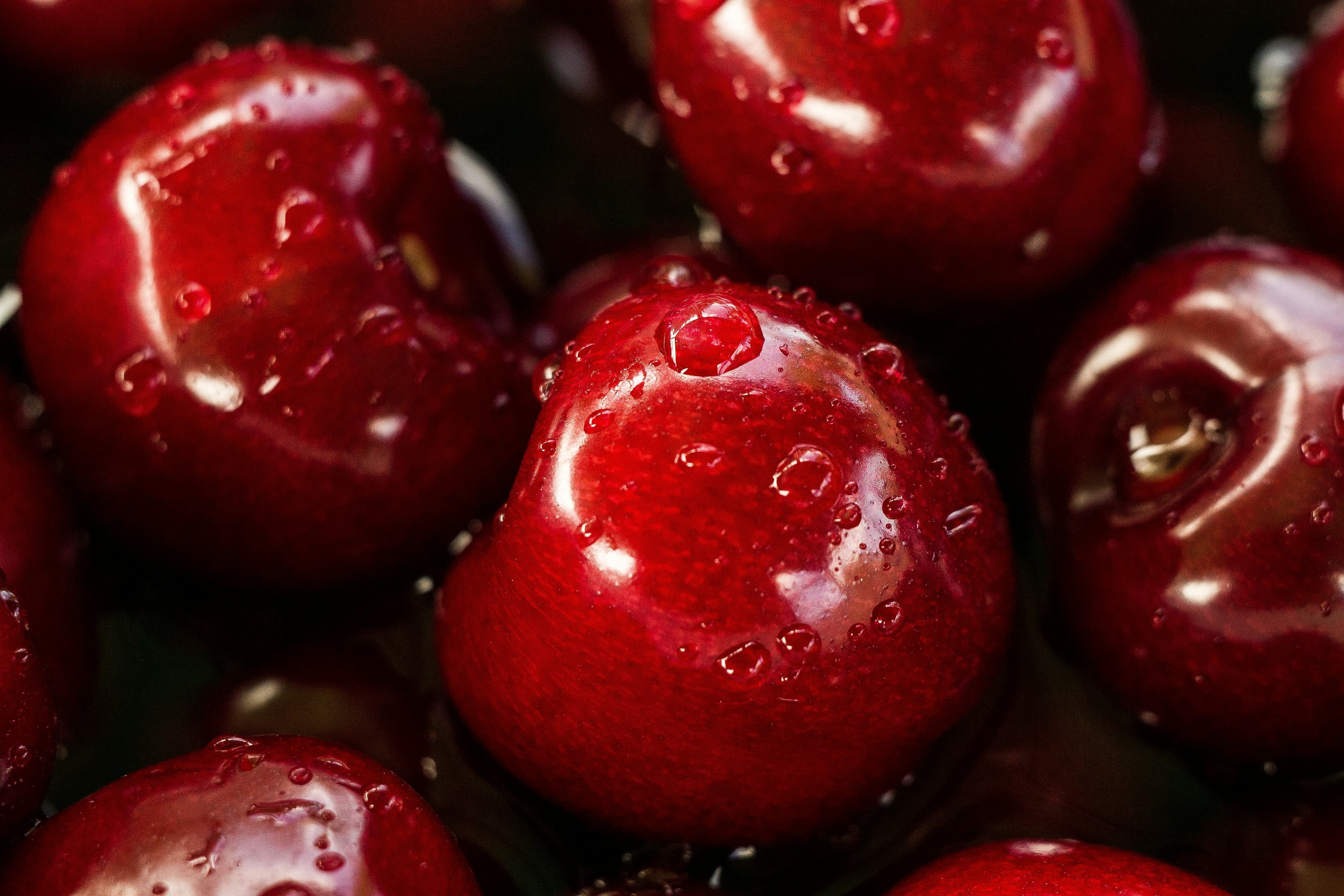
Can Dogs Eat Cherries?
Feeding cherries to dogs comes with risks, primarily due to the cyanide in cherry pits and the potential for blockages. It's best to avoid giving dogs cherries or offering the flesh in very small amounts, removing all pits and stems. Safer alternatives include cherry-flavored dog treats or fruits like blueberries and strawberries, ensuring your dog enjoys a safe and healthy treat.
Read more

Can Dogs Have Cinnamon?
Cinnamon, a spice cherished for its delightful aroma and flavor, also harbors potential health benefits for dogs when used judiciously. Not toxic in small doses, cinnamon can offer anti-inflammatory relief, support with antioxidant properties, and even aid in managing blood sugar levels. However, it's essential to approach its use cautiously—excessive amounts can lead to health issues.
Read more
Why Do Dogs Lick Your Feet?
Dogs licking human feet might seem peculiar, but it's a natural behavior rooted in canine communication. Whether they're seeking comfort, expressing affection, or curious about your day, this action reveals your dog's social instincts and keen sense of smell. While generally harmless, understanding the reasons behind foot licking can help you decide whether to discourage it or appreciate it as a quirky sign of your dog's love and affection.
Read more

Why Do Dogs Sleep So Much?
Dogs typically sleep between 12 to 14 hours per day, a necessity driven by factors such as age, breed, environment, health issues, activity levels, and diet. Puppies and seniors often need more rest, while breed characteristics and daily activities influence sleep duration. Understanding "Why do dogs sleep so much?" ensures our furry friends remain healthy and happy.
Read more
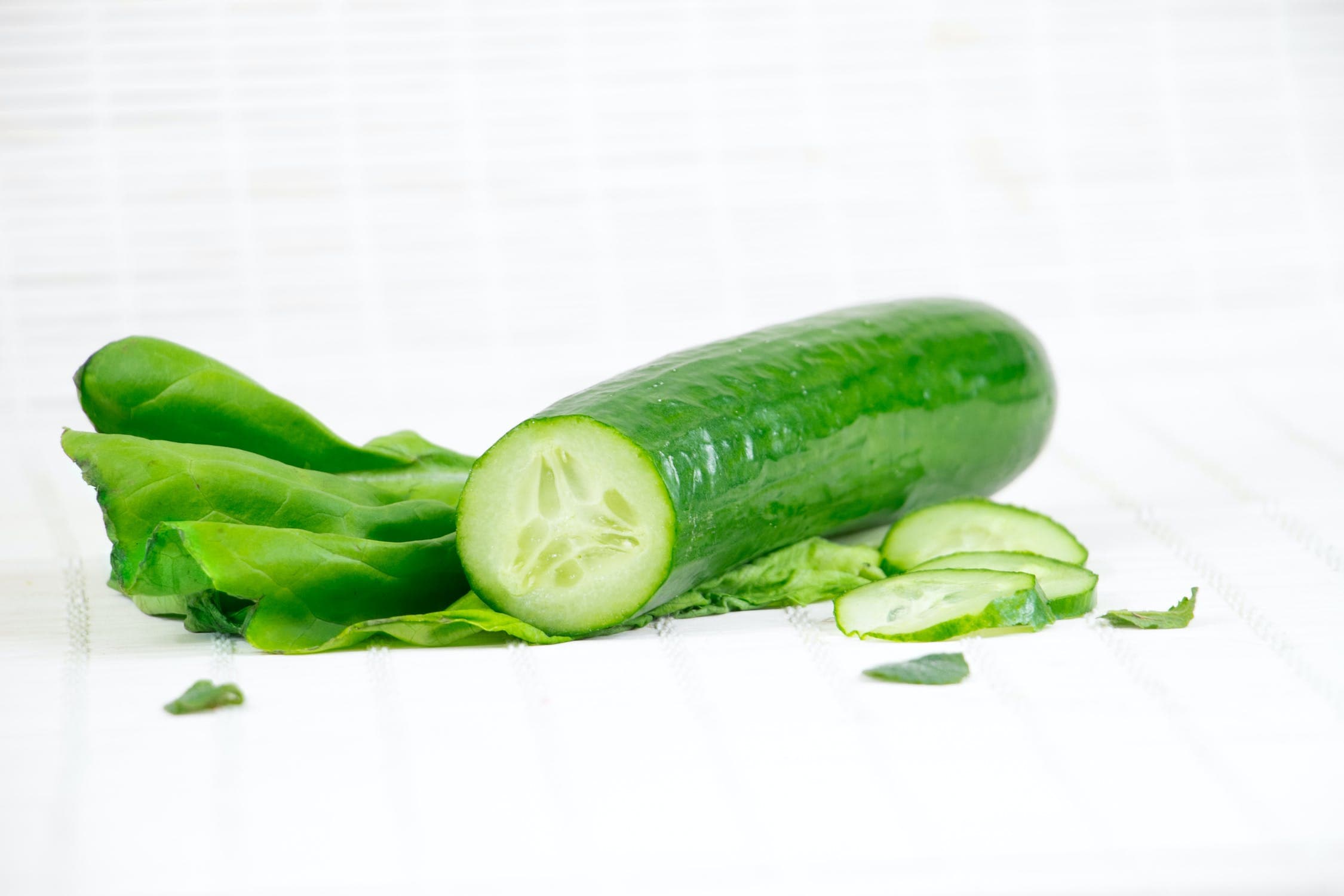
Can Dogs Eat Cucumbers?
Cucumber is a healthy addition to our diet, but are pets allowed to consume this beneficial vegetable? Yes, it’s a good idea. Adding cucumber to your pet's diet can help them stay healthy. We will talk about the advantages of cucumber for your dog in this article.
Read more

Can Dogs Eat Popcorn?
The safety of popcorn consumption for dogs may be tricky. While plain, air-popped popcorn is generally considered safe and may even offer a canine-friendly crunch, caution is advised when dealing with flavored or seasoned variants, as these can introduce ingredients potentially harmful to a dog's health.
Read more