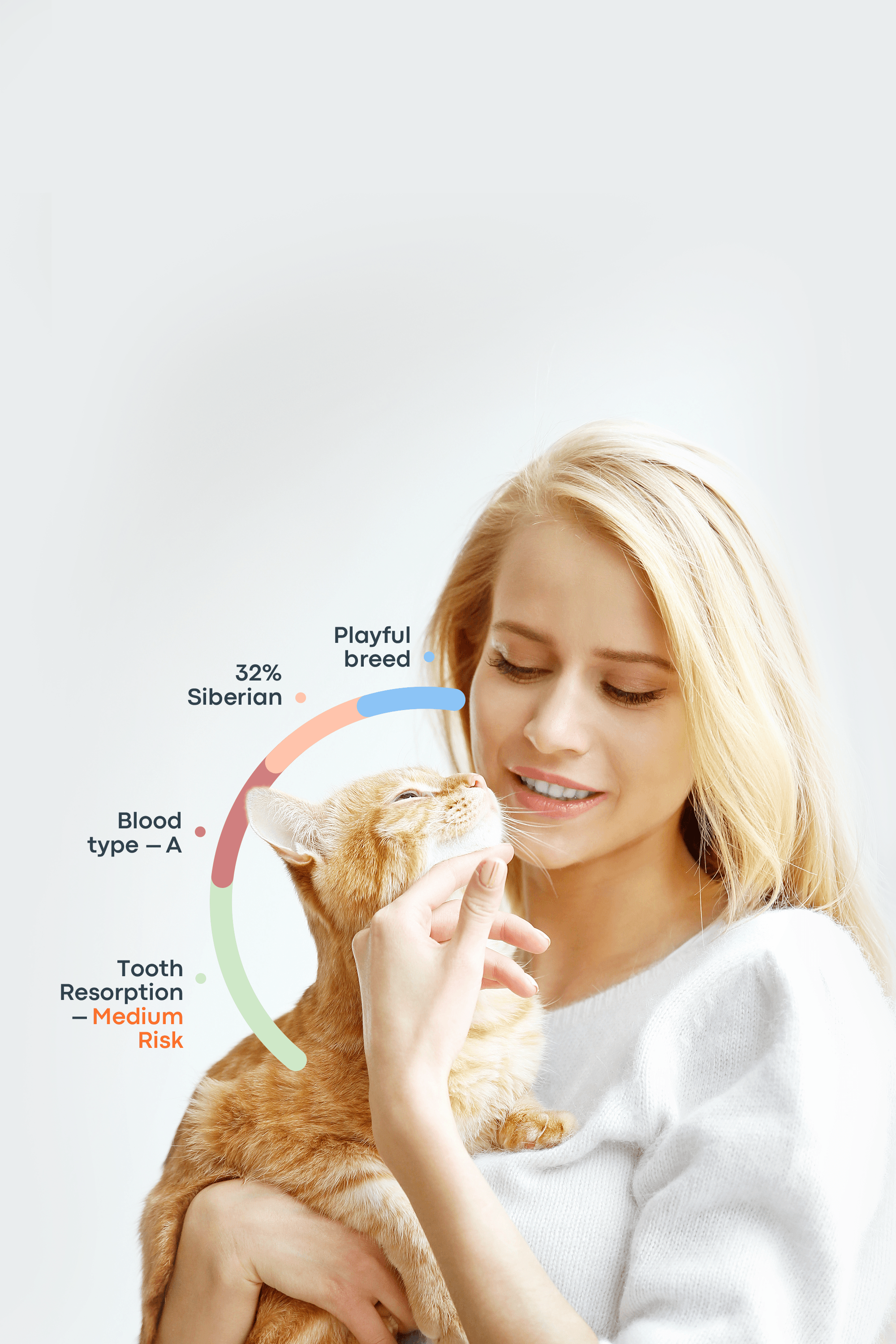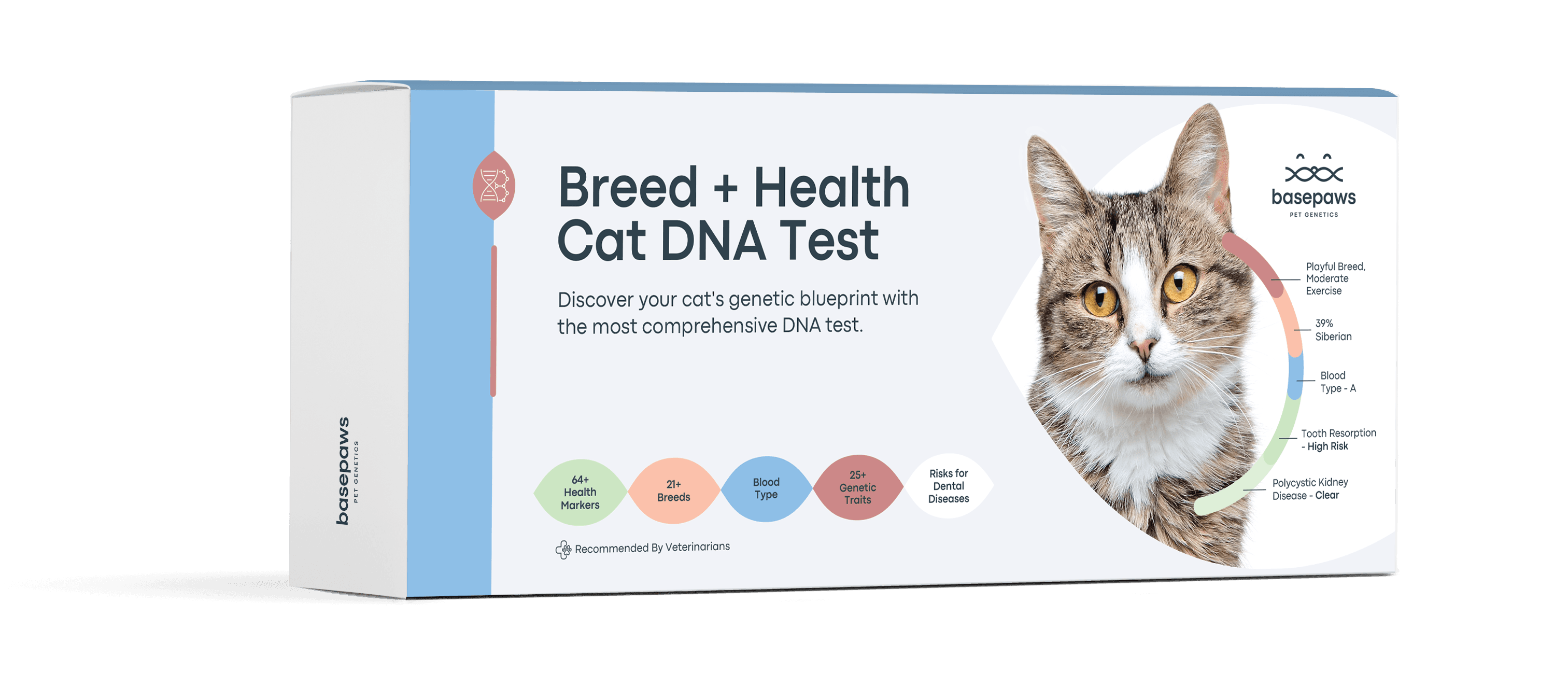
Don't know your cat's breed?
Get our DNA kit!
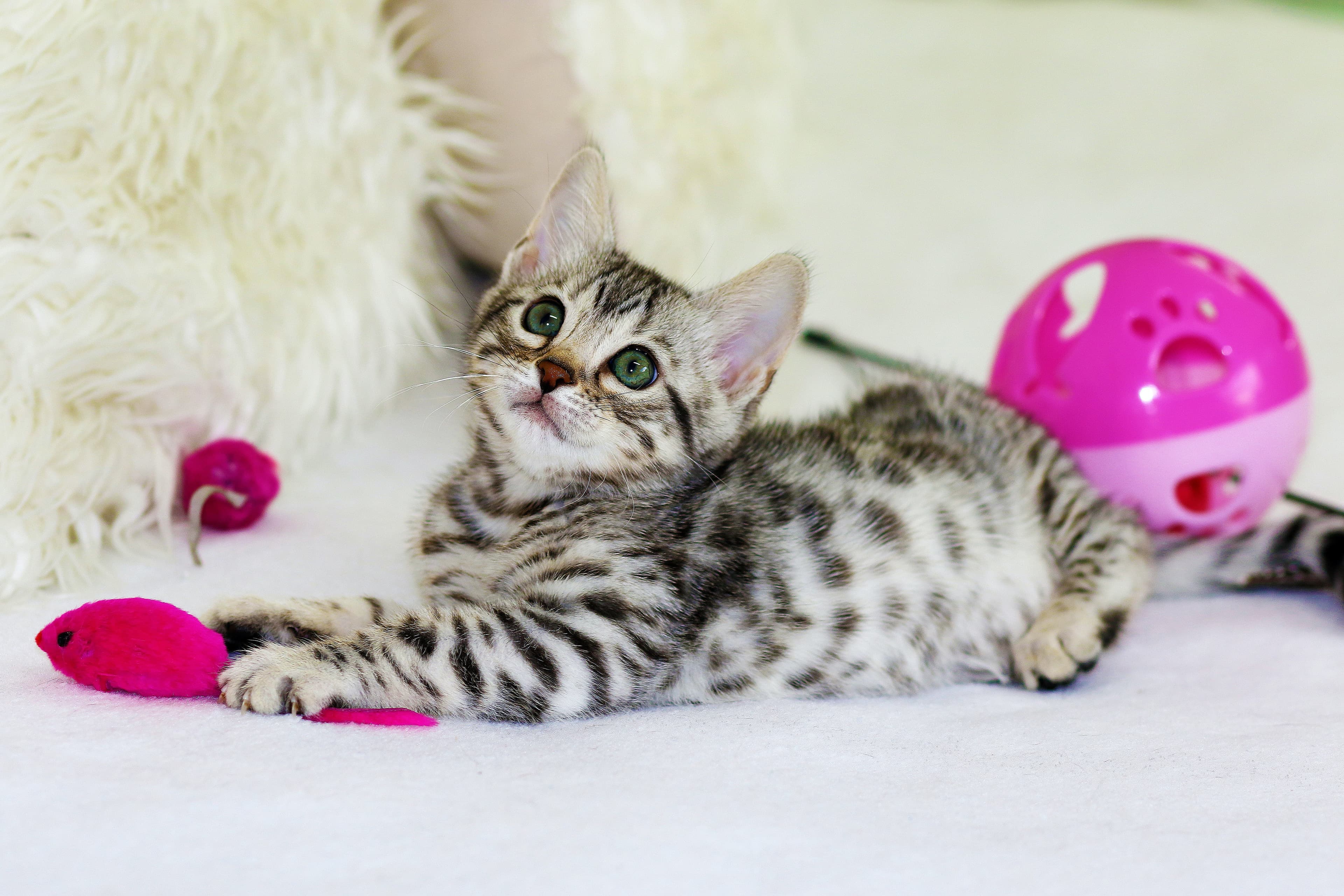
Playing with your cat is more than just fun—it supports their health and overall well-being. You might find yourself wondering, “How to play with my cat?” or “What kinds of toys do cats actually enjoy?” Read on to discover the best ways to engage your feline friend and keep them happy and active.

Music for cats? Is that a thing? Cats, unlike humans, cannot groove to beats, but their unique musical preferences make them intriguing and captivating companions.

Almost all cats are conservative. Any changes unsettle them. The most disturbing events in a cat's life include a change of residence. So, let's analyze an essential aspect of a cat's behavior: "Why does my cat follow me everywhere?"
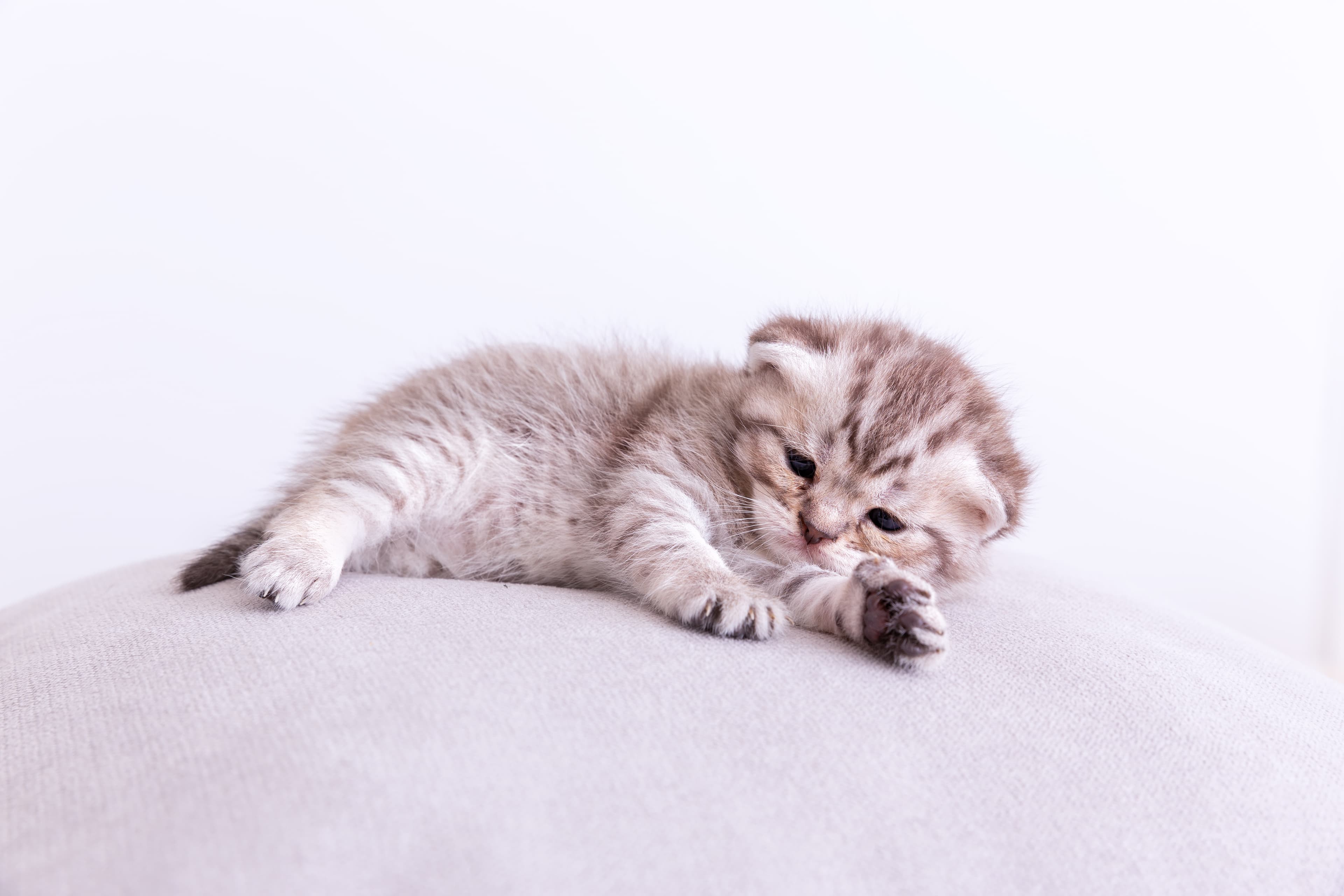
Diarrhea in kittens is common and can happen for several reasons, including infections, parasites, sudden diet changes, or food that doesn’t agree with them. Because kittens can get dehydrated quickly, it’s important to notice symptoms early. Make sure they stay hydrated and contact a veterinarian, especially if the diarrhea lasts more than a day, comes with vomiting, or if the kitten seems tired or refuses to eat. A vet can check for underlying causes and recommend the right treatment to help your kitten recover safely.
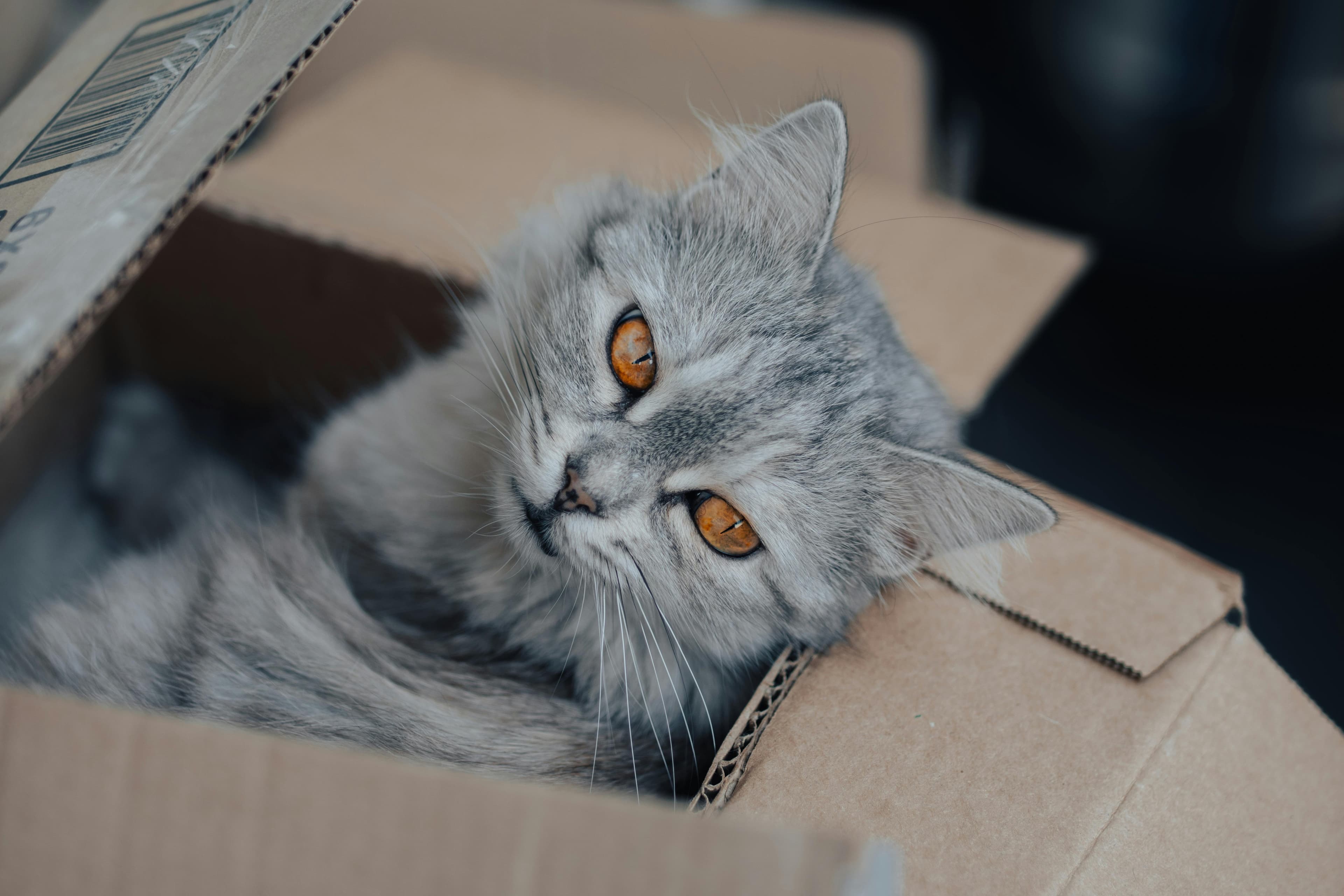
Seeing blood in your cat’s stool can be alarming for any pet parent, especially when your cat is still acting completely normal. Even if they seem playful, energetic, and show no obvious signs of discomfort, blood in the stool is not normal. It usually indicates that something in the digestive system needs attention. In some cases, the cause may be mild or temporary, but it can also signal an underlying health issue that shouldn’t be ignored. Understanding what blood in the stool may mean—and knowing when to monitor versus when to seek veterinary care—can help you respond appropriately and protect your cat’s health.
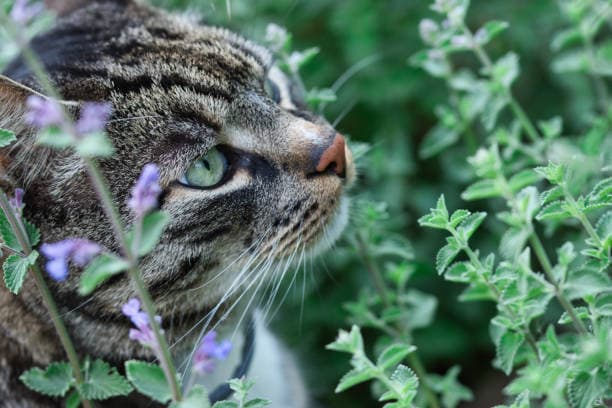
Catnip is famous for turning even the most relaxed cats into energetic, playful companions—but can it also help calm your furry friend? The answer depends on the cat and how catnip is used. In this article, we’ll explore how catnip affects cats, why some cats respond differently than others, the various ways to offer catnip, and when it may (or may not) help promote relaxation.
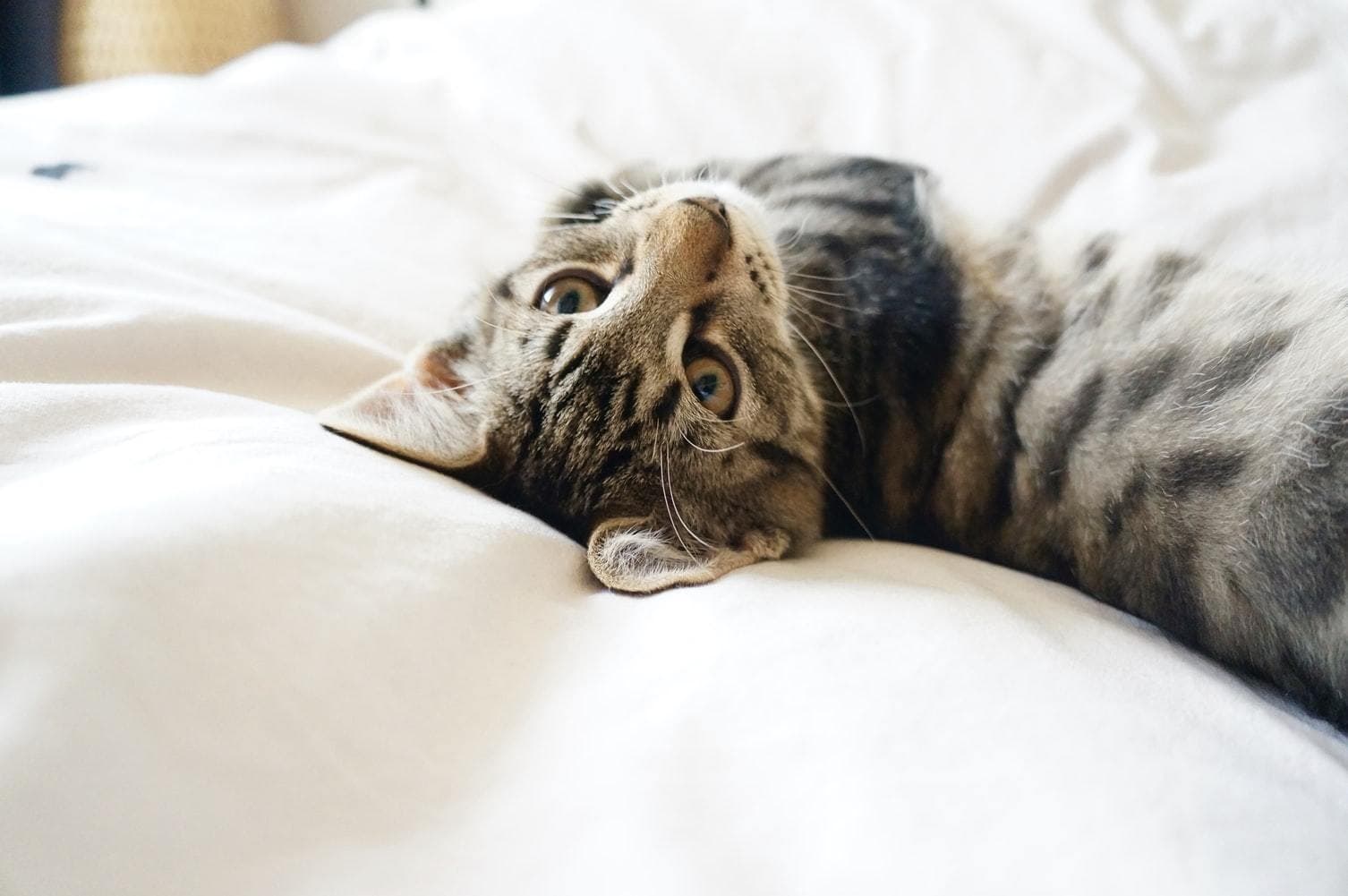
Hernias aren’t very common in cats, but they can occur. This article explains the key signs that may indicate a cat has a hernia, the different treatment options available, and what guardians can do to support a good prognosis. By understanding the symptoms and knowing when to seek veterinary care, you can help ensure your cat receives timely treatment and the best possible outcome.

Cats can become infected with the virus that causes COVID-19, but this happens rarely and symptoms are usually mild or absent. Most reported cases occur after close contact with an infected person, meaning transmission is typically from humans to cats rather than the other way around. This article explains how COVID-19 affects cats and how to protect your pet safely.