
Cat
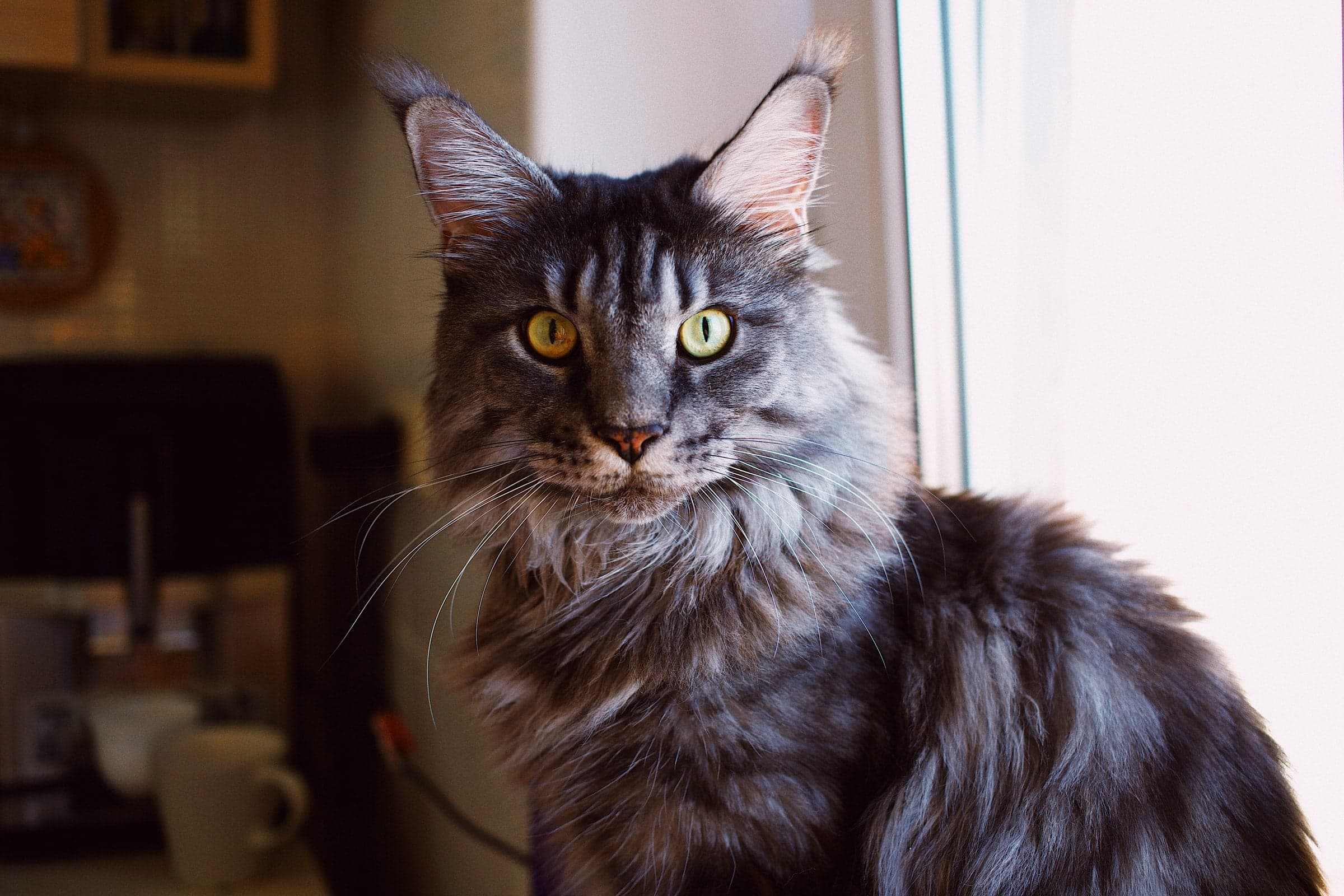
How Big Can Maine Coon Cats Get?
Maine Coon cats are one of the largest breeds of domestic cats in the world, with some males reaching up to 20 pounds or more when fully grown! Some believe that these cats originated in the state of Maine and are known as "gentle giants" due to their temperament and size. In this article, we will take a closer look at just how big Maine coon cats get.
Read more
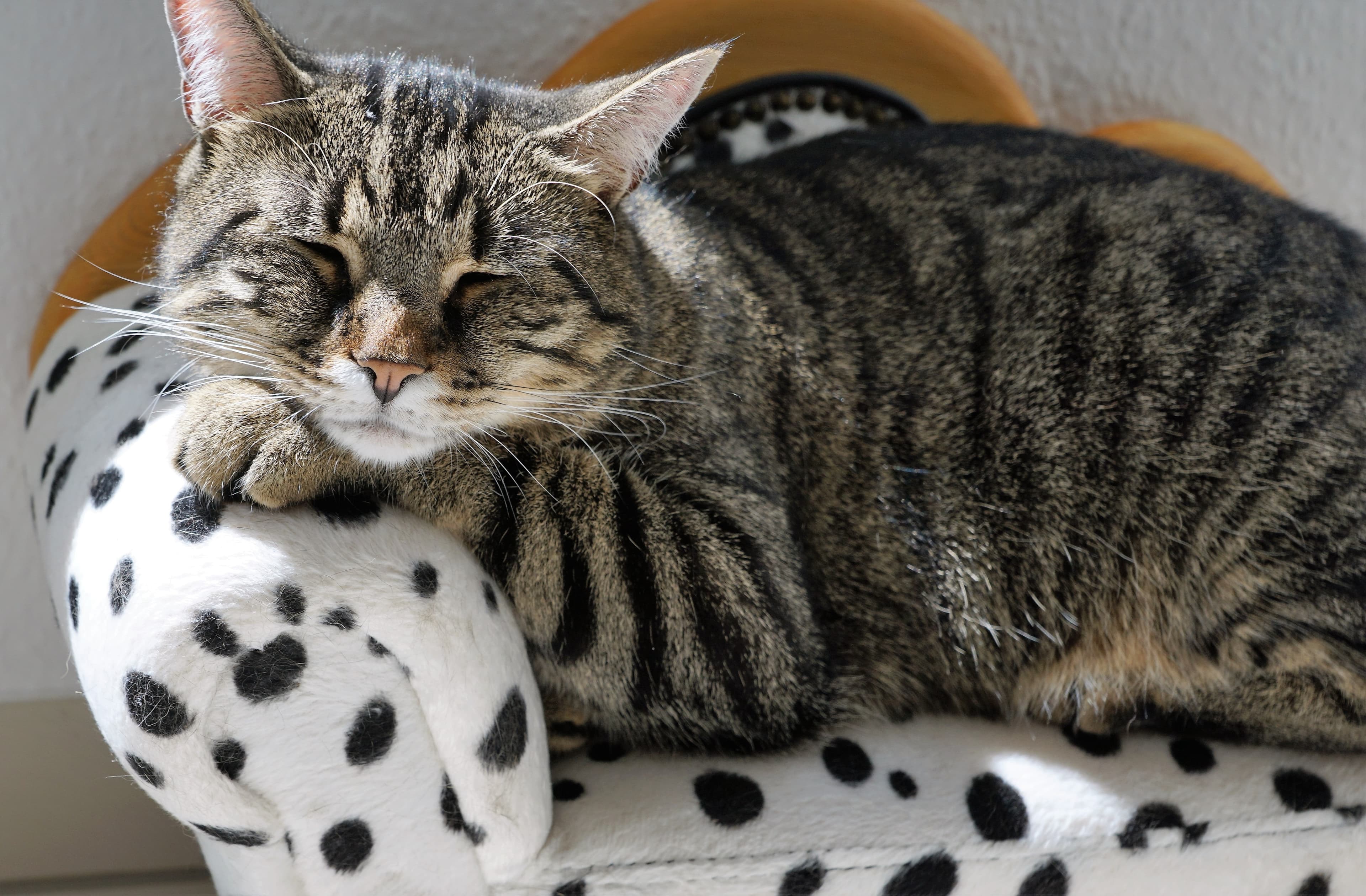

Hyperthyroidism in Cats: Causes, Symptoms, and Treatment
Explore the causes, symptoms, and treatments of hyperthyroidism in cats. Your complete guide to understanding what hyperthyroidism is and how you can help your cat.
Read more
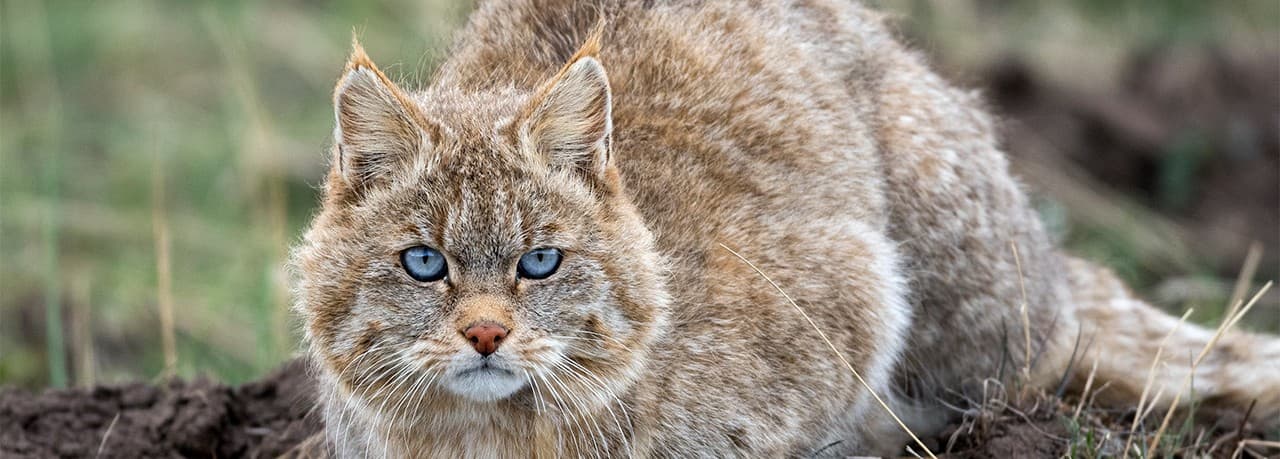
Chinese Mountain Cats
The Chinese Mountain Cat is native exclusively to the Tibetan plateau in China. Is the small, long-haired Chinese cat a subspecies of modern big cats, or is it a species all its own?
Read more

Are Christmas Trees Dangerous for Dogs or Cats?
Are Christmas Trees poisonous to your pet? Learn the best ways to protect your companions this Christmas season as we explore the dangers and how to keep them safe!
Read more

Winter Holiday Pet Safety Tips: Keeping Your Pets Safe and Cozy
From understanding what foods may be harmful to learning how to prevent injury and illness due to encounters with decorations, this article offers insights into winter holiday pet safety.
Read more
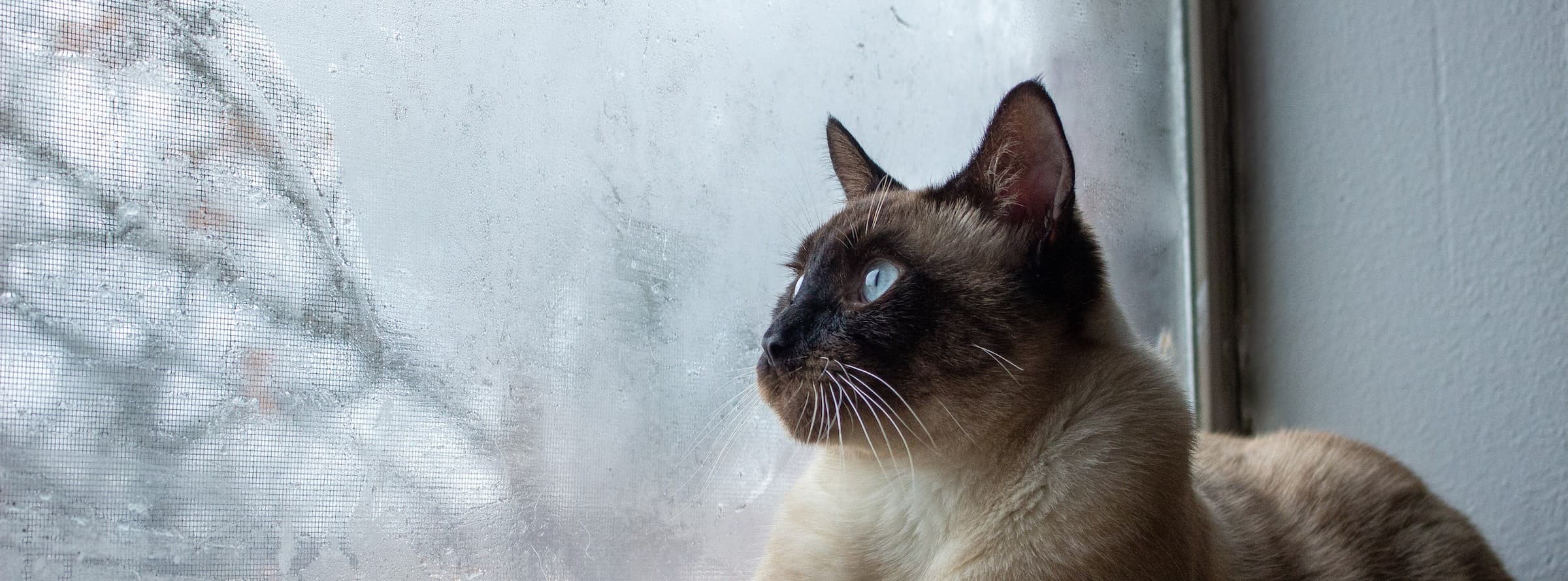
Discover the World of Fancy Cat Breeds: From Bengals to Russian Blues
In this article, we journey through some of the most enchanting and beautiful cat breeds that have captured hearts worldwide. By understanding the nuances of each breed, prospective cat owners can make informed decisions and bring home a pet that harmoniously fits their lifestyle.
Read more
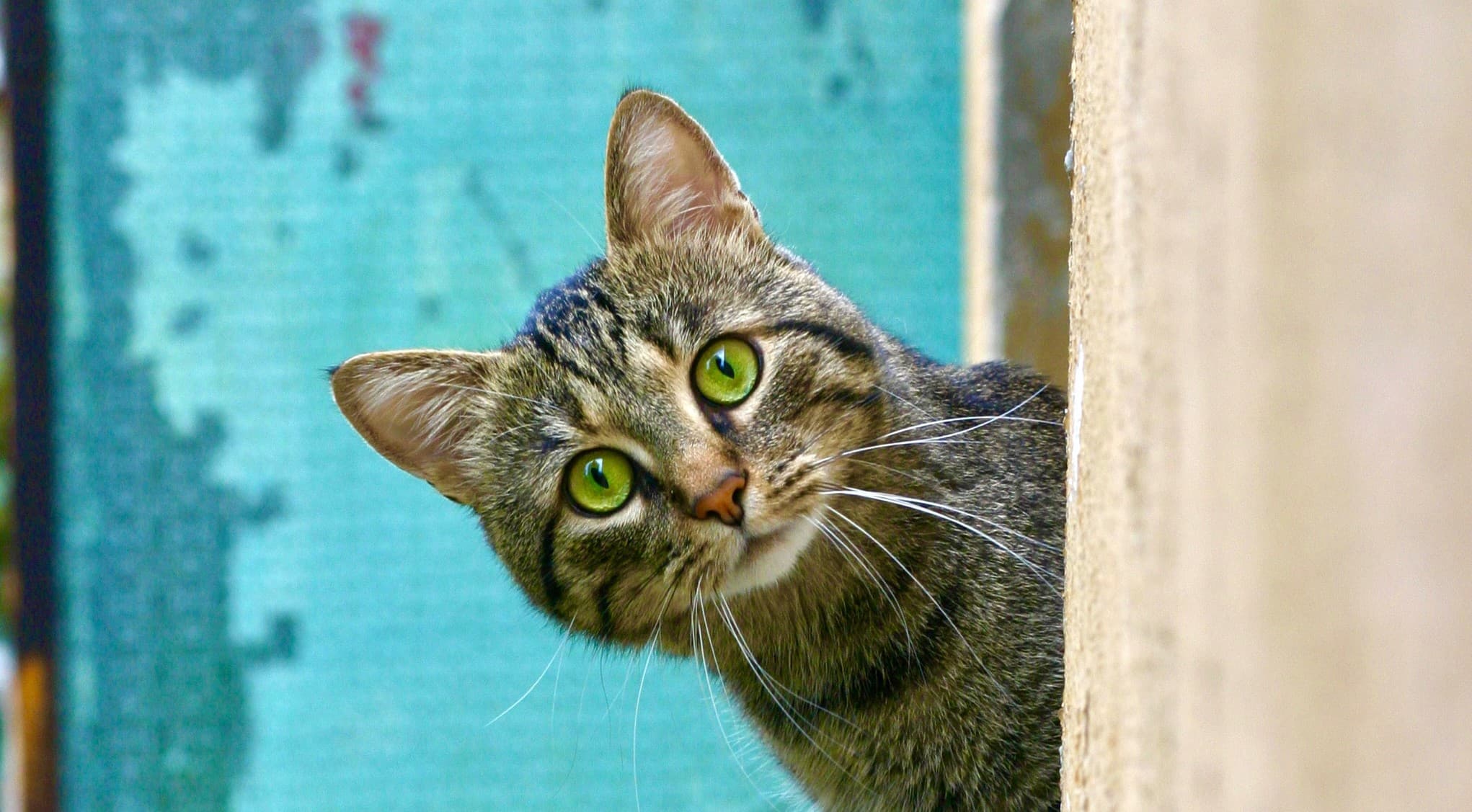
Do Cats Have Knees?
Do cats have knees? Although it can be confusing to differentiate between the ankle of a cat and the knee, yes, cats have knees, and it is called the stifle. Interestingly, just like humans, cats have a protective covering over their knees called the patella, also known as the kneecap.
Read more
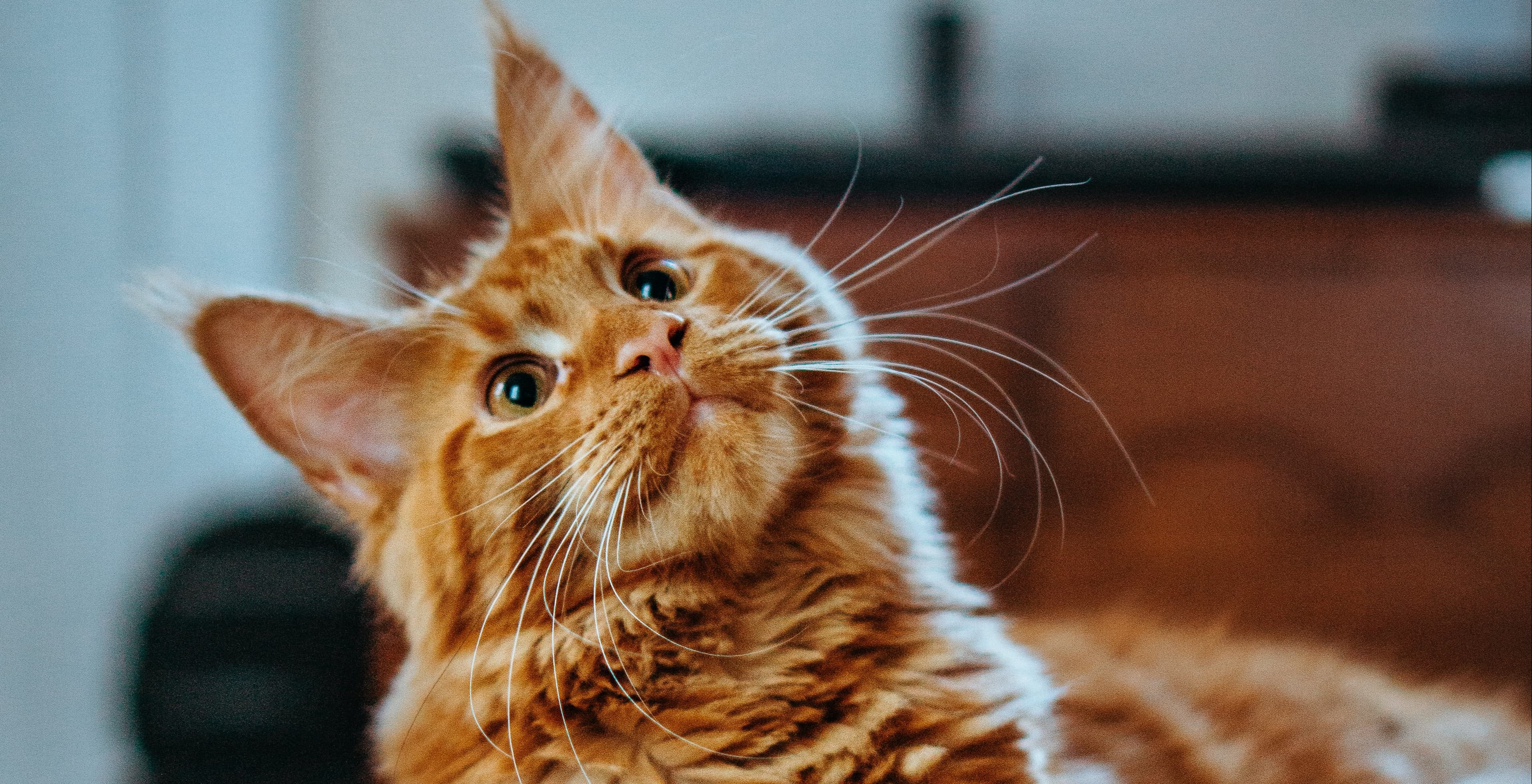
Can Cats Get Hiccups?
Cat hiccups may be cute, but is there ever cause for concern? While the occasional bout of hiccups can generally be equated to eating too quickly or even being a kitten, frequent episodes can also indicate other conditions.
Read more