
Cat
How Big Can Maine Coon Cats Get?
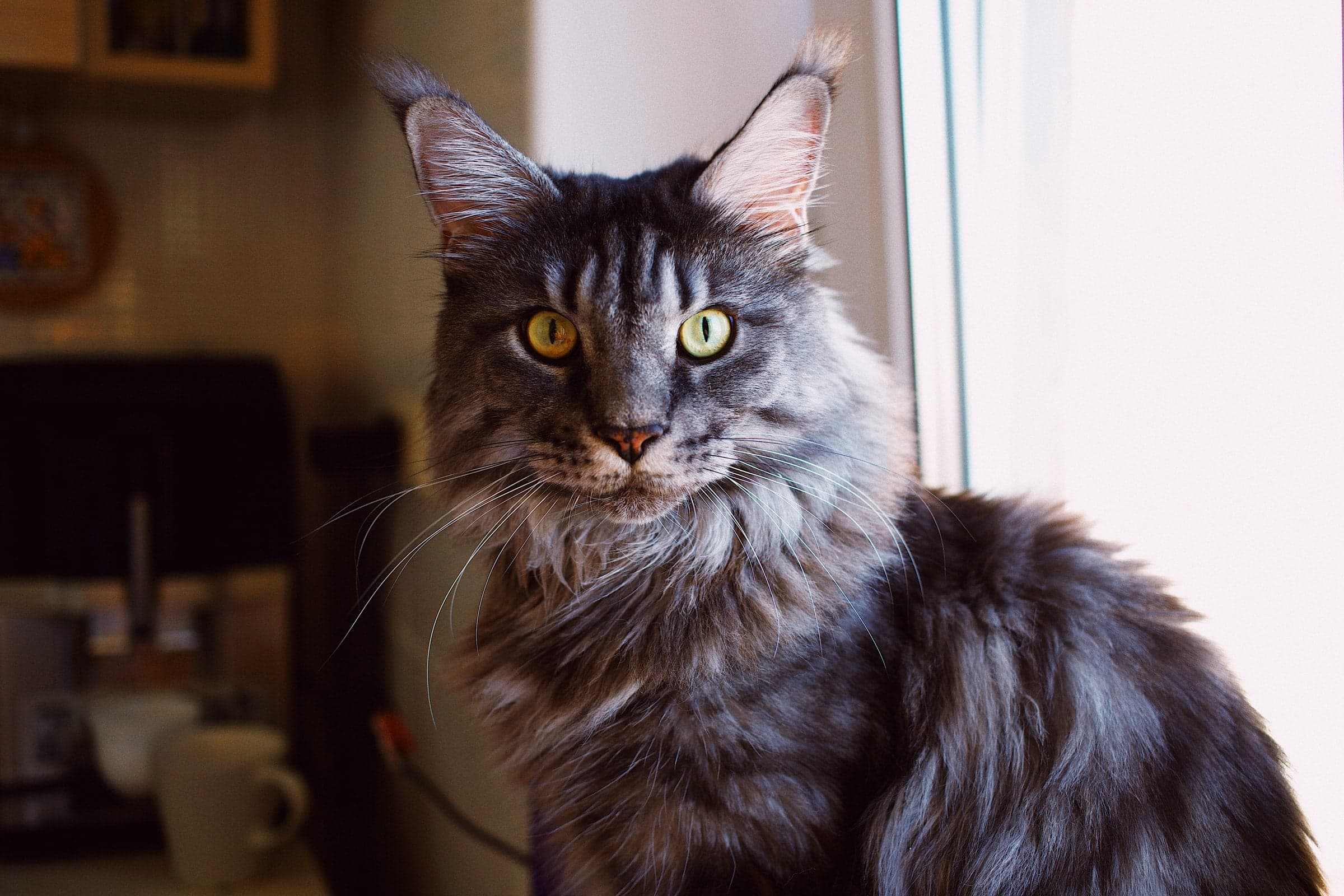
Maine Coon cats are one of the largest breeds of domestic cats in the world, with some males reaching up to 20 pounds or more when fully grown! Some believe that these cats originated in the state of Maine and are known as "gentle giants" due to their temperament and size. In this article, we will take a closer look at just how big Maine coon cats get.
Read more
Exploring the Impact of Carnations on Feline Health: Are Carnations Toxic To Cats?
Carnations are a common flower in areas such as Europe, North Africa, and certain parts of North America. Their typical bloom time is in late July to early August, and they generally go to seed in September. Maybe people enjoy their cheerful blooms in their gardens and as colorful bouquets indoors. But, if you are a cat parent, you may wonder if carnations are toxic to your furry little friend. So, are carnations safe for cats or maybe cats and carnations aren’t a good mix?
Read more

Is Christmas Cactus Poisonous to Cats?
Understanding which types of plants are harmful to your pets is an important part of pet parenthood. Christmas Cactuses may look beautiful (and are perfectly safe for humans) can be dangerous and potentially deadly if consumed by our furry friends.
Read more
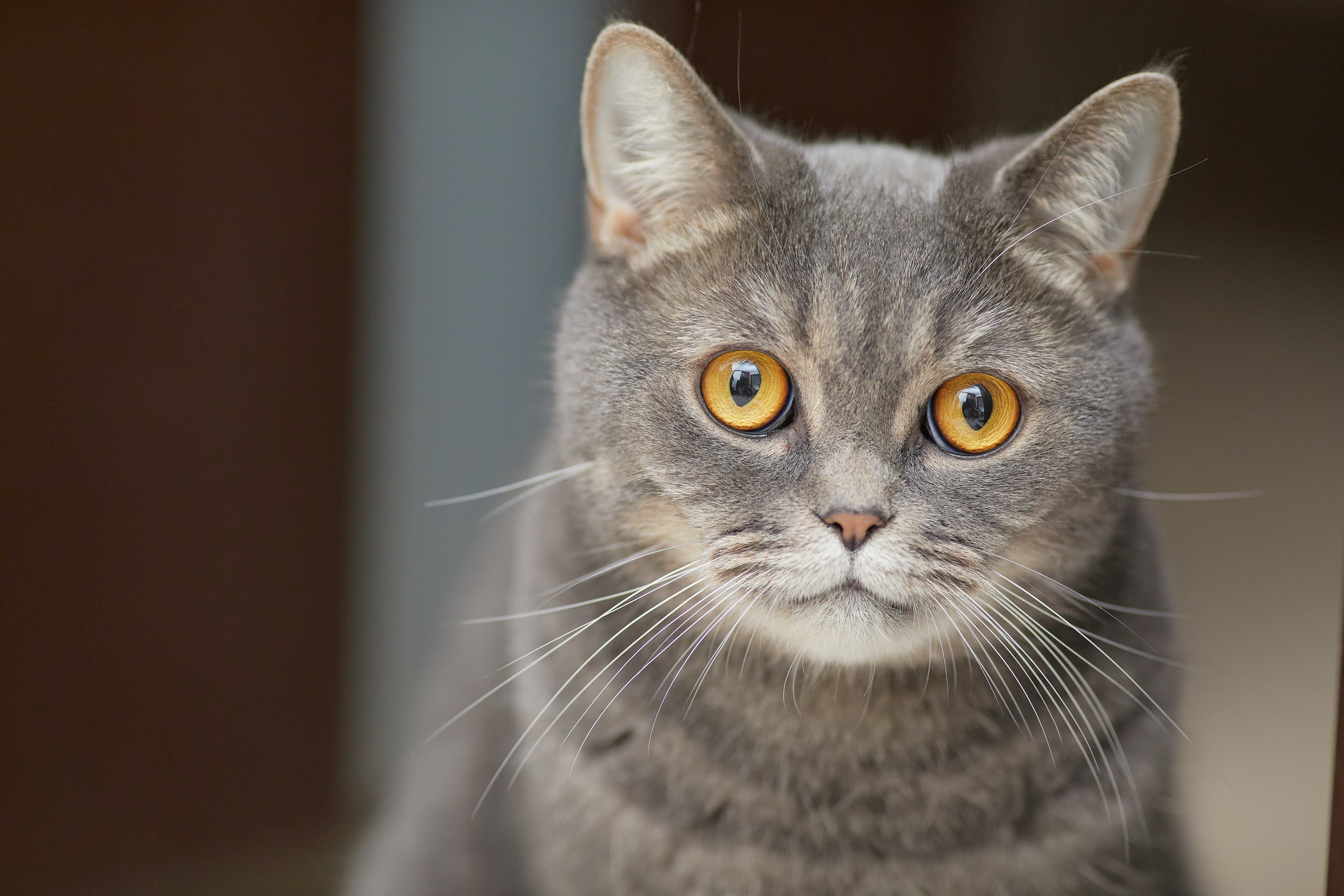
Eyes of the Felis: A Comprehensive Guide to Interpreting Cat Eyes Meaning
Among the most mysterious and captivating forms of animal communication is the language of cat eyes. Those mesmerizing orbs not only serve as windows to their souls but also reveal a plethora of emotions and intentions. In this article, we'll delve into the captivating world of cat eyes and decipher the messages they convey.
Read more
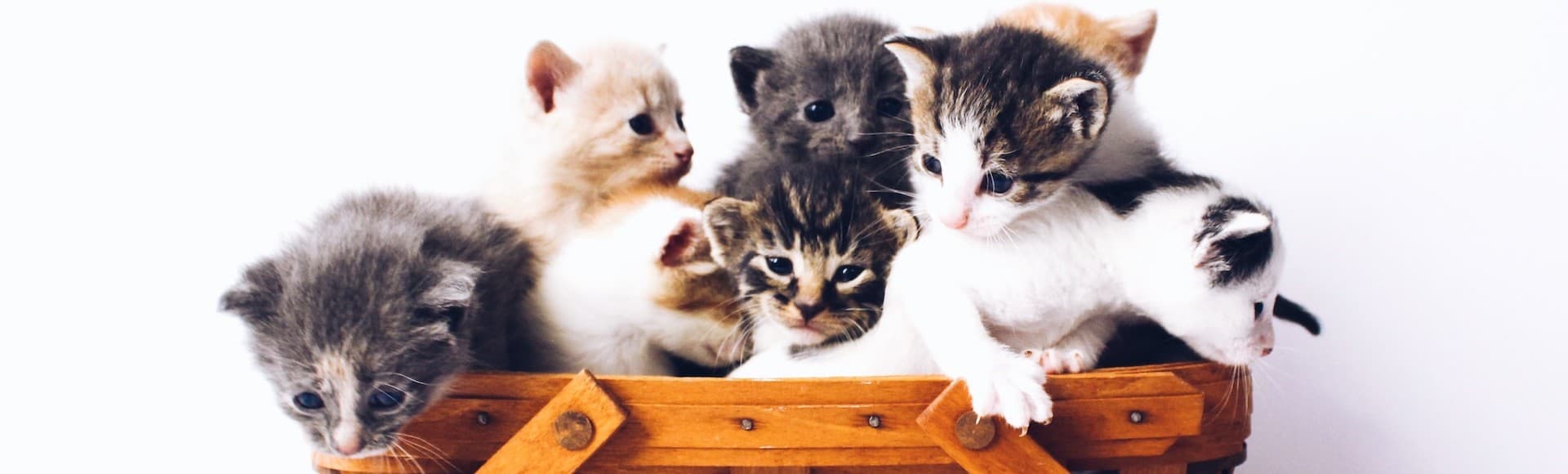
Catwalk to Fame: Who is The Cutest Cat in the World?
Whether they're playful kittens or wise old cats, their unique personalities never cease to amaze. In this article, we'll embark on a journey through the world of cats, exploring the most adorable breeds and specific felines that have stolen hearts worldwide.
Read more
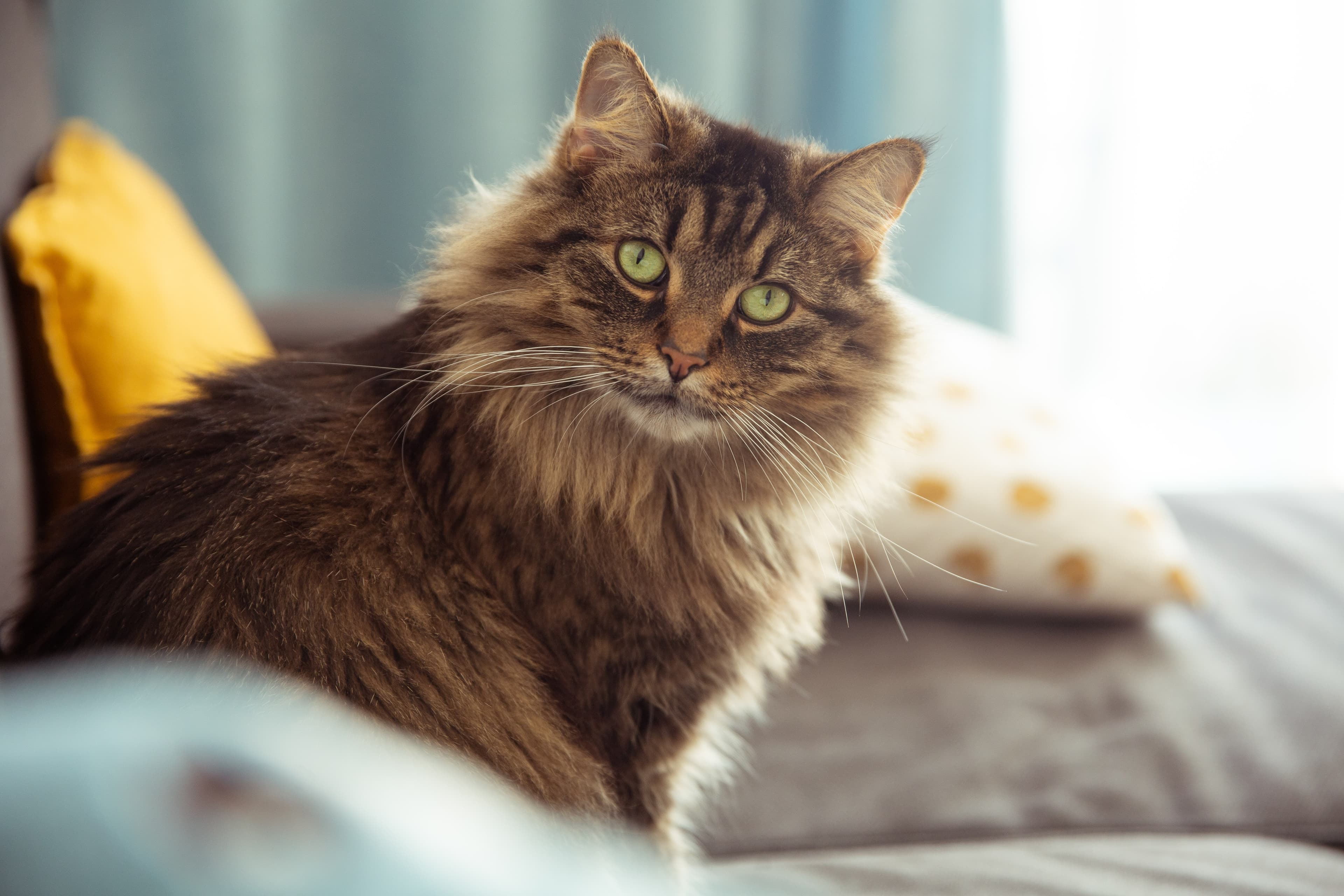
Norse Cat Names
If you are searching for a name that stands out but still has a deep significance, consider a Norse culture as inspiration. There are many potential names to pick from among the many potent deities and goddesses in ancient north mythology. This kind of cat moniker is a terrific option if you want a name that conveys power and strength.
Read more
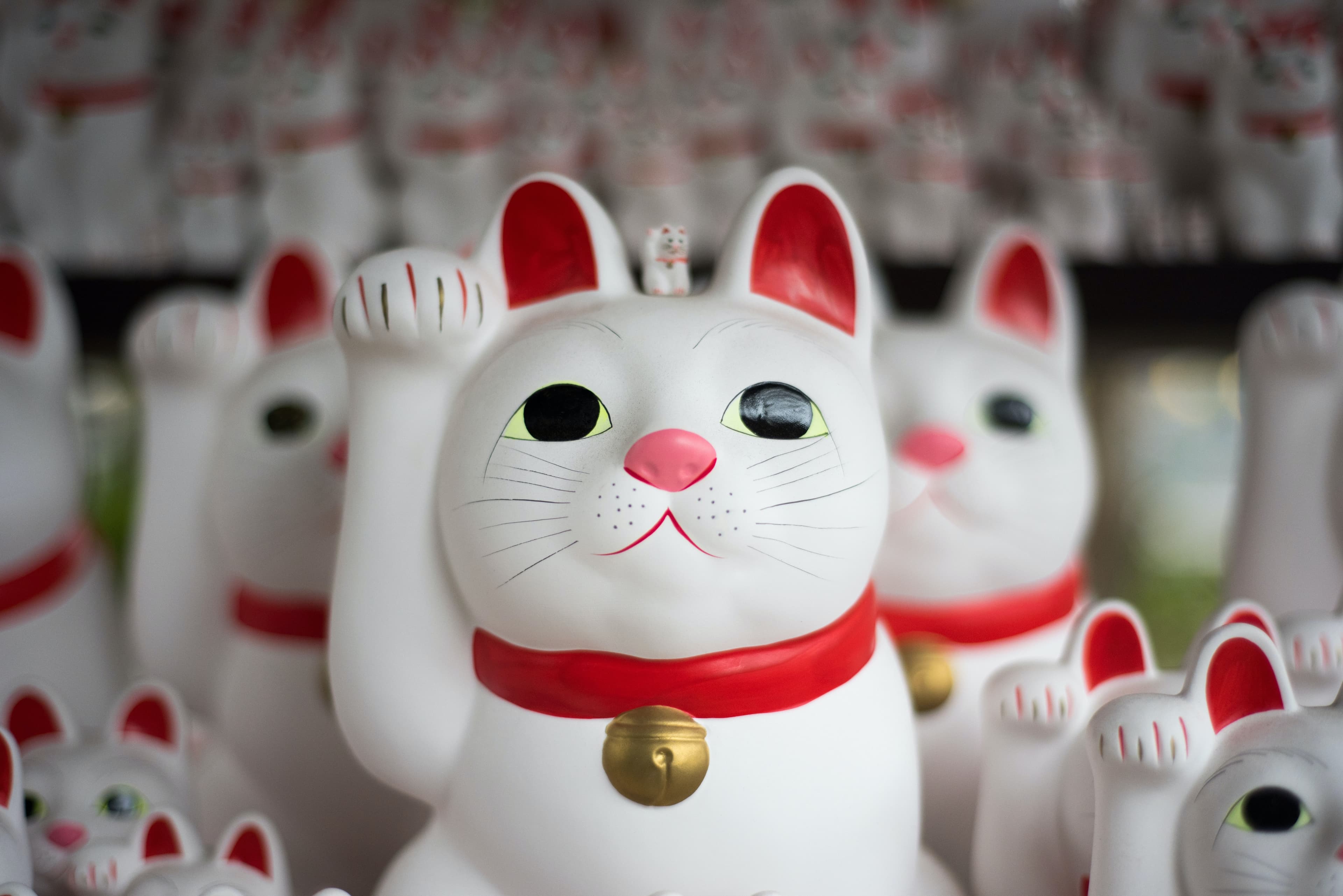
Anime names for a cat
When you have to choose a pet’s name there are so many variants and possible names that you might get lost in this. So, now you chose one reference point in this endless world of names- you want an anime-related name. That is a good start!
Read more
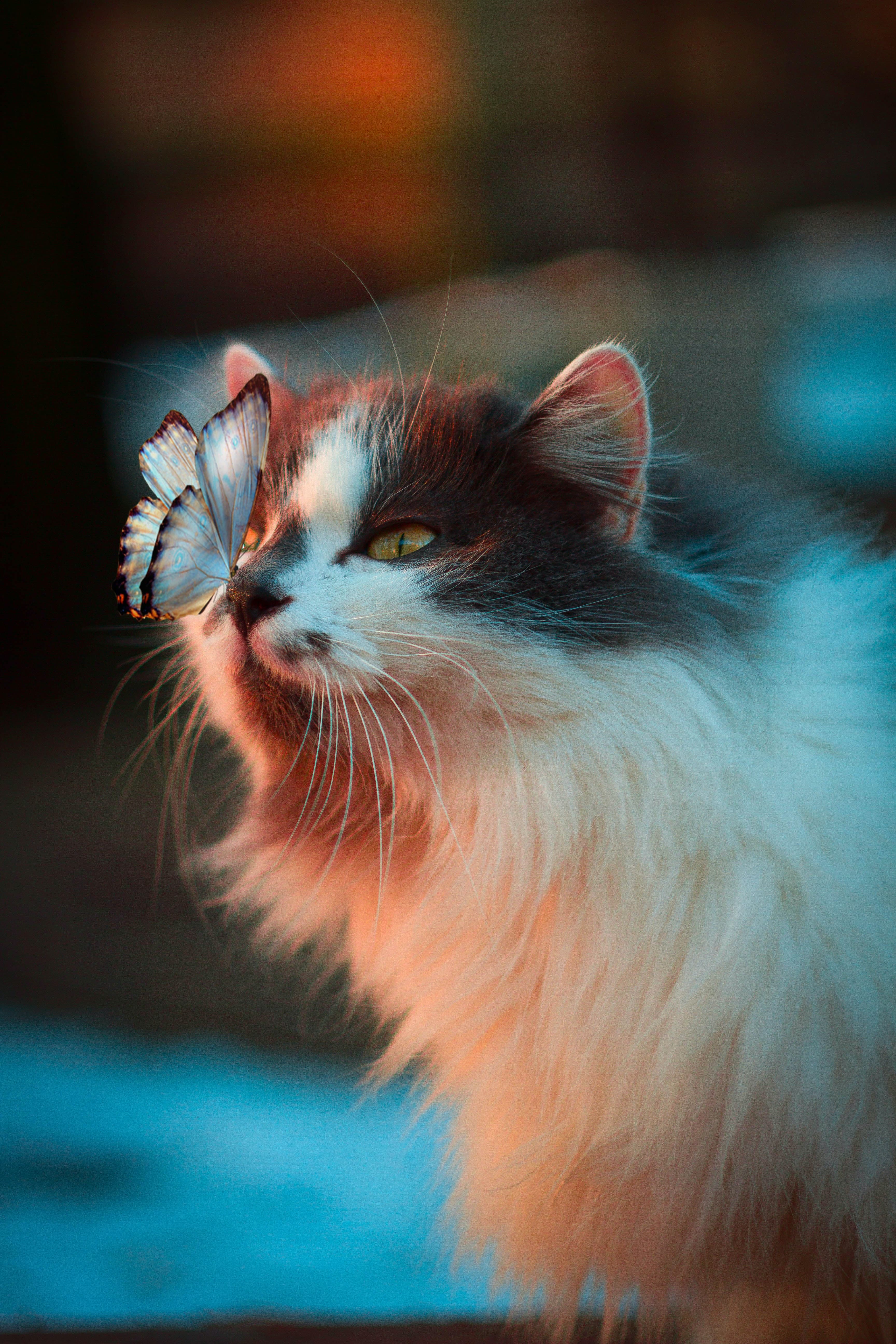
Top spiritually-inspired cat names for your kitten
Picking a name for your adorable cat that will stand out among another cat person is fun. We can be creative, like getting a name from a favorite movie or tv show. We can pick a name from foods and colors. And sometimes, we can go beyond our limits and pick a name from the supernatural and unforeseen force side of our world.
Read more