
Cat
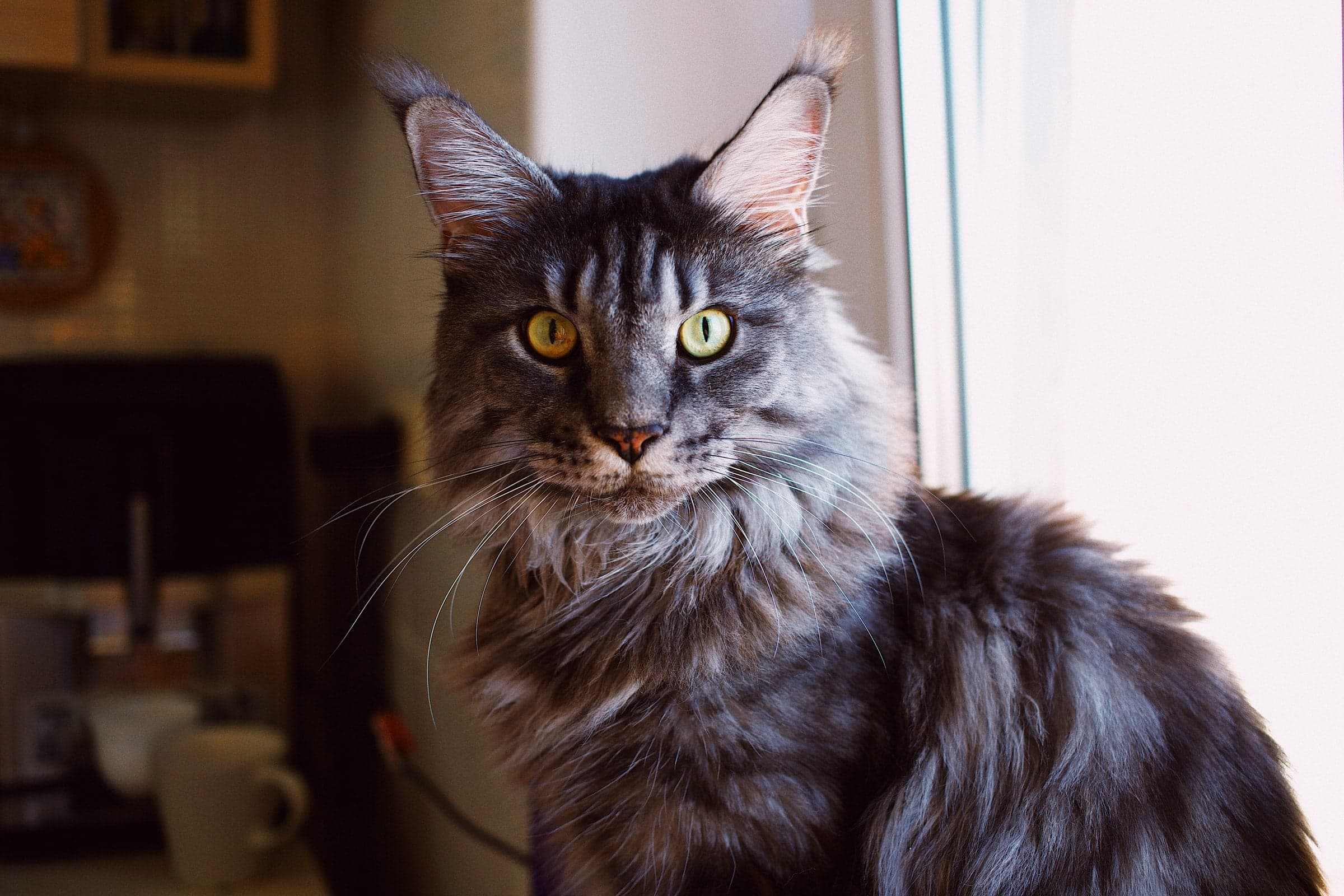
How Big Can Maine Coon Cats Get?
Maine Coon cats are one of the largest breeds of domestic cats in the world, with some males reaching up to 20 pounds or more when fully grown! Some believe that these cats originated in the state of Maine and are known as "gentle giants" due to their temperament and size. In this article, we will take a closer look at just how big Maine coon cats get.
Read more
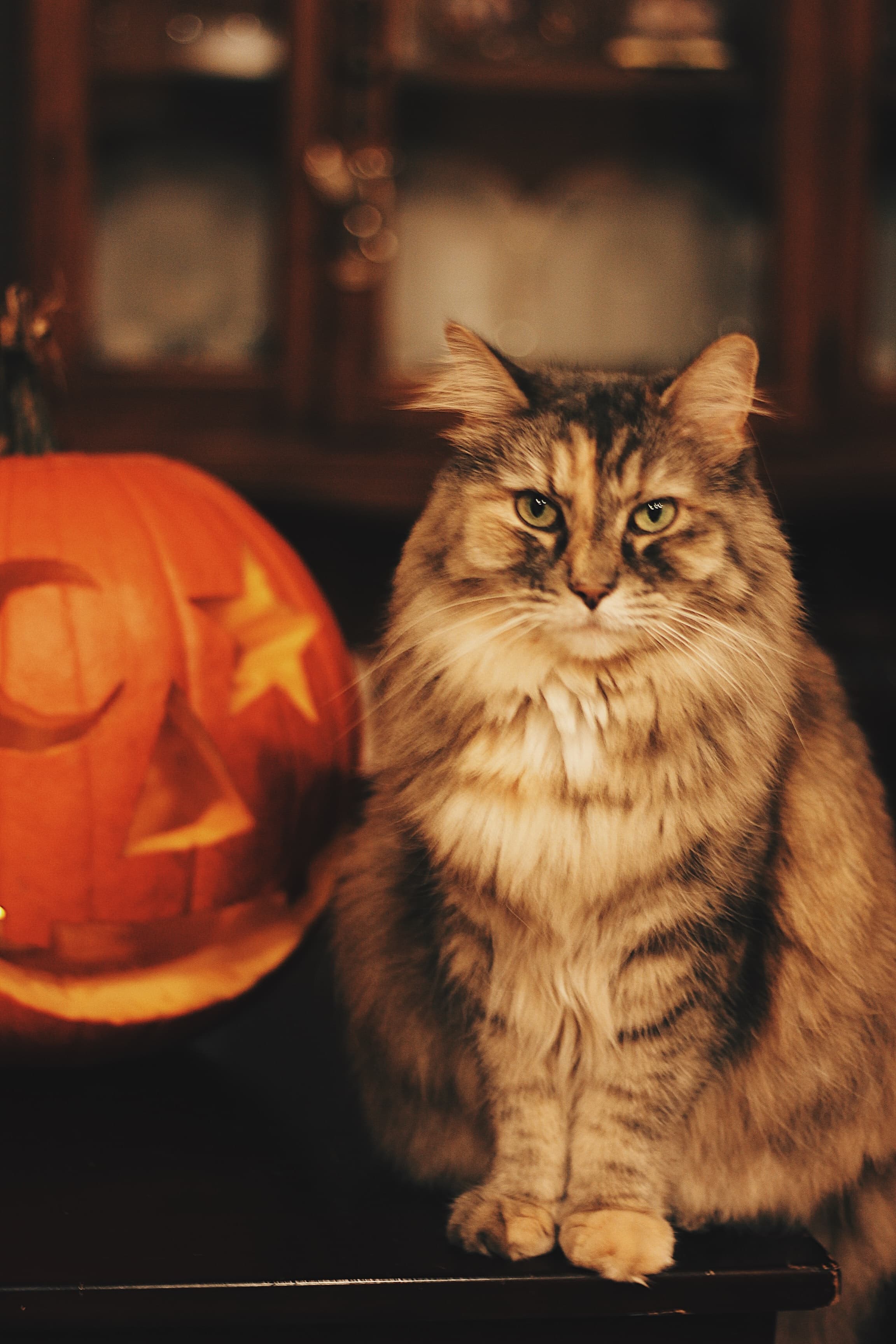
Halloween Cat Names for Your Pet
Halloween is a fun holiday. People dress up and allow their imagination to go wild. The origin of the holiday from the Celtic festival called Samhain. The Celts wore costumes to look like a ghost while performing rituals by a bonfire. They believed that pretending to be ghouls, keeps supernatural beings away. Thus, the practice of dressing up in eerie clothing has become a practice.
Read more
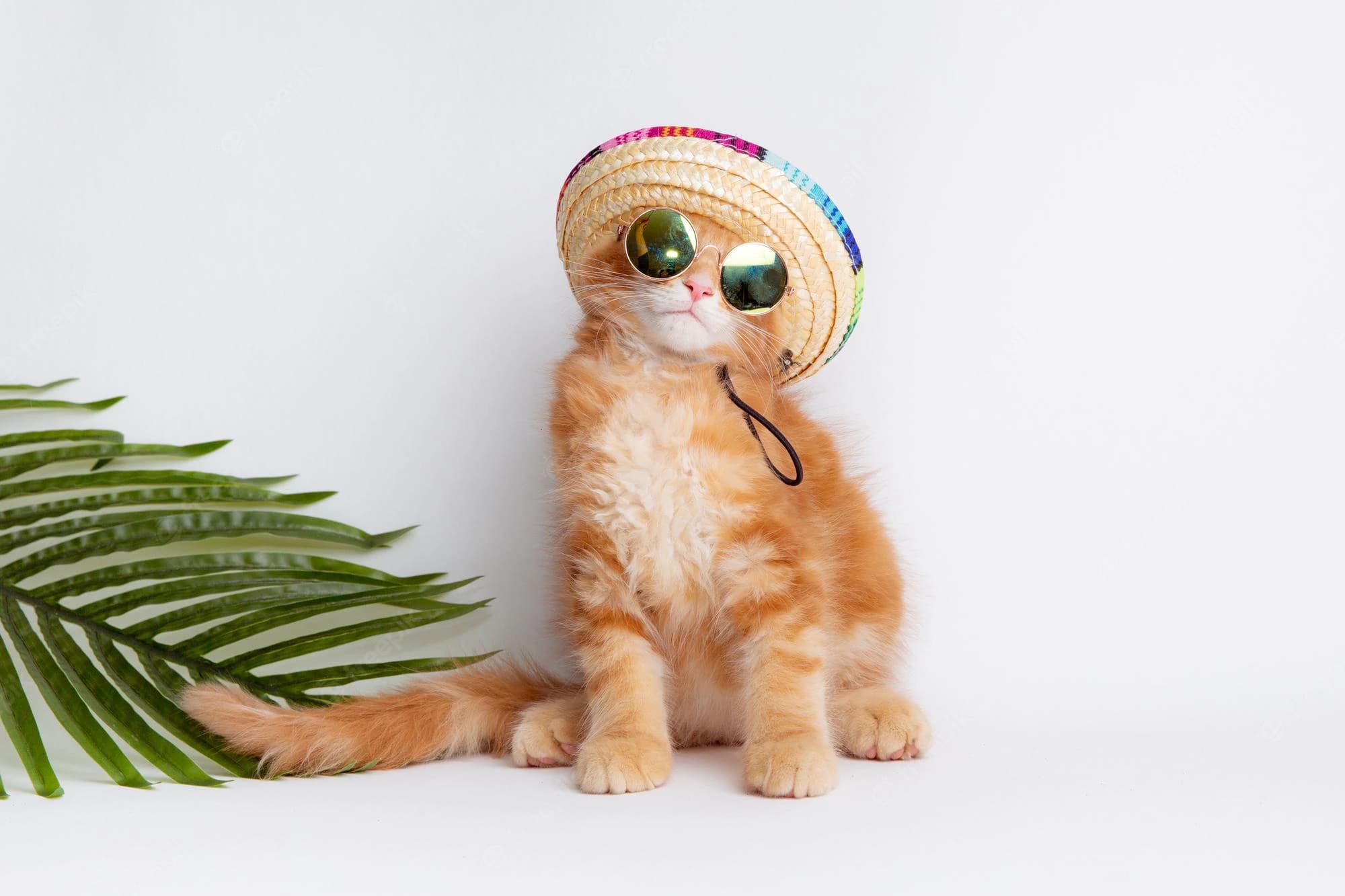
Mexican Cat Names
There are lots of popular cat names like Tiger and Sophie. But should we stop on this? Different cultures have different names and unique ways in which they call their cats. This article will give you an overview of some of the most common Mexican names for cats and how they are called in Mexico.
Read more
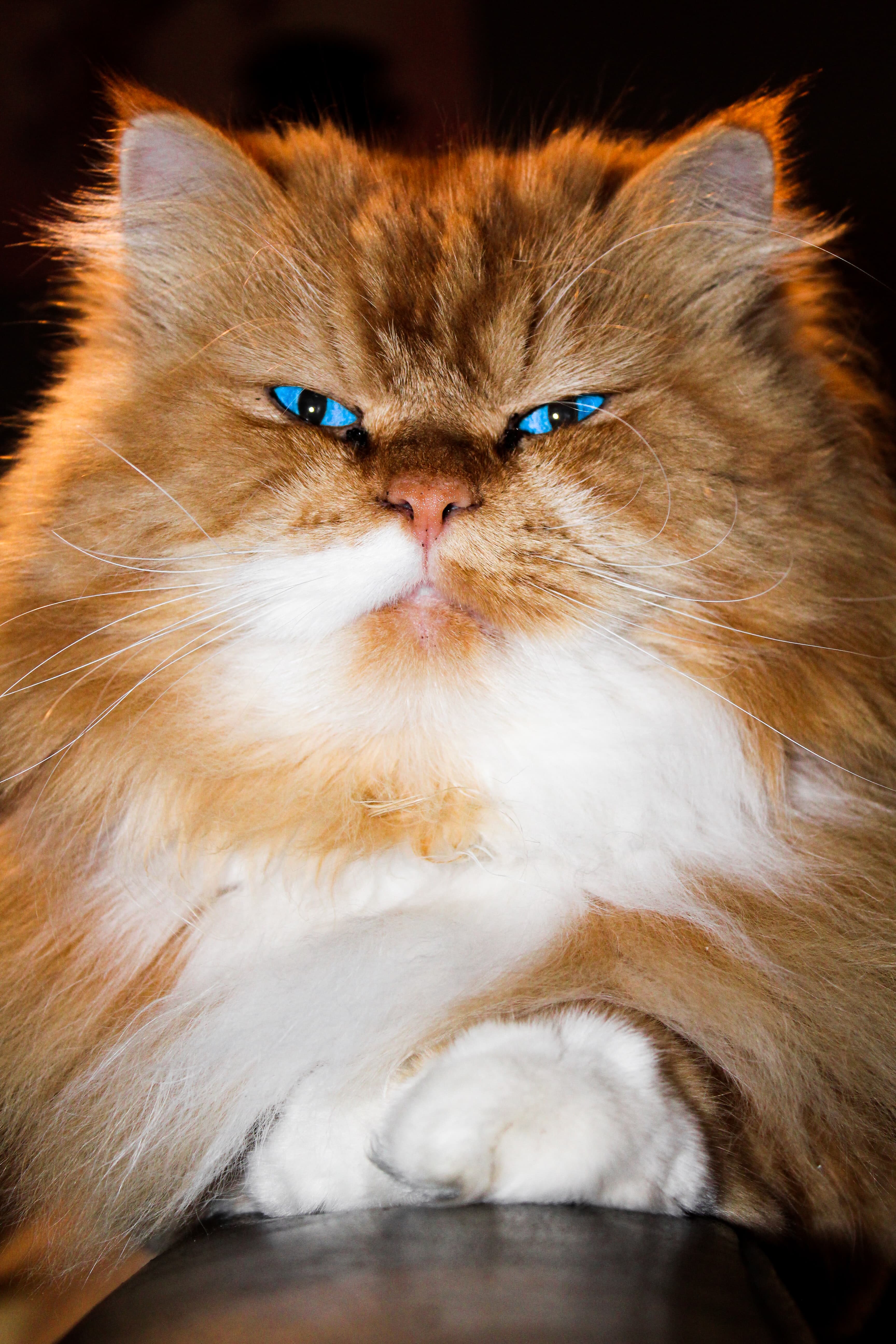
Famous Cat Names – A Helpful Name Picking Guide
Still can’t decide on a suitable name for your cat? You might want to browse through famous cat names! No matter what the choice, famous cat names are commonly picked by feline owners for various reasons.
Read more
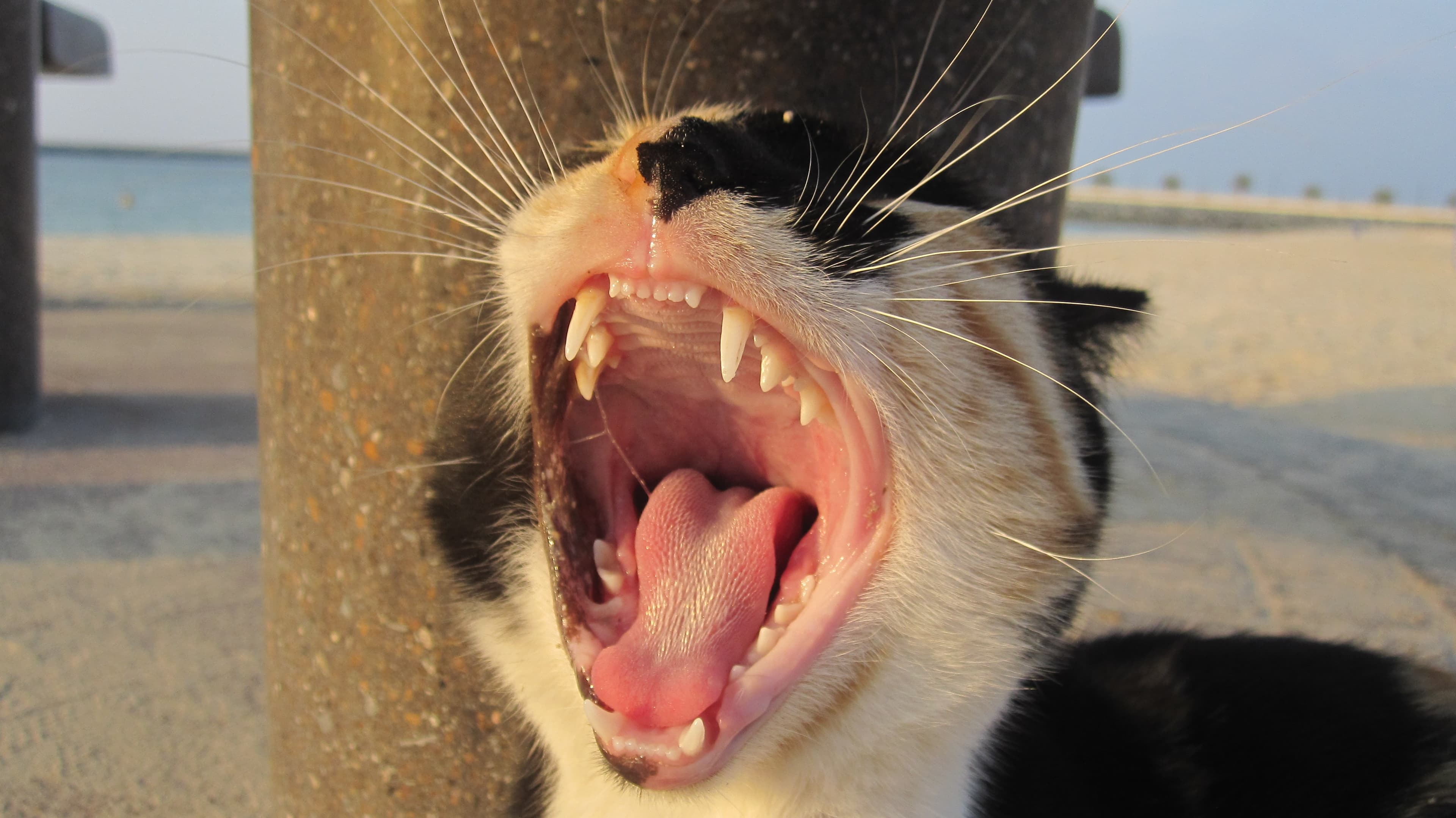
California's Most Popular Cat Names
As soon as you get your new kitten home, it would help if you started thinking of a name for it. Many wish to learn about their kitten's characteristics before deciding on a name. In some cases, however, a character will come to you when you look at your new kitten.
The worlds of popular culture and entertainment offer a wealth of potential names for your new male cat, whether you're a die-hard cinephile, a casual Netflix watcher, or a dedicated reader. Your cat may spend a lot of time sleeping in front of the warm TV, so don't be alarmed if you find it there.
Read more
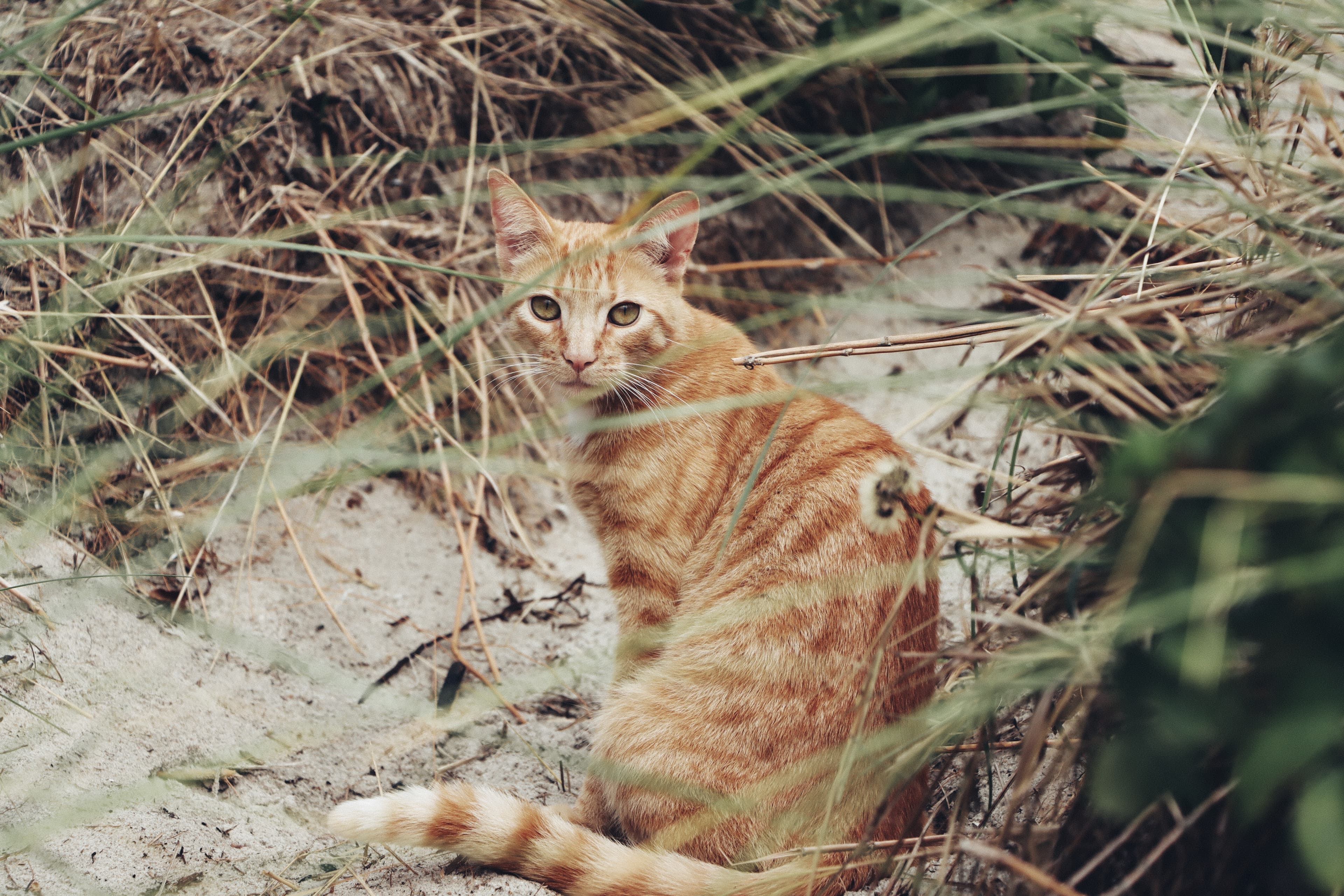
Best Cat Names
Cats are popular pets. As cat ownership rises, so does the demand for new names. Choosing a cat's name has several consequences. Choose a character with a personal meaning that your cat will recognize. Stop your choice on a name that isn't too popular. Otherwise, your cat could blend in.
Read more
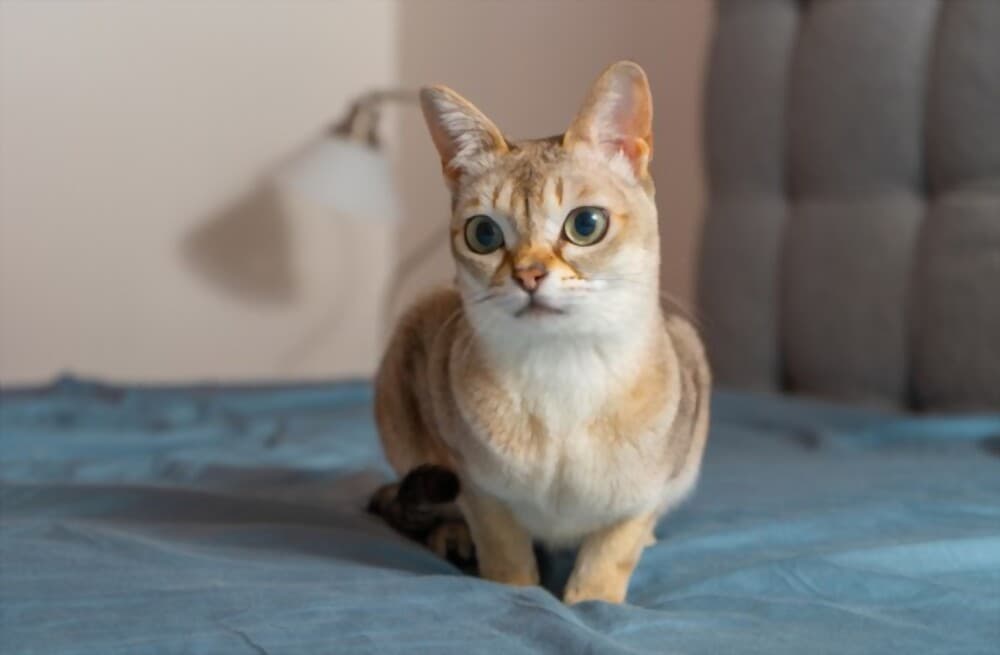
Cats that stay small
Cats are remarkable animals with a wide range of sizes and personalities. They come in all shapes and sizes, from the massive Maine Coon to the small Ragdoll Cats. With so many breeds out there, it can be difficult to narrow down your choices- especially if you live in a small space. While you may be drawn to a large breed, you may be better off choosing a cat that stays small.
Read more
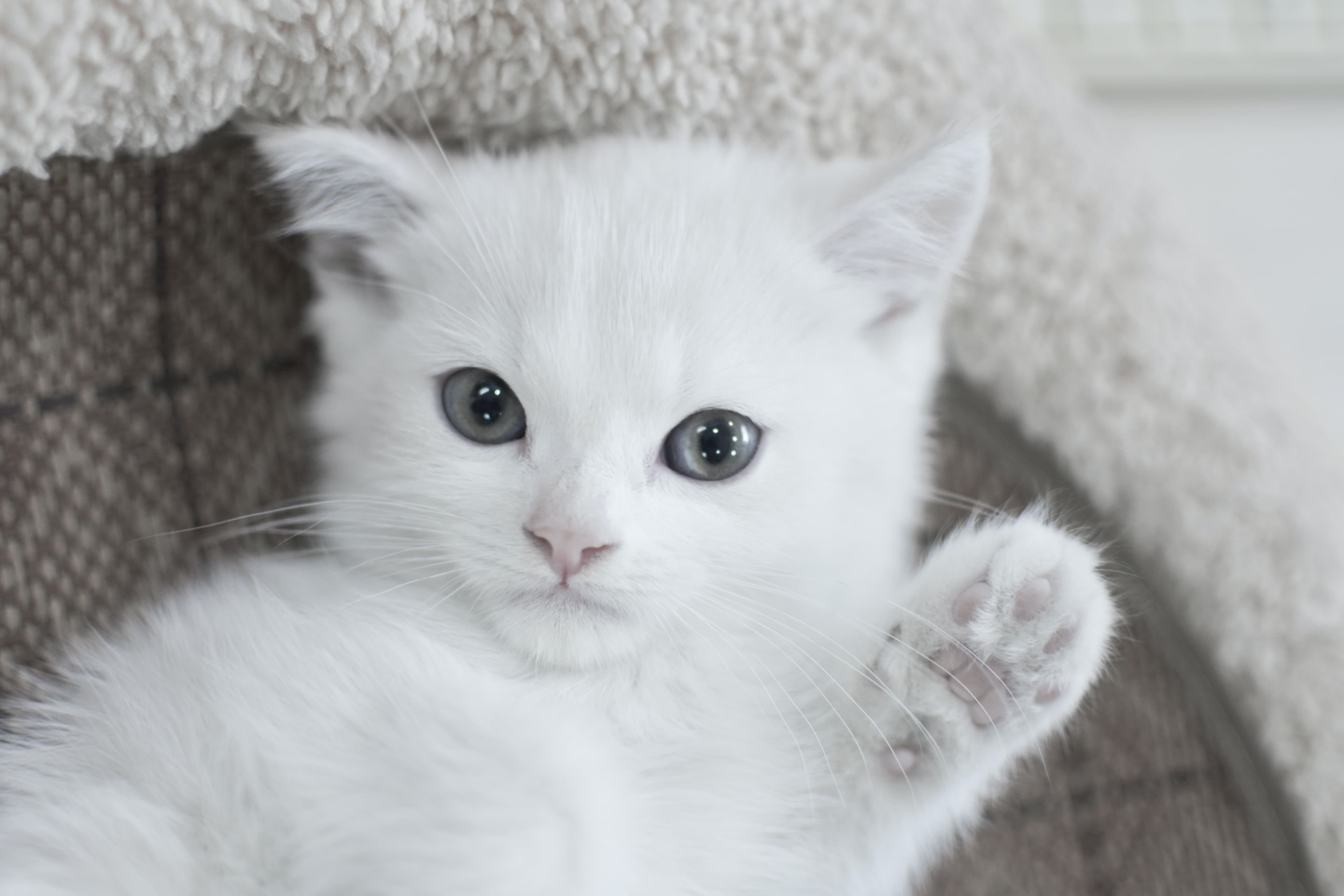
Why Are Cats So Cute?
Pets are an important part of our families and our lives. Some people refer to their pets as ‘fur babies,” and some feel their pets are like their children. When our pets look at us, or as we watch them play or go through their days, we are sometimes enchanted by their appearance or their actions.
Cats are one of the most frequent types of pets and their owners are unanimous in proclaiming their cuteness. When they chase their tails, play with beams of light, or stare at us with their wide, imploring eyes, we fall in love with our cats a thousand times a day.
Read more