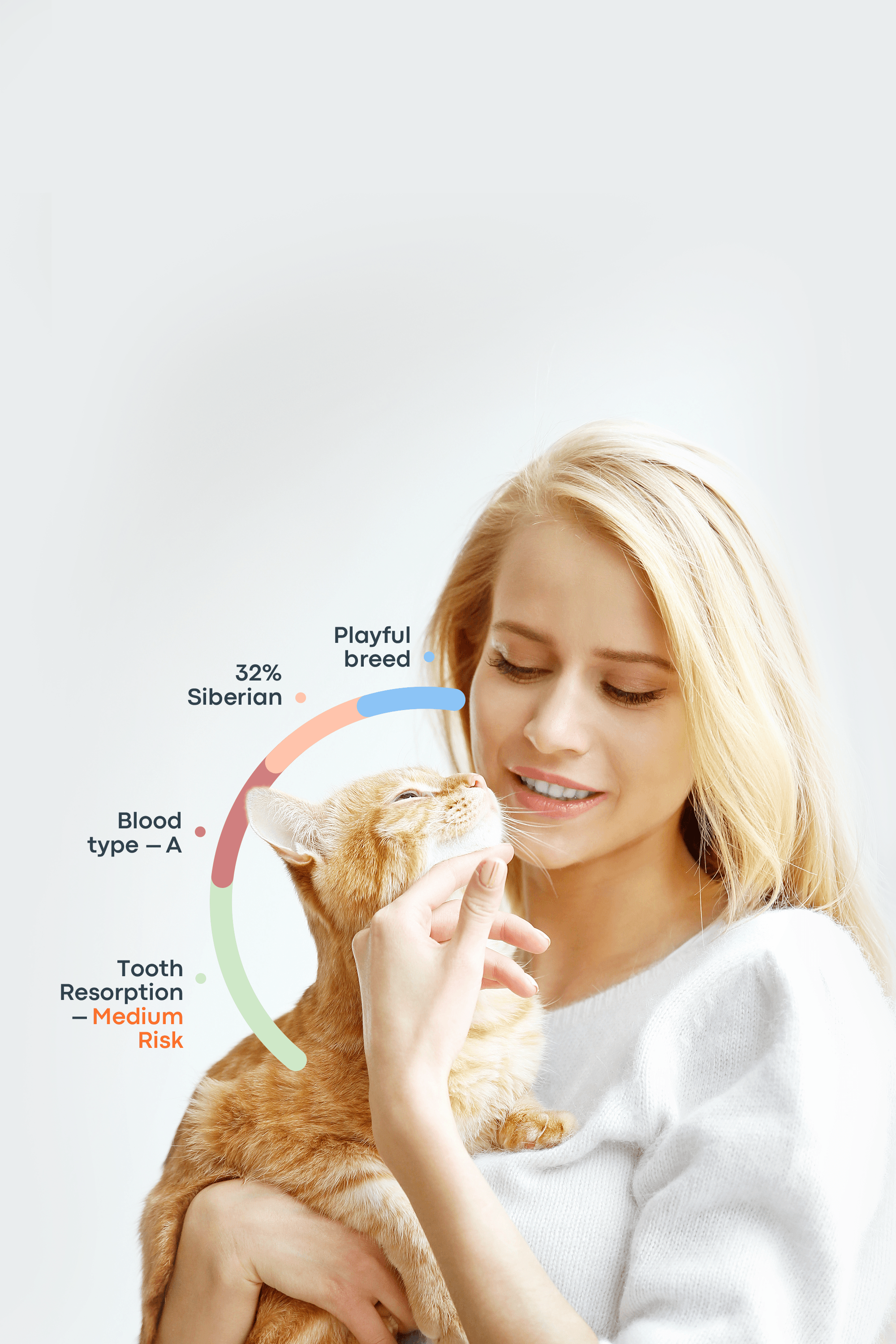

Cat
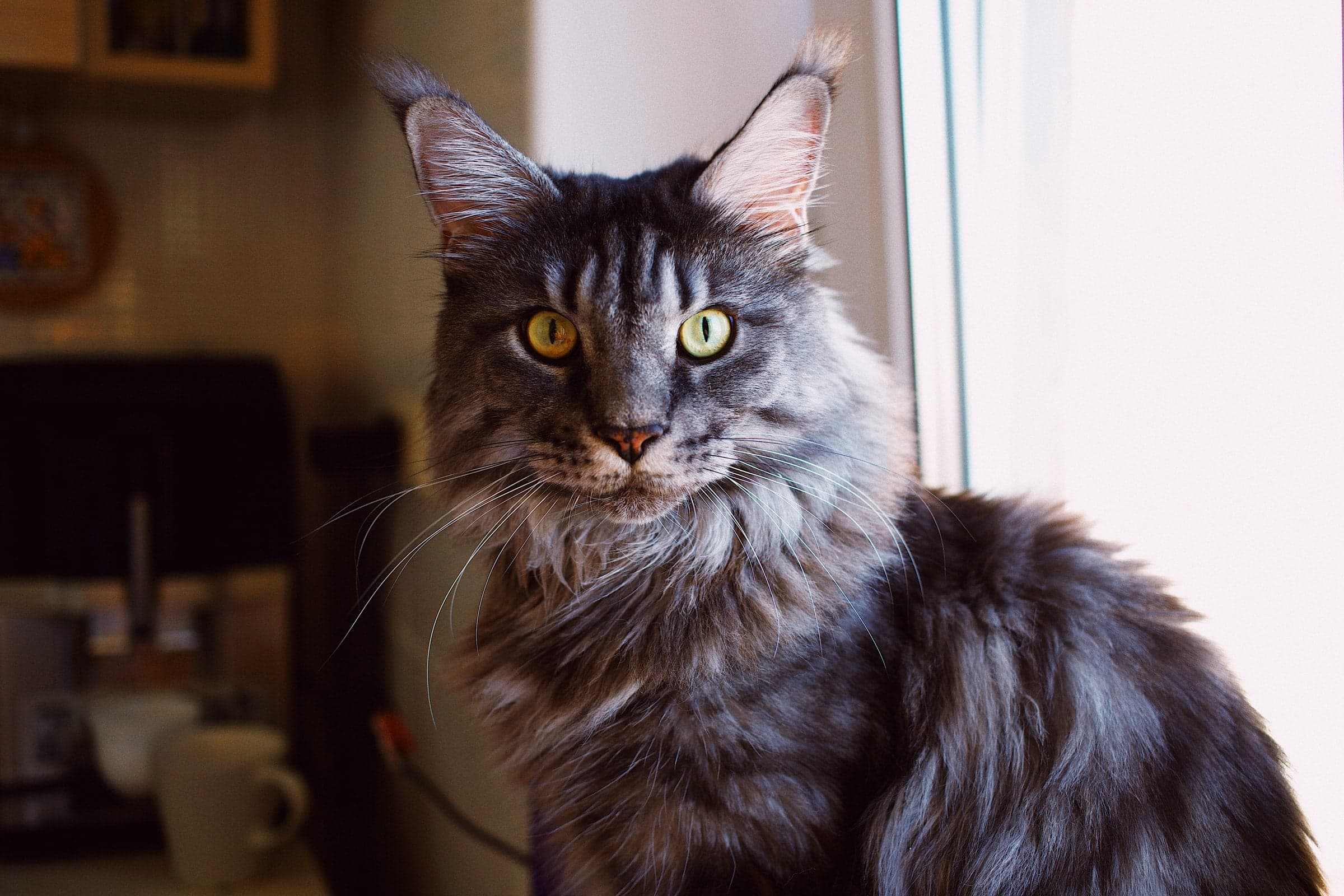
How Big Can Maine Coon Cats Get?
Maine Coon cats are one of the largest breeds of domestic cats in the world, with some males reaching up to 20 pounds or more when fully grown! Some believe that these cats originated in the state of Maine and are known as "gentle giants" due to their temperament and size. In this article, we will take a closer look at just how big Maine coon cats get.
Read more
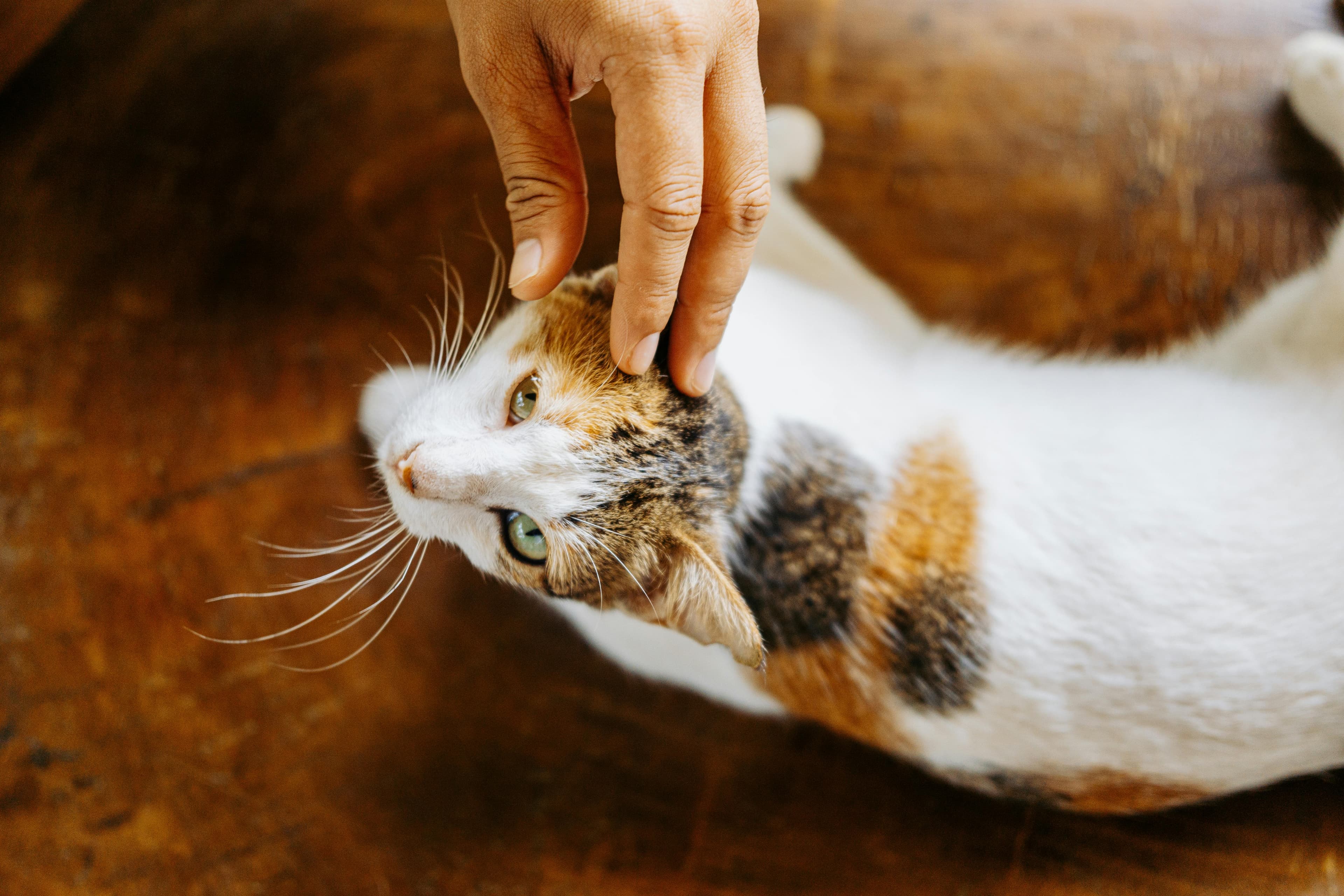
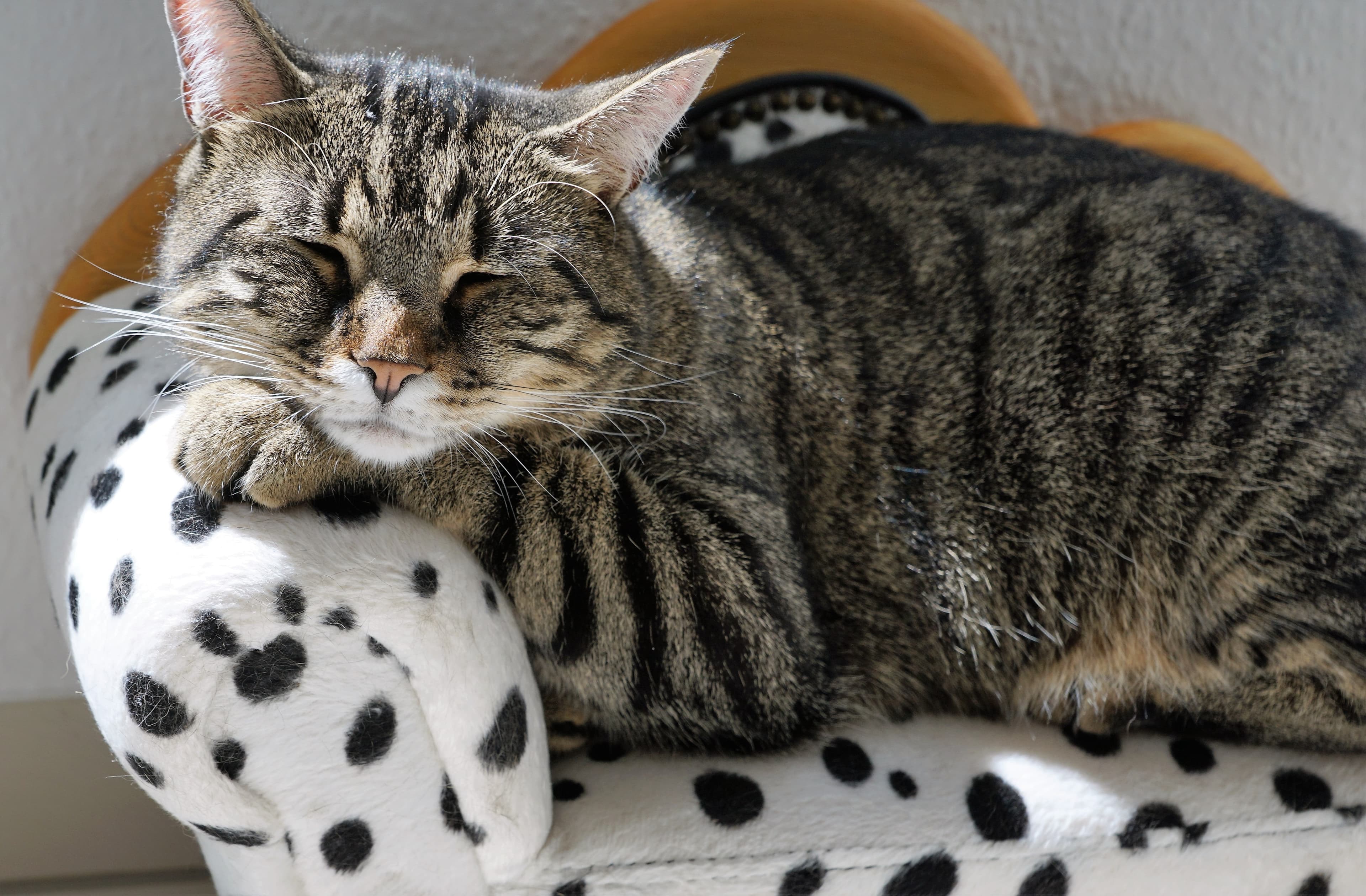
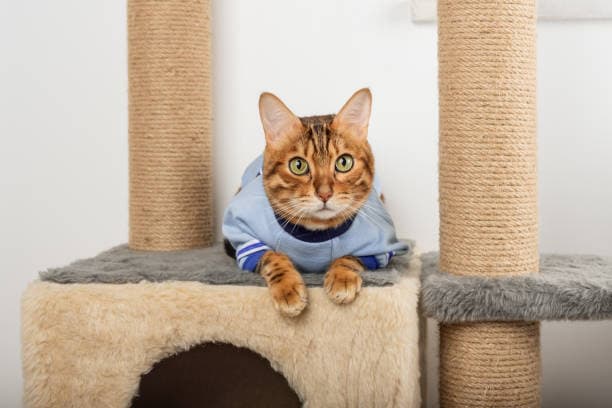
How to litter train a kitten?
There is an opinion that training cats at home are a complex and impossible task. In fact, if you approach this activity correctly, then training cats will turn out to be not so difficult. An important point in this process is that you need to find the right approach for your furry pet, taking into account all its features.
Read more
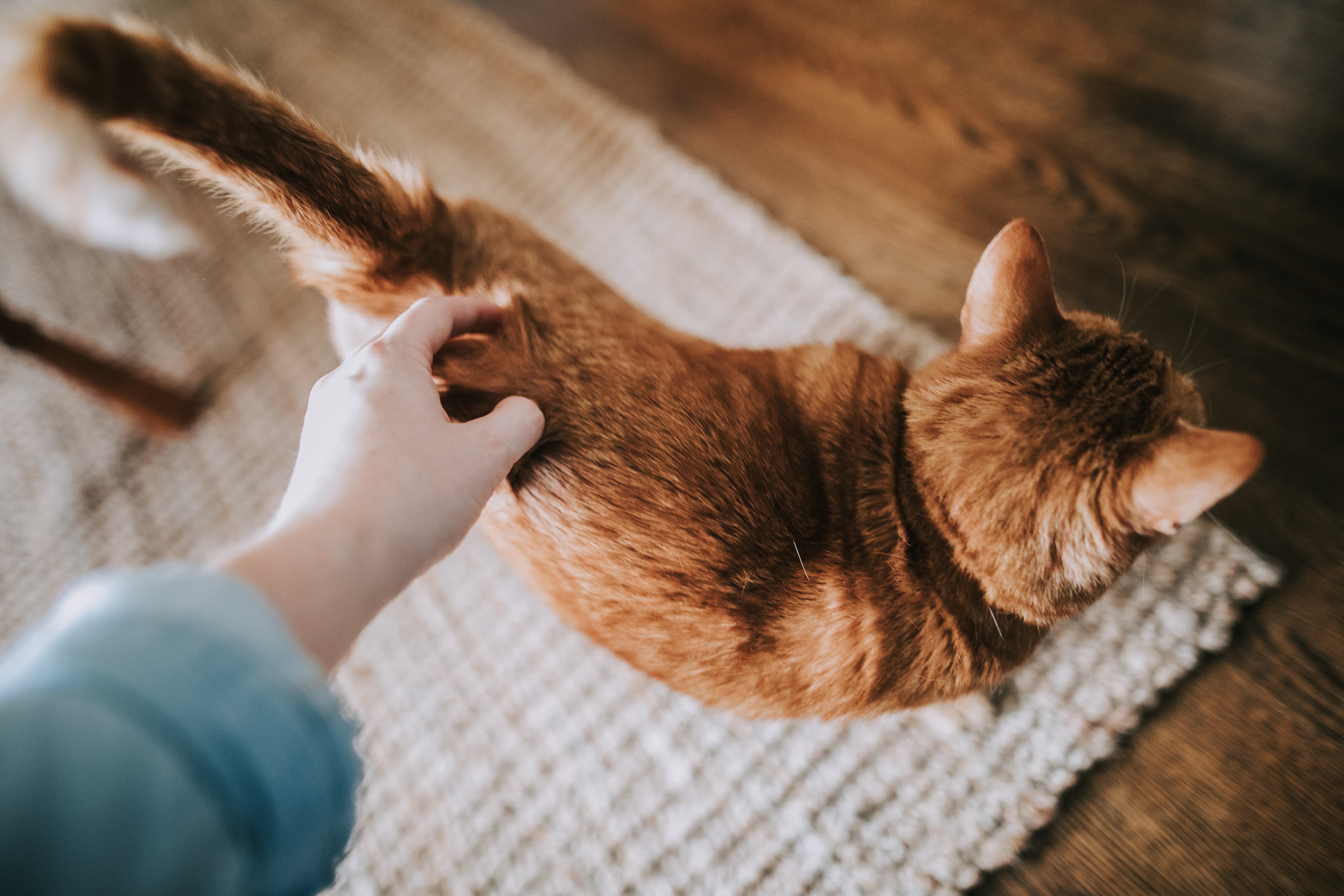
Why Do Cats Wag Their Tails?
When cats wag their tail, they manifest a miscellany of moods: from merriment and exhilaration to ire and vexation. These movements are sundry: sluggish, rapid, in the form of quivering or shaking.
Read more

Take Your Cat to the Vet Day
By taking your cat to the vet regularly, you’re not only helping them stay happy and healthy but also making sure you identify any potential health concerns as early as possible.
Read more
Oldest Cat Breeds
Humans and the first domesticated cat had a purely transactional relationship, with cats killing rodents and being allowed to stay inside. This slowly developed into a reciprocal relationship of both feeding and care.
Read more

Pet Separation Anxiety
Moving houses, changing jobs, kids leaving home, breakups—these are all huge things for humans, but we don’t often consider how they affect our pets. Separation anxiety, separation distress, separation-related behavior: what does any of it mean? It means your pet has a noticeable adverse reaction to being left home alone.
Read more
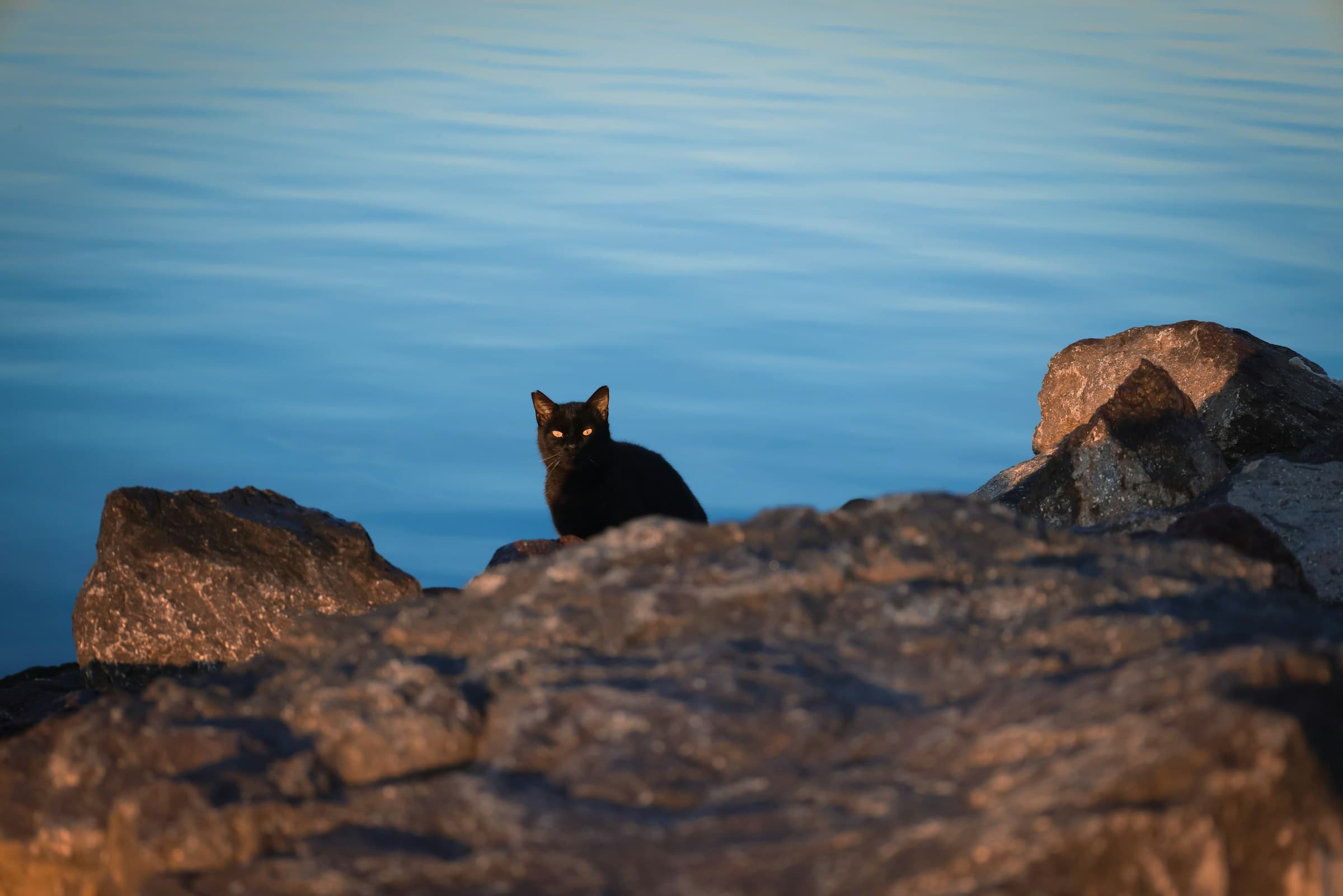
Top 10 Water-Loving Cat Breeds
There are many cats that like water. From the slender Bengal to the ball of fluff that is the Norwegian Forest Cat, the range of cats that actually enjoy water is startling.
Read more

Can Cats Eat Sausage?
Is your kitty eyeing your sausage with curious eyes? All of a sudden you are pondering the question “Can cats eat sausage?” It could seem innocuous to indulge your feline friend, but you should do your due diligence before sharing.
Read more

Do Cats Have Taste Buds?
Have you ever noticed how your cat enjoys certain foods but doesn’t even look at others? This is due to the fact that they, like humans, also possess taste buds and have preferences. Go through this article to discover everything about cats and their strange sense of taste.
Read more