
Cat
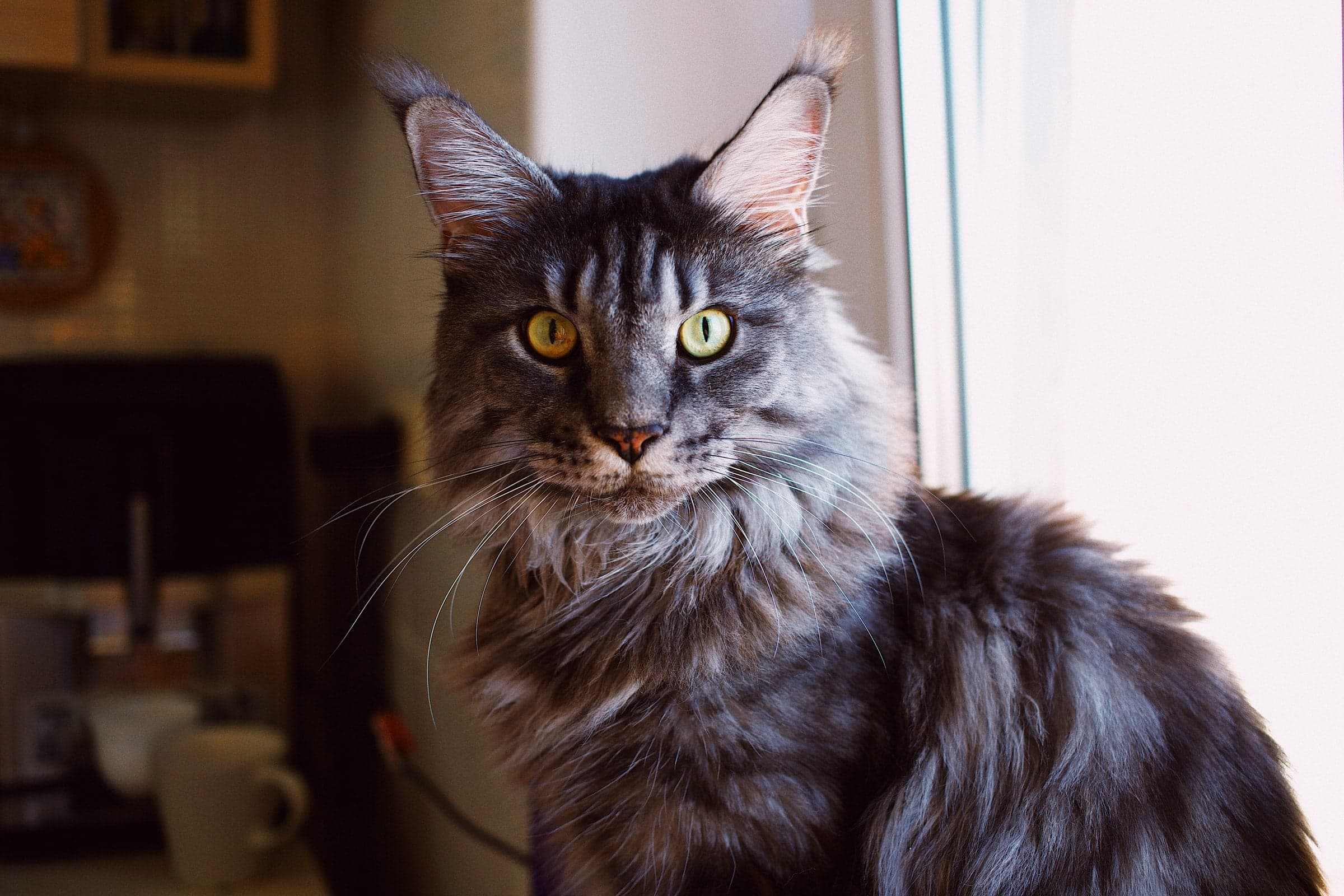
How Big Can Maine Coon Cats Get?
Maine Coon cats are one of the largest breeds of domestic cats in the world, with some males reaching up to 20 pounds or more when fully grown! Some believe that these cats originated in the state of Maine and are known as "gentle giants" due to their temperament and size. In this article, we will take a closer look at just how big Maine coon cats get.
Read more
Best Senior Cat Food
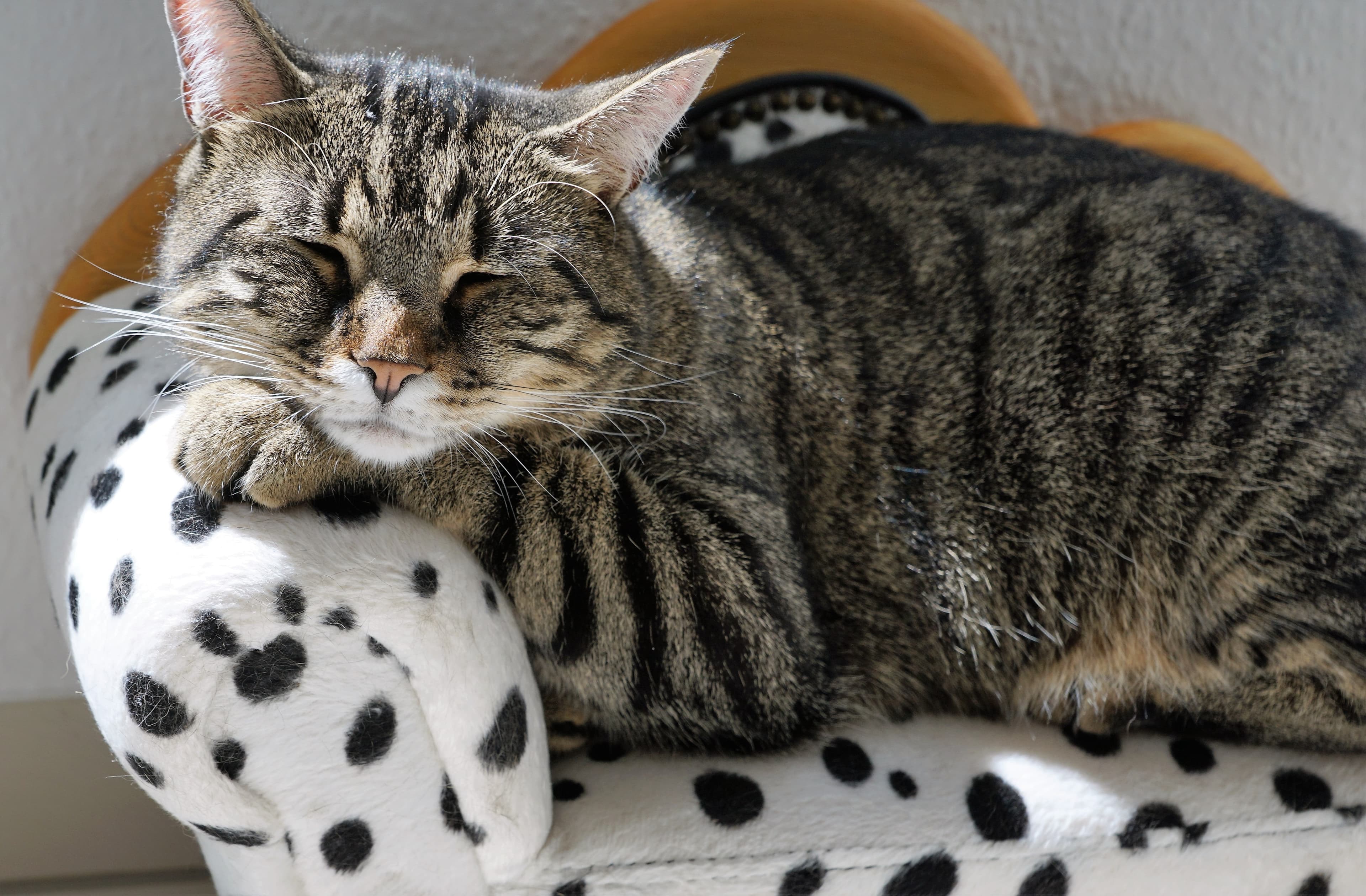
The nutritional needs of cats go through many changes as they age. They need food that is easier to chew and softer. It should also be high in nutrients. This comprehensive article explains which cat food is best for your senior cat and how to choose the finest product on the market.
Read more
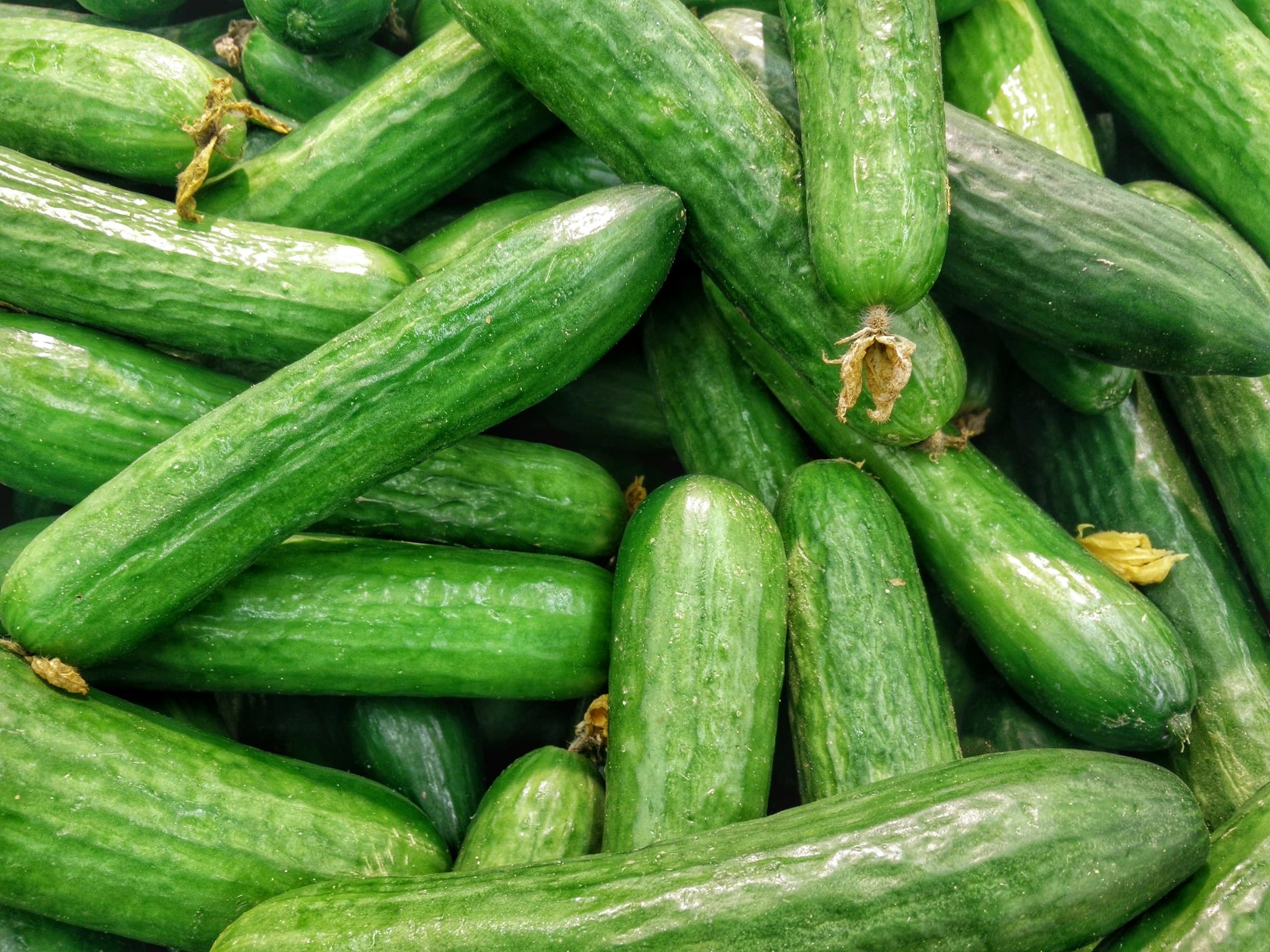
Can Cats Eat Cucumbers?
Cucumbers are richly packed with antioxidants, and minerals beneficial to humans. But, can cats have cucumbers? In this article, we tell you the benefits and risks of feeding your cat cucumber.
Read more
Can Cats Eat Turkey?
Cat owners may commonly feel unsure about giving their feline friends a little bit of turkey. This article provides all the necessary details about feeding your cat turkey, including advantages, safety measures, and guidelines. Keep reading to discover all the information necessary for safely giving your cat a treat of turkey.
Read more
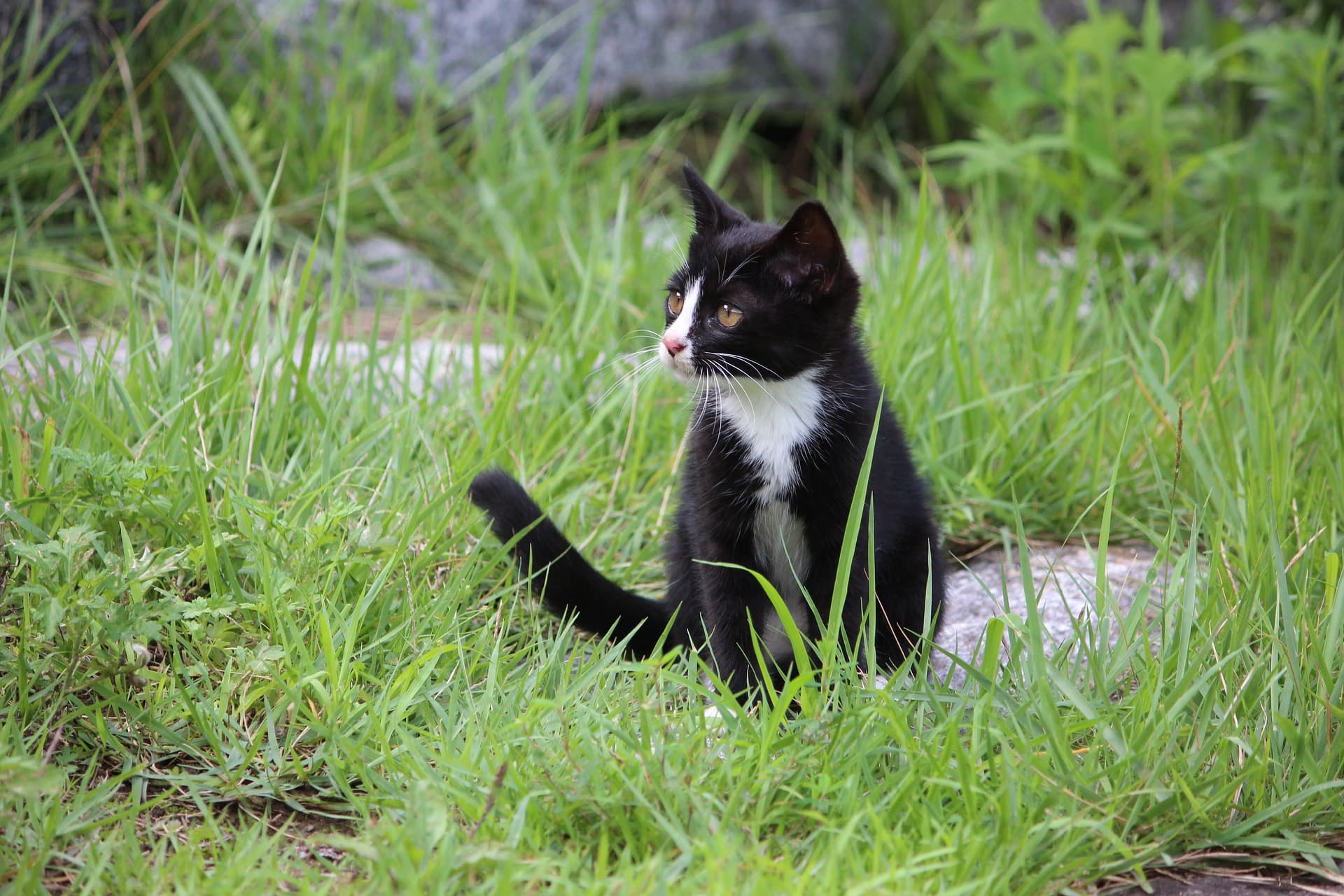
How to Tell Kittens' Genders
It can be challenging for new cat owners to decide on the sex of a kitten. In this article, we will share valuable pointers on how to confidently identify and handle your kitty’s gender and development.
Read more

How to Stop Kitten from Biting
Biting is a normal behavior in kittens and they often grow out of it as they mature. However, you can reduce this behavior early on by proper playtime with toys, encouraging socializing, redirecting their attention and rewarding good behavior.
Read more
How to Survive Cat World Domination Day
Cat World Domination Day is when cats are most likely to grab their chance to live as they did in their golden age. The proof is around you, with social media filled with cat memes and videos (as if cats didn’t already own the Internet!). So, how can you make sure you survive this auspicious day?
Read more
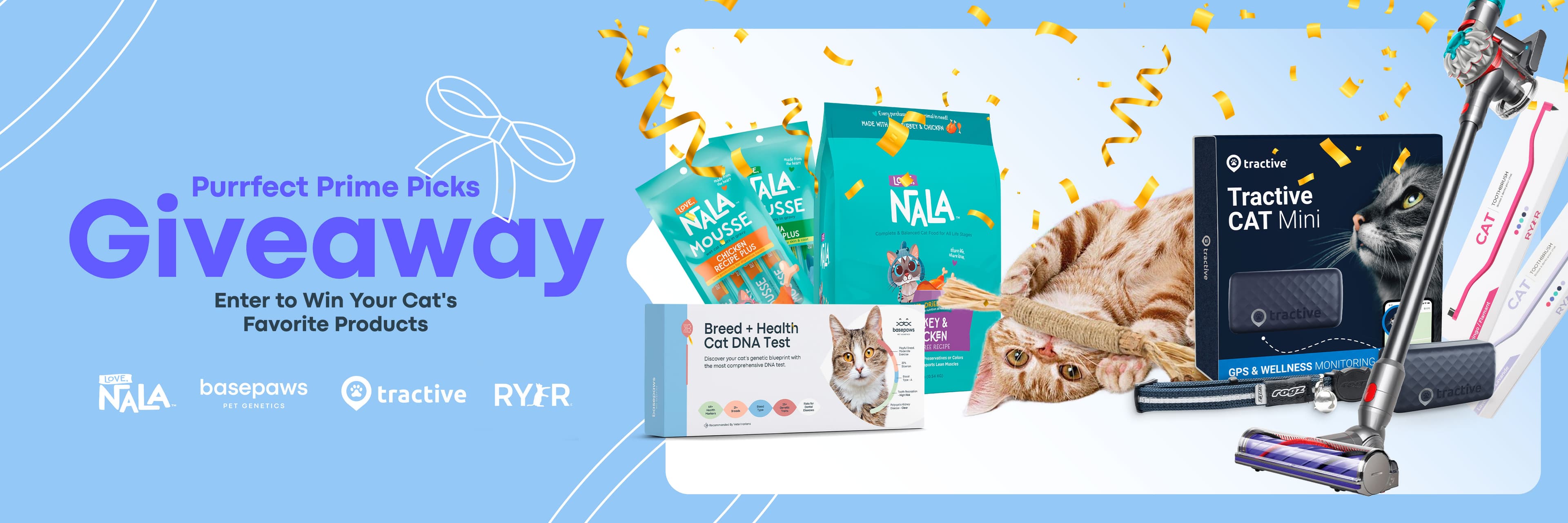
A Purrfect Prime Day Giveaway!
Amazon Prime Day is an yearly event where Amazon celebrates and spoils its Prime members by giving them deals on everything from top brands to small businesses. For pet parents who are looking to stock up and save on their cat’s essentials or buy that special something that has been at the top of their cat’s wishlist, the time is prime!
Read more
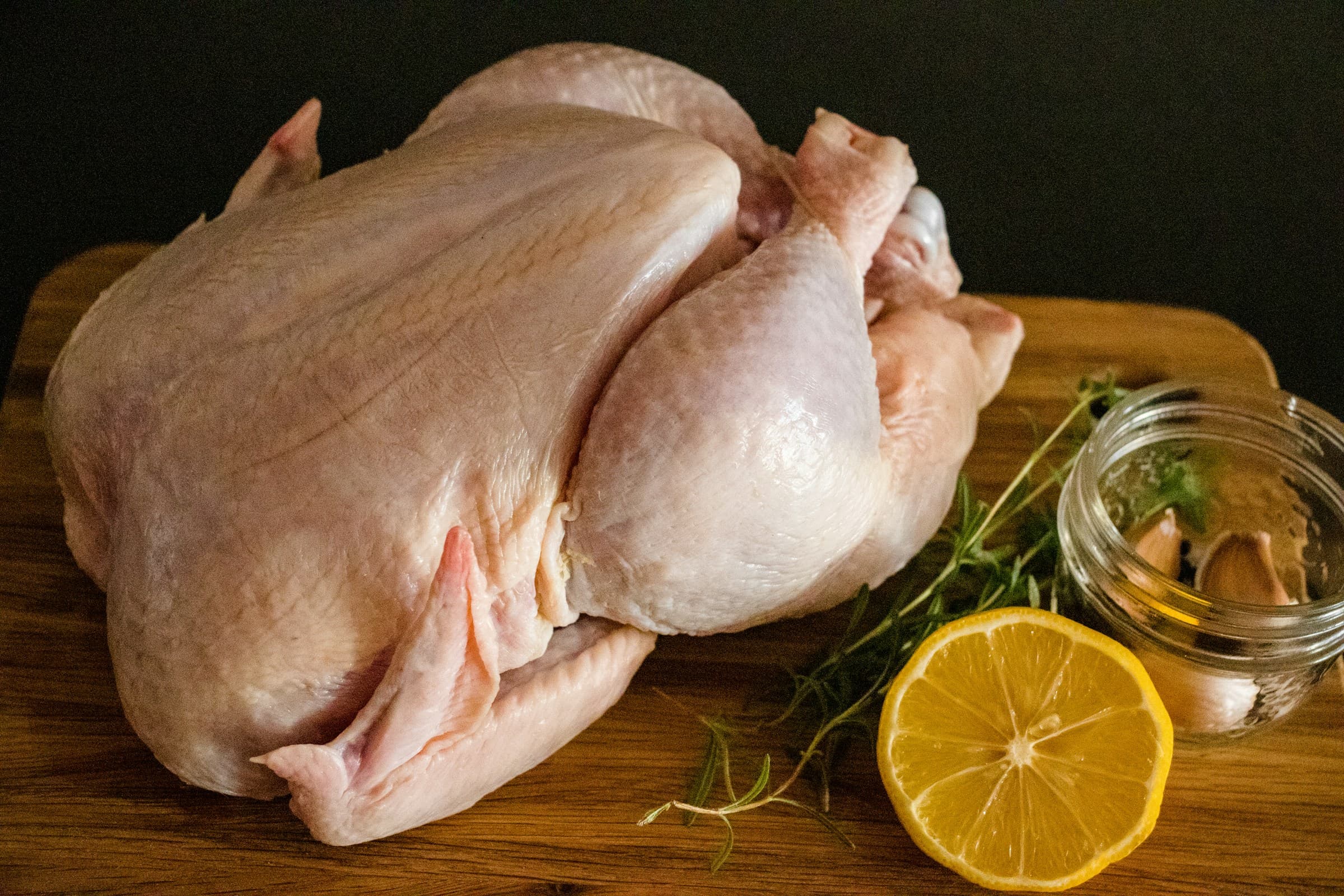
Can Cats Eat Raw Chicken?
Are you looking for a substitute for that salmon? If so, you could try chicken instead. Eating raw chicken could be beneficial for your cat. Chicken has a lot of protein and taurine (which helps the heart and digestion). However, feeding your cat raw chicken can be dangerous. Therefore, raw chicken eaten by your cat should only be given as part of a balanced diet and follow the guidelines below to avoid choking and illnesses.
Read more