
Cat

How Big Can Maine Coon Cats Get?
Maine Coon cats are one of the largest breeds of domestic cats in the world, with some males reaching up to 20 pounds or more when fully grown! Some believe that these cats originated in the state of Maine and are known as "gentle giants" due to their temperament and size. In this article, we will take a closer look at just how big Maine coon cats get.
Read more

Do Cats Feel the Cold?
It might surprise you to hear that your fluffy pet is vulnerable to cold weather. Low temperatures can be harmful to a cat’s health. That’s why it’s so important to keep an eye on them during the colder season even though they have a thick coat to help them. In this article, we will talk about some tips and tricks for keeping your little furry ball cozy and healthy.
Read more
Understanding Cat Aggression: Causes, Signs, and Solutions
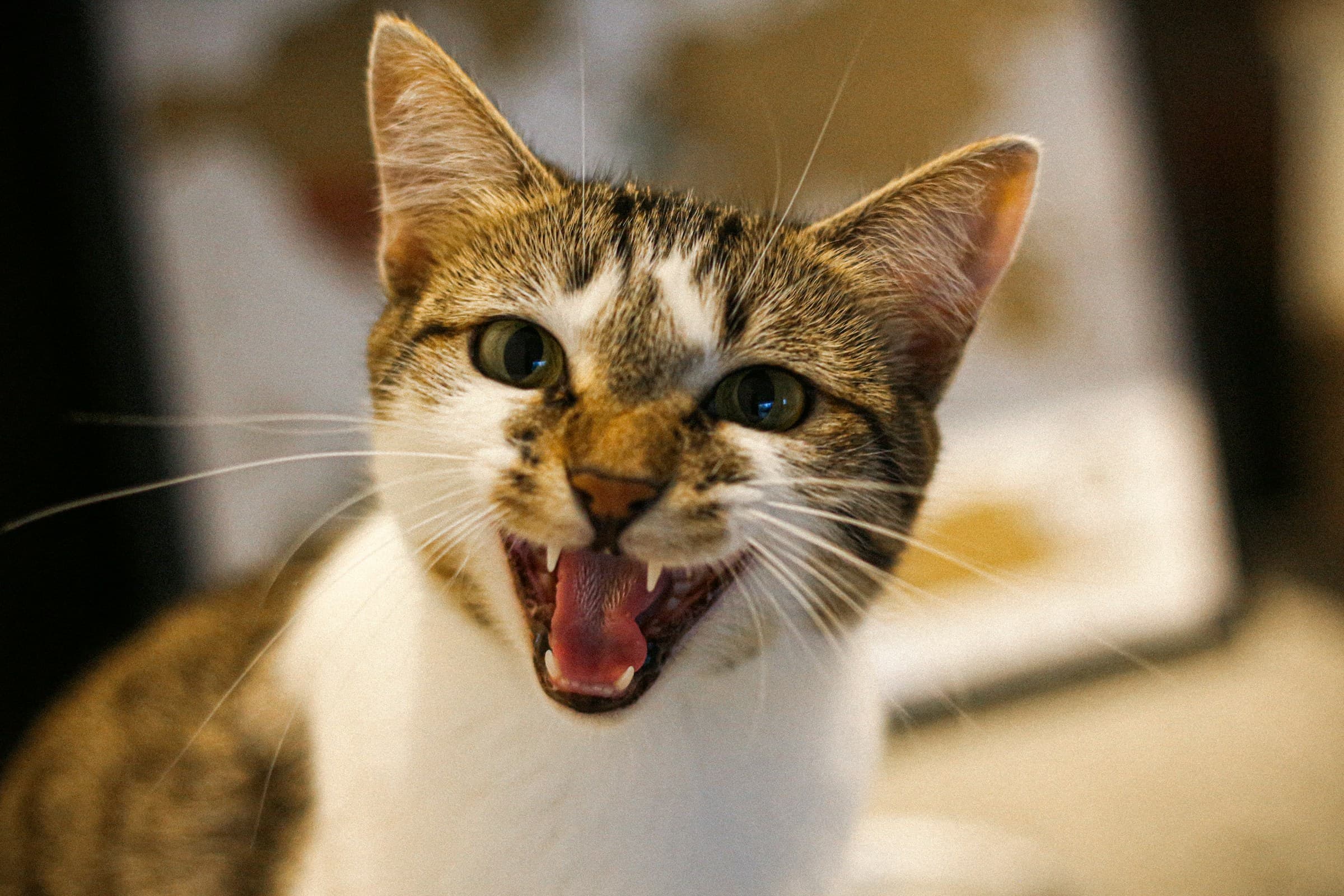
Understanding cat aggression is vital for maintaining a harmonious household with our feline companions. From subtle body language cues to vocalizations and physical manifestations, recognizing the signs of aggression allows us to address the root causes effectively. By differentiating between defensive and offensive aggression and understanding the various types, we can tailor our approach to calming aggressive cats and fostering a peaceful environment for all.
Read more

Can Cats Eat Apples?
Are you unsure if your cat can have a satisfying nibble on some apple pieces without any worries? The answer isn’t a straightforward one, so let’s take a closer look at this topic.
Read more
Understanding Your Cat
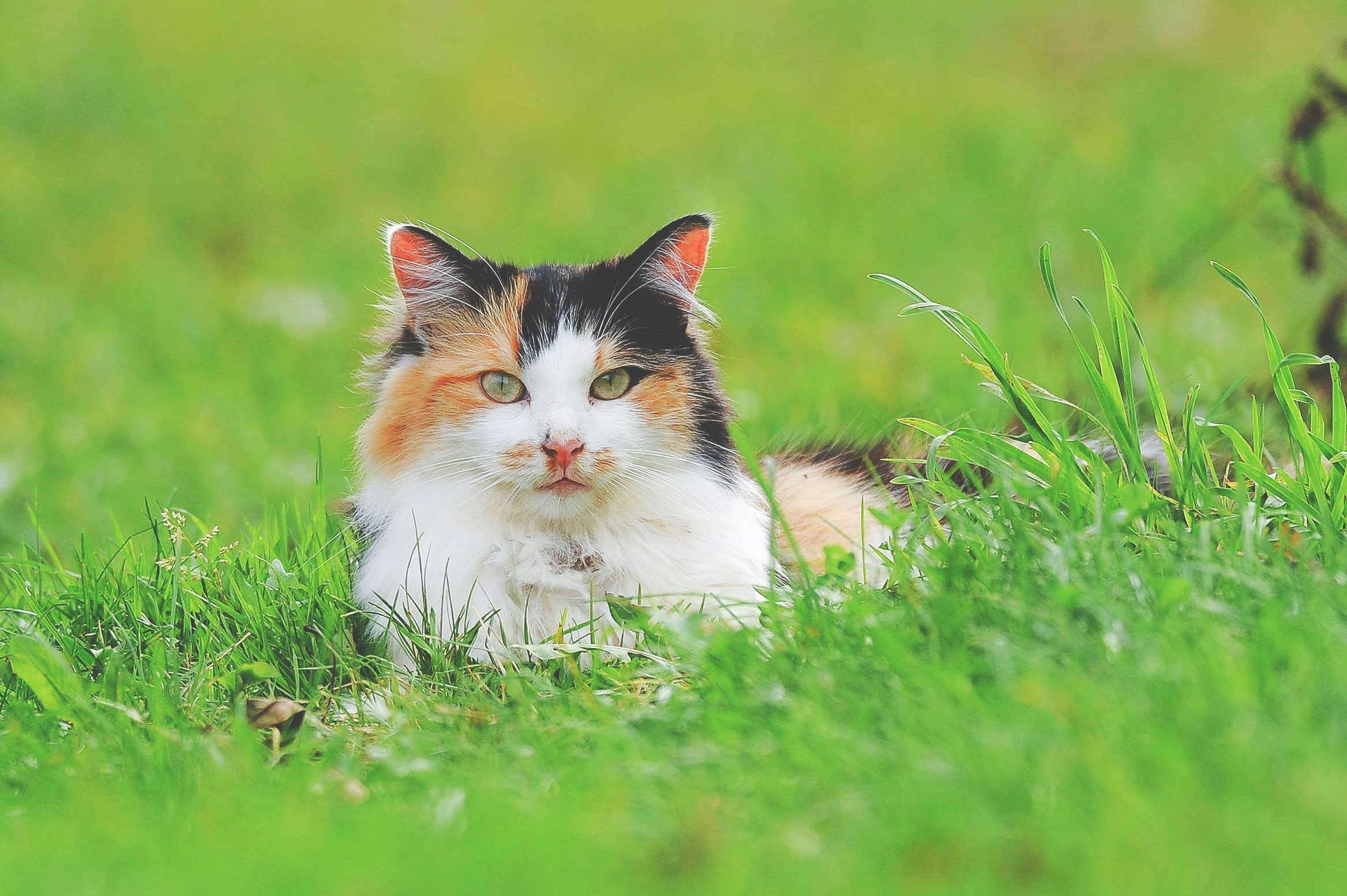
This article explores the intricate ways cats communicate with their surroundings and their human companions. From vocalizations and ear movements to tail signals and eye contact, it delves into the subtle yet profound "cat language" that reveals their emotions and intentions. By understanding these signals, such as cat body language, scent markings, and fur states, cat owners can enhance their relationship with their pets, fostering a deeper bond and a harmonious living environment.
Read more

Can Cats Eat Ham?
Wondering if you can share some holiday ham with your cat? Sure, cats can have a nibble, but think of it more like a rare garnish than a go-to treat. High in salt and not so healthy, a tiny bit of ham now and then is fine—just don't make it a habit. Dive into our guide to find out how to treat your kitty safely and what better options are out there.
Read more

Can Cats Eat Carrots?
Carrots are one of the human foods you can share with your cat. In this article, we show you the nutritional benefits of feeding your cat carrots.
Read more

Kitten-Proofing Your Home
Is it necessary to kitten-proof your home before you bring the one to nurture? Yes, kittens need special care, including safety and providing a peaceful, friendly environment. Moreover, if you plan to bring a kitten into your home, you must be more careful with household furniture, accessories, and plants.
Read more