
Cat
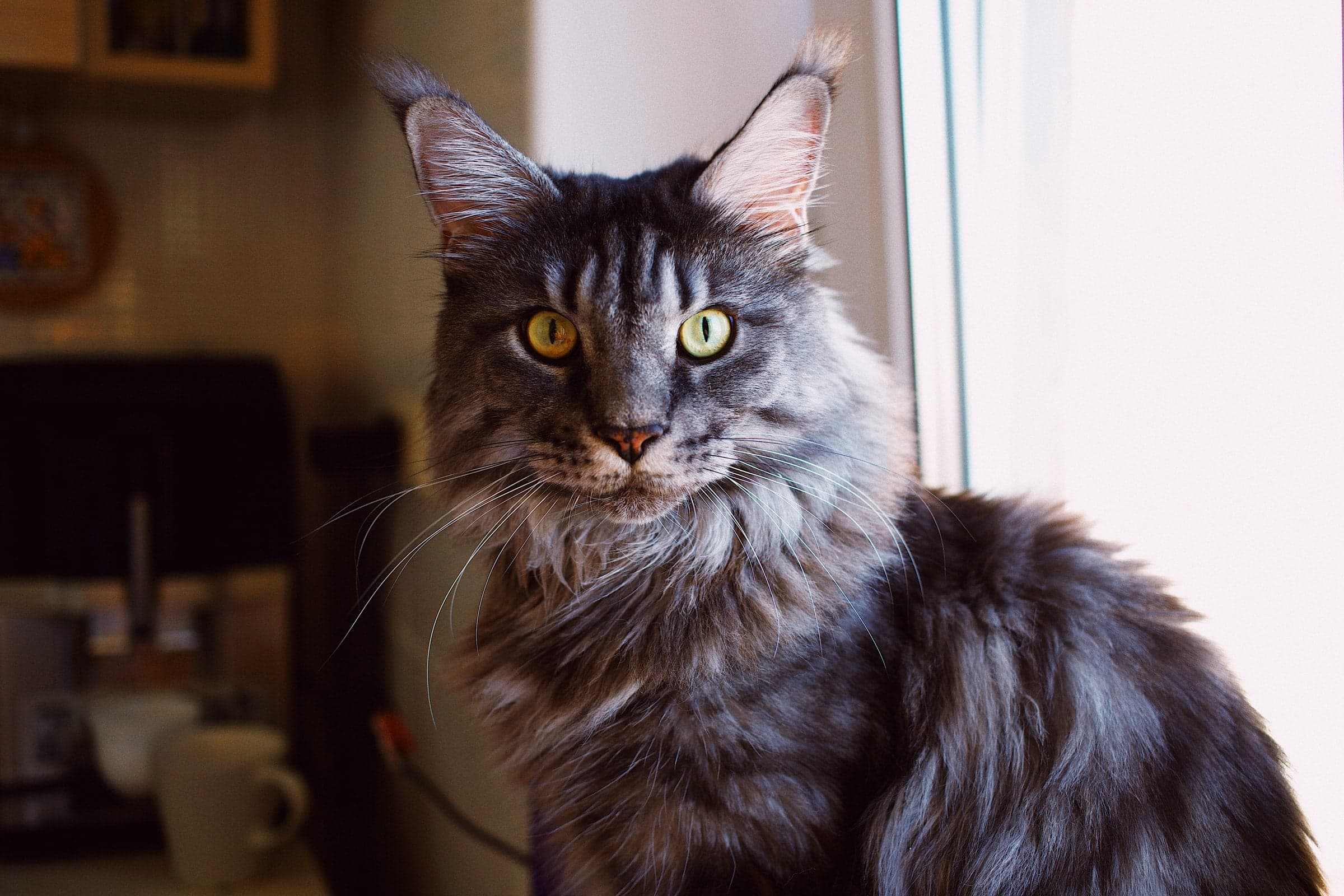
How Big Can Maine Coon Cats Get?
Maine Coon cats are one of the largest breeds of domestic cats in the world, with some males reaching up to 20 pounds or more when fully grown! Some believe that these cats originated in the state of Maine and are known as "gentle giants" due to their temperament and size. In this article, we will take a closer look at just how big Maine coon cats get.
Read more
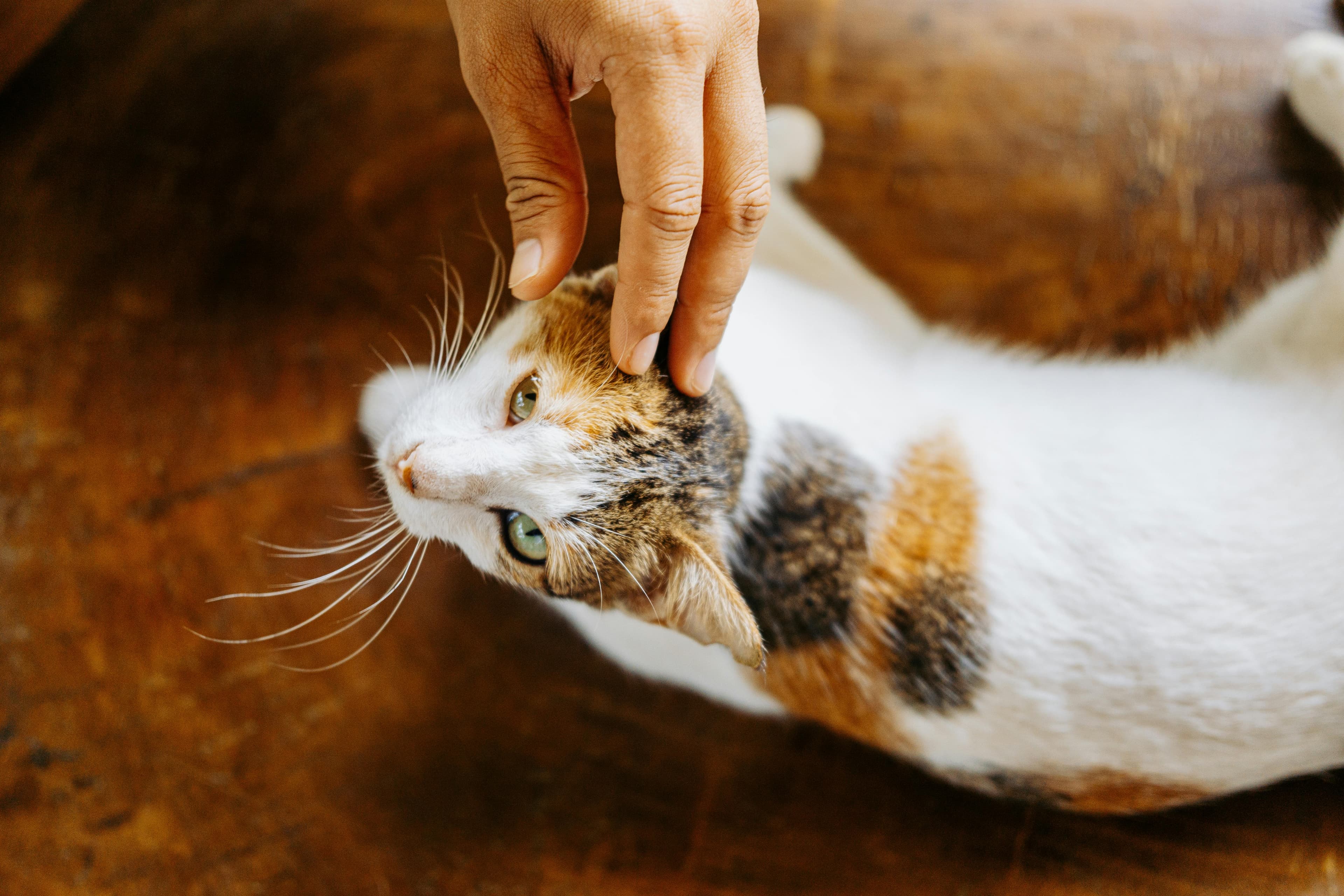
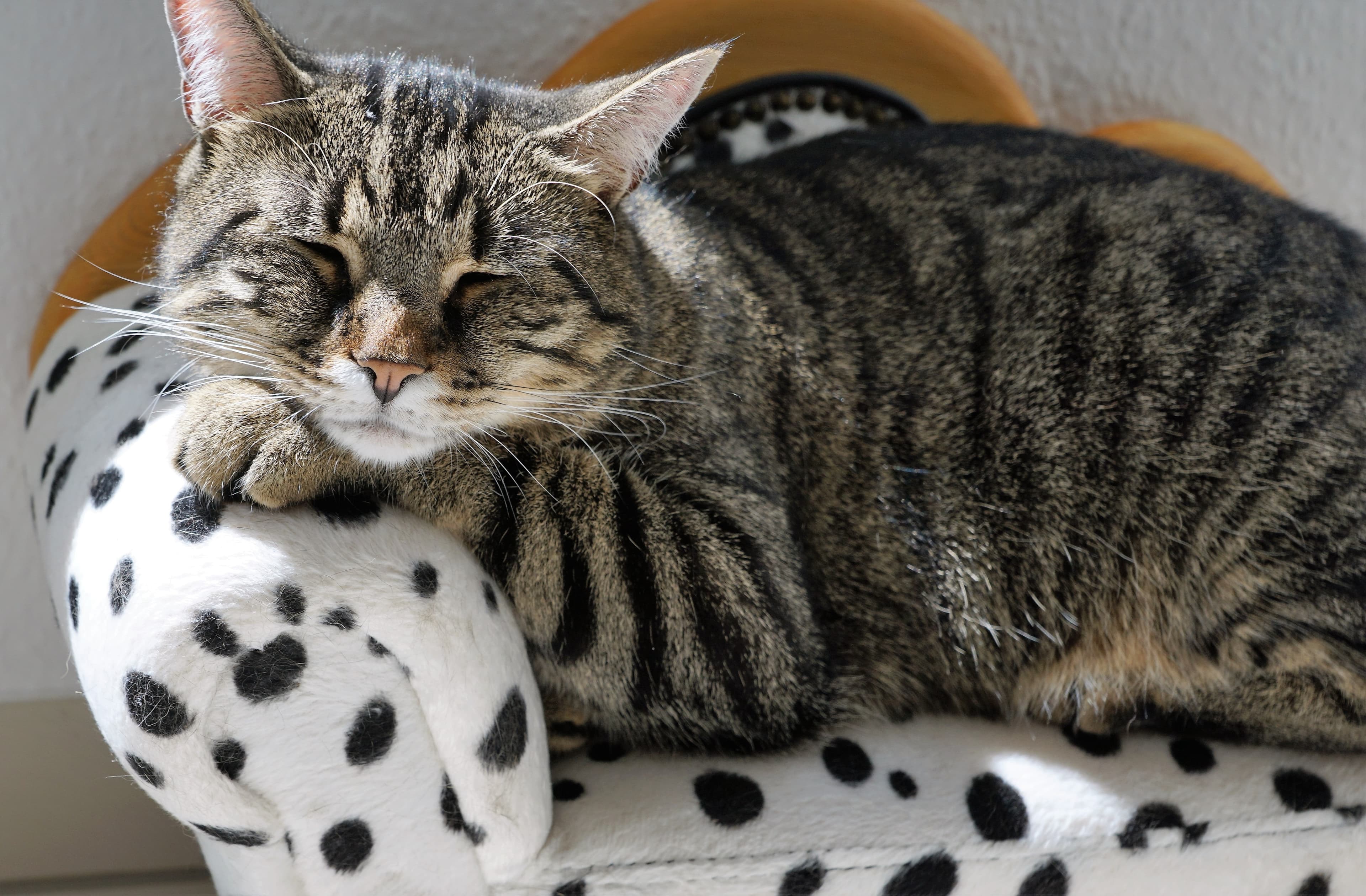
How Long Can a Cat Go Without Eating?
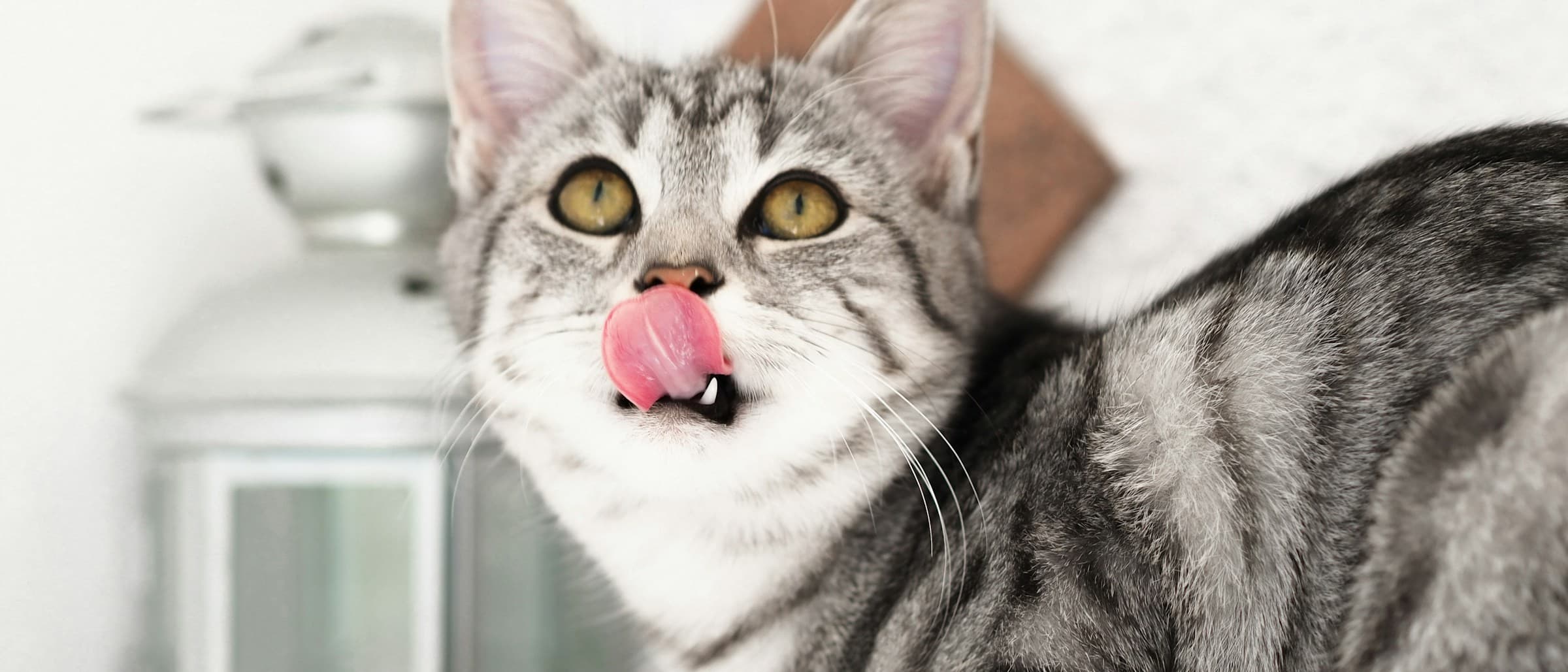
Understanding how long a cat can go without food is crucial for cat owners. A healthy cat can survive about 48 hours without food but may develop some serious conditions if this period extends. Factors like age, health, and hydration levels play significant roles. If your cat stops eating, it may face serious health issues like hepatic lipidosis, emphasizing the need to address any changes in eating habits promptly.
Read more

How to Celebrate National Pet Day
While National Pet Day marks a special day on the calendar, the truth is that our pets enrich our lives in countless ways every day. From their unwavering loyalty to their endless antics that never fail to bring a smile to our faces, they are truly the heart and soul of our homes.
Read more

Heat Stroke in Cats: Signs, Prevention, and Treatment
As summer approaches and temperatures rise, we must stay vigilant about our cats' health and be aware of the potential dangers hot weather brings. With their thick fur coats and limited ability to regulate body temperatures, cats are particularly susceptible to heat-related illnesses like heat stroke.
Read more
Can Cats Eat Rice?
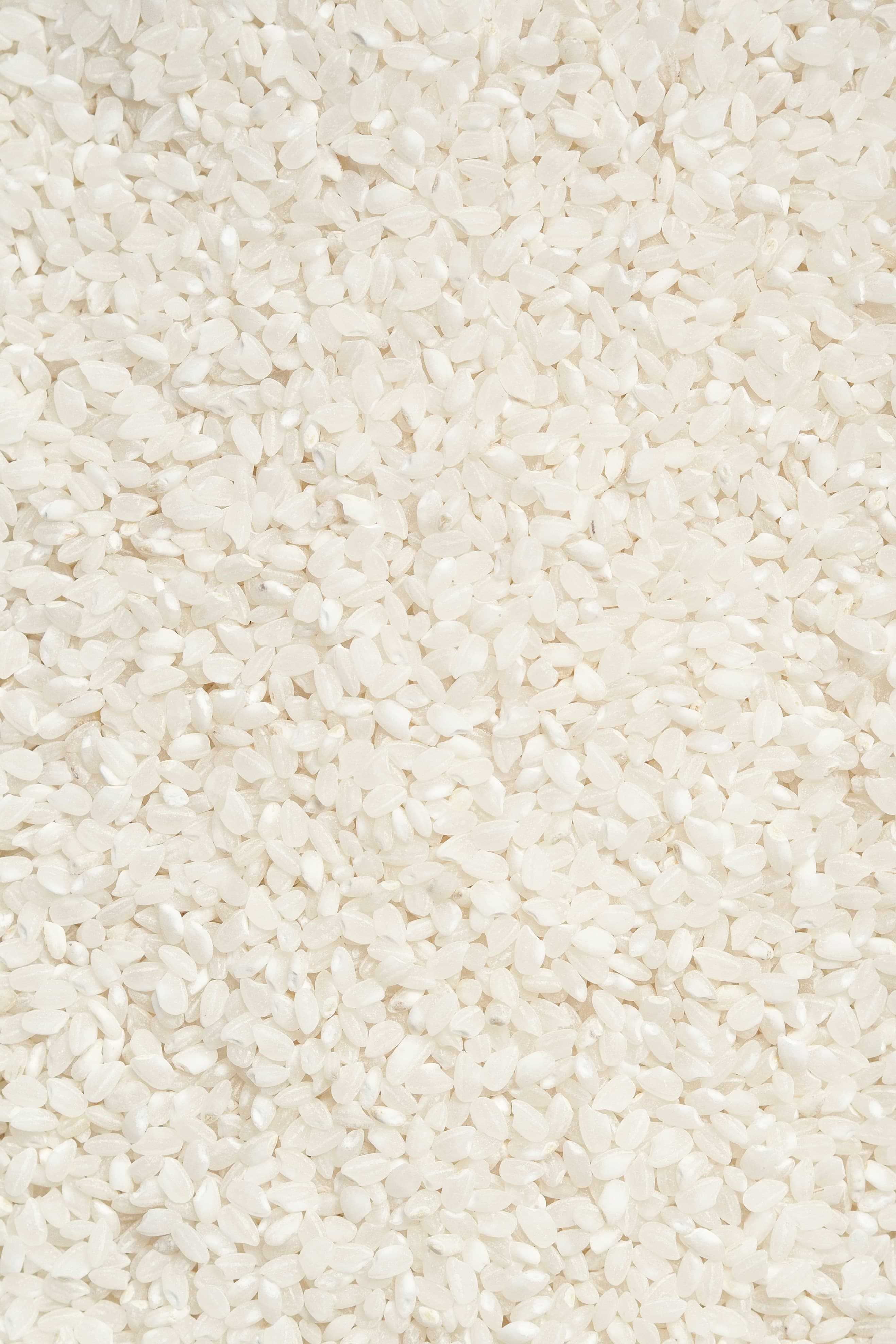
Yes, cats can eat rice, but the real question is whether they should. Cats are obligate carnivores, meaning their diet in the wild consists almost entirely of meat.
Read more

Can Cats Eat Grapes?
Grapes are considered to be potentially very harmful to cats. Although the exact cause of toxicity is not fully understood, grapes have been consistently linked with acute kidney failure in cats, as well as in dogs.
Read more
Cat Bald Spots: Causes, Treatments, and Prevention Tips
Shedding hair or some bald patches are normal in cats; however, excessive hair loss may be a sign of a serious condition. The article dives deep into understanding the appearance and causes of bald spots in cats, such as fleas bite, overgrooming, and ringworm, which cause hair loss in cats, and also provides ways to prevent and treat them efficiently.
Read more

Can Cats Eat Bread?
Can cats have bread? Is bread healthy and safe for my cat? Should bread be part of my cat’s nutritional plan? These questions are very common! While cats can have bread in moderation, it shouldn’t be part of their nutritional plan. Naturally, cats are carnivores and this should be reflected in their diet.
Read more