
Cat
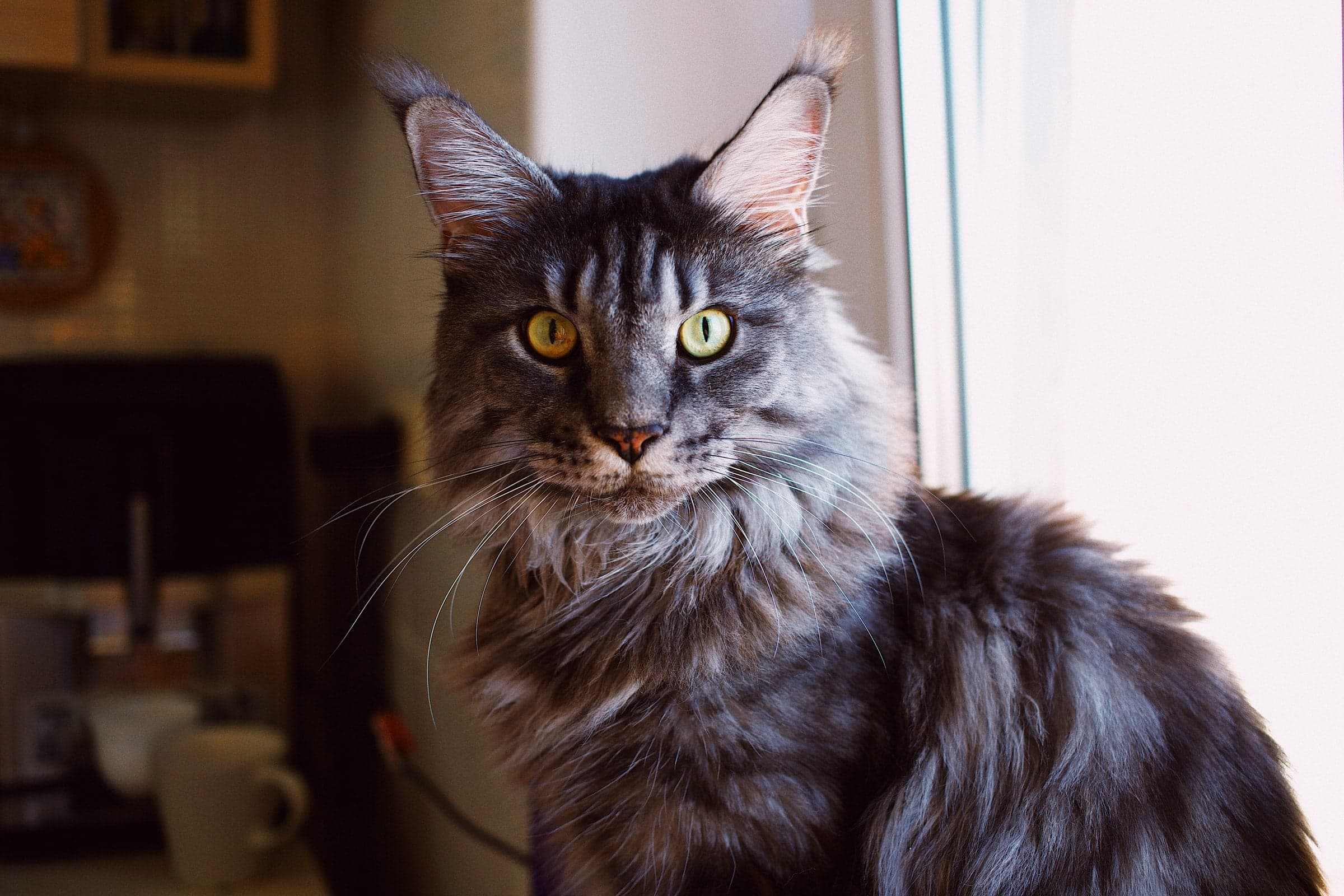
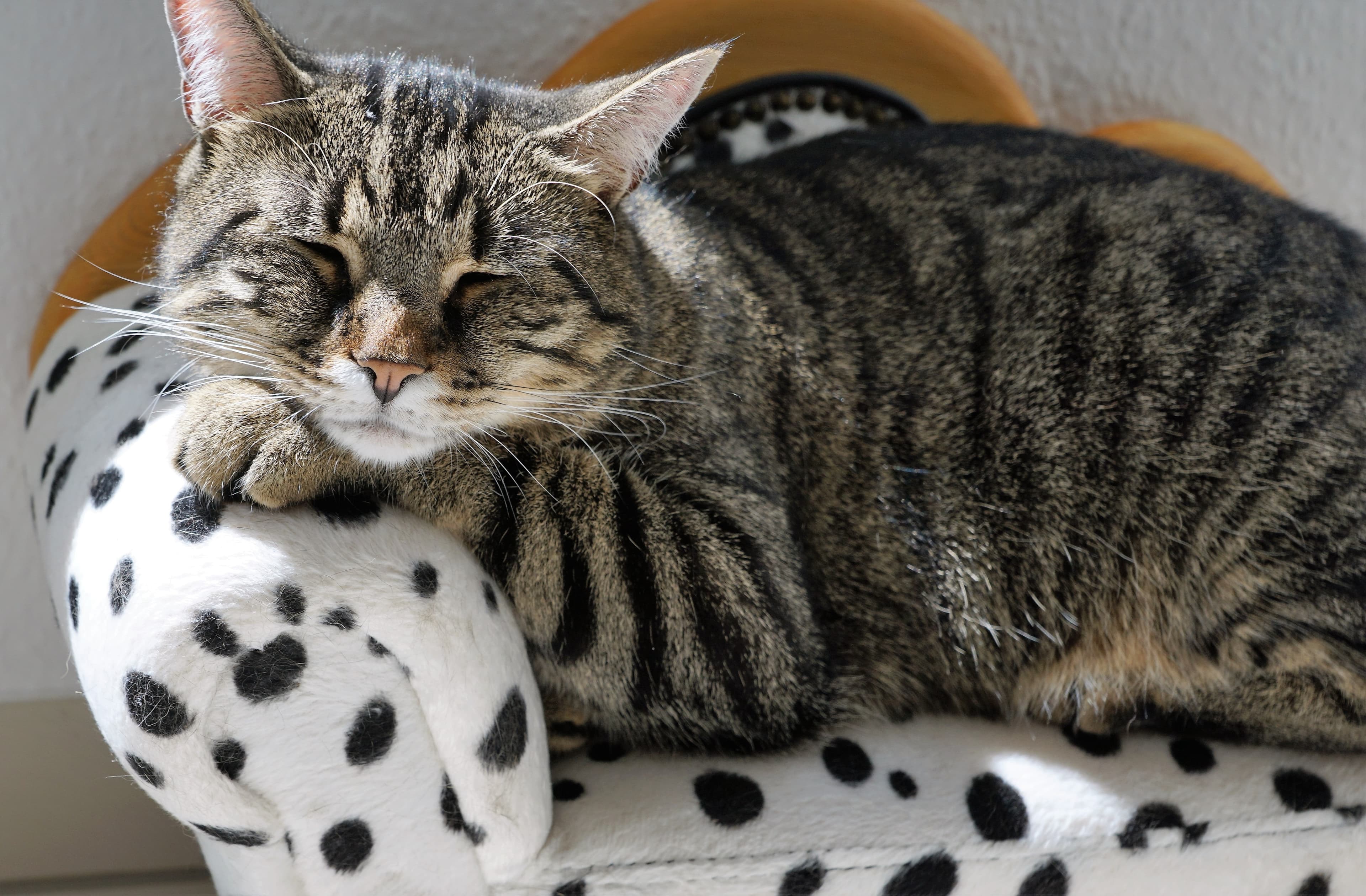
How Big Can Maine Coon Cats Get?
Maine Coon cats are one of the largest breeds of domestic cats in the world, with some males reaching up to 20 pounds or more when fully grown! Some believe that these cats originated in the state of Maine and are known as "gentle giants" due to their temperament and size. In this article, we will take a closer look at just how big Maine coon cats get.
Read more
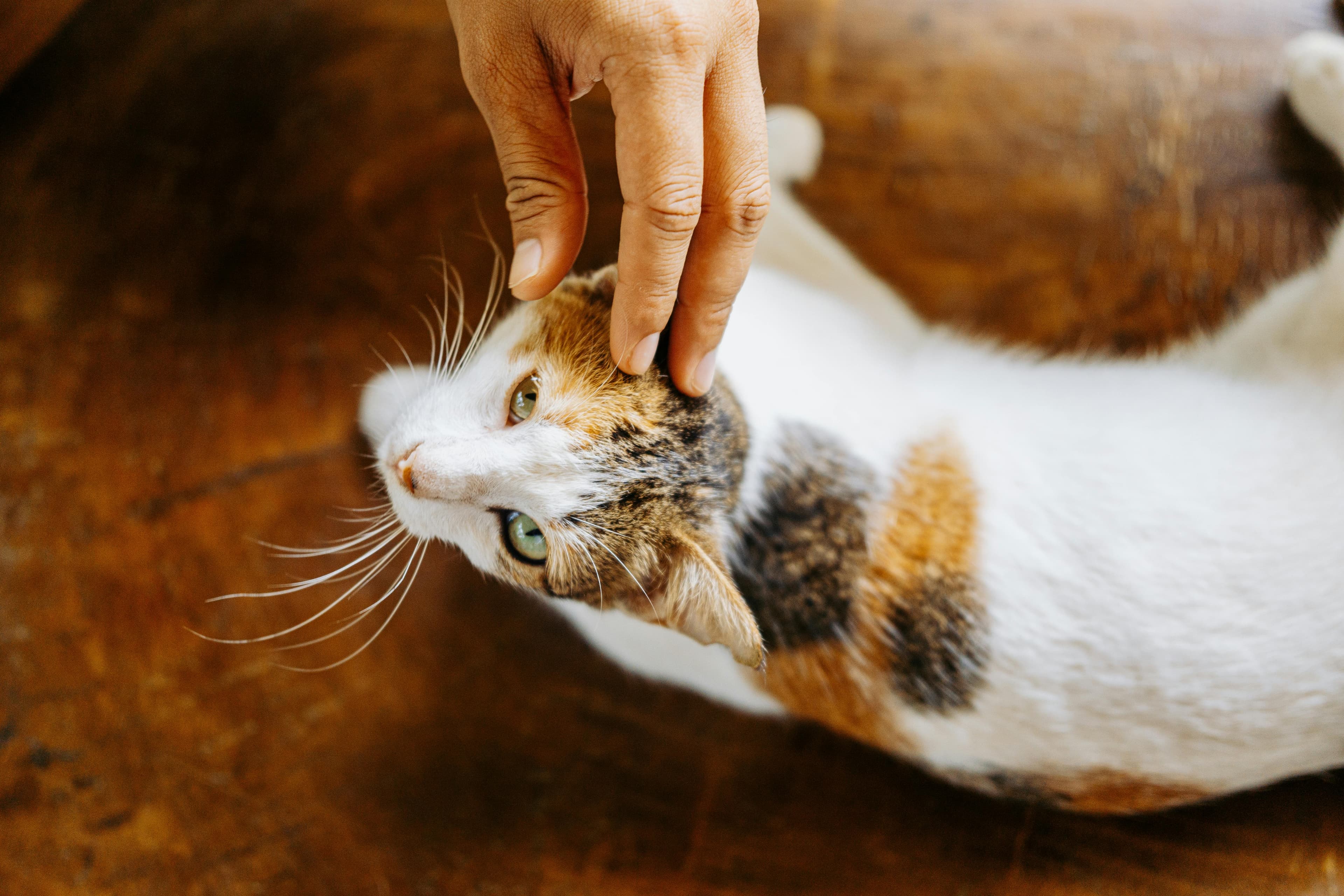
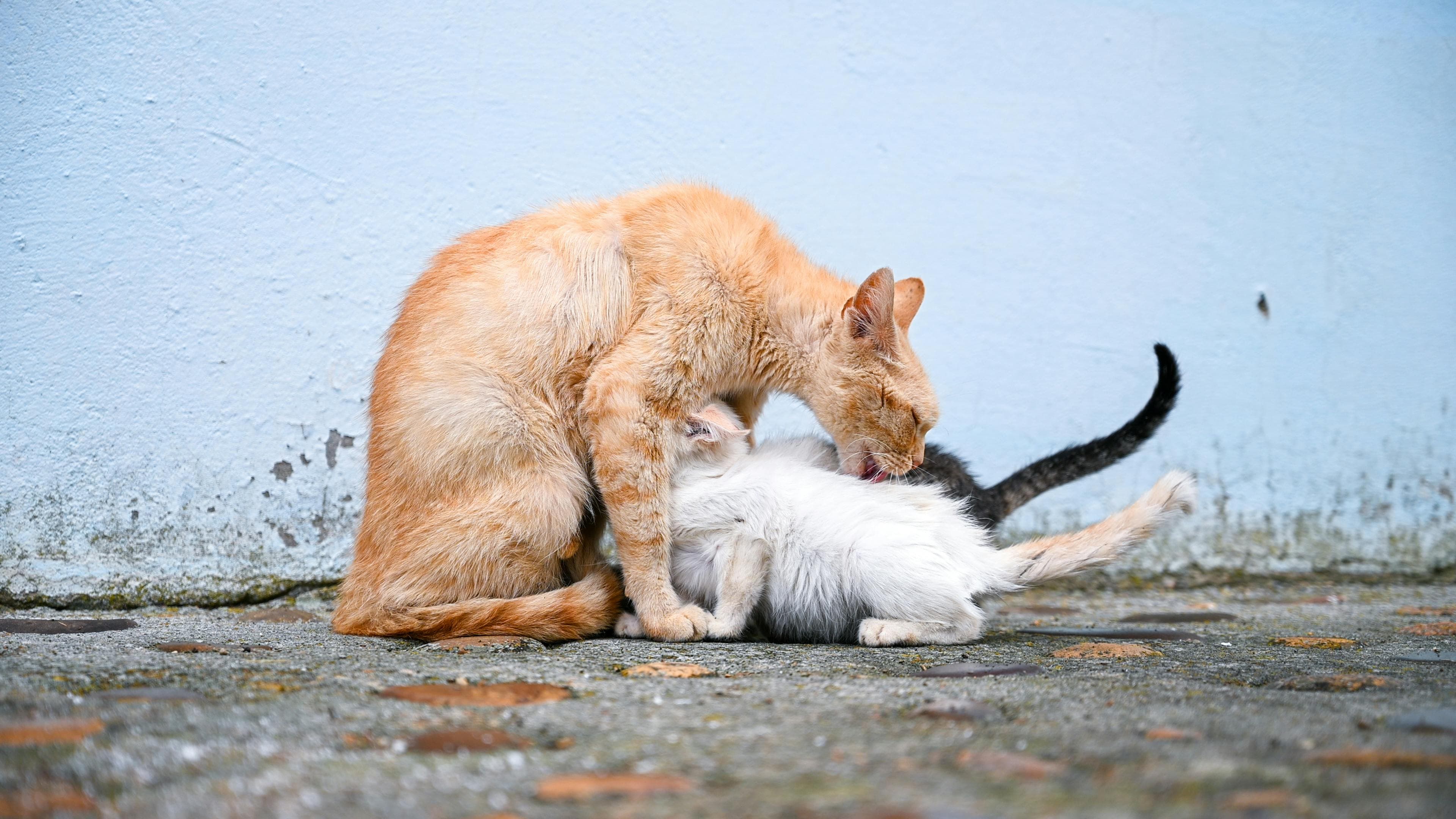
How to Tell if a Cat is Pregnant
If you have a feeling that your cat might be in the family way, pay heed to certain signs and indications. These can alert you to the fact that your cat is pregnant. This guide will tell you how to spot these signs and offer the information you need to provide the best care before and after delivery at home.
Read more
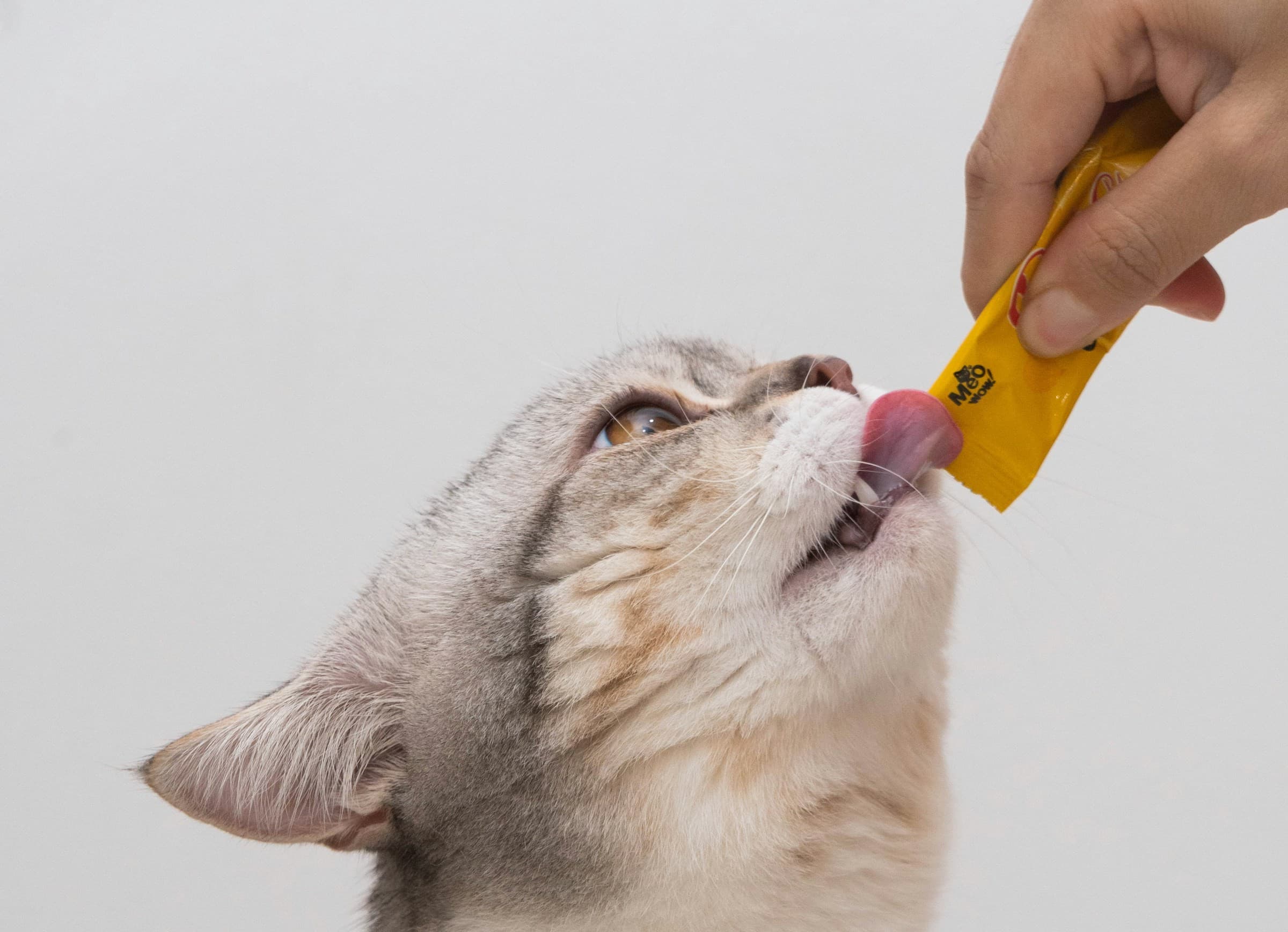
Best Cat Treats
Cats bring comfort and joy to our lives; so it’s important to provide them with love and treats. This article will help you become confident when choosing treats for cats and ensuring the best treat for your companion.
Read more

Can Cats Eat Mango?
Mangoes are one of the popular tropical fruits loved by humans. But, as a cat owner, can you share this juicy fruit with your feline friend? We show you whether mangoes can be safely consumed by cats.
Read more
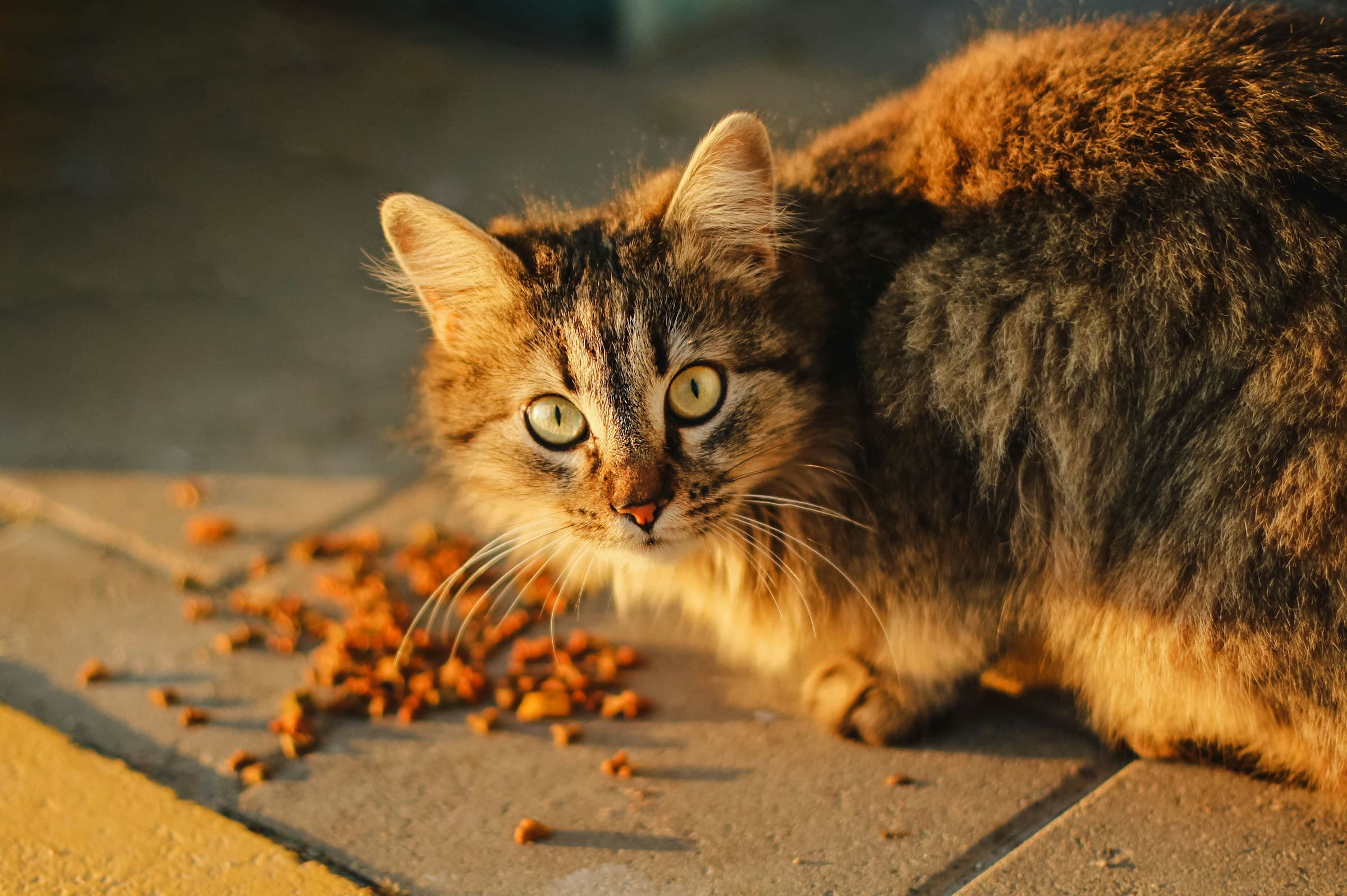
How Often to Feed a Cat?
Wondering how often to feed a cat? This is a complex matter as it depends on certain circumstantial factors such as weight, age, and special dietary needs. Nevertheless, cat parents must endeavor to feed kittens correctly and maintain a healthy feeding schedule.
Read more
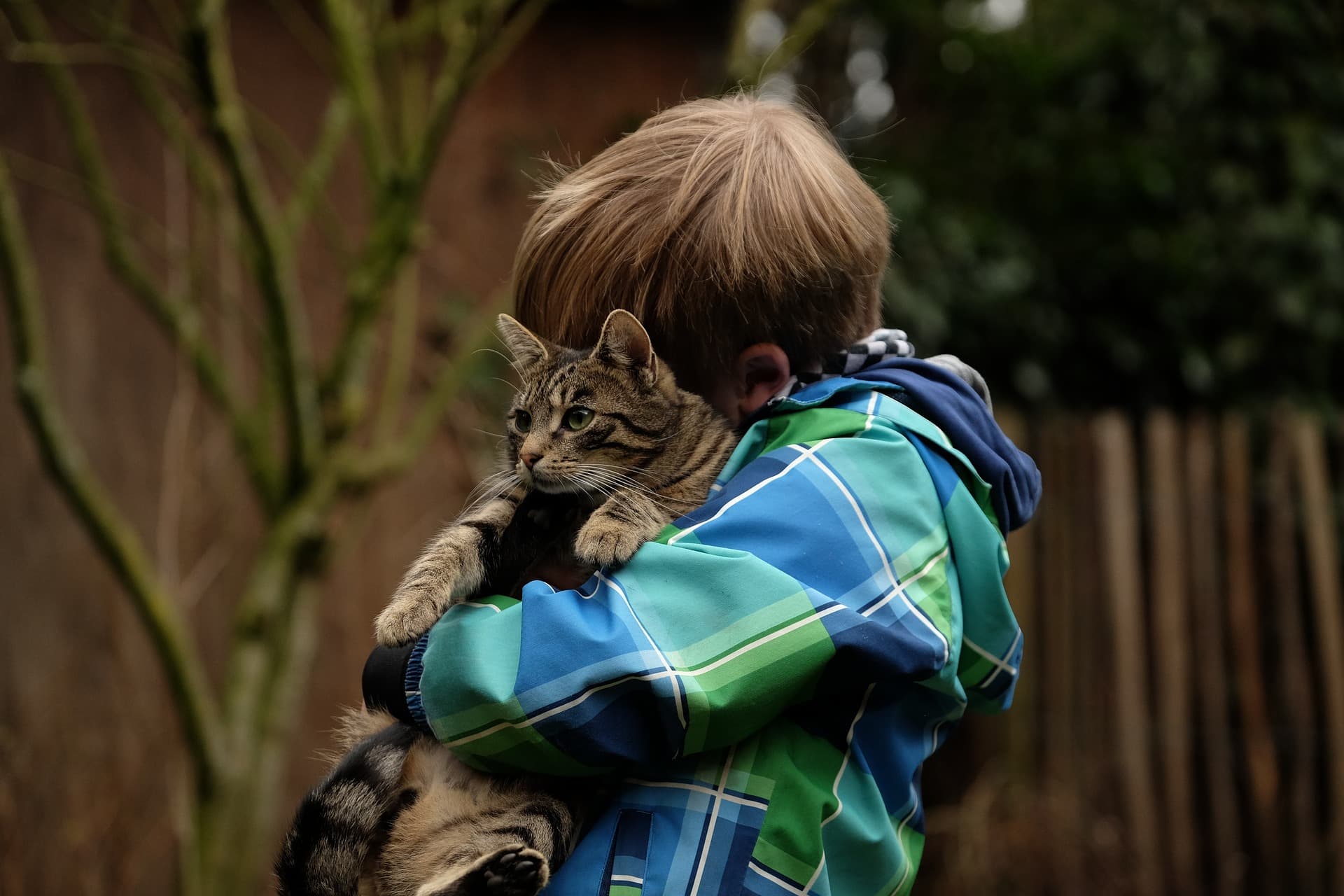
Cats Cuddling: Celebrating International Hug Your Cat Day
Learn whether cats like to be hugged and other ways you can celebrate International Hug Your Cat Day with your furry friend!
Read more
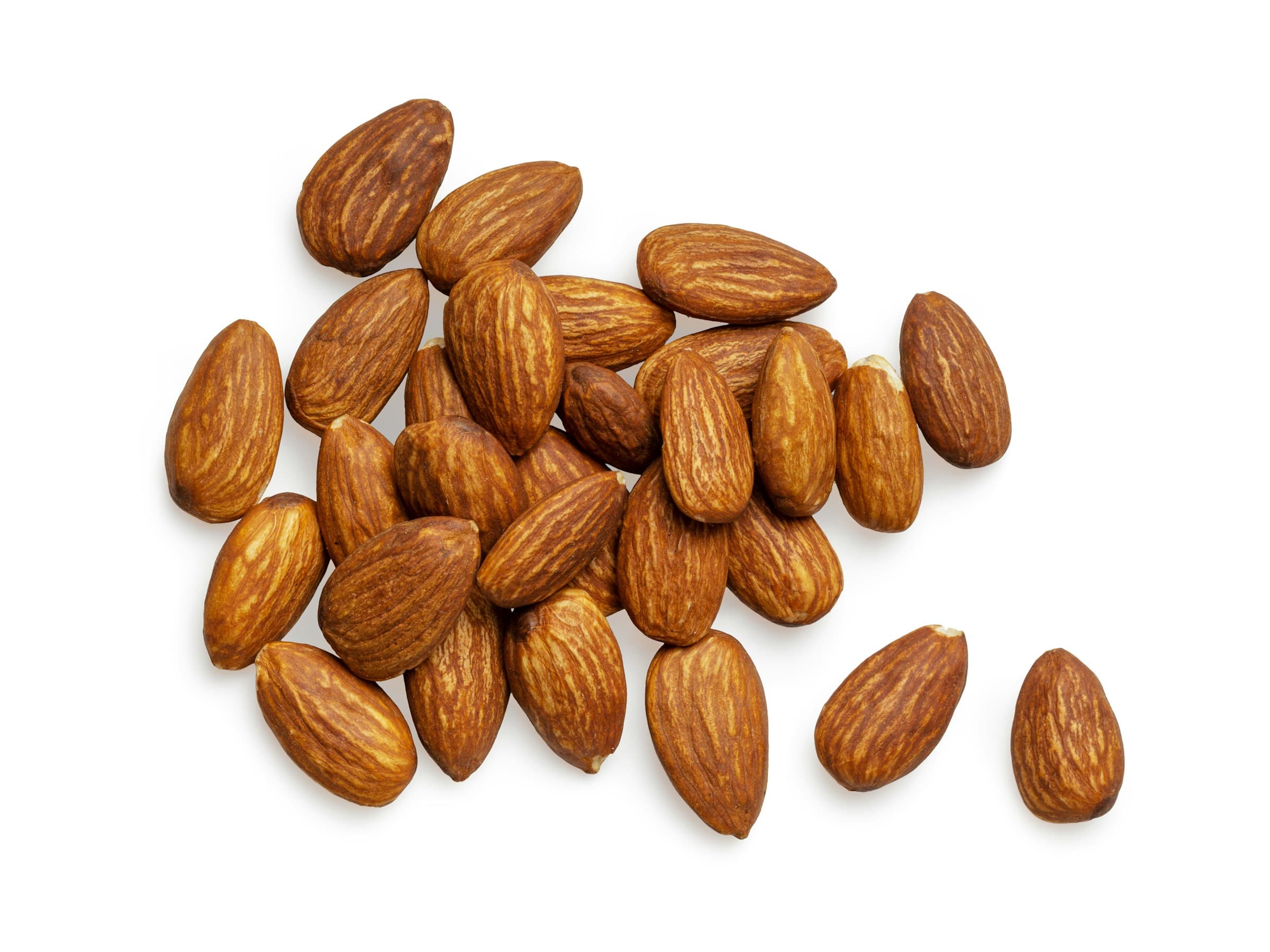
Can Cats Eat Almonds?
Almonds are one of the healthiest and most nutritious snacks humans can have, yet, despite having numerous benefits, they are one of the worst foods you can give to cats. Open this article to find out why.
Read more
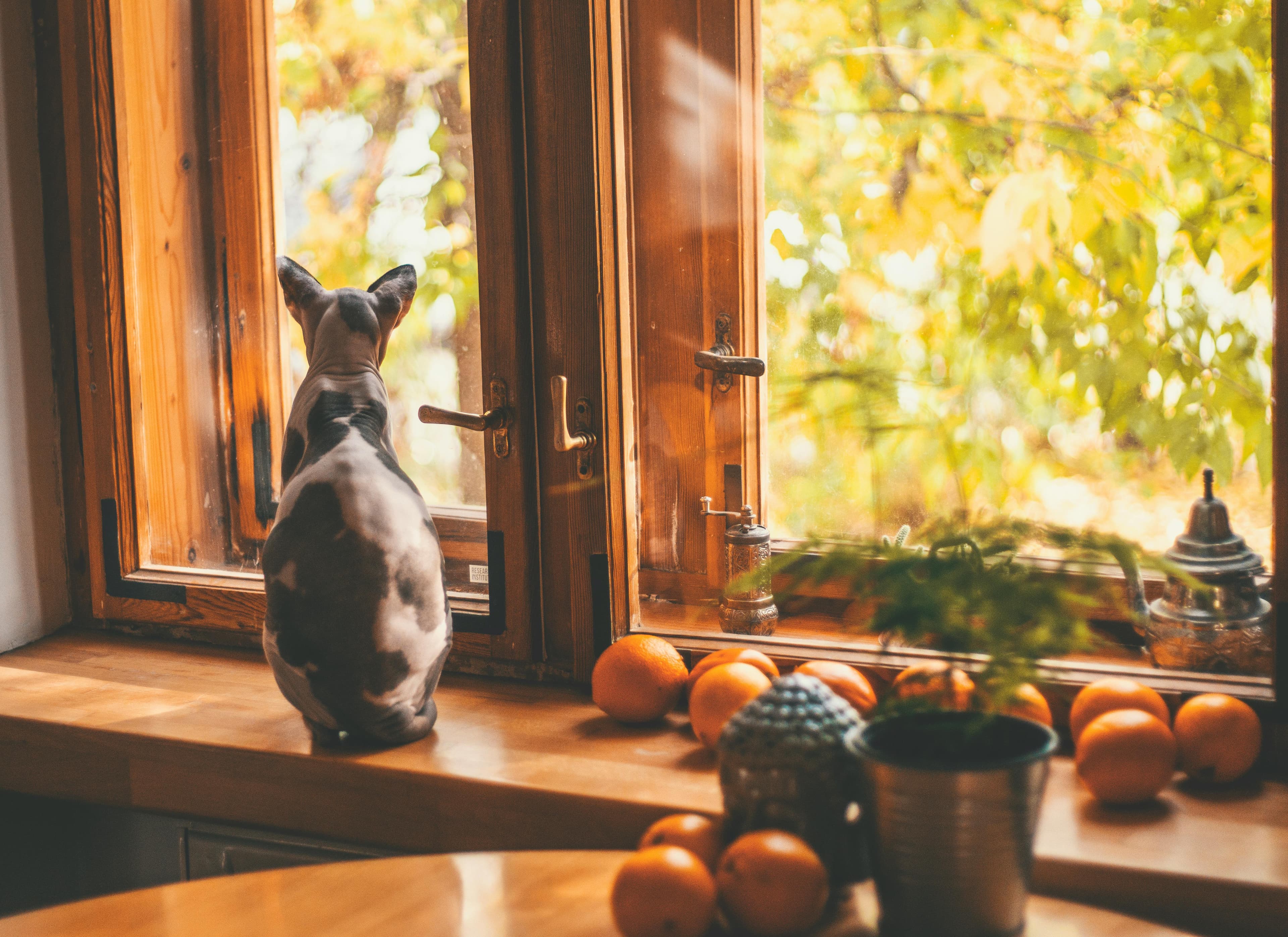
Birdwatching and Bird Videos for Cats
Birdwatching is a great way to keep your kitty happy and engaged. Indoor cats benefit greatly from watching birds during the day. The many benefits of birdwatching and some of its disadvantages are detailed here. Read the complete article to discover everything you need to know about cats and birdwatching.
Read more