
Cat
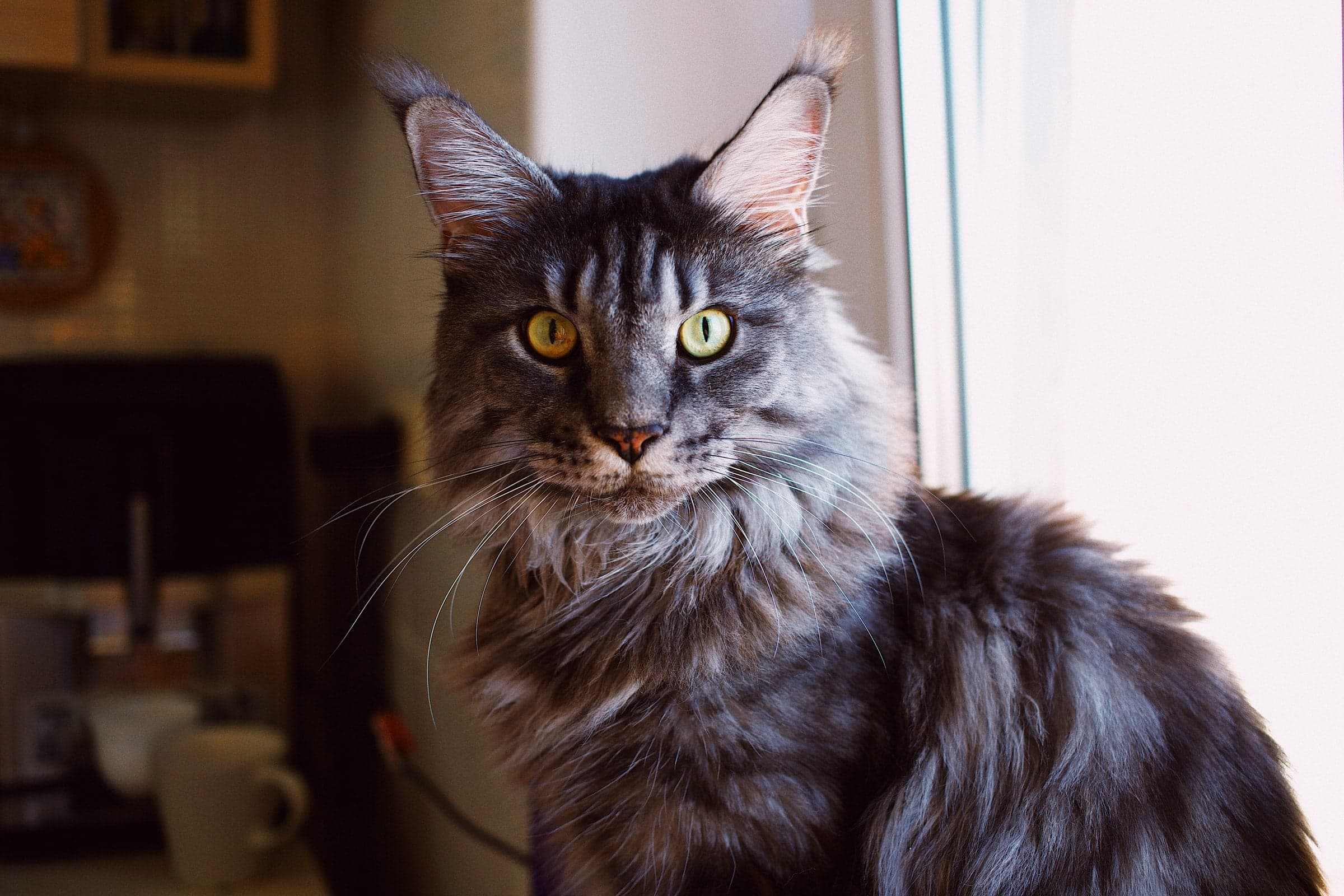
How Big Can Maine Coon Cats Get?
Maine Coon cats are one of the largest breeds of domestic cats in the world, with some males reaching up to 20 pounds or more when fully grown! Some believe that these cats originated in the state of Maine and are known as "gentle giants" due to their temperament and size. In this article, we will take a closer look at just how big Maine coon cats get.
Read more
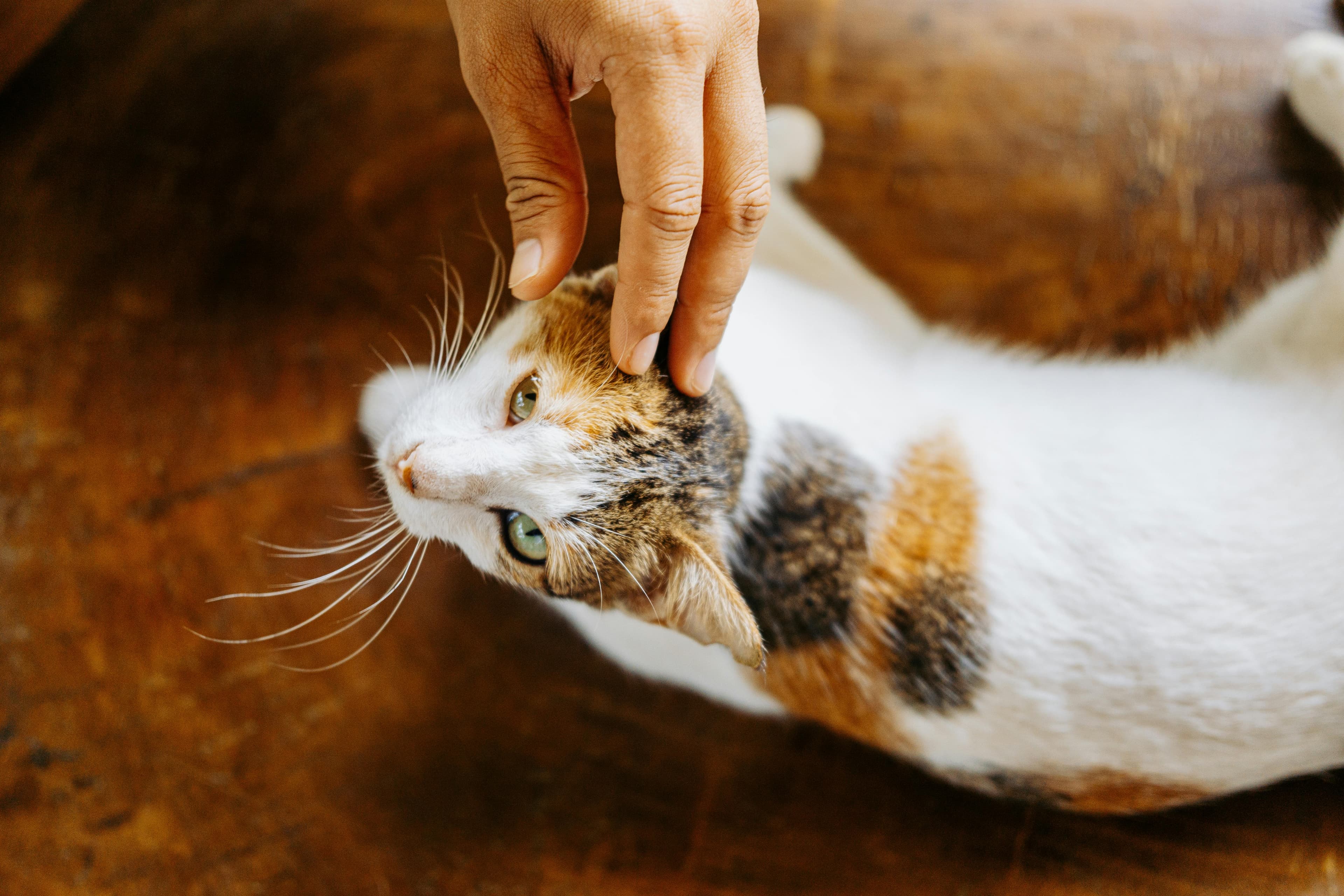
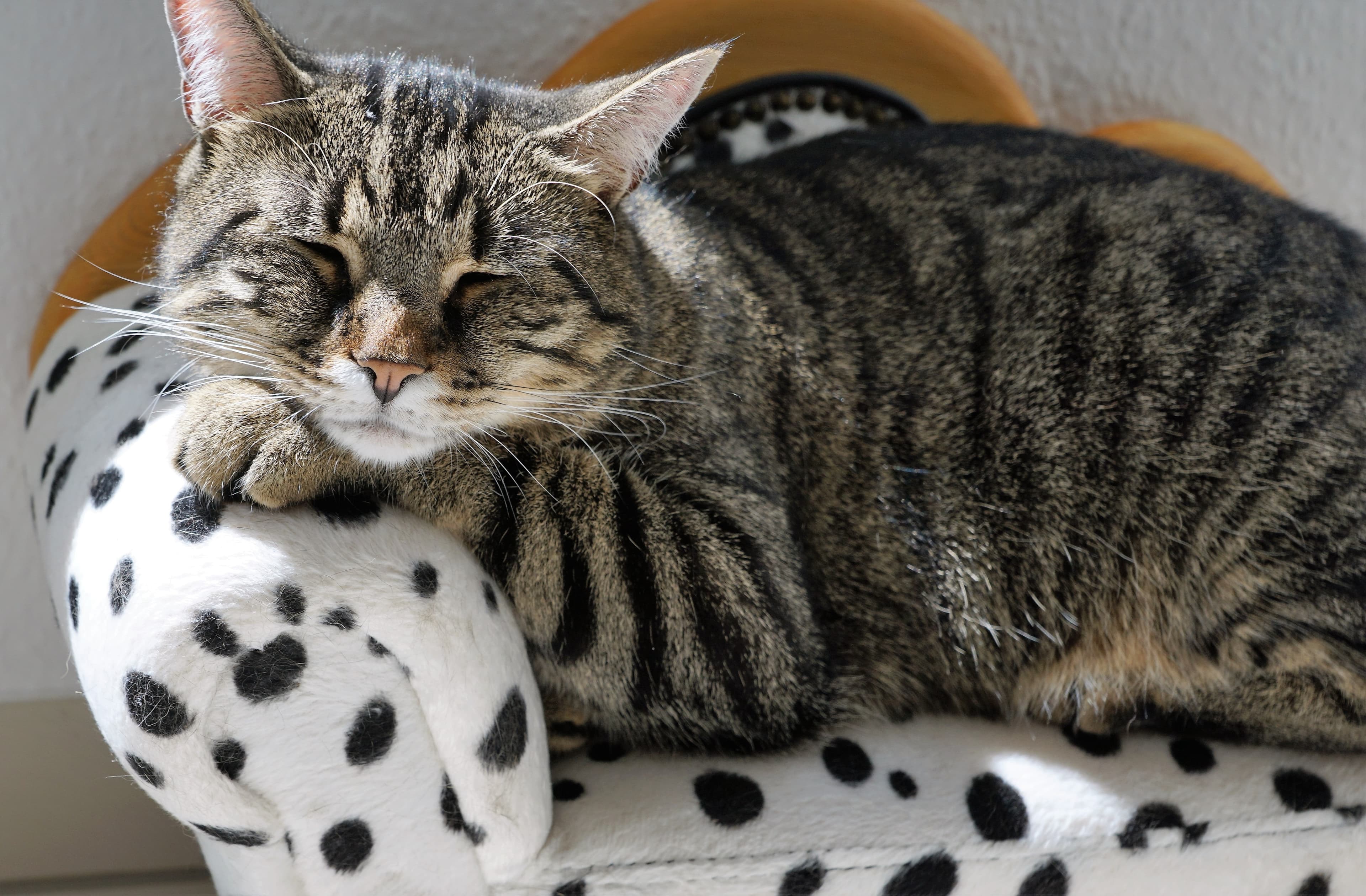

What Do Cats Think When We Kiss Them?
Understanding how cats perceive human kisses involves delving into their unique language of affection. While cats may not comprehend kissing as humans do, they sense the affection behind it, often responding with their own gestures like purring and head bunting. Recognizing and respecting each cat's preferences and boundaries is essential for nurturing a strong bond.
Read more
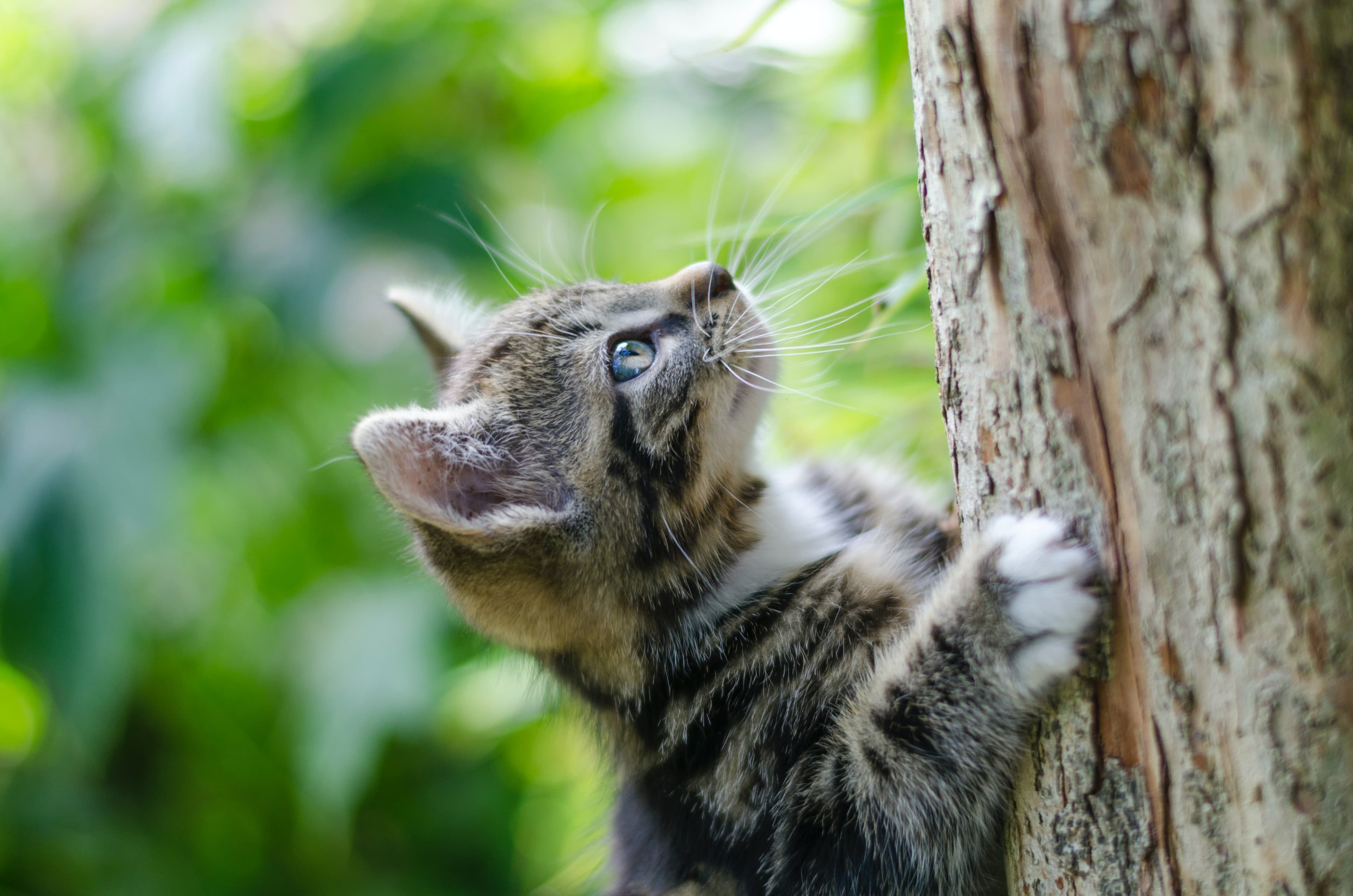
How to Exercise Your Cat
Cats are natural hunters, and their bodies are designed for bursts of energy followed by periods of rest. This pattern aligns with their crepuscular nature, being most active at dawn and dusk. Regular physical activity helps in managing their weight, keeping their joints healthy, and reducing the risk of diseases like diabetes and heart conditions.
Read more
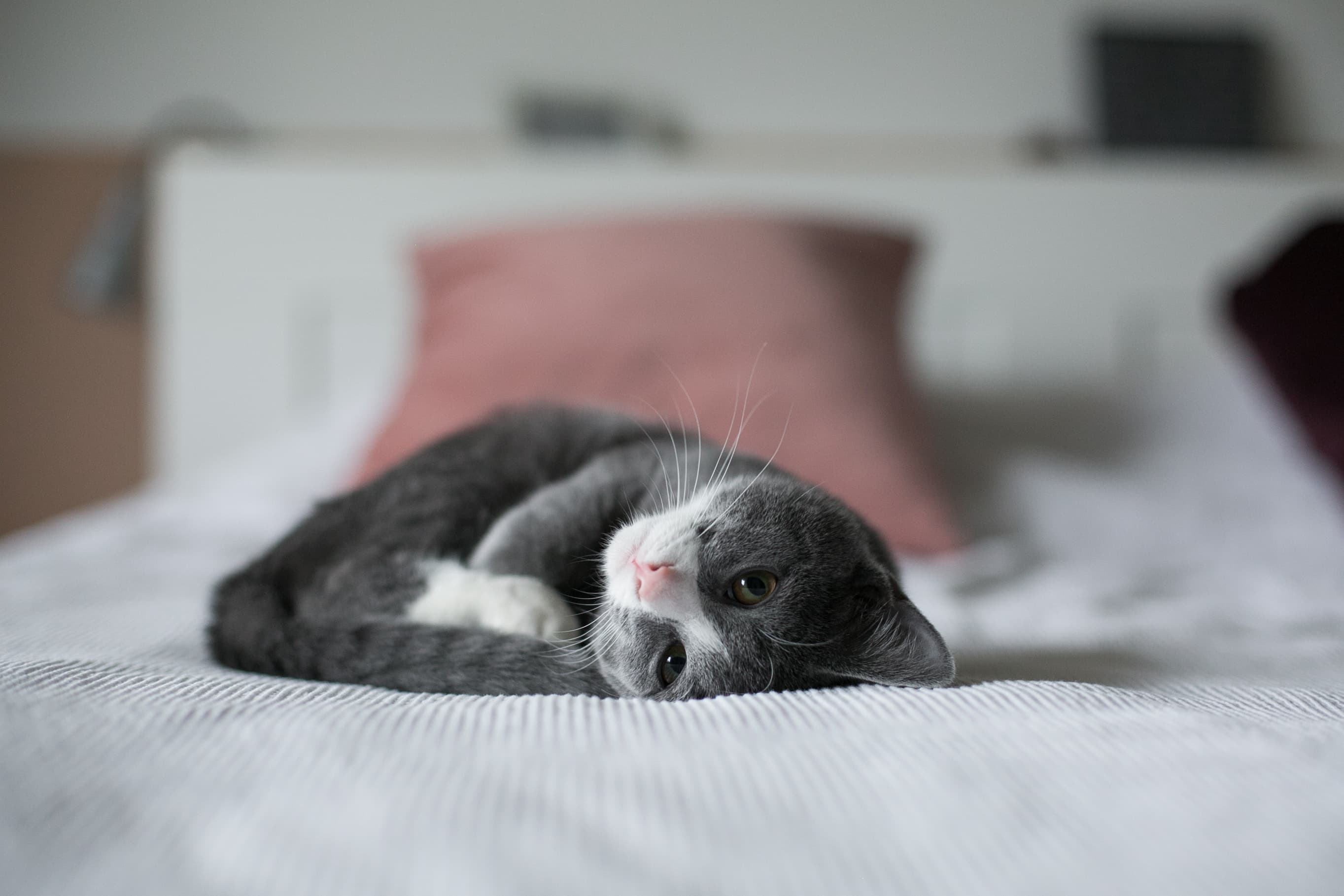
Where Should a Kitten Sleep? Optimal Sleep Arrangements
Creating the perfect sleeping environment for your kitten is not just about comfort, but also about safety and adjusting to their unique needs. Whether it's the first night or any night thereafter, the goal is to provide a space where your kitten feels secure, loved, and part of the family.
Read more
How Much Attention Do Cats Need?
Meeting the attention needs of cats through play and exercise, social interaction and bonding, and environmental enrichment are integral parts of holistic cat care. By investing time and effort into these areas, we can ensure our feline friends lead fulfilling, happy lives.
Read more
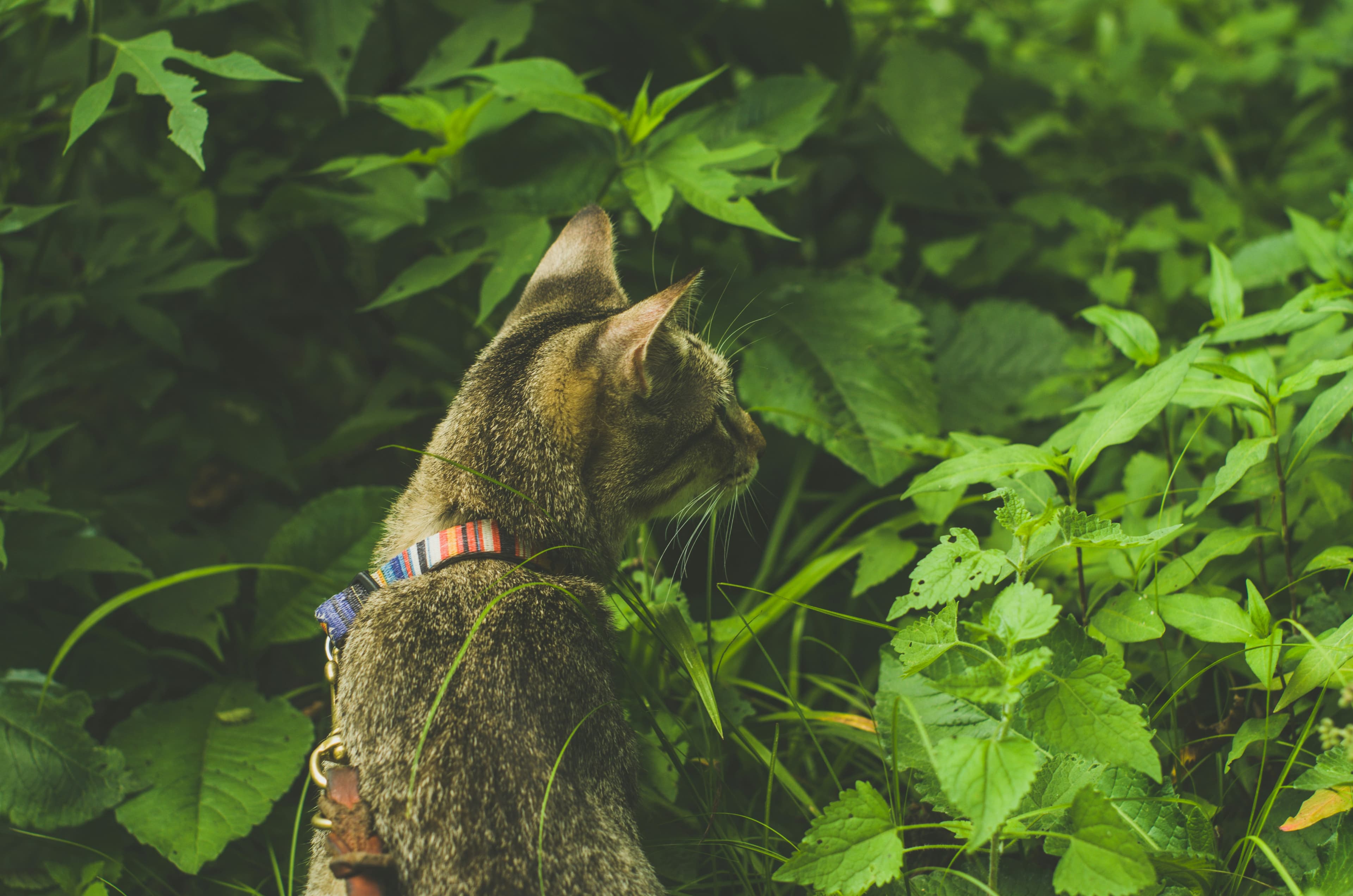
How To Leash Train a Cat
Discover the joys of outdoor strolls with your cat starts with leash training. Take it step by step – introduce a comfy harness, practice indoors, and explore outside. It's a gradual journey, but with patience, treats, and a little adventure, you and your cat can enjoy the great outdoors together.
Read more
Can Cats Eat Bananas?
Cats, as obligate carnivores, have specific dietary needs that do not align with consuming banana bread, which often contains high sugar content and additional ingredients like raisins or chocolate that can be harmful to them. It's crucial for cat owners to understand the importance of a meat-based diet for their feline companions and to avoid human foods that may pose health risks.
Read more
Your Cat Eats Treats but Not Food: What To Do?
When your cat turns its nose up at everyday meals but can't resist treats, it's like decoding a secret language. As a vet, we've uncovered that health, stress, taste preferences, and their surroundings all play a role. It's about addressing dental pain, creating a calm eating space, and understanding their flavor fancies to keep your cat happy and well-fed.
Read more