
Cat
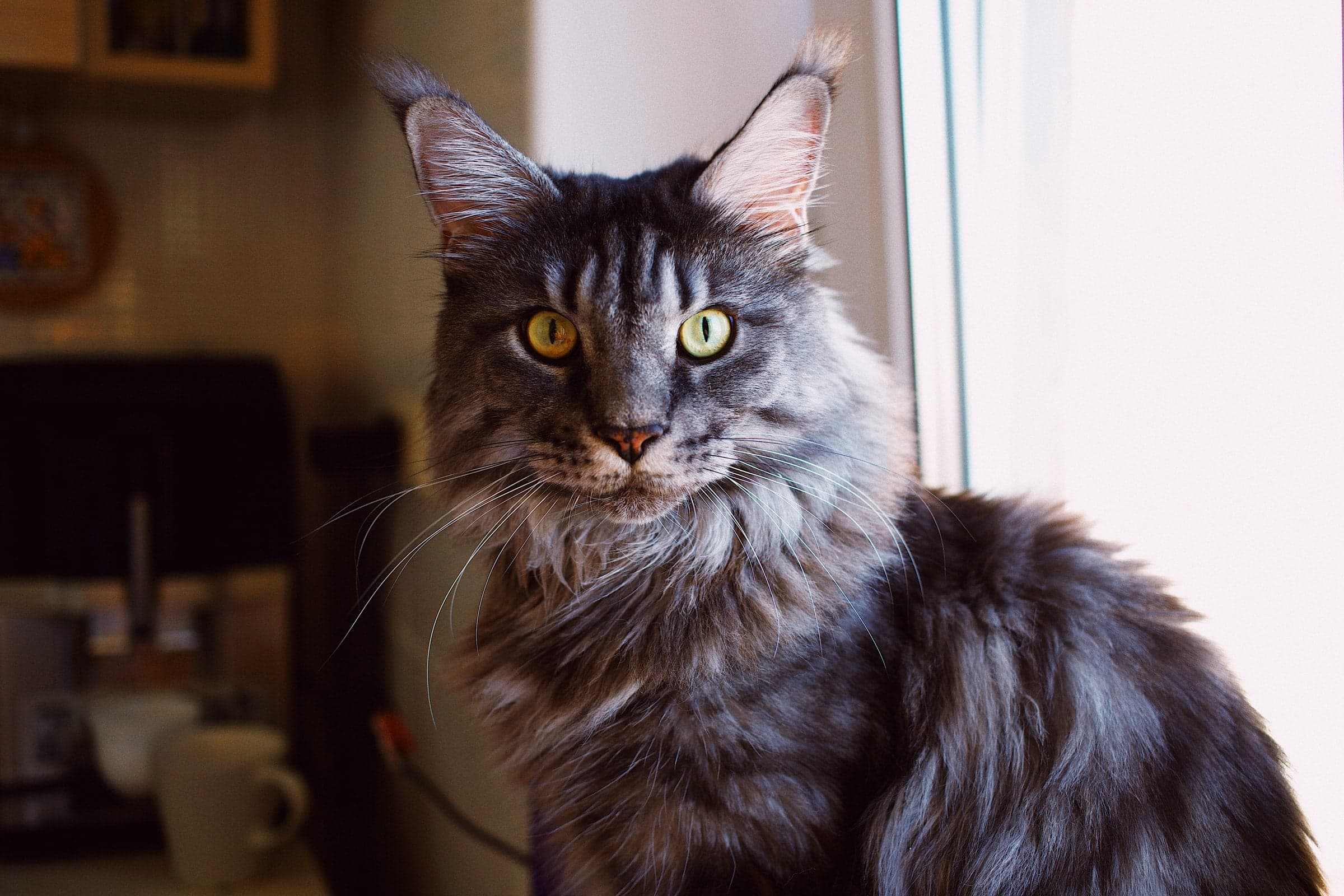
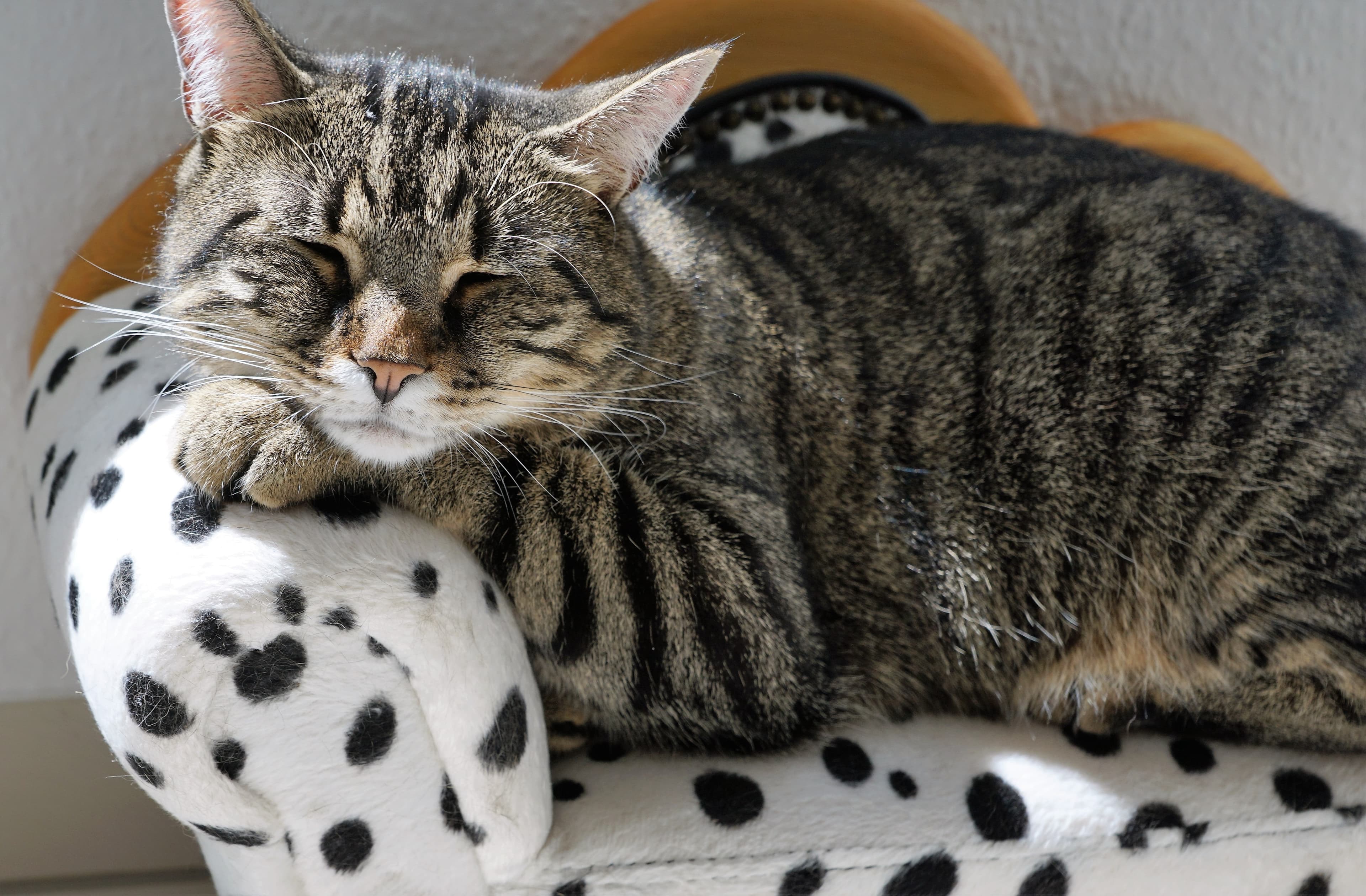
How Big Can Maine Coon Cats Get?
Maine Coon cats are one of the largest breeds of domestic cats in the world, with some males reaching up to 20 pounds or more when fully grown! Some believe that these cats originated in the state of Maine and are known as "gentle giants" due to their temperament and size. In this article, we will take a closer look at just how big Maine coon cats get.
Read more
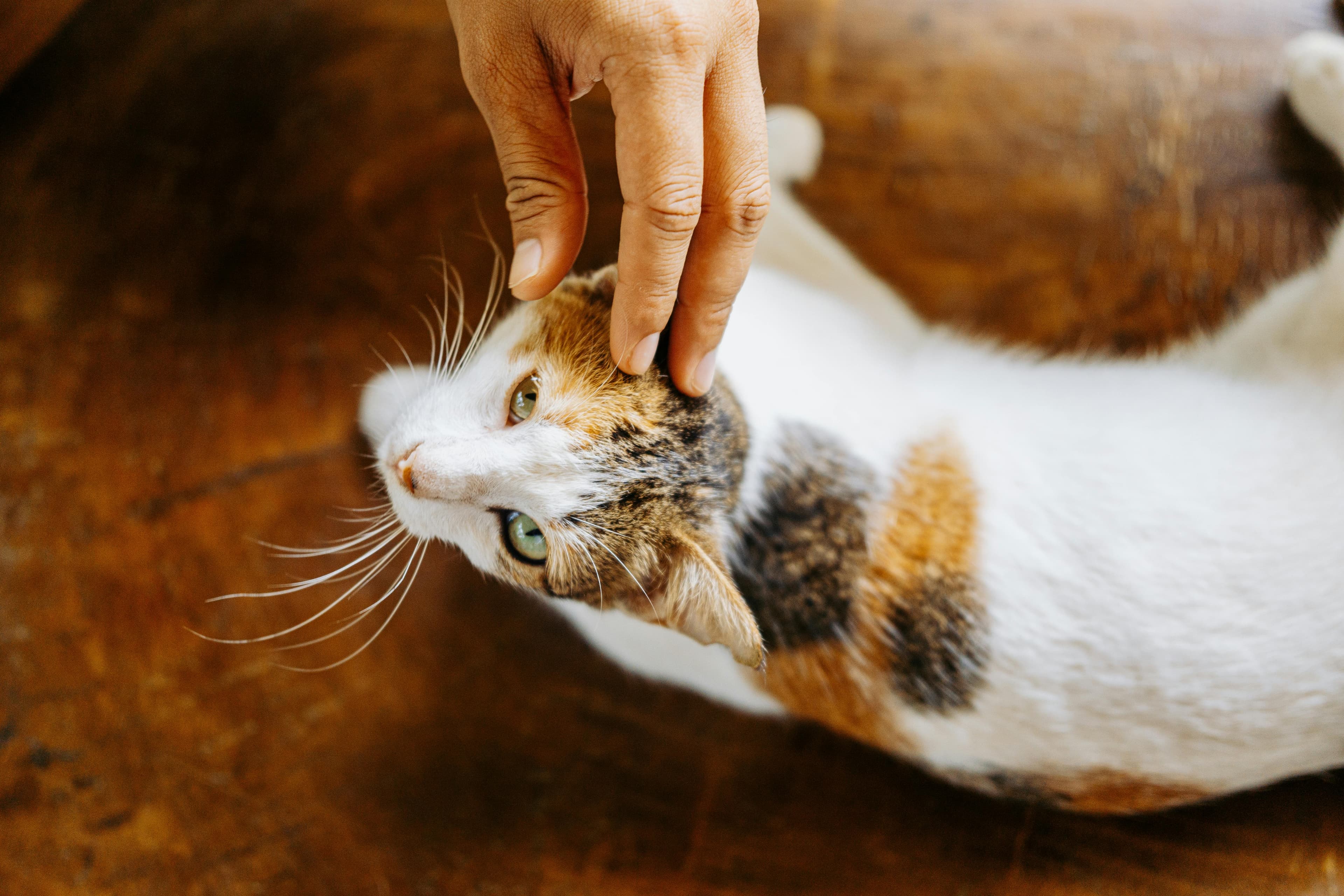
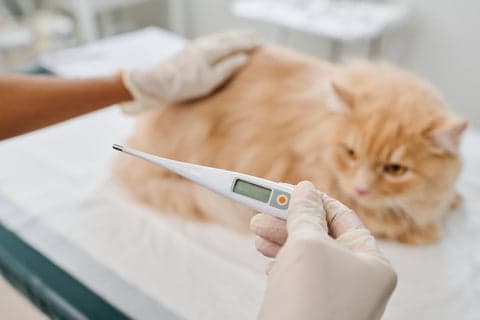
Kennel Cough in Cats: Everything You Need To Know
What causes kennel cough in cats? Continue reading to find out what kennel cough is, how to prevent your beloved furry friend from getting it, and how it is diagnosed and treated.
Read more
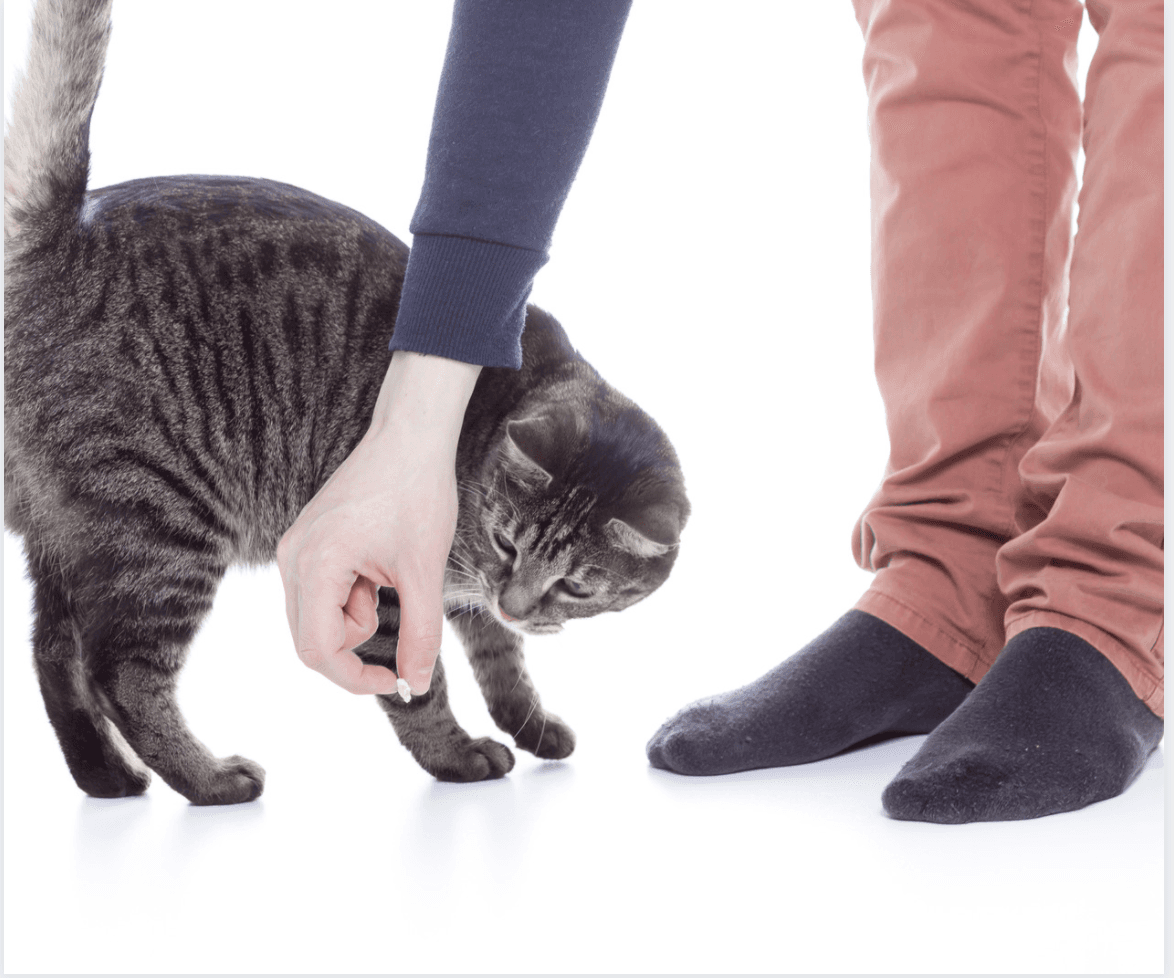
Key Things To Know About Feline Diabetes
Diabetes in cats has increased by 18% over the past 10-years, and 1 out of every 230 cats today is affected by feline diabetes. But what are the causes, symptoms, and treatment options for feline diabetes? Read more in this blog post.
Read more
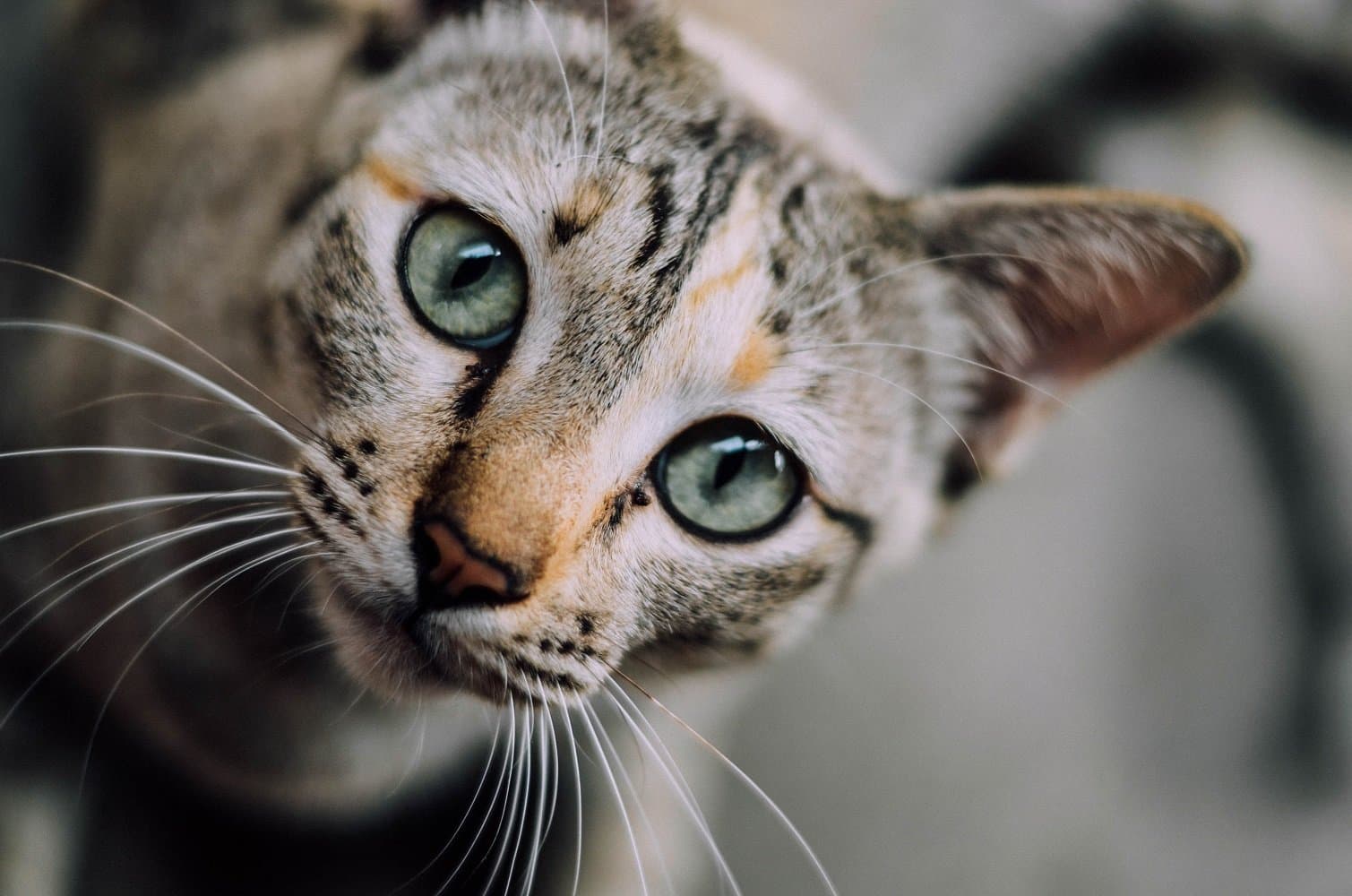
Unlocking The Secrets of Shelter Cats
Many of us love shelter cats, with a secret past you will never be able to learn. How can we learn more about these mysterious cats?
Read more
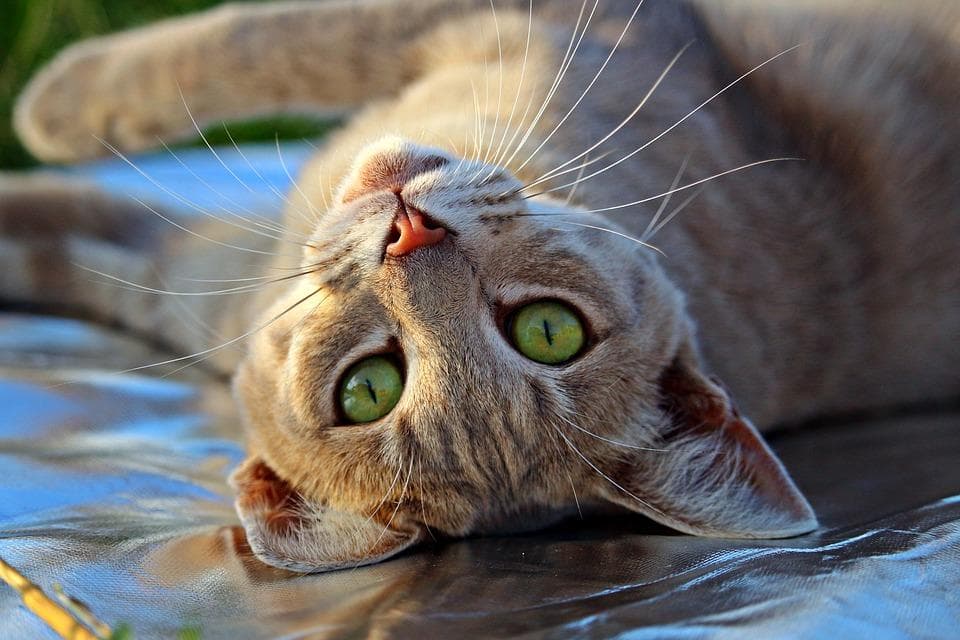
Common Skin Problems In Cats
Here are seven groups of the most commonly observed skin problems in cats. Read on to learn what to look out for when it comes to your cat's skin care.
Read more

Feline Bronchial Asthma
If your cat has been diagnosed with feline asthma or bronchitis, this article is for you. Here is your introduction to feline bronchial asthma.
Read more
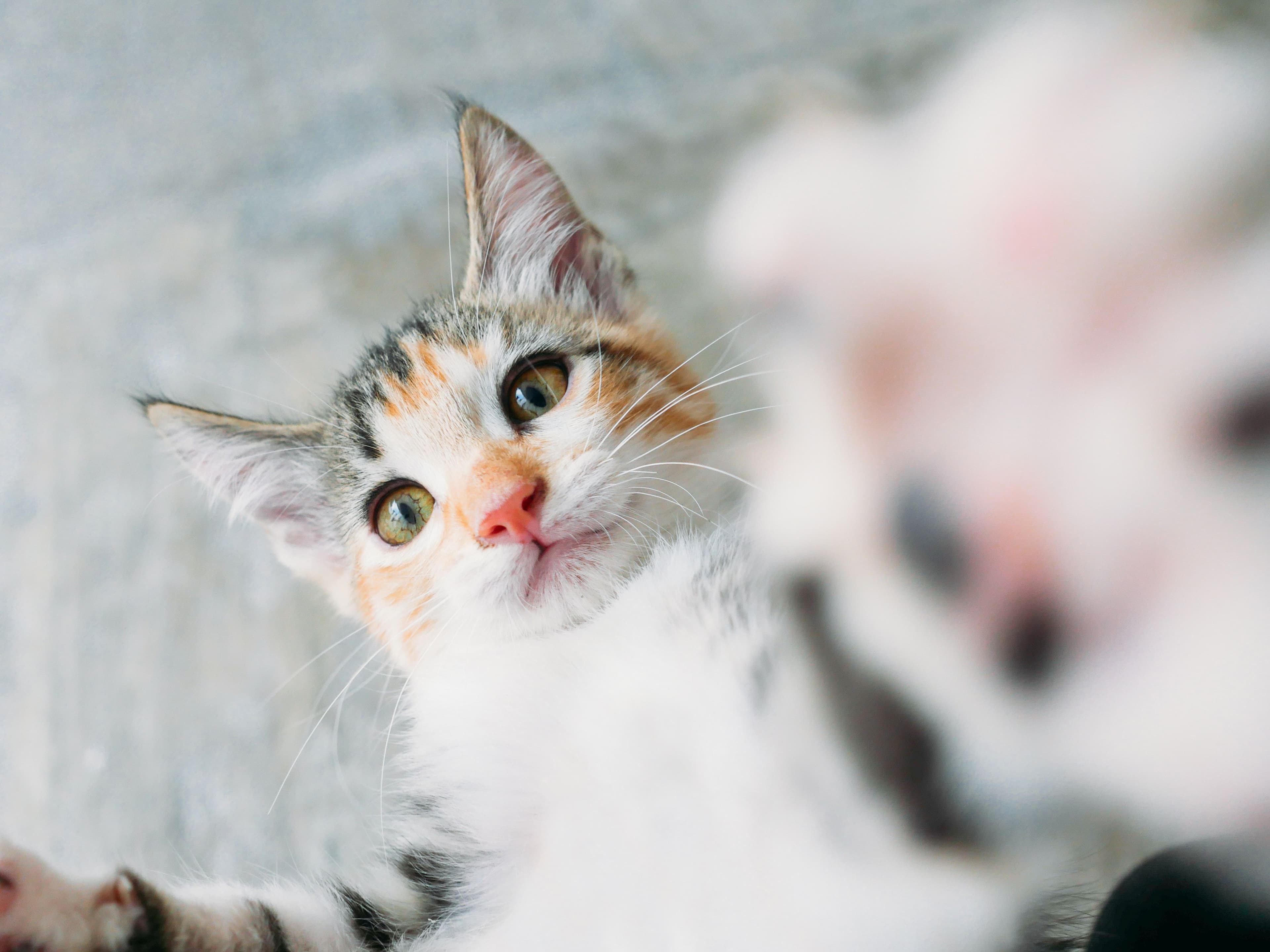
Cat Personality Guide
Internet is filled with different cat personality type classifications. Today, we chose to share with you a classification we learned about from dr. Pippa Elliott.
Read more