
Cat
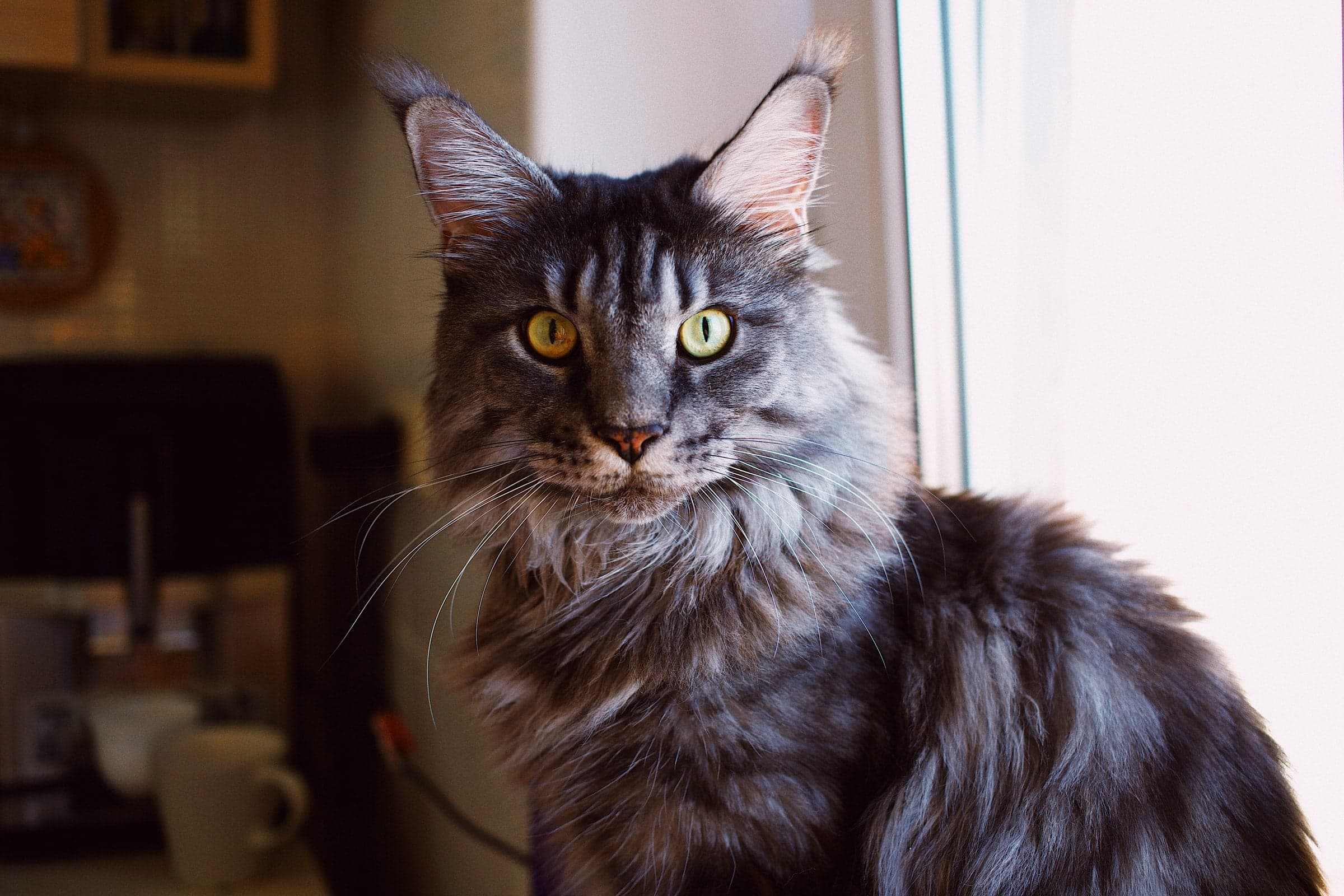
How Big Can Maine Coon Cats Get?
Maine Coon cats are one of the largest breeds of domestic cats in the world, with some males reaching up to 20 pounds or more when fully grown! Some believe that these cats originated in the state of Maine and are known as "gentle giants" due to their temperament and size. In this article, we will take a closer look at just how big Maine coon cats get.
Read more
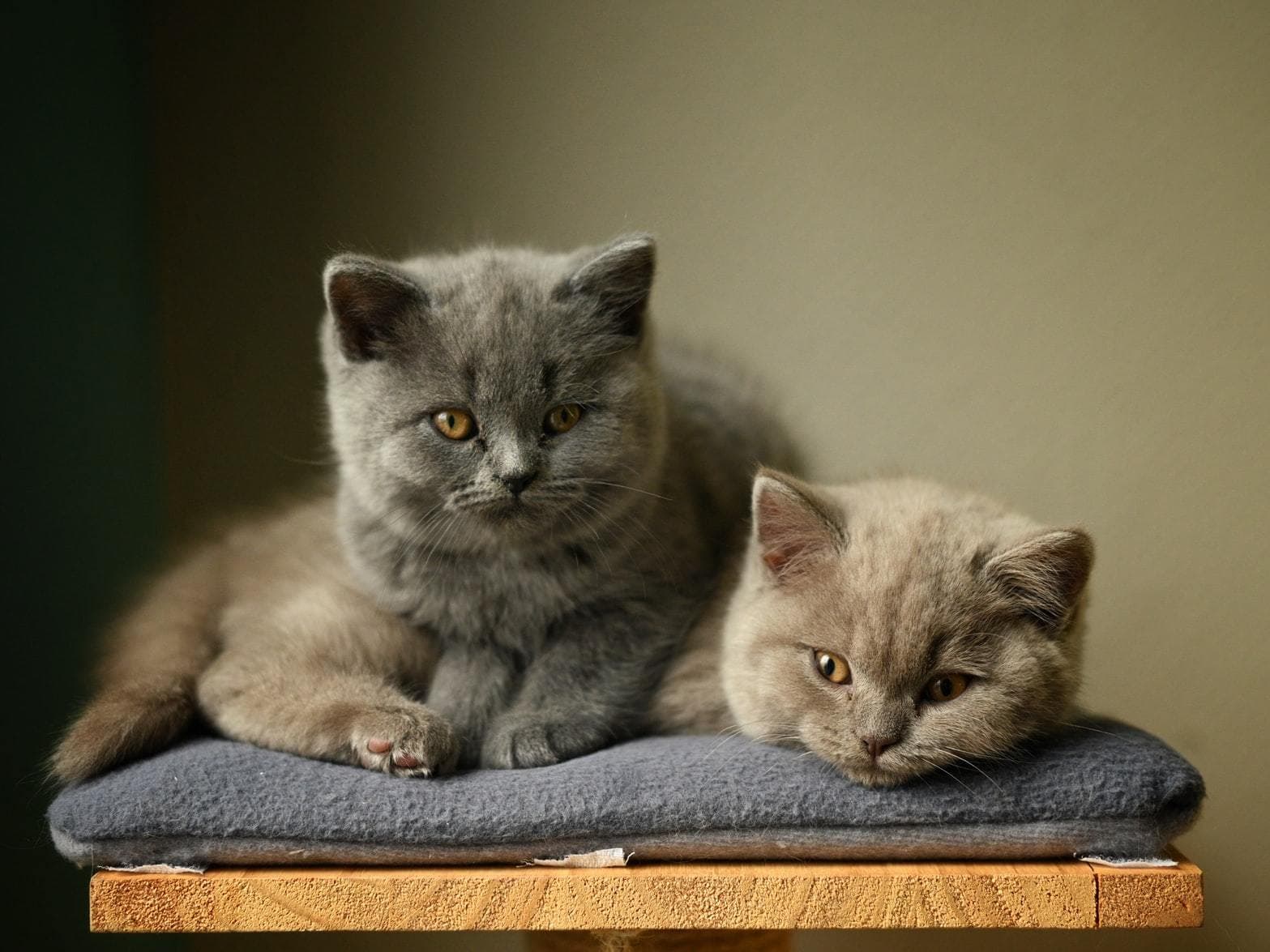
Autoimmune Lymphoproliferative Syndrome (ALPS)
Autoimmune lymphoproliferative syndrome in cats is a lymphoproliferative disorder distinguished by massive enlargement of lymphatic nodes and spleen.
Read more
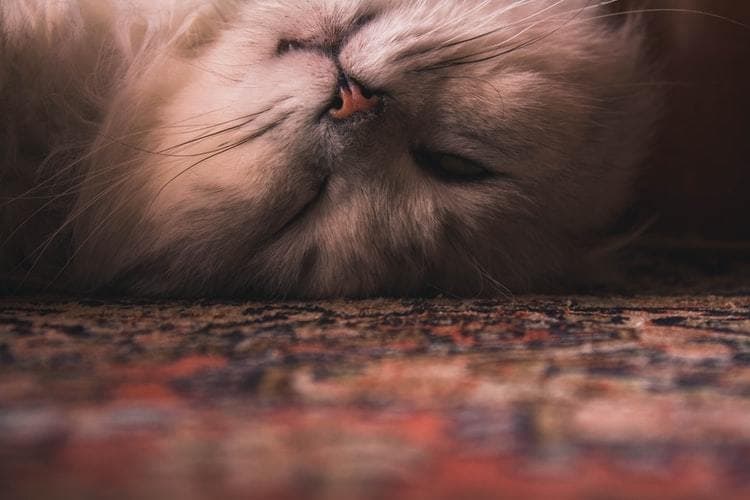
Brachycephaly In Cats
Brachycephaly in cats is a trait of skull bones shortened in length, giving the face and nose of a cat a "pushed in" appearance.
Read more
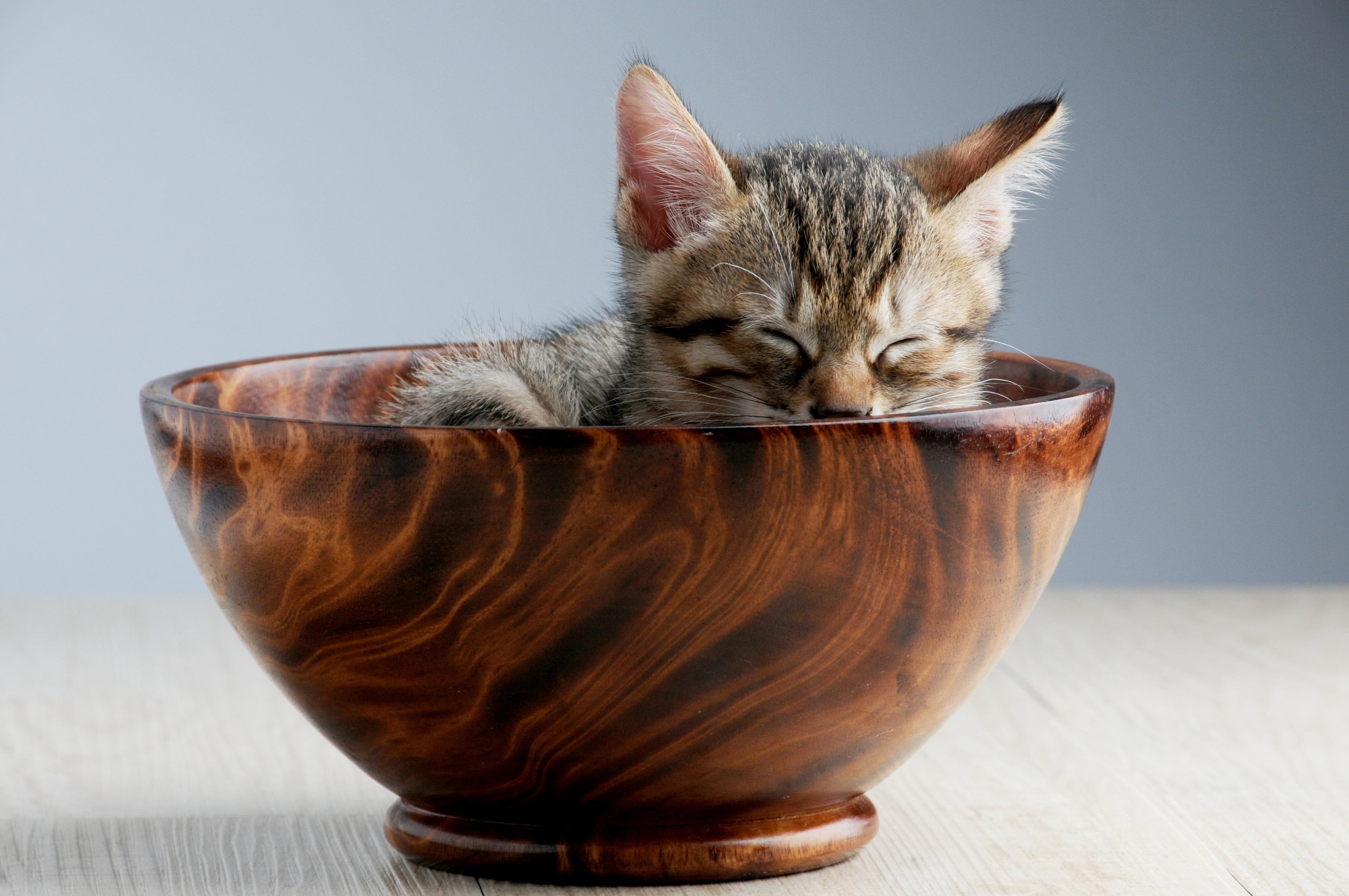
How Do Cats Sleep?
Did you know cats are one of the sleepiest animals out there? They often spend more than half of the day sleeping. But, how do cats sleep? Time to find out.
Read more
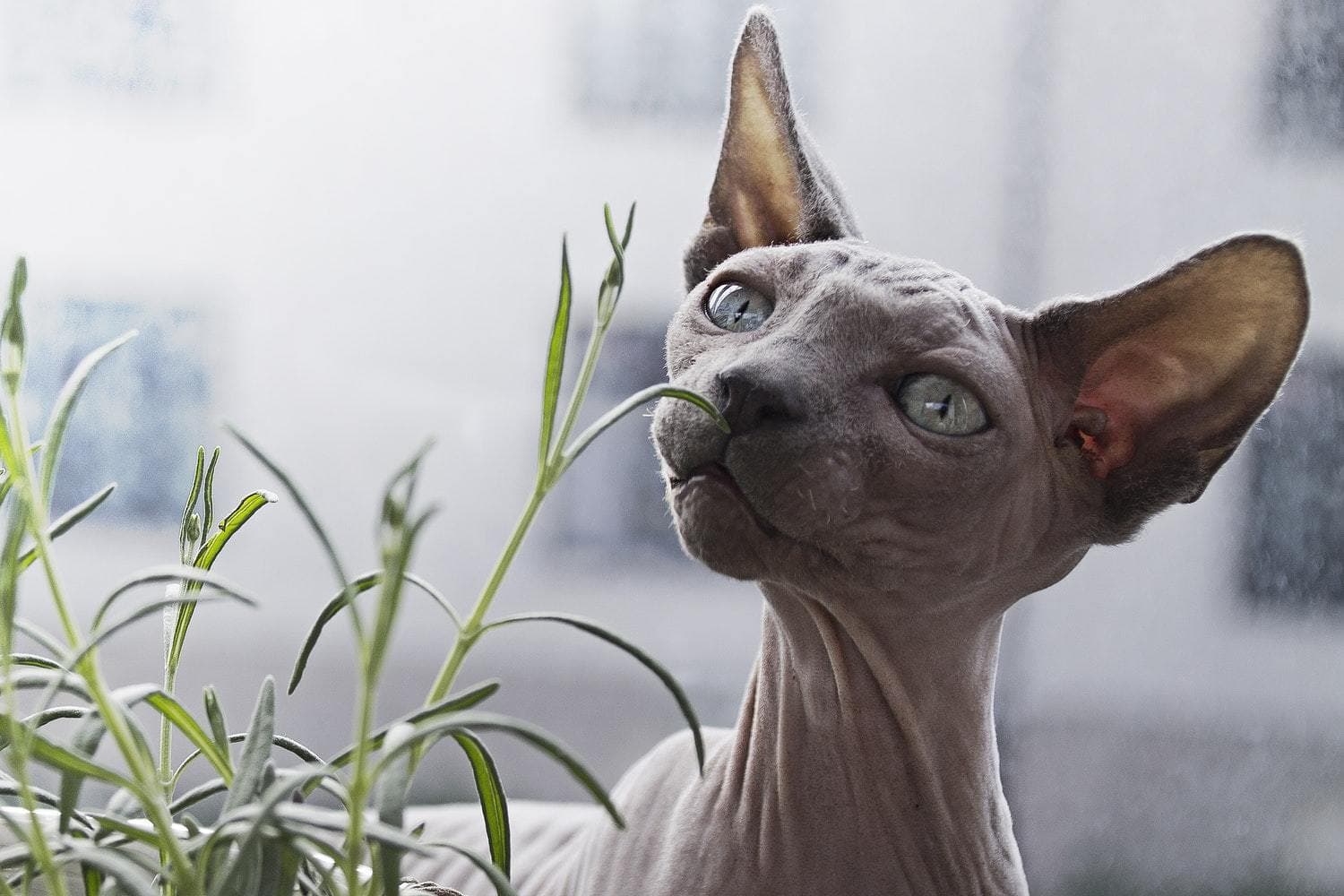
Feline Urticaria Pigmentosa
Feline urticaria pigmentosa is a form of a condition known as cutaneous mastocytosis and it is caused by the accumulation of the defective mast cells.
Read more
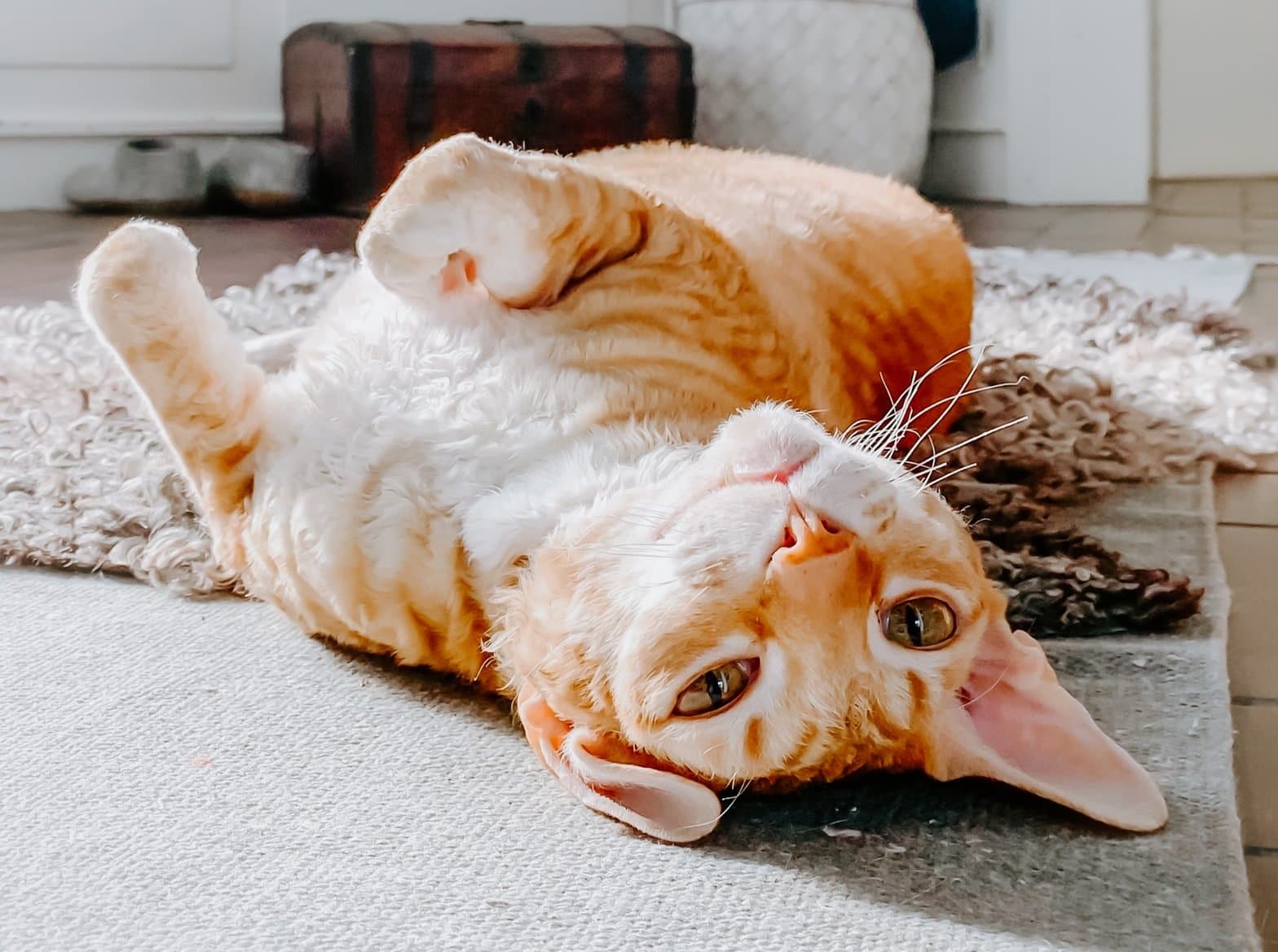
Cystinuria in Cats: What Do I Need to Know?
Cystinuria in cats is an inherited metabolic disease characterized by defective amino acid reabsorption, leading to the formation of cystine stones.
Read more
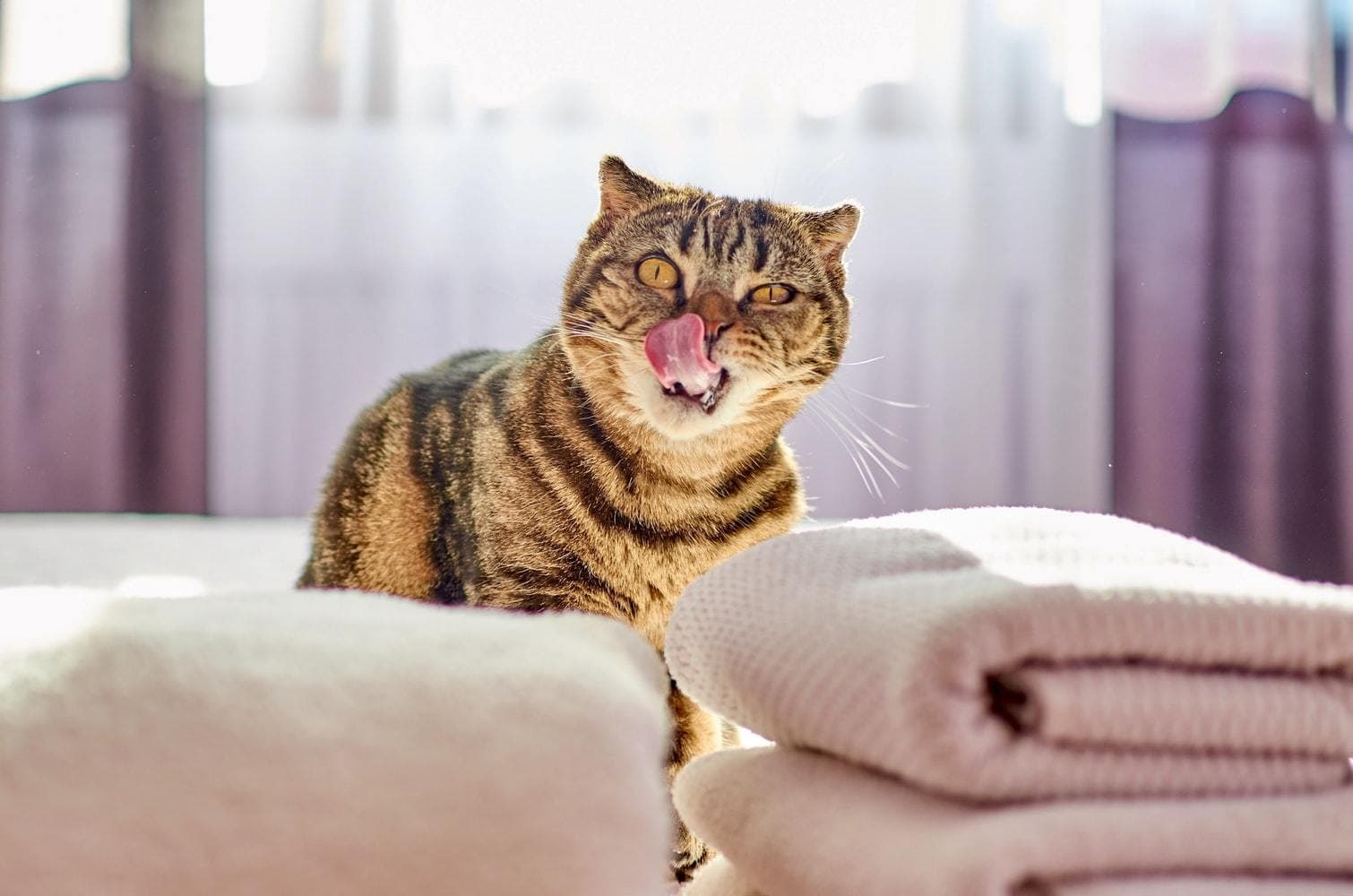
6 Reasons Your Cat is Overweight (And How to Shed Those Pounds)
If your cat is overweight, you CAN help your cat achieve a healthy weight before it’s too late. Here are top 6 reasons your cat is overweight.
Read more
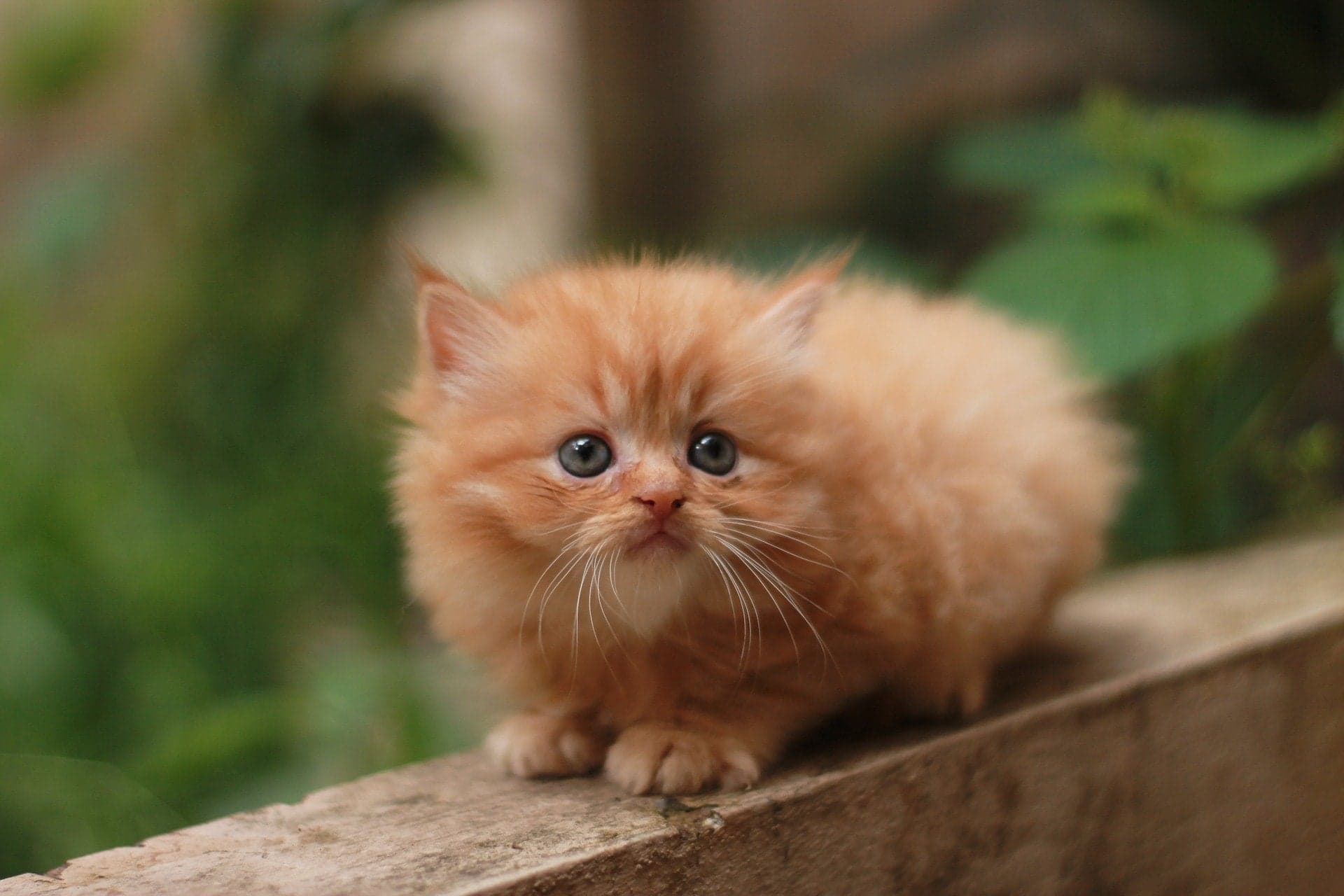
Polycystic Kidney Disease in Cats: Genetic Disease Explained
Polycystic kidney disease in cats (PKD) is one of the most common feline genetic diseases. Persian and related cat breeds are known to be at a higher risk.
Read more