
Cat
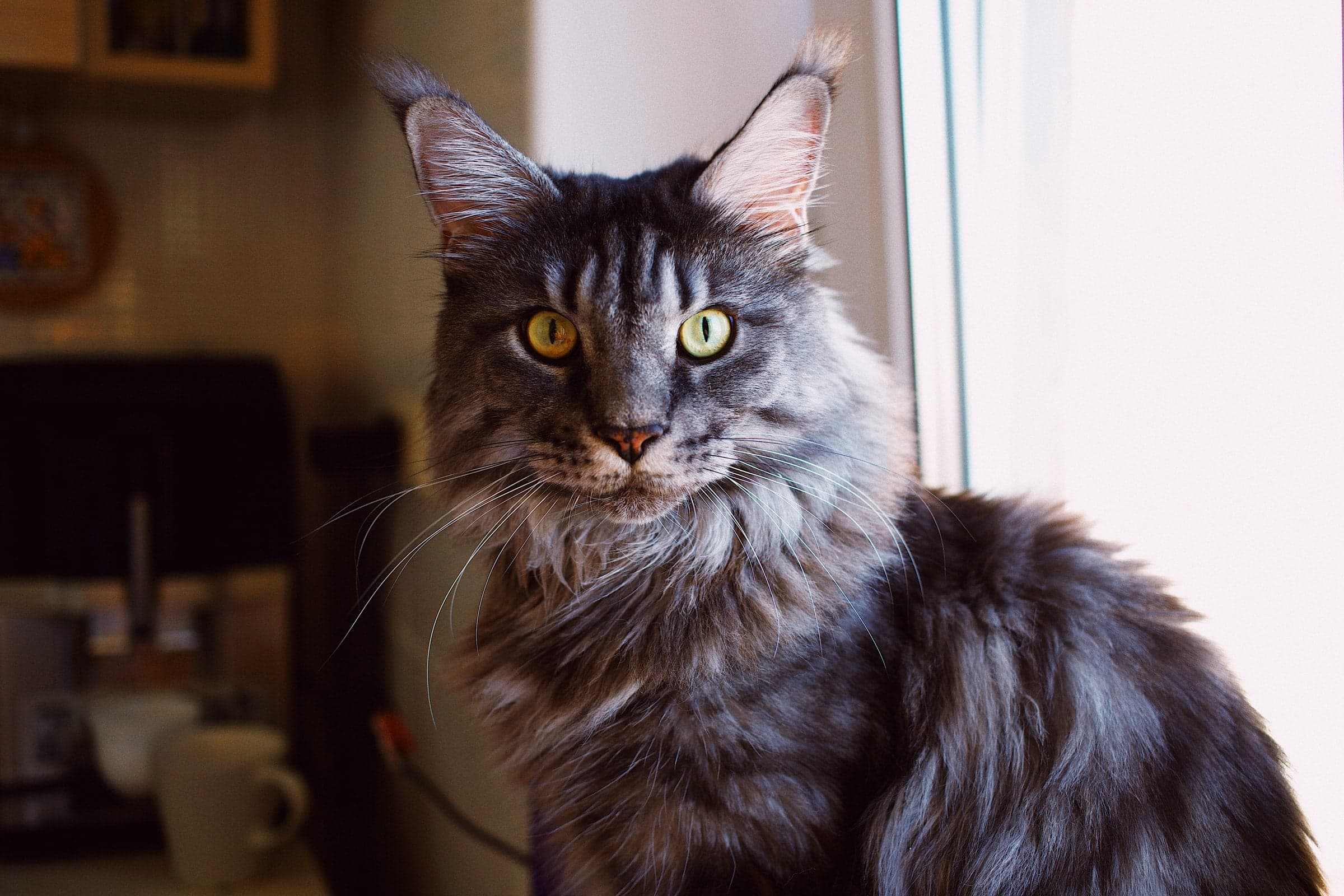
How Big Can Maine Coon Cats Get?
Maine Coon cats are one of the largest breeds of domestic cats in the world, with some males reaching up to 20 pounds or more when fully grown! Some believe that these cats originated in the state of Maine and are known as "gentle giants" due to their temperament and size. In this article, we will take a closer look at just how big Maine coon cats get.
Read more
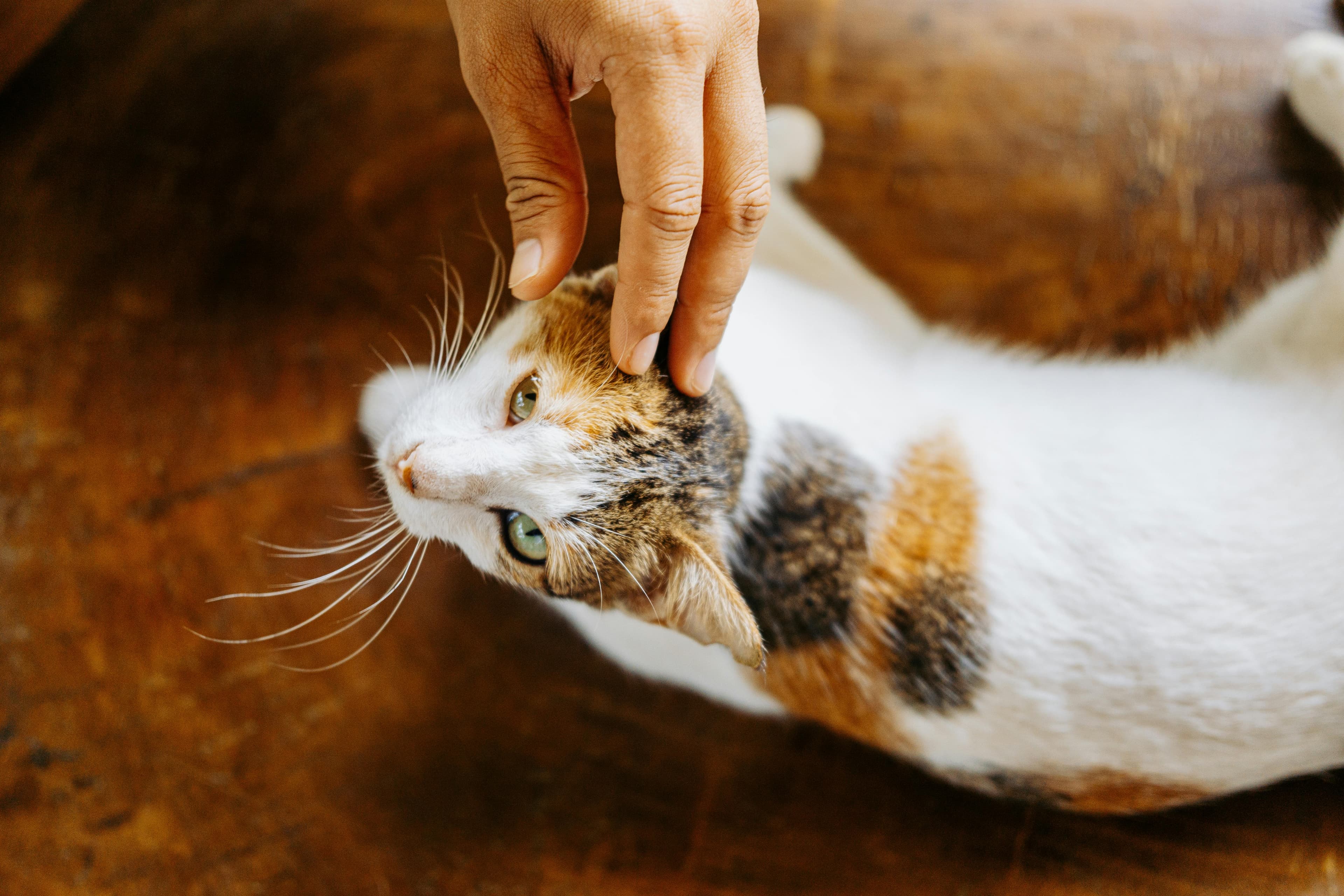
The Power of The Feline Senses
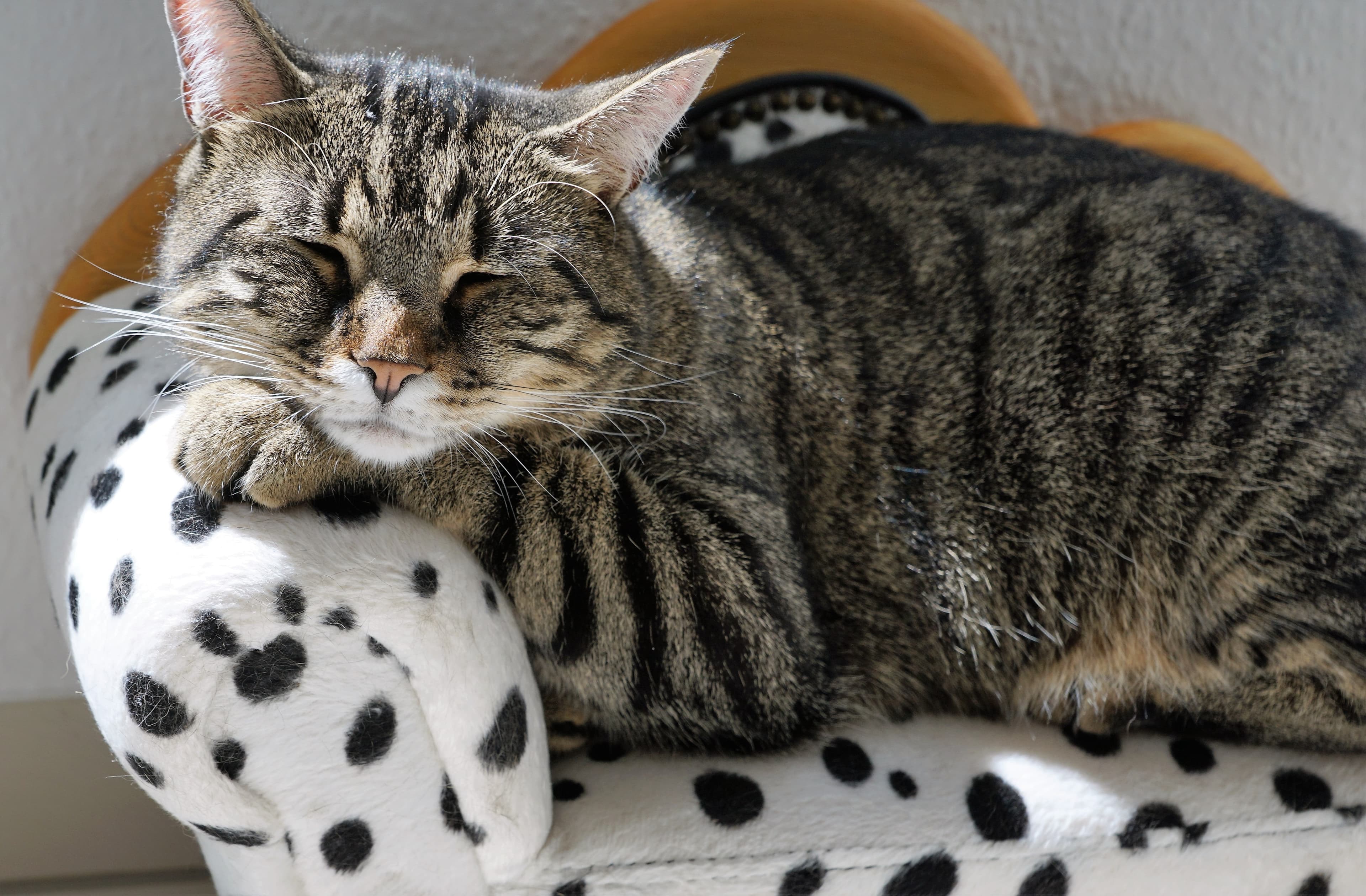
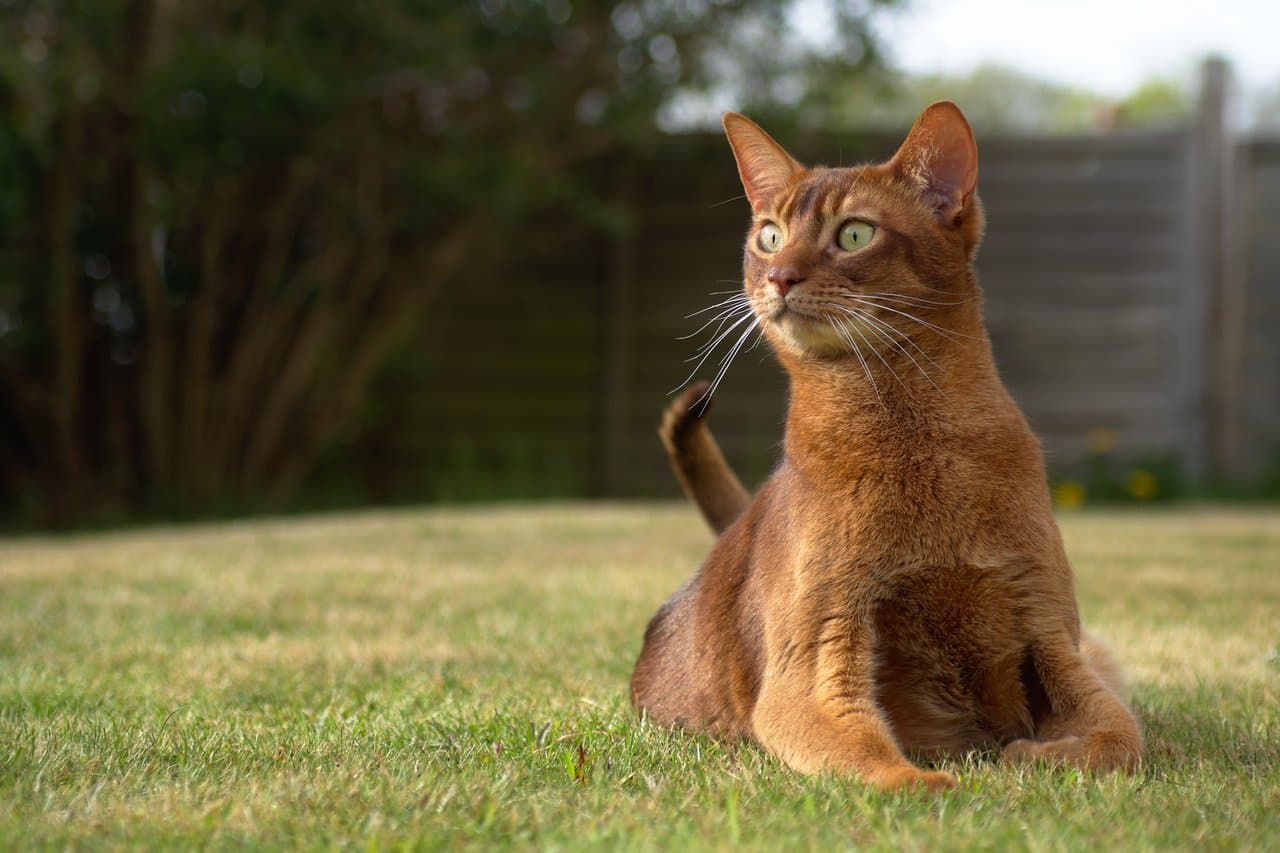
Feline senses are powerful and sharp which allows cats to operate smoothly and maintain their superior hunting strategies.
Read more
Feline Lower Urinary Tract Disease (FLUTD)
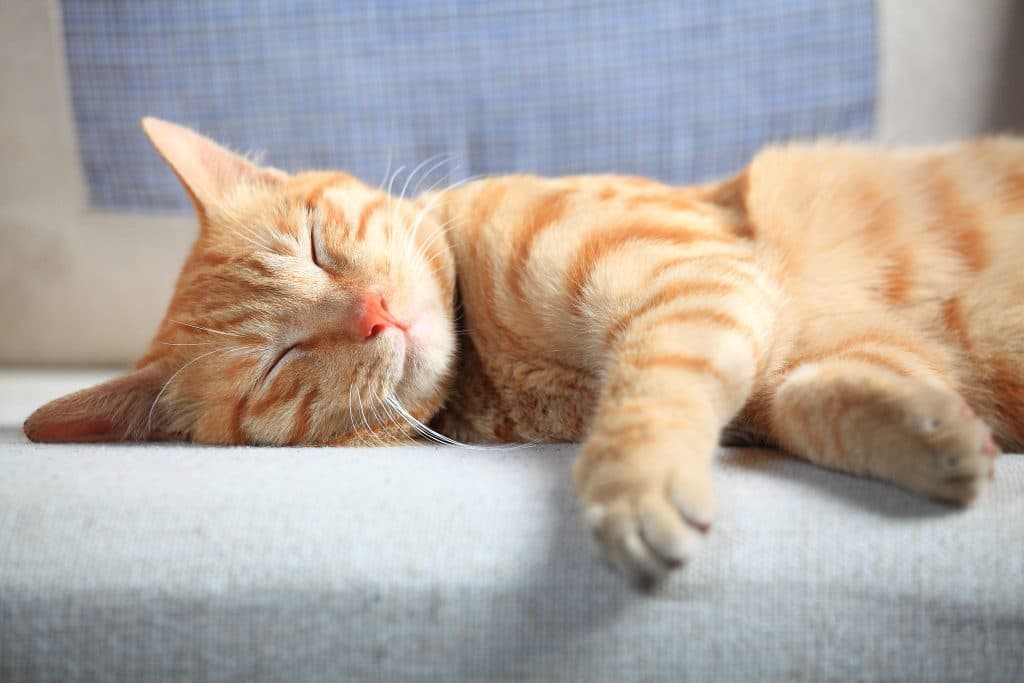
Feline lower urinary tract disease (FLUTD) affects about 0.5-1% of feline population. Here is what you need to know about this health concern in cats.
Read more
Feline Dwarfism
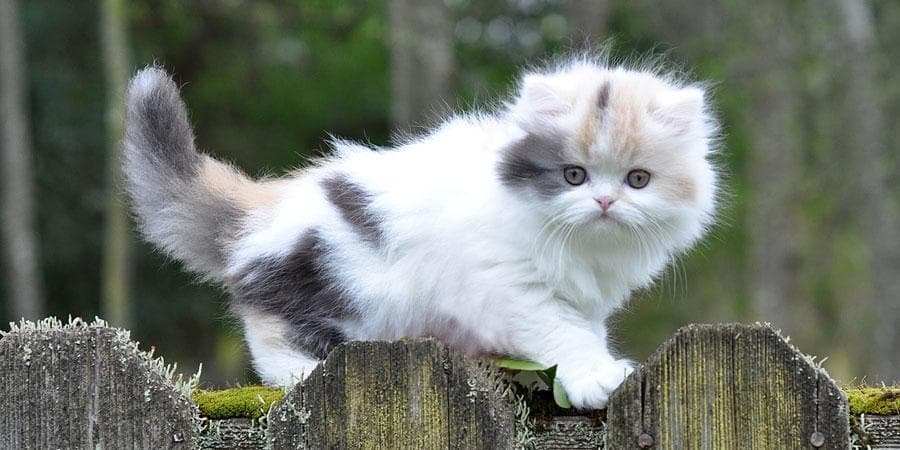
Feline dwarfism is a condition caused by genetic anomalies which lead to stunted growth and abnormal feline body proportions.
Read more
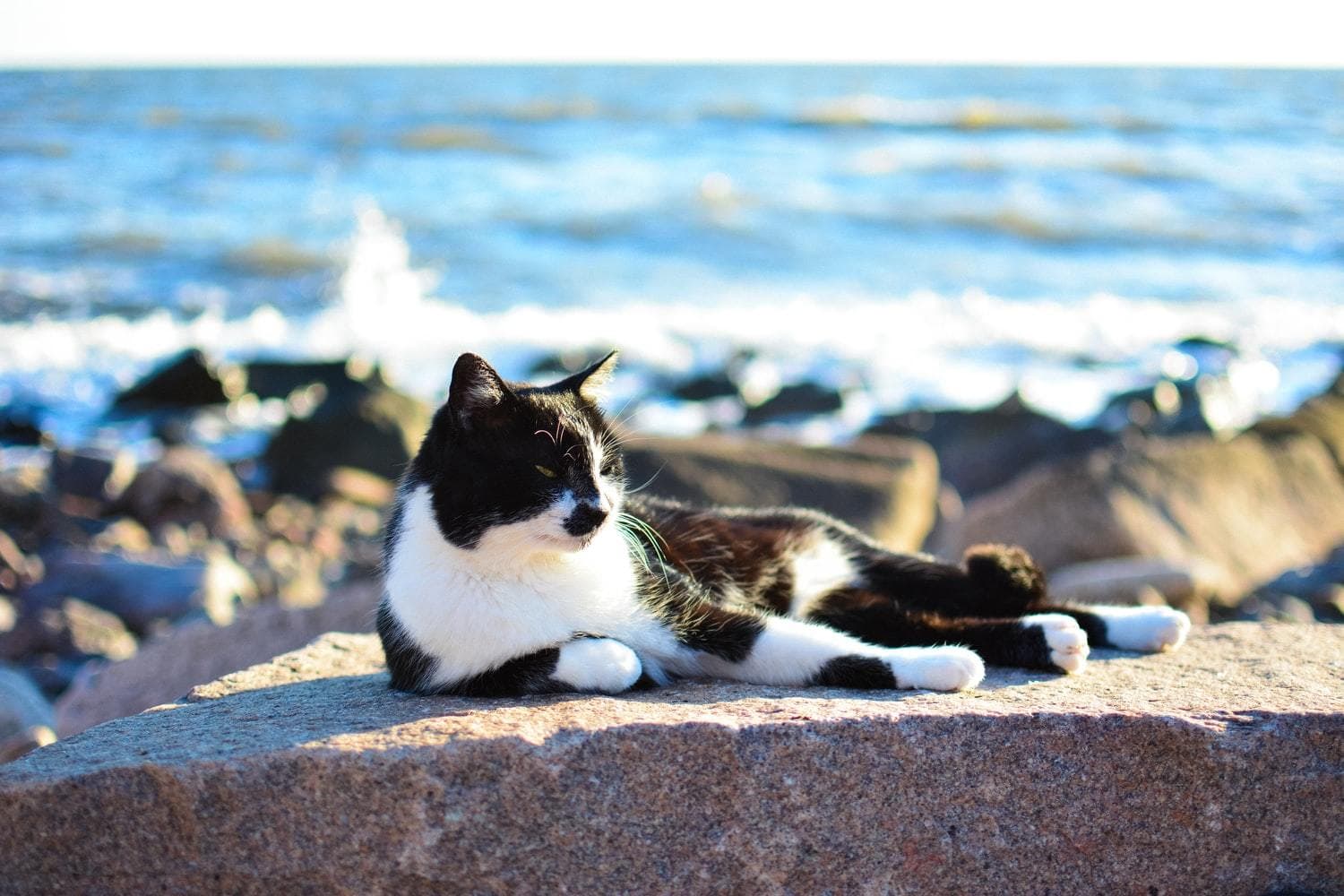
Feline Myotonia Congenita
Feline Myotonia Congenita (MC) is a hereditary neuromuscular disorder characterized by persistent contraction, particularly during the muscle movement.
Read more
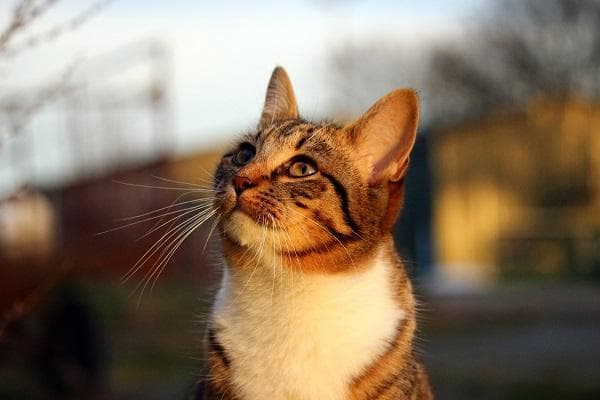
Nature vs. Nurture: What makes your cat unique?
Environmental factors greatly shape how your cat's DNA is expressed. Here's what you need to know about environment vs DNA.
Read more
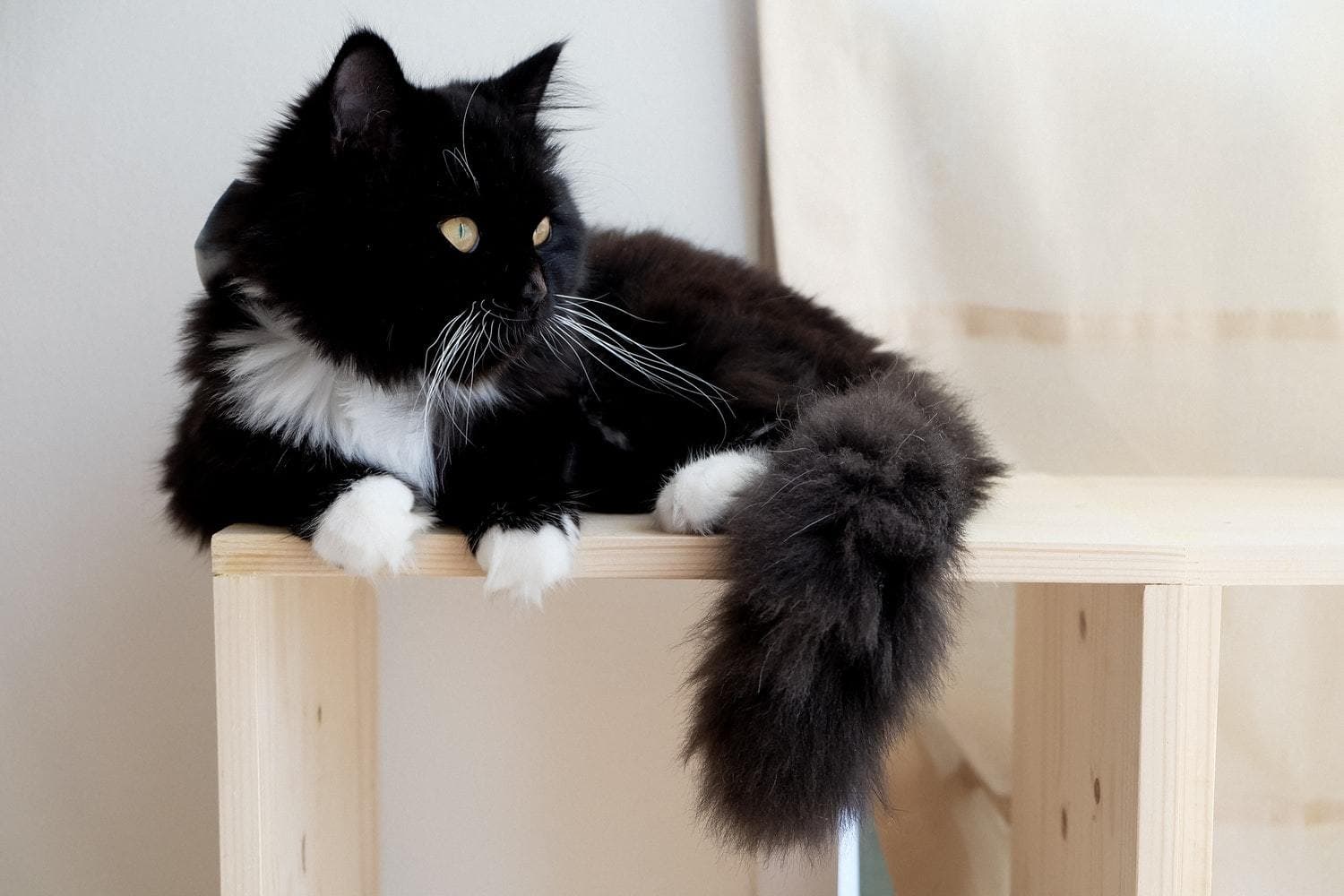
Blood Groups In Cats
Did you know cats can have different blood groups? Here is what you need to know about blood groups in cats and why you really should know your letters!
Read more
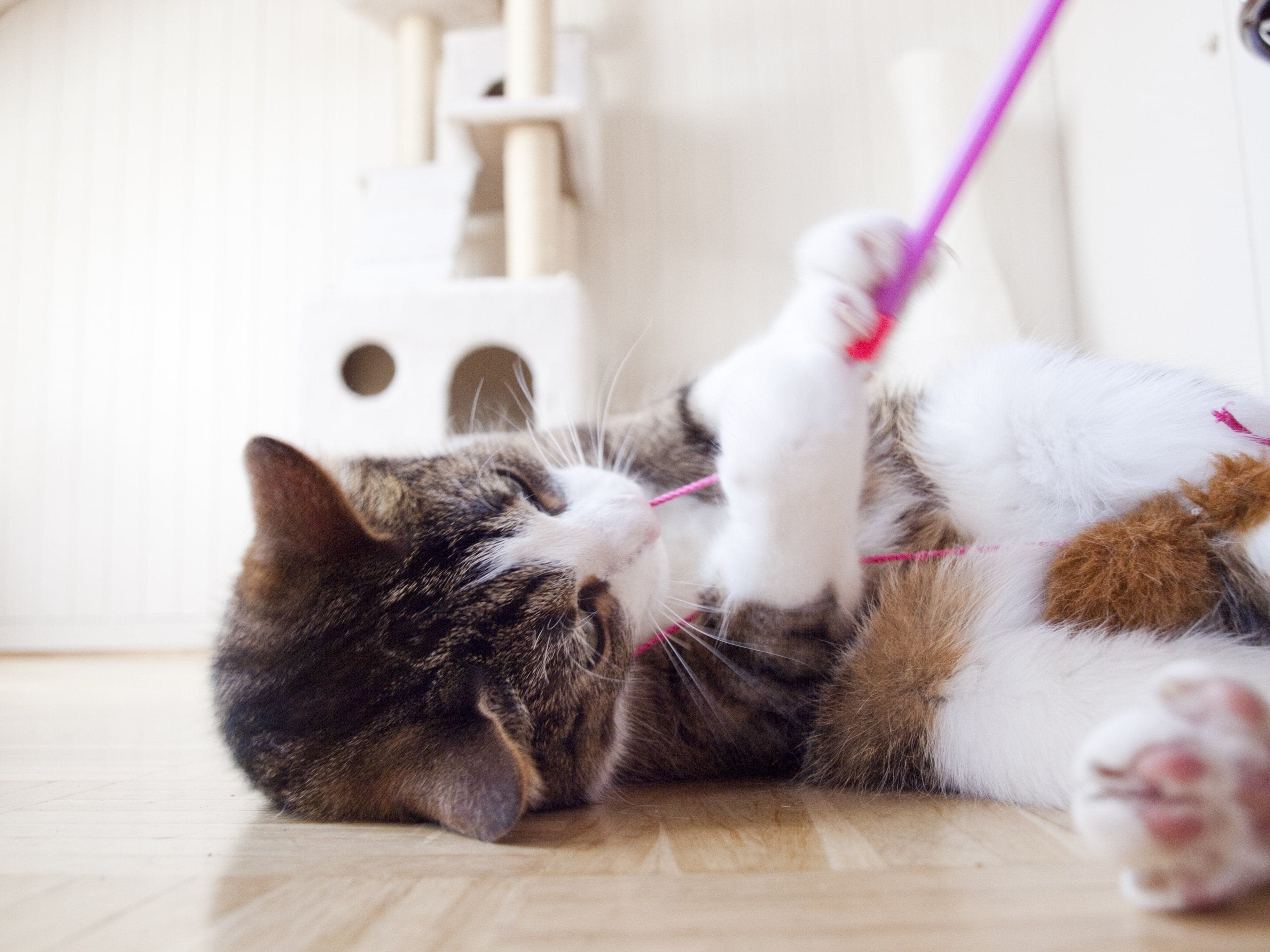
Cat Personality Survey
We recently asked 500 cat parents to answer a short survey about their cats’ personalities. Here are the surprising results of our cat personality survey!
Read more