
Cat
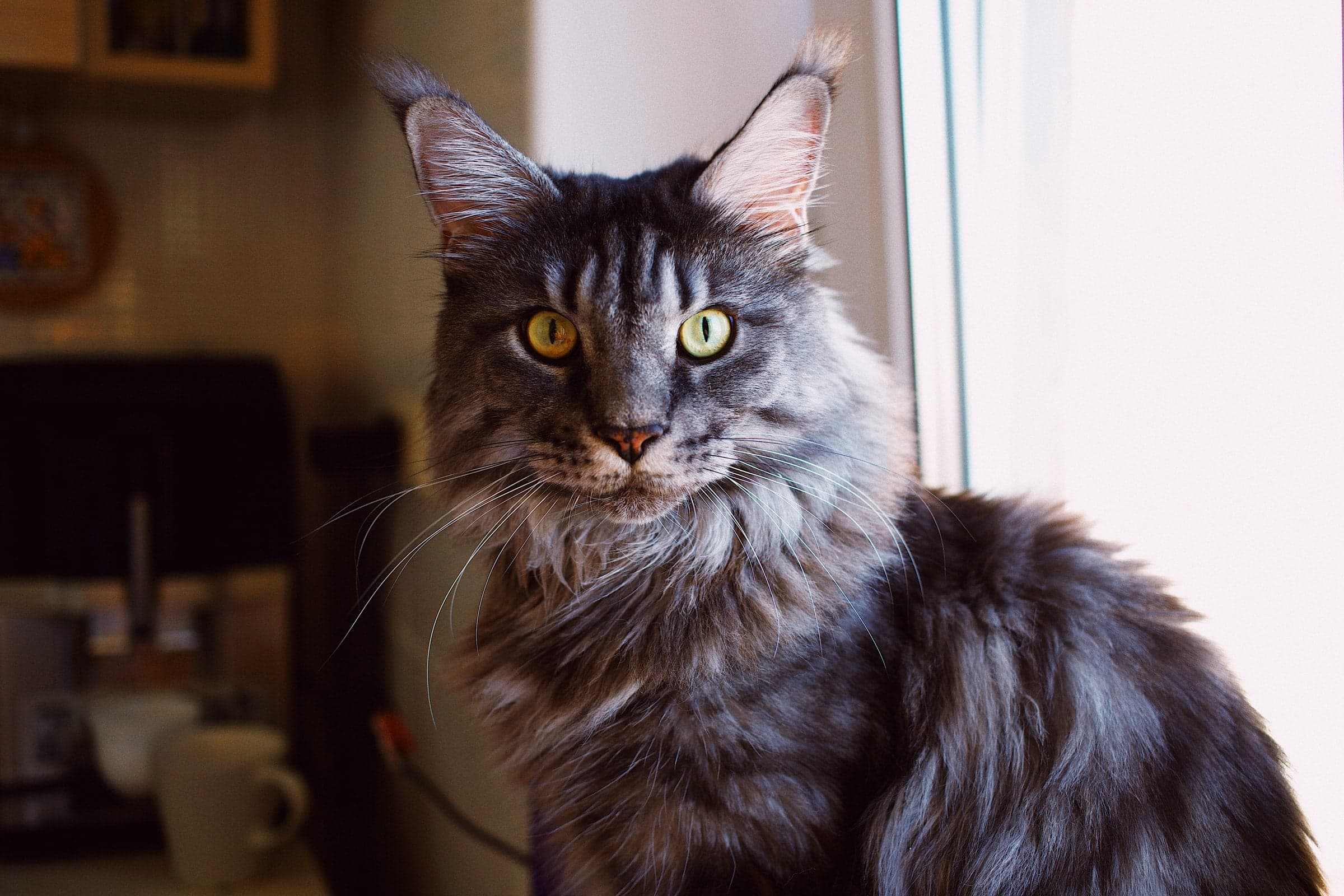
How Big Can Maine Coon Cats Get?
Maine Coon cats are one of the largest breeds of domestic cats in the world, with some males reaching up to 20 pounds or more when fully grown! Some believe that these cats originated in the state of Maine and are known as "gentle giants" due to their temperament and size. In this article, we will take a closer look at just how big Maine coon cats get.
Read more
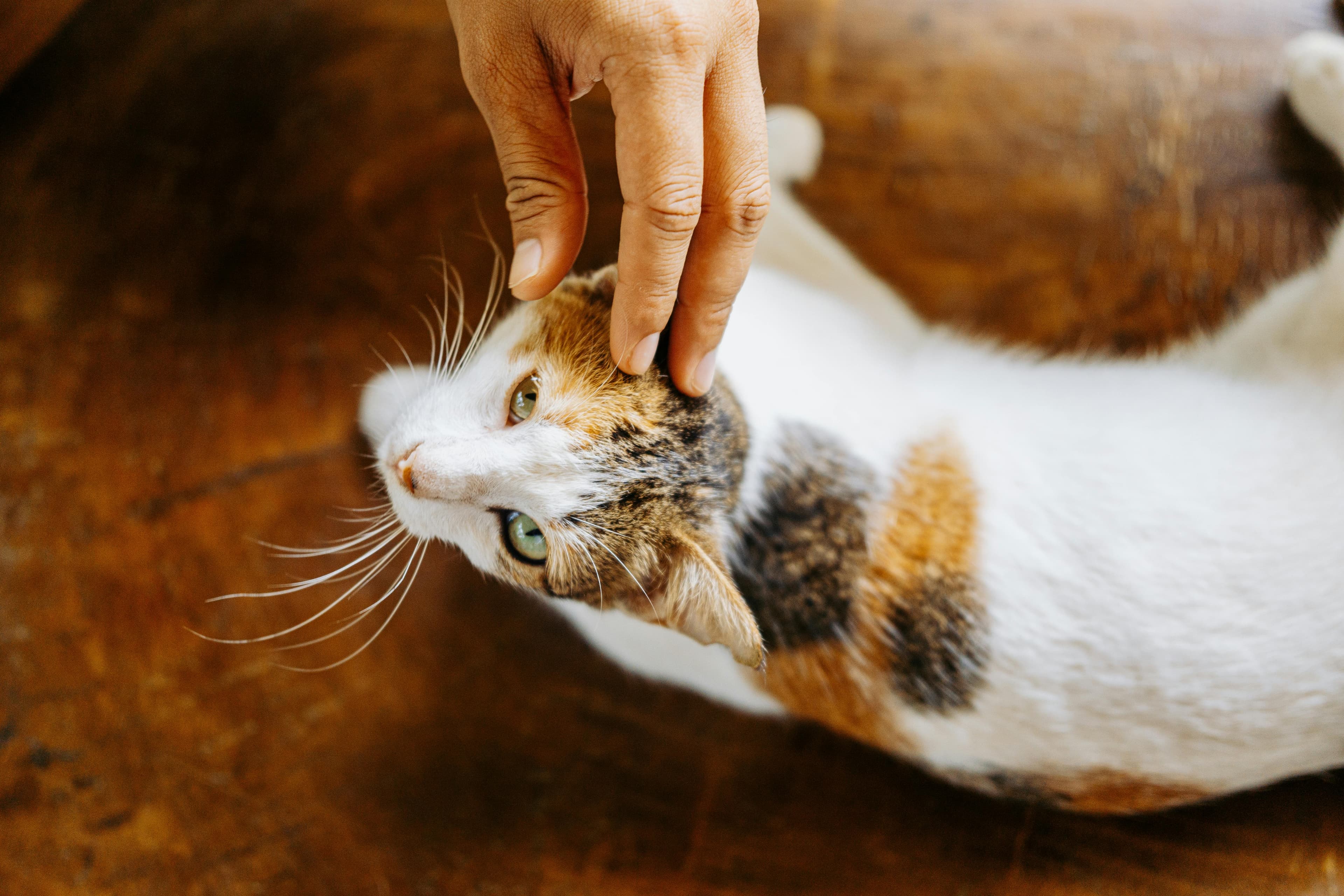
Fears And Anxiety in Cats: Do You Have a Fearful Kitty?
Anxiety in cats can be difficult to tackle. Here's what you need to know to help provide your anxious cat with the support and encouragement they need.
Read more
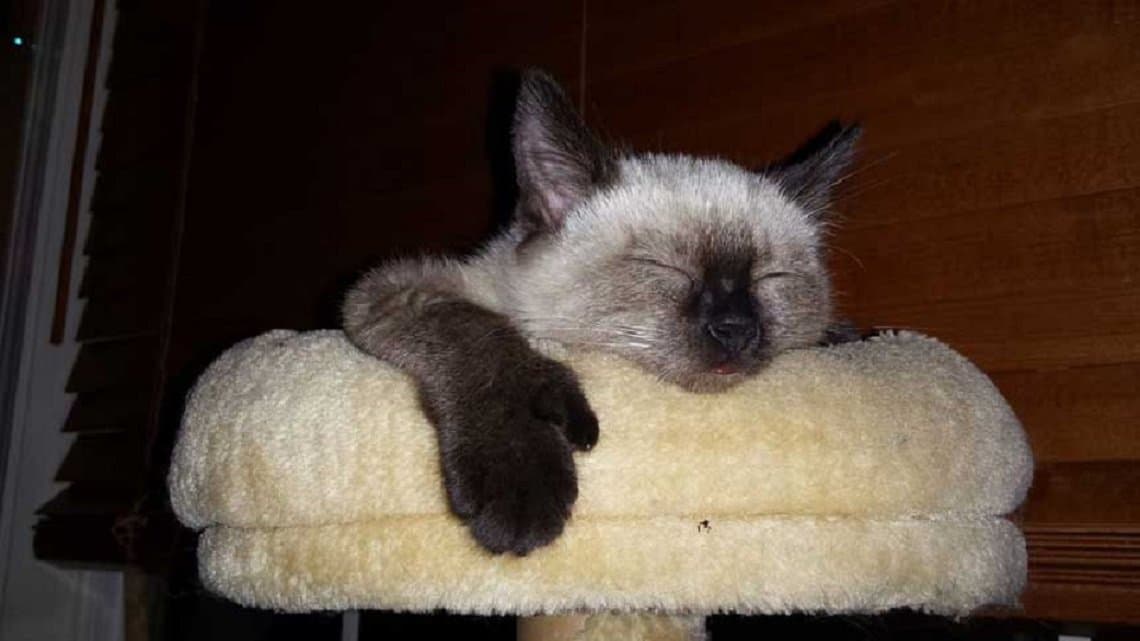
Genetics of Polydactyly: Celebrating the Hemingway Cats
Paws are cute. And who has extra-adorable paws? Hemingway cats, of course! Hemingway cats are carriers of a genetic anomaly polydactyly.
Read more
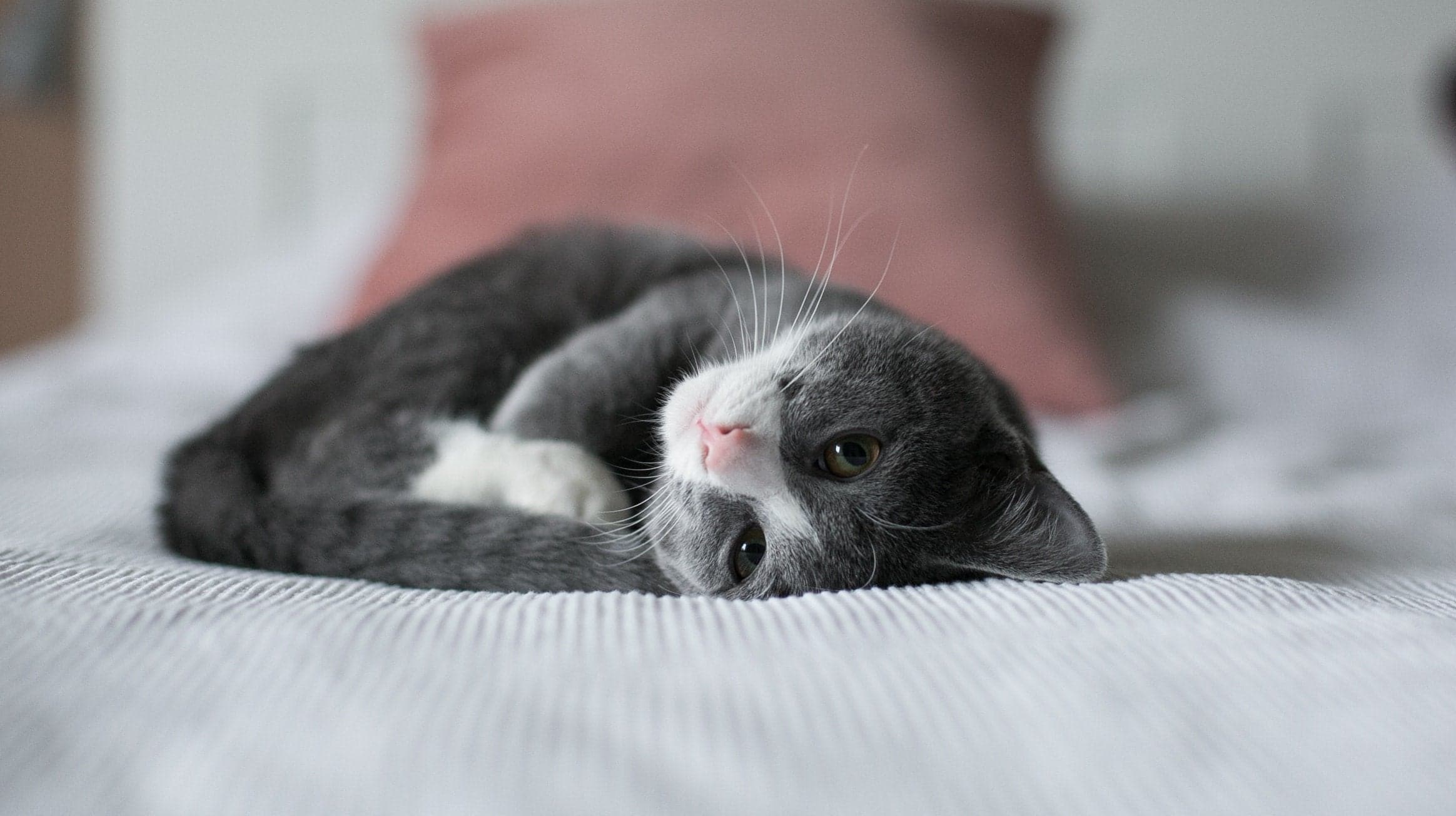
Feline Cancer – Background, Science and Answers (part 1)
Cancer in cats is actually less common than cancer in dogs, but once it is diagnosed, it tends to move faster. Learn more about feline cancer here.
Read more
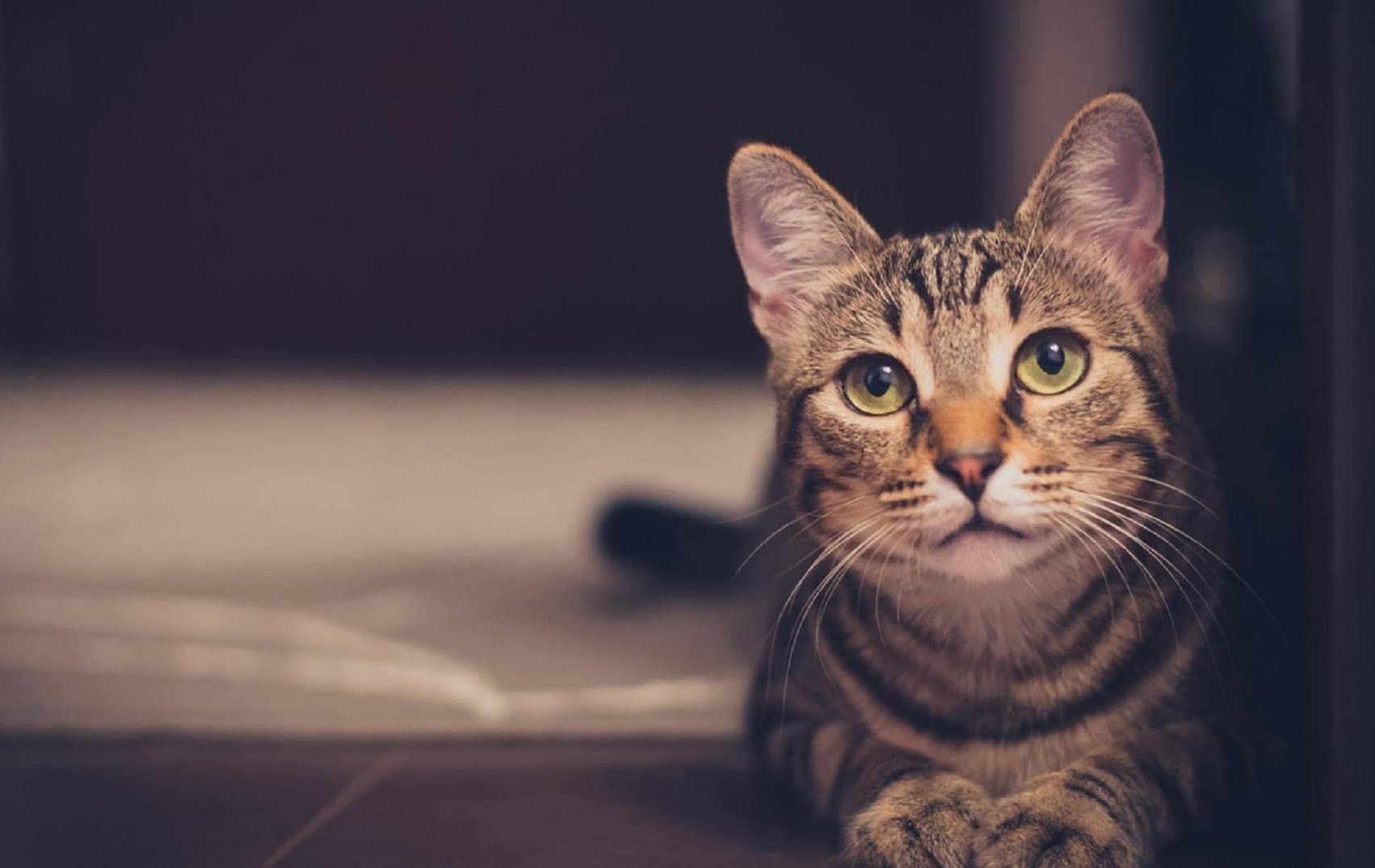
Feline Infectious Peritonitis (FIP) – A Viral Disease Explained
Feline infectious peritonitis (FIP) is a rare and progressive disease caused by feline coronavirus (FCoV). Here is what you need to know about FIP.
Read more

Gangliosidosis in Cats: Genetic Disease Explained
Gangliosidosis in cats is a group of lipid storage disorders characterized by the accumulation of lipids – gangliosides in neurons.
Read more
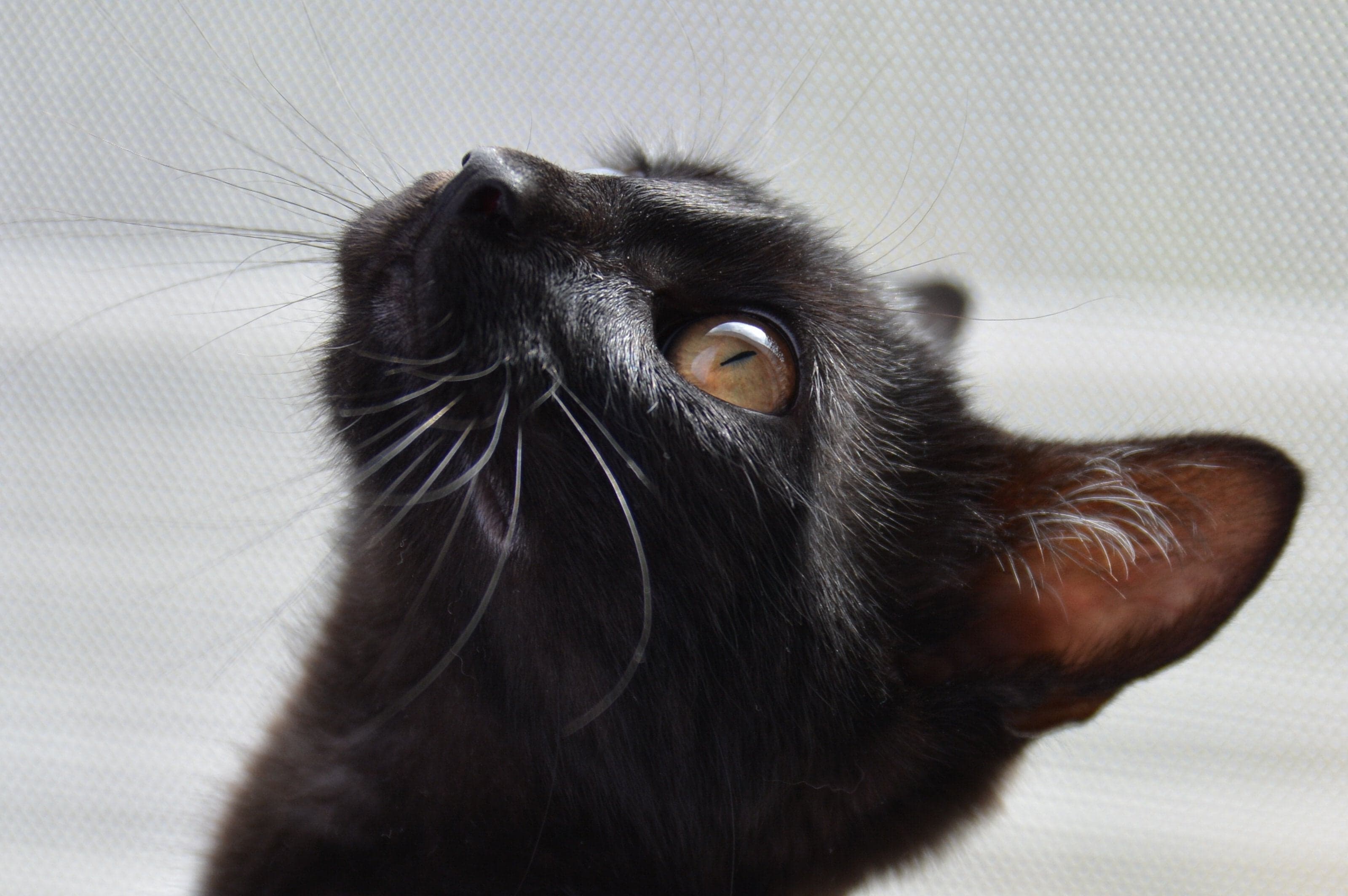
Cat Allergy: Are You Allergic To Your Kitty?
Are you allergic to your cat? From the causes and diagnosis, to the treatment and prevention, here is our guide through your cat allergy.
Read more
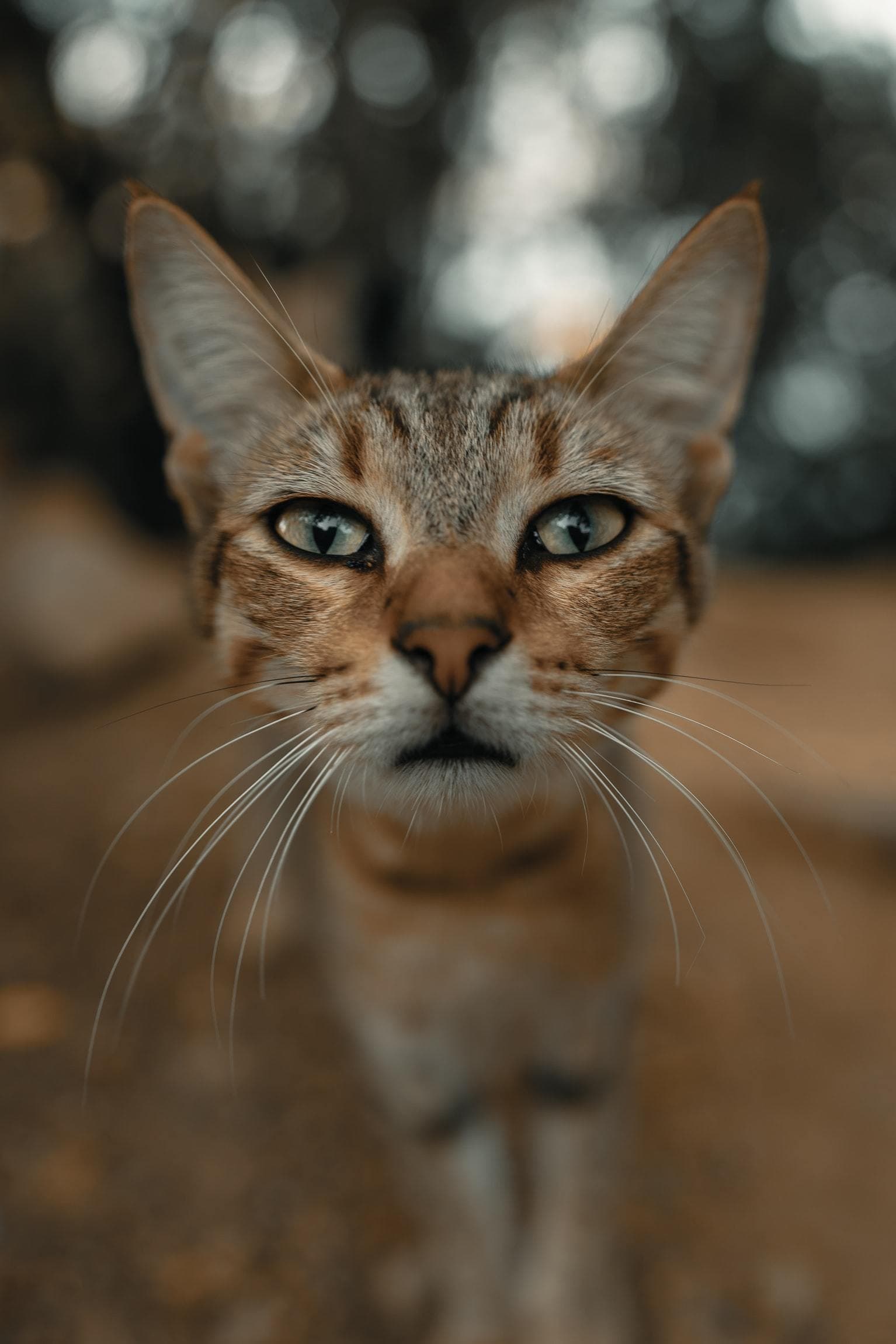
Rabies in Cats
Rabies is a viral, devastating disease that causes brain inflammation in all mammals, including humans, cats and dogs. Learn about rabies in cats now.
Read more