
Cat
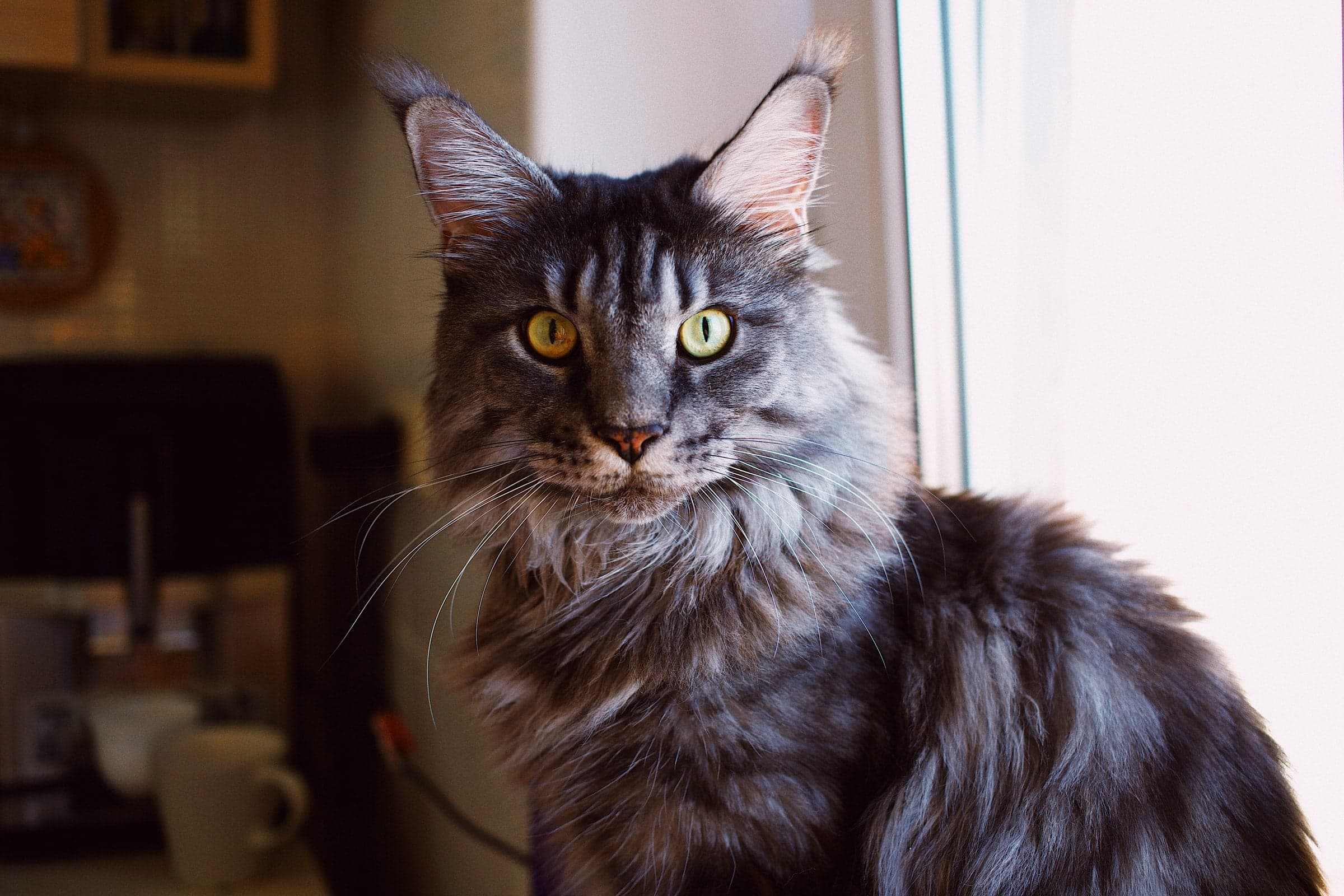
How Big Can Maine Coon Cats Get?
Maine Coon cats are one of the largest breeds of domestic cats in the world, with some males reaching up to 20 pounds or more when fully grown! Some believe that these cats originated in the state of Maine and are known as "gentle giants" due to their temperament and size. In this article, we will take a closer look at just how big Maine coon cats get.
Read more
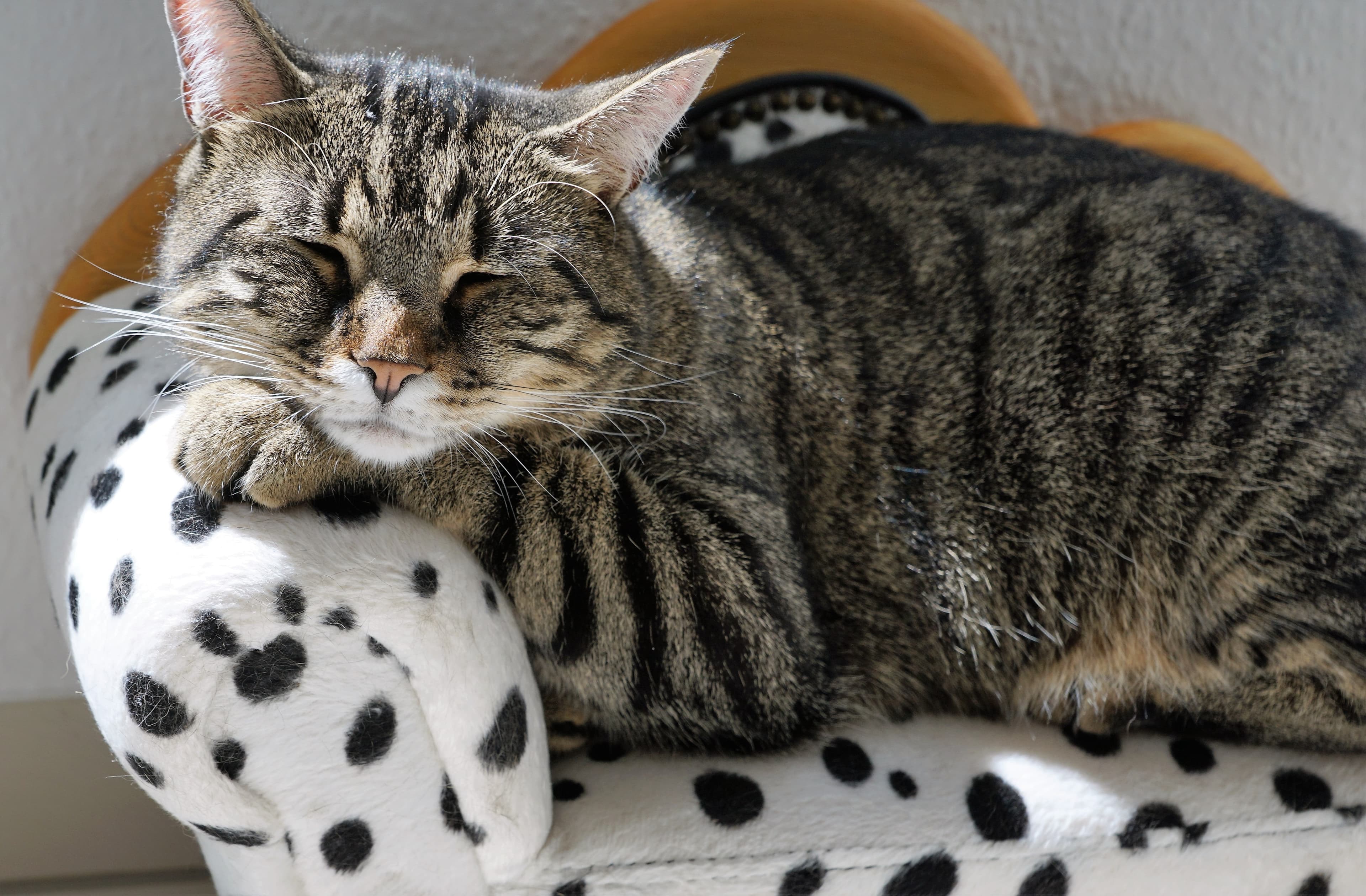
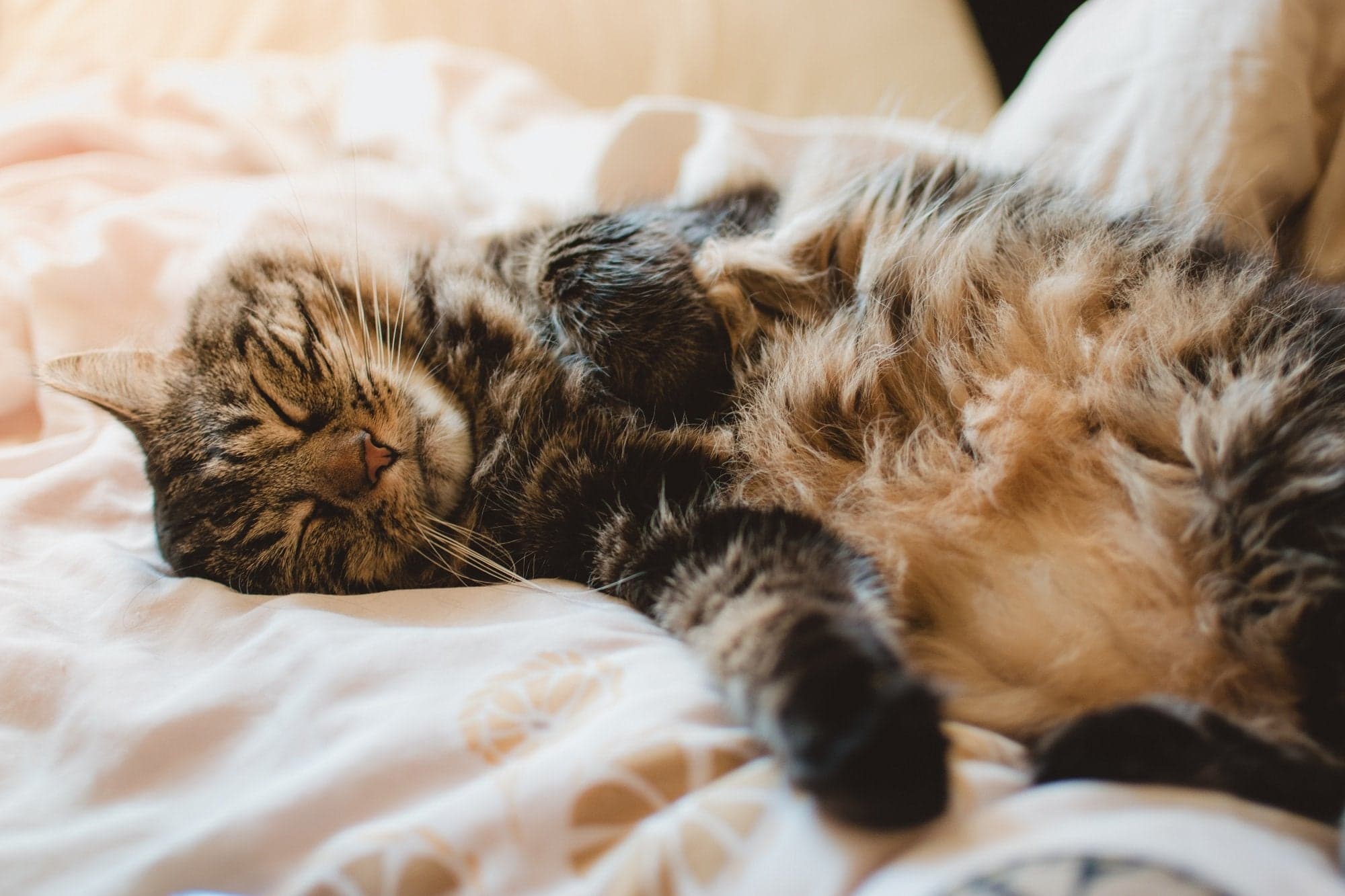
Hyperlipoproteinemia
Hyperlipoproteinemia can be primary (genetic) or secondary (idiopathic) and it has been associated with increased risk from heart disease.
Read more
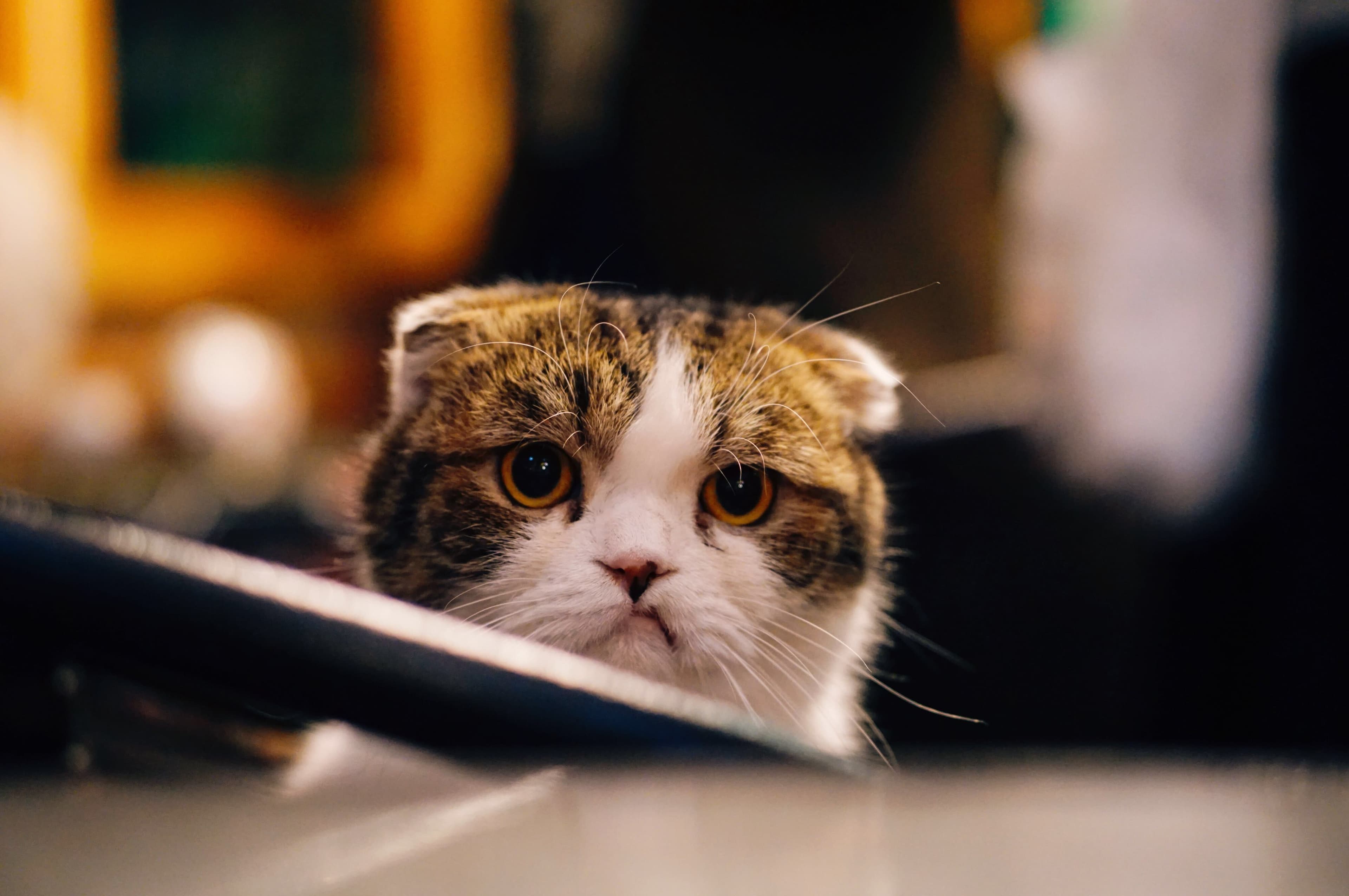
Top 5 Most Common Feeding Mistakes
To help you learn what not to do when feeding your kitty, here are the most common cat feeding mistakes to avoid. Do you know them all?
Read more
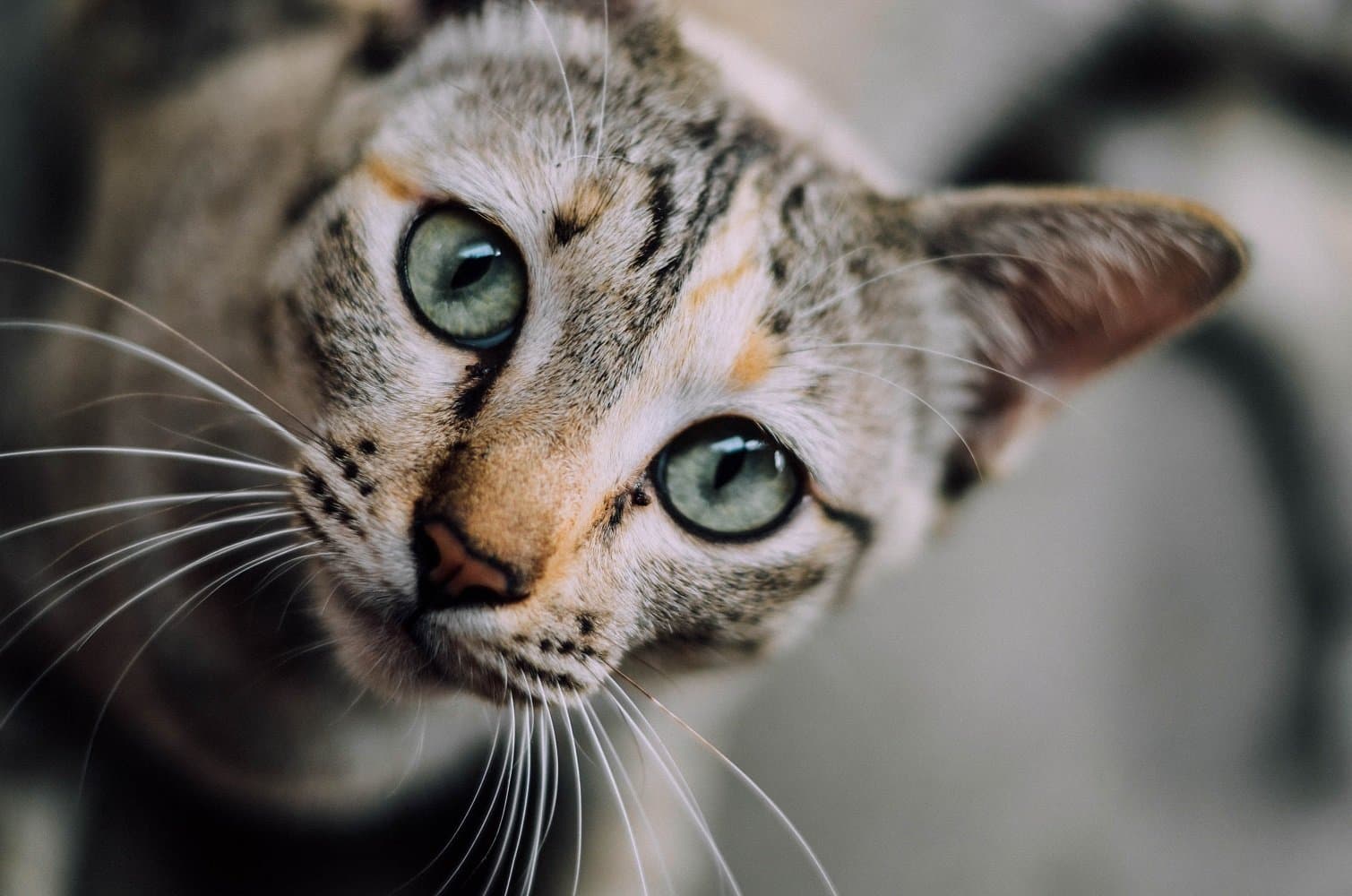
Hearing Loss in Cats
If your cat is losing its hearing, it can profoundly impact their perception of the world. Here is what you need to know about hearing loss in cats.
Read more
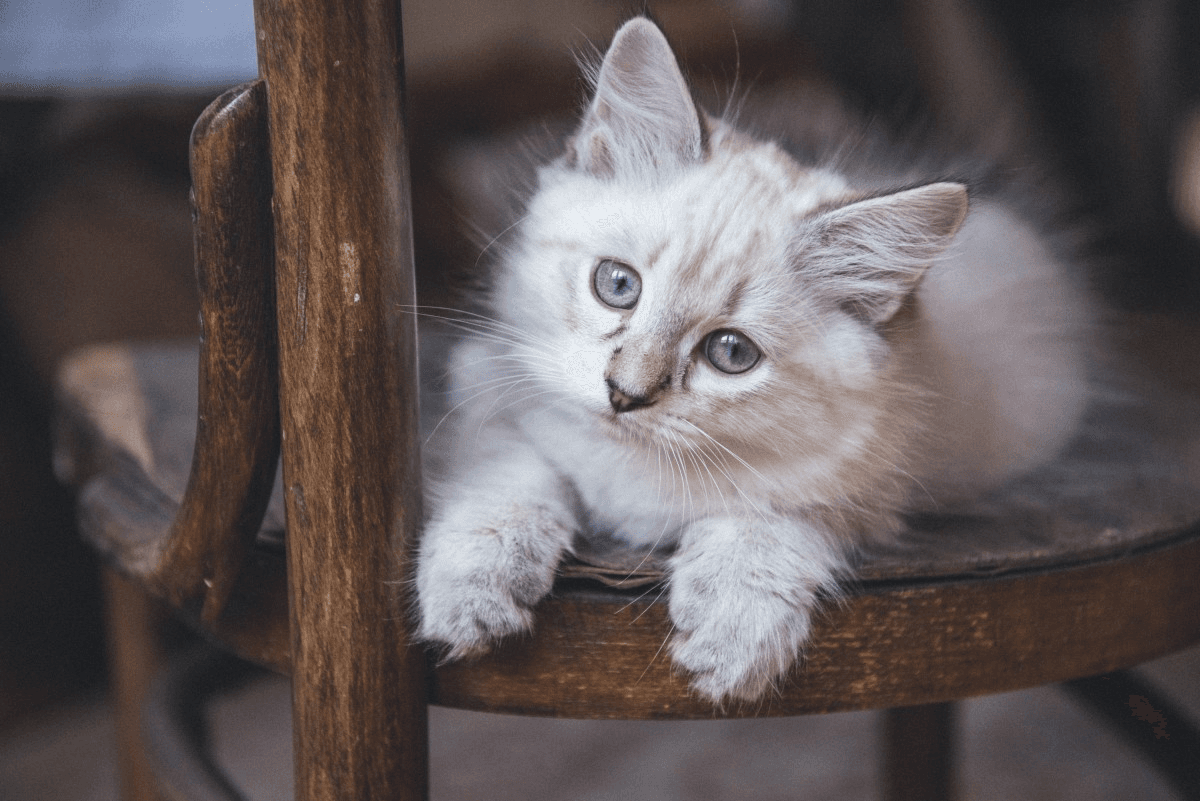
Leukocyte Adhesion Deficiency (Type I)
Leukocyte adhesion deficiency (LAD) is an immunodeficiency disorder associated with recurrent infections. This genetic disorder has been described in humans, cats, dogs and cattle.
Read more
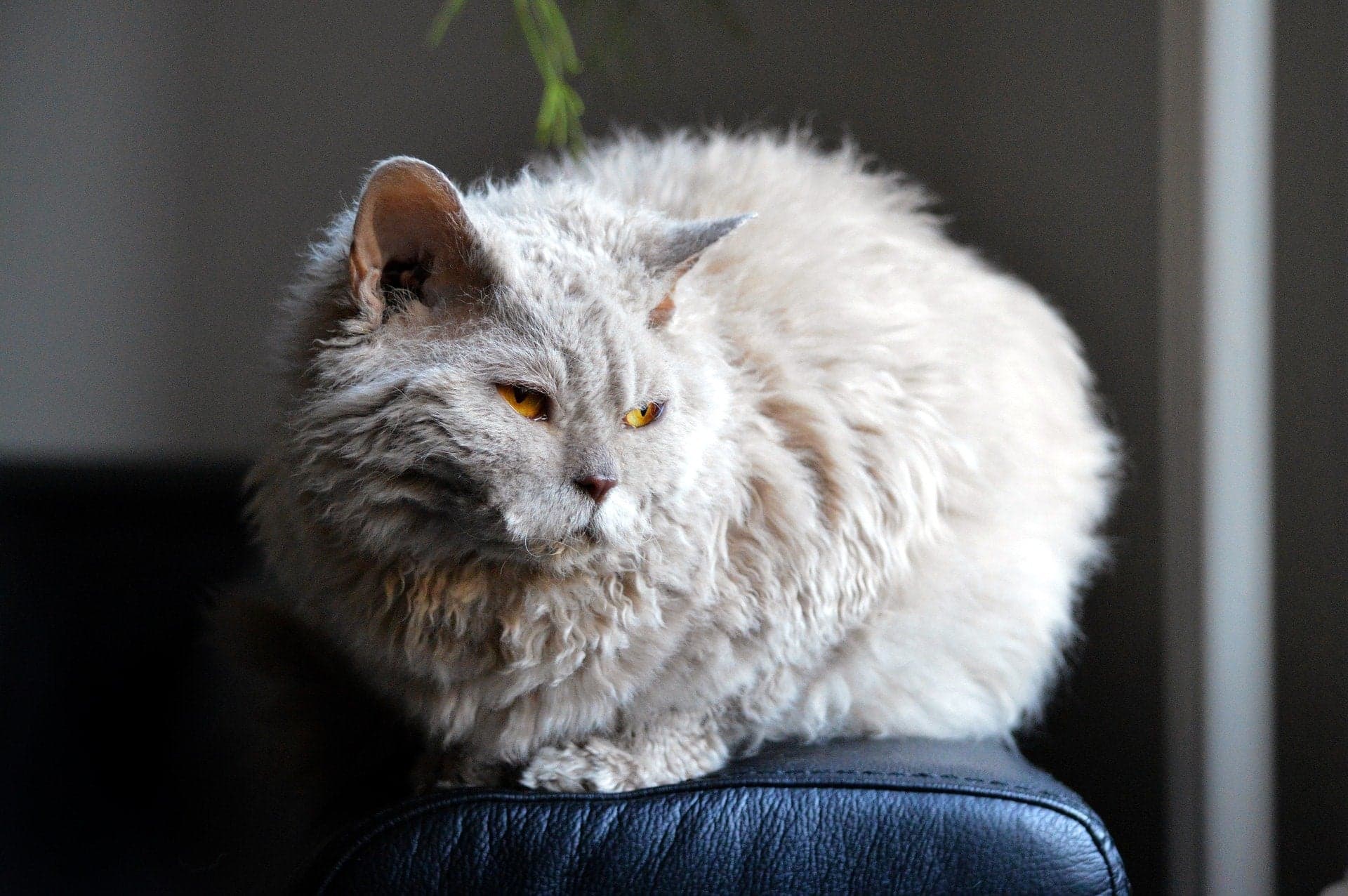
Curly Cat Coat: A Special Kind of Eye Candy
Have you ever wondered about the role of genetics in your cat's charming locks? The time has come to unravel some science behind curly cat coat.
Read more
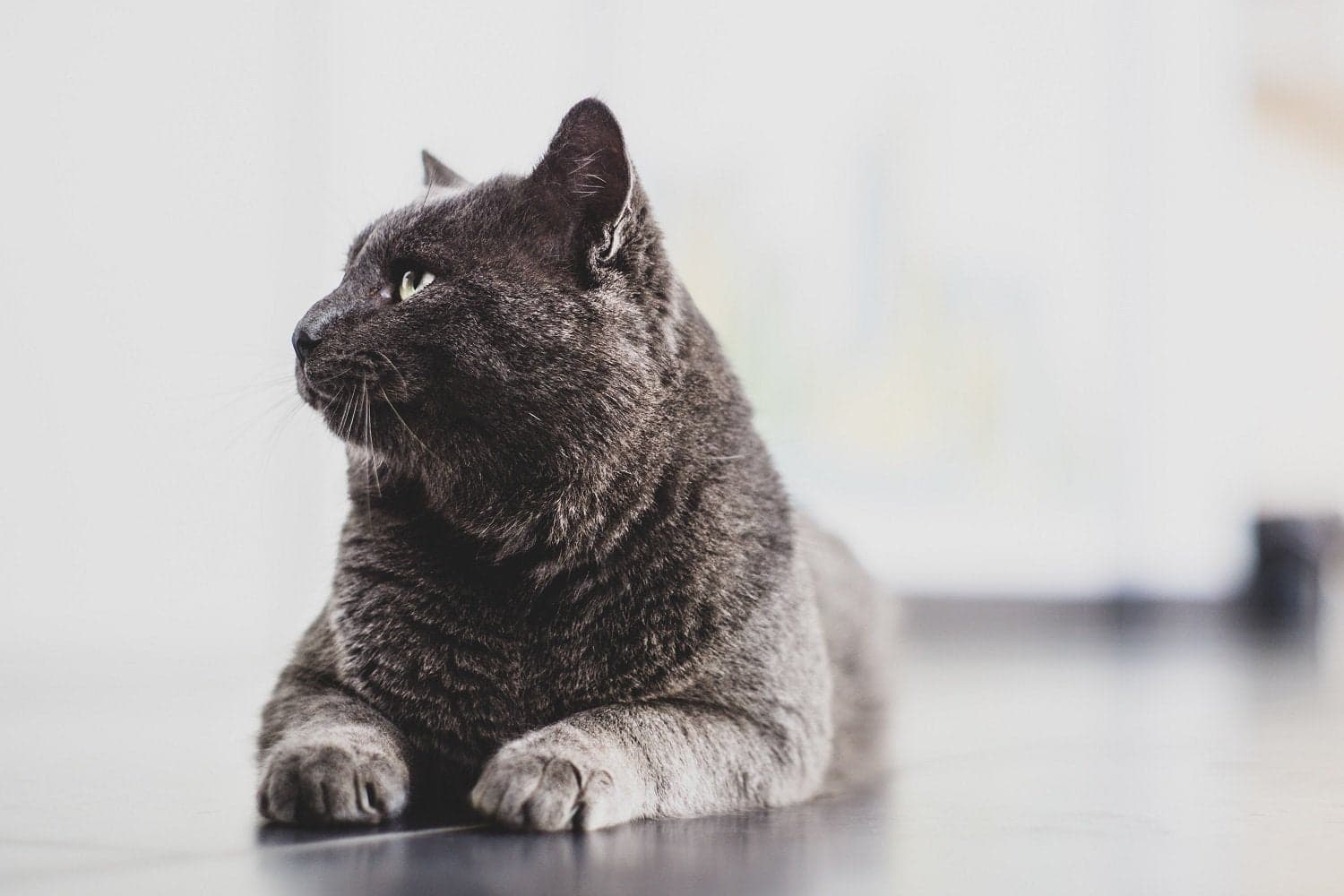
Hypokalemic Periodic Polymyopathy
Hypokalemic periodic polymyopathy is a genetic disease of Burmese and related cats and it's marked by skeletal muscle weakness, often episodic in nature.
Read more

How to Walk A Cat
Many people find it quite challenging to walk their cats on a leash. However, with a bit of patience and work, you too can totally walk a cat!
Read more