
Cat
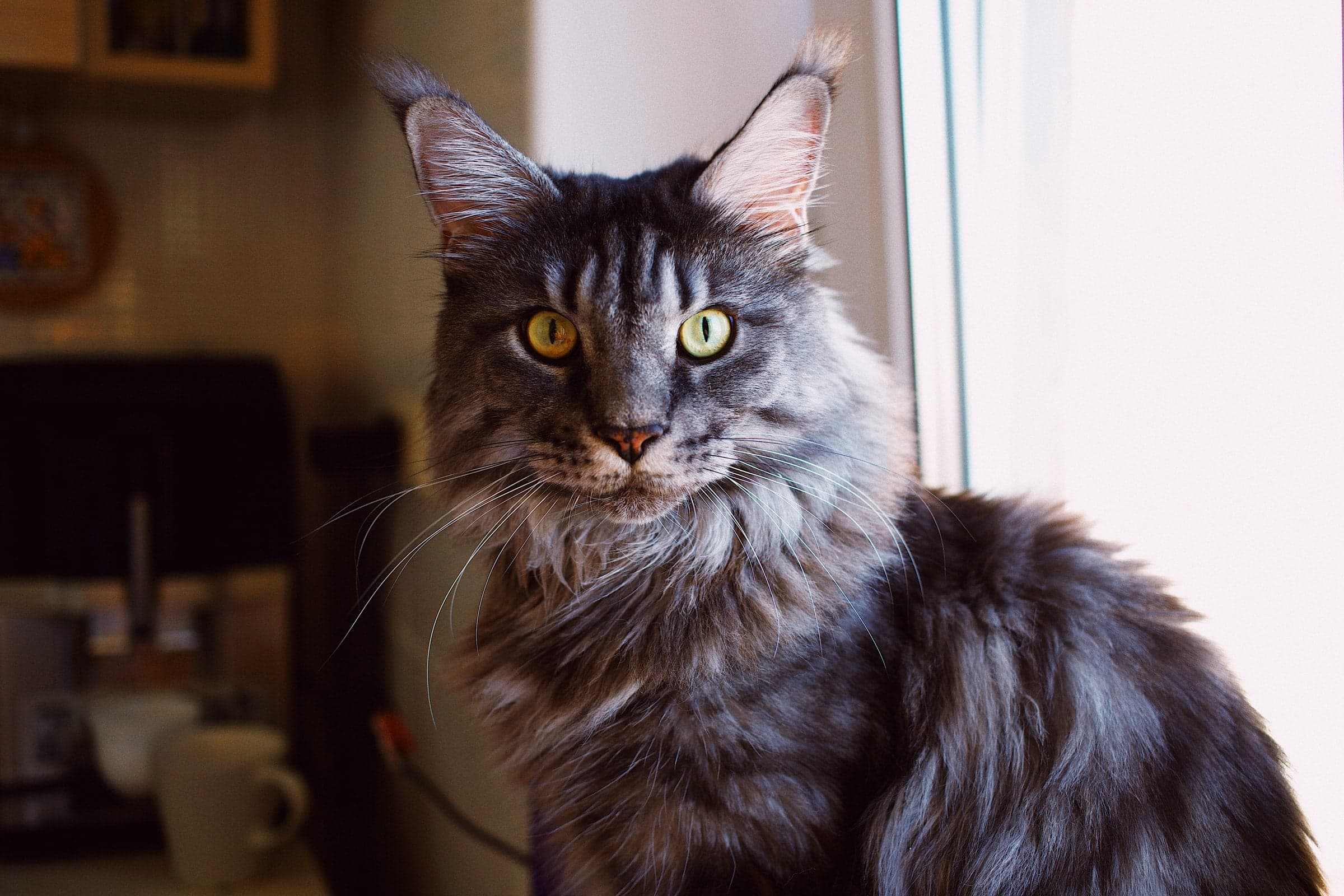
How Big Can Maine Coon Cats Get?
Maine Coon cats are one of the largest breeds of domestic cats in the world, with some males reaching up to 20 pounds or more when fully grown! Some believe that these cats originated in the state of Maine and are known as "gentle giants" due to their temperament and size. In this article, we will take a closer look at just how big Maine coon cats get.
Read more
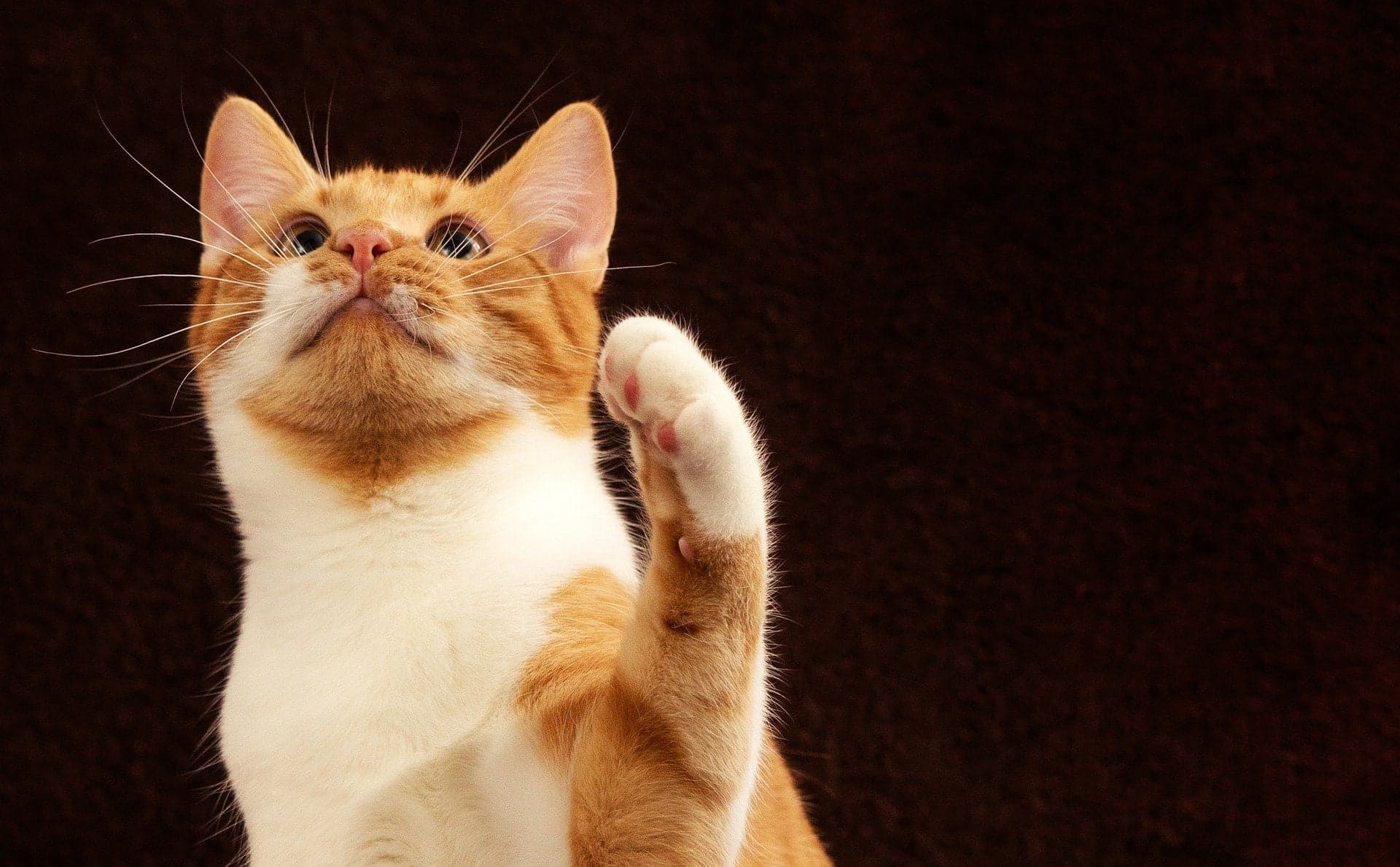
Genetic Quirks Behind The White Gloves
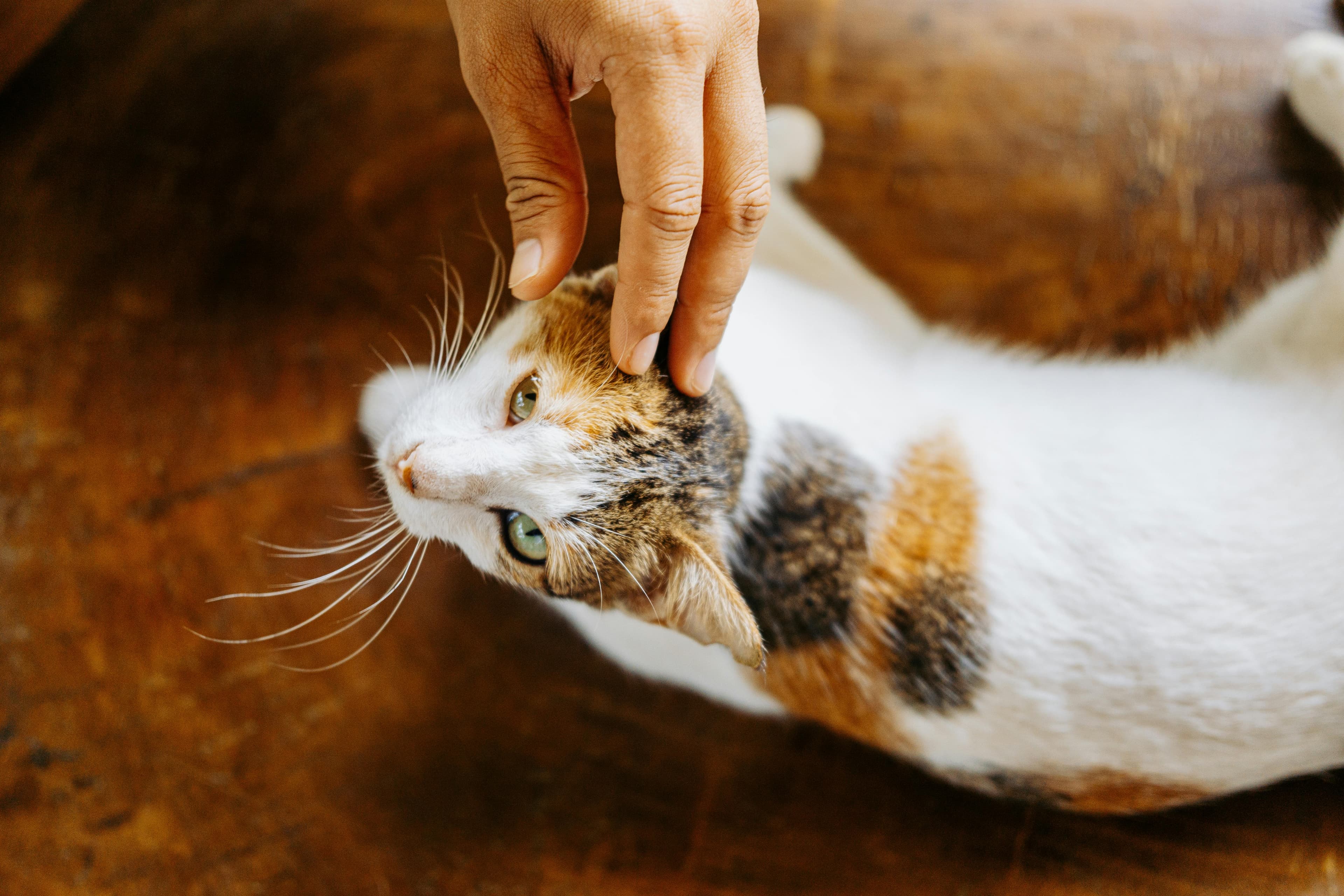
All fur parents are utterly in love with the flawless white tips of their pets' paws. The time has finally come to talk about the white gloves in cats!
Read more
Haemophilia in Cats
Haemophilia in cats is a group of rare hereditary bleeding disorders in which a cat’s blood doesn’t clot appropriately in case of an injury. Here is happens when a cat bleeds, how bleeding disorders develop, and what haemophilia really is.
Read more
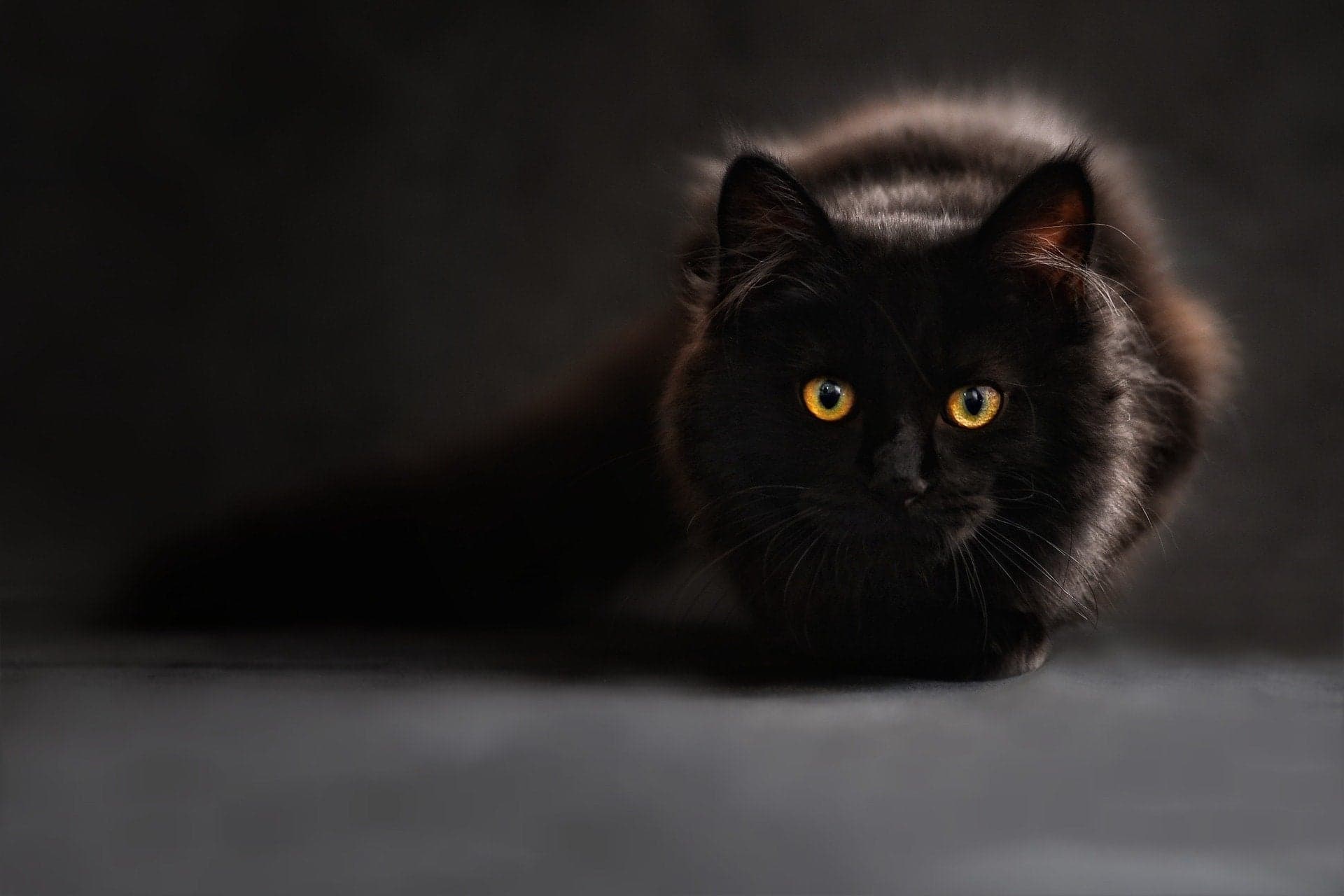
Feline Melanism: Adaptive and Evolutionary Significance
Feline melanism (dark coat coloration) is a fairly common polymorphism observed incats, but it is still widely speculated what kind of adaptive and evolutionary significance it has.
Read more
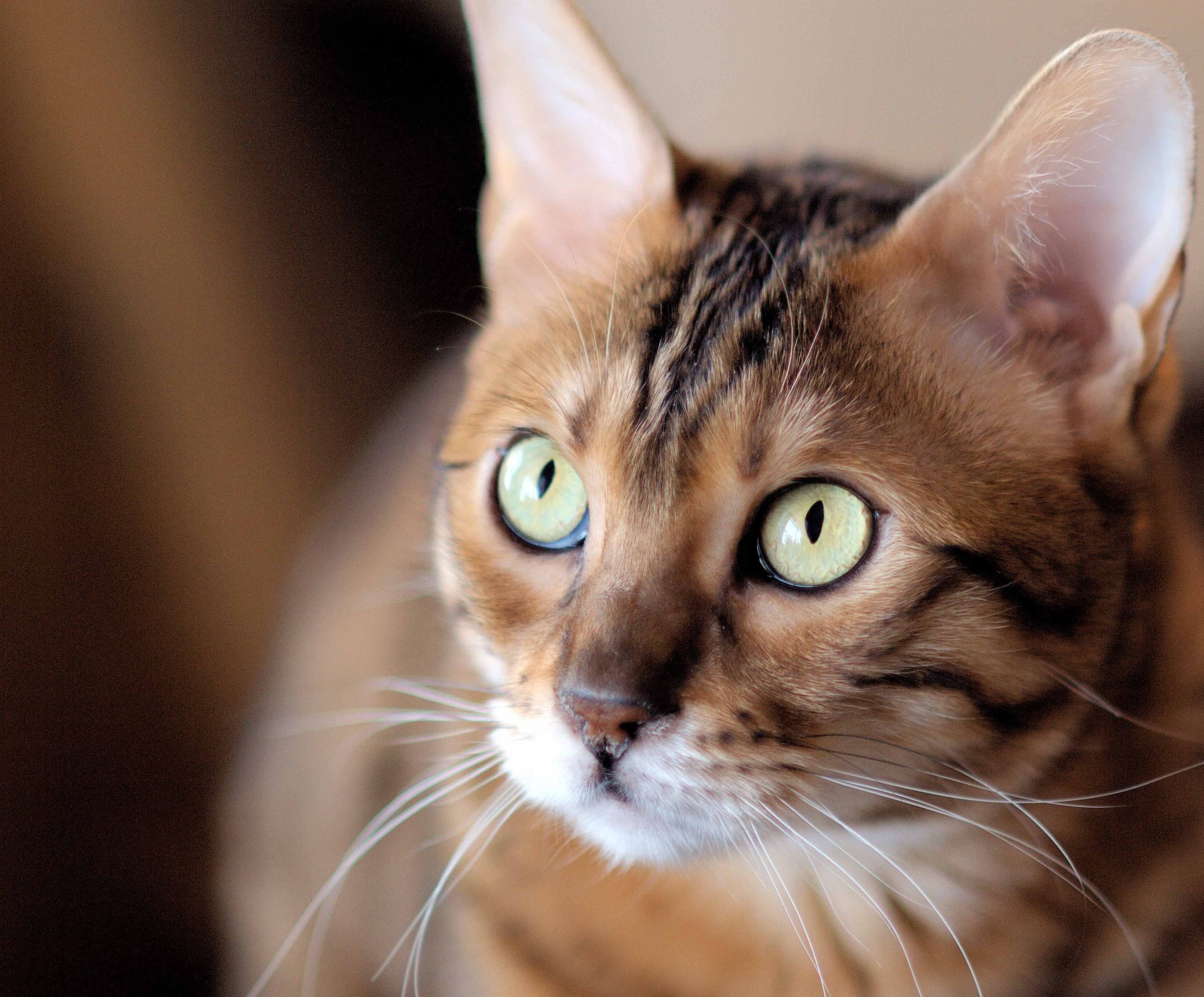
The World Through the Feline Eyes
One of your cat's strongest senses is its eyesight. In light of this, today we will unravel some of the secrets within feline eyes. Learn more about the anatomy of cat eyes, the science behind eye colors, diseases and problems, as well as evolutionary advances.
Read more
Feline Alpha Mannosidosis (AMD)
Alpha mannosidosis is a lysosomal storage disorder which results in the decreased efficiency of the production of an enzyme called alpha-D-mannosidase.
Read more
Mucopolysaccharidosis In Cats
Mucopolysaccharidosis in cats is a group of metabolic disorders characterized by an enzymatic deficiency and improper digestion of glycosaminoglycans (GAGs). There are three types of feline mucopolysaccharidosis described: MPS I, MPS VI and MPS VII.
Read more

Feline Diabetes Mellitus Overview
Diabetes mellitus (DM), or simply diabetes, is a group of metabolic disorders in which blood sugar levels remain high for long periods of time.
Read more
Most Toxic Foods For Cats
Cats are smart and curious. Very, very curious. Most of the time, cat’s curiosity is harmless. But sometimes they need some extra protection against everyday things you - a mere cat parent - never considered harmful. Here’s our list of top most toxic foods for cats you should be aware of.
Read more