
Cat
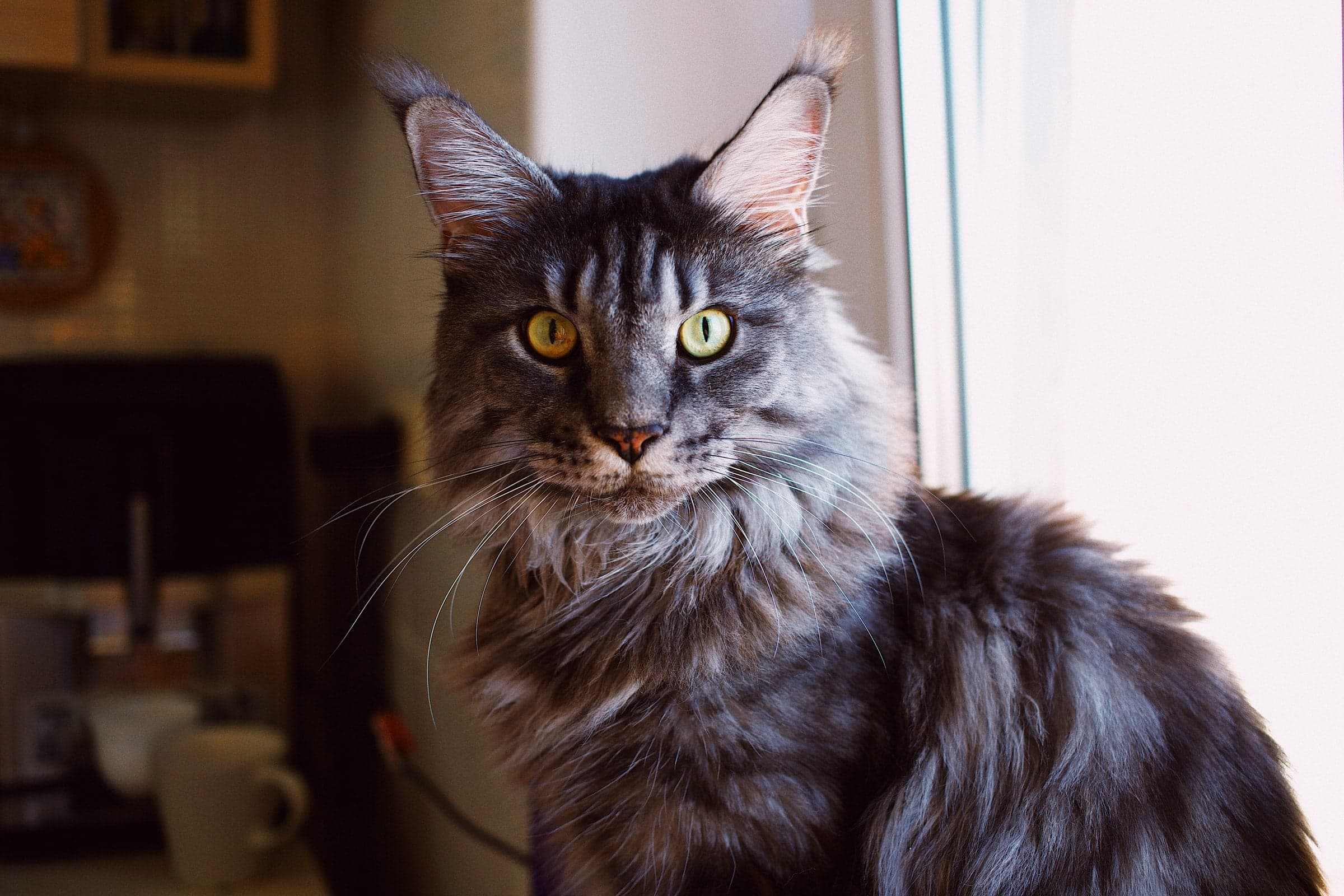
How Big Can Maine Coon Cats Get?
Maine Coon cats are one of the largest breeds of domestic cats in the world, with some males reaching up to 20 pounds or more when fully grown! Some believe that these cats originated in the state of Maine and are known as "gentle giants" due to their temperament and size. In this article, we will take a closer look at just how big Maine coon cats get.
Read more
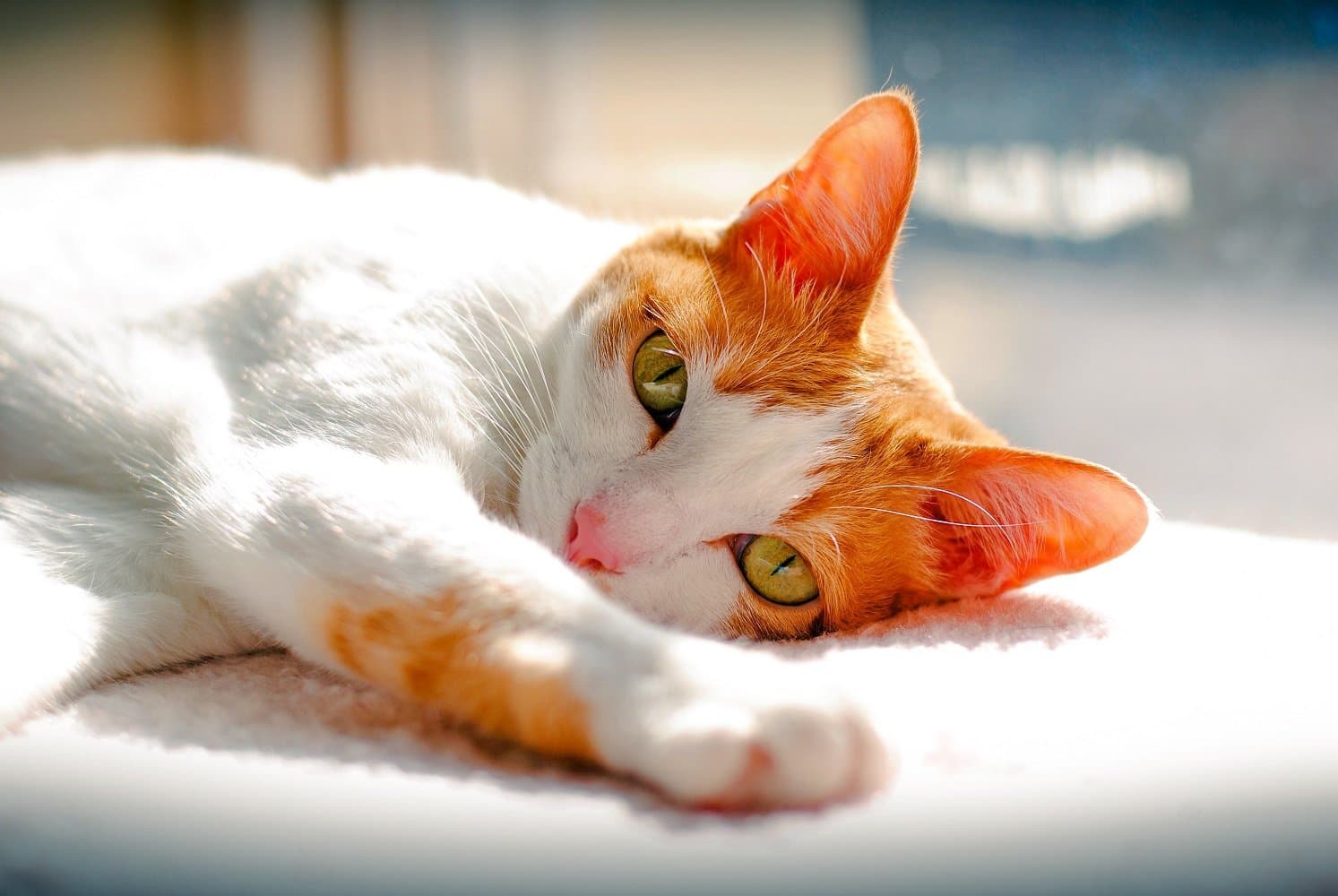
Congenital Myasthenic Syndrome: What Do I Need To Know?
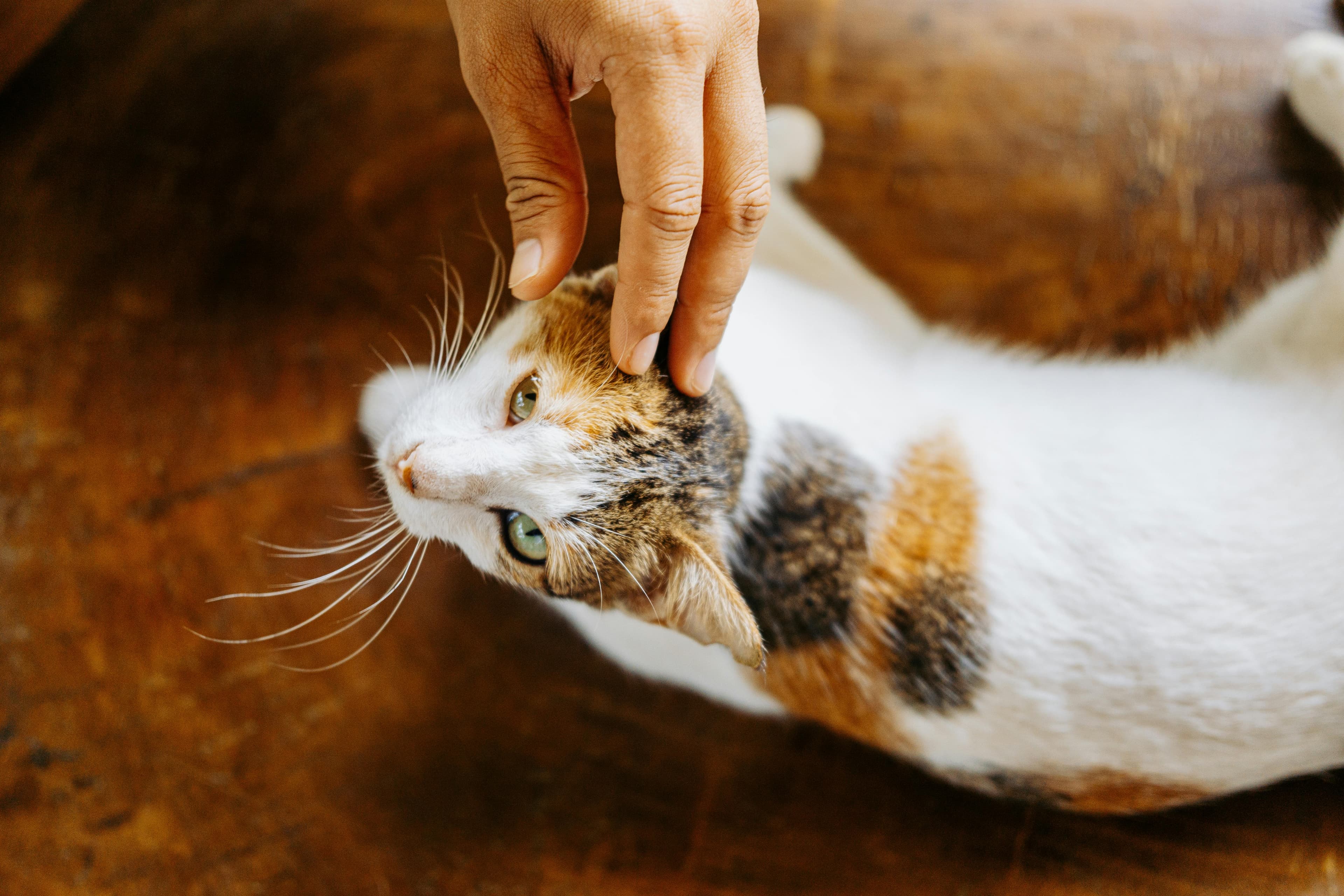
Congenital myasthenic syndrome (CMS) is a genetic neuromuscular disorder caused by defects at the neuromuscular junction.
Read more
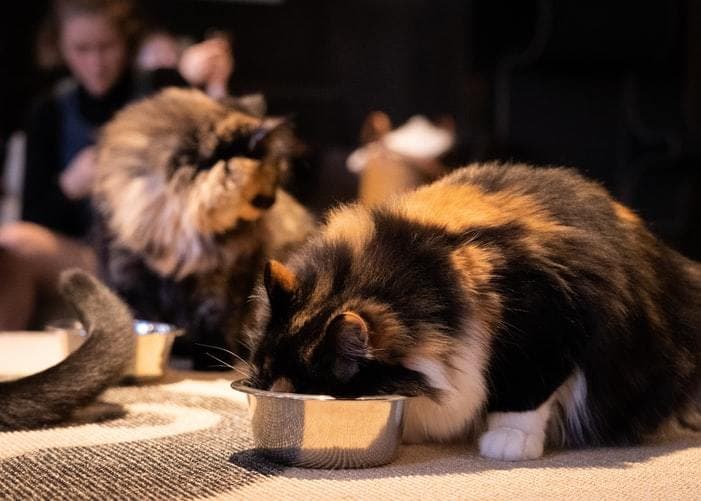
Personalized Diet For Cats: Myth Or Reality?
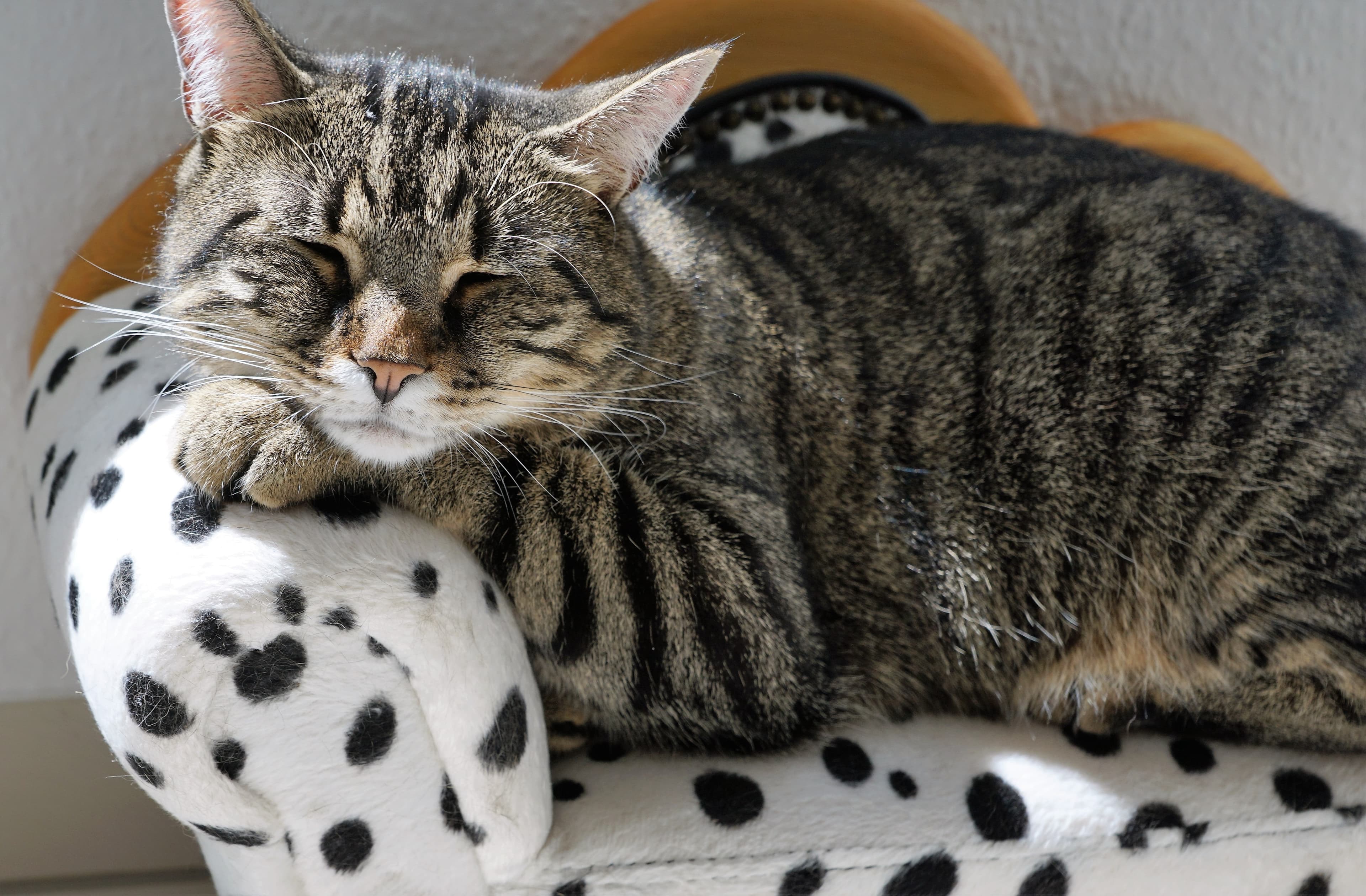
Personalized diet for cats is designed according to the cat's genetics, physique and lifestyle. Learn more about this novel field in feline health and care.
Read more
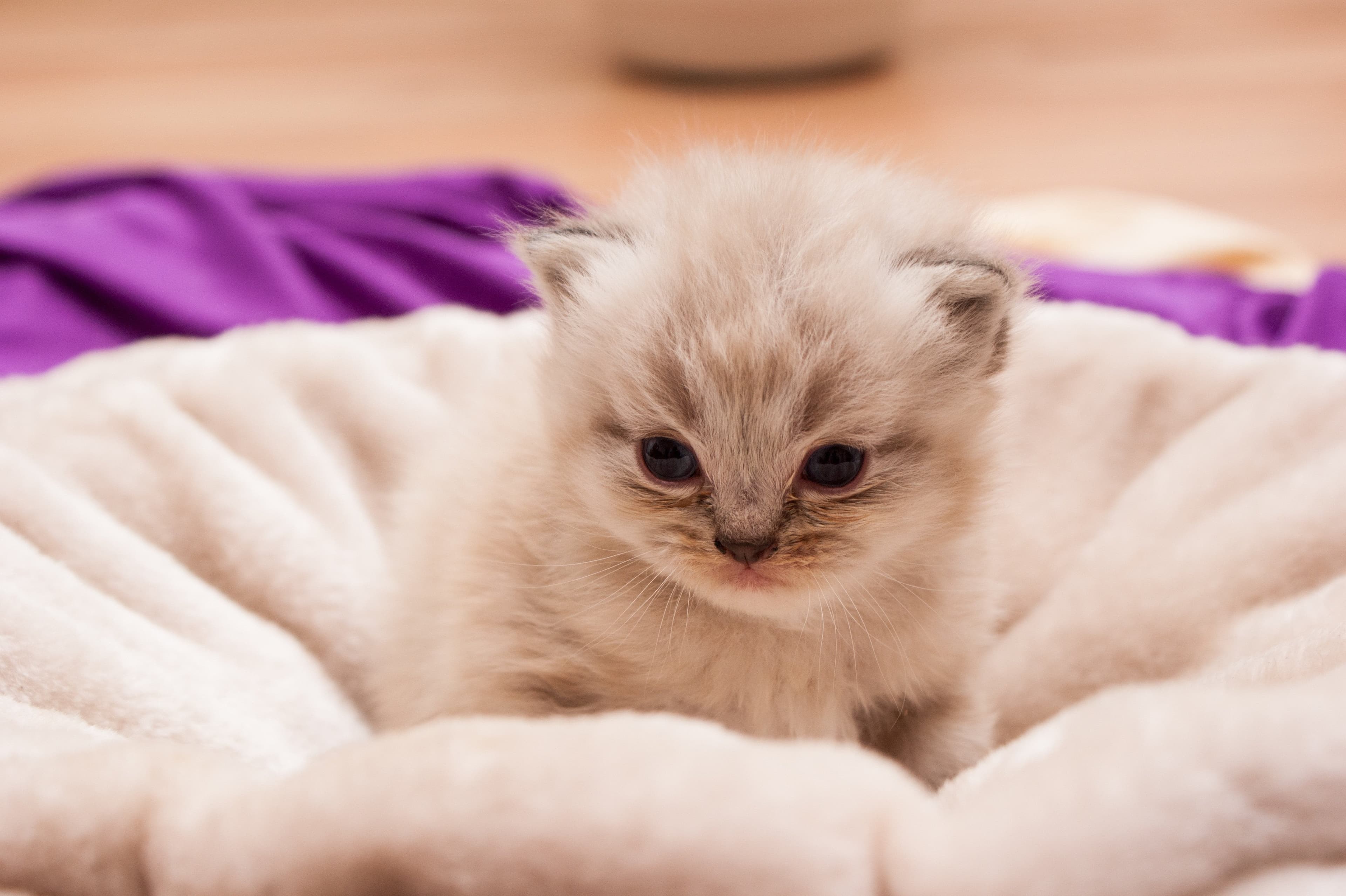
Hypertrophic Cardiomyopathy: Genetic Heart Disease
Hypertrophic cardiomyopathy causes thickening of the left ventricle of the heart (left ventricular outflow tract (LVOT) obstruction.
Read more
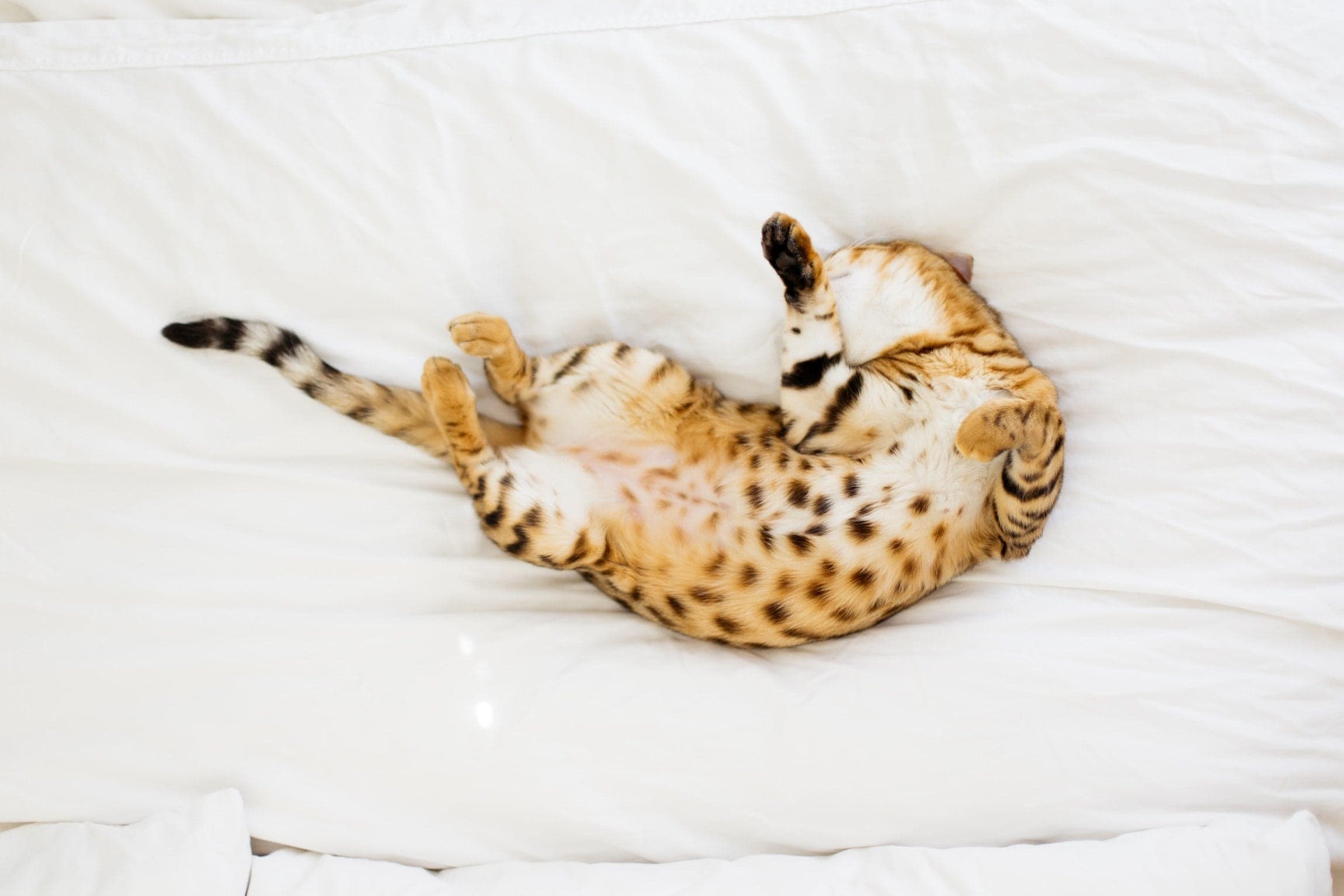
A Guide Through Cat Body Language
Cats give away a lot of tell-tale signs that can help us pick up exactly how they’re feeling. Here's your cat through Cat Body Language.
Read more
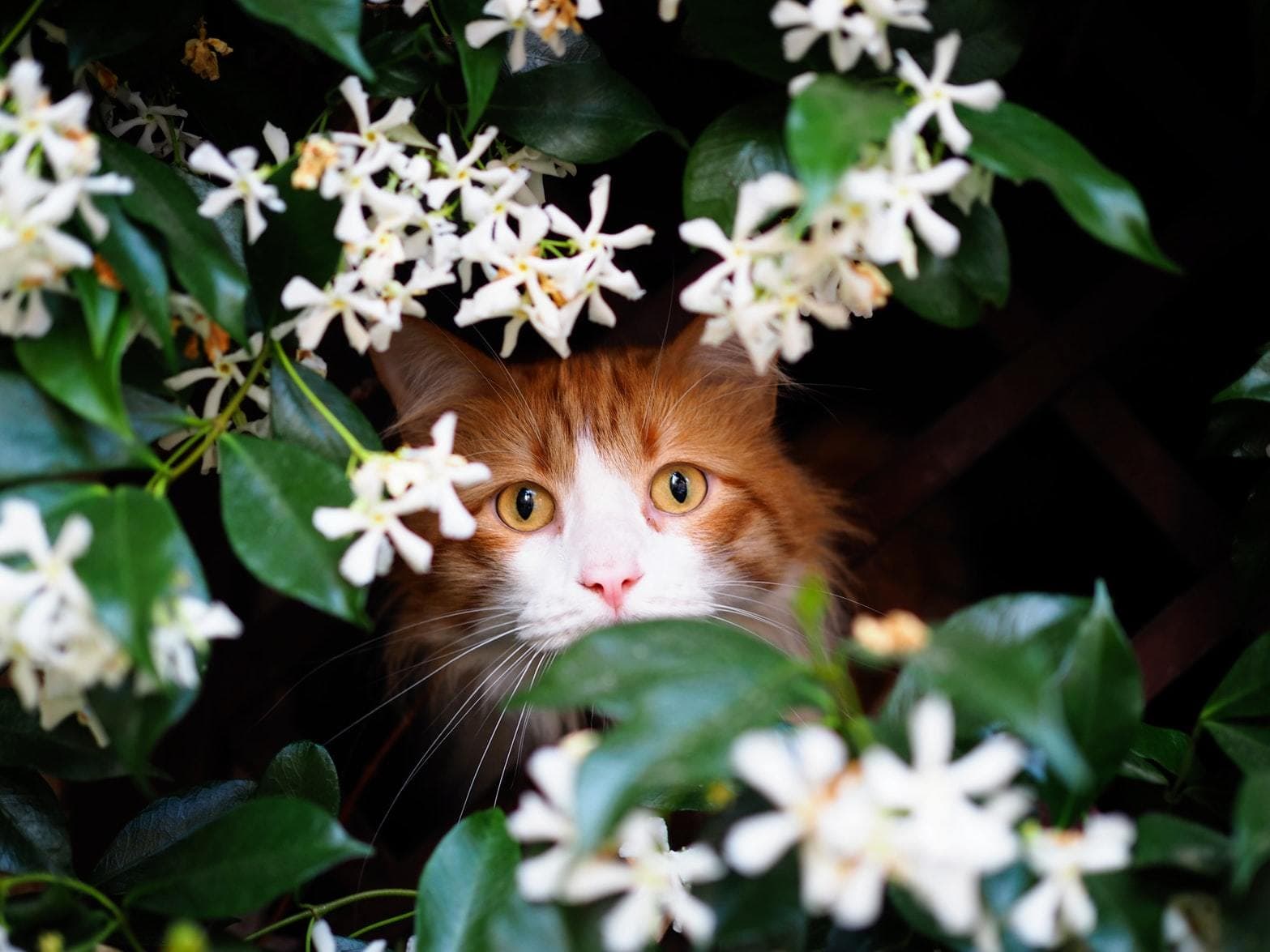
Achoo! Do You Have an Allergic Cat?
The immune system of an allergic cat is overly sensitive to some foreign, harmless molekules and mistakes for dangerous substances.
Read more
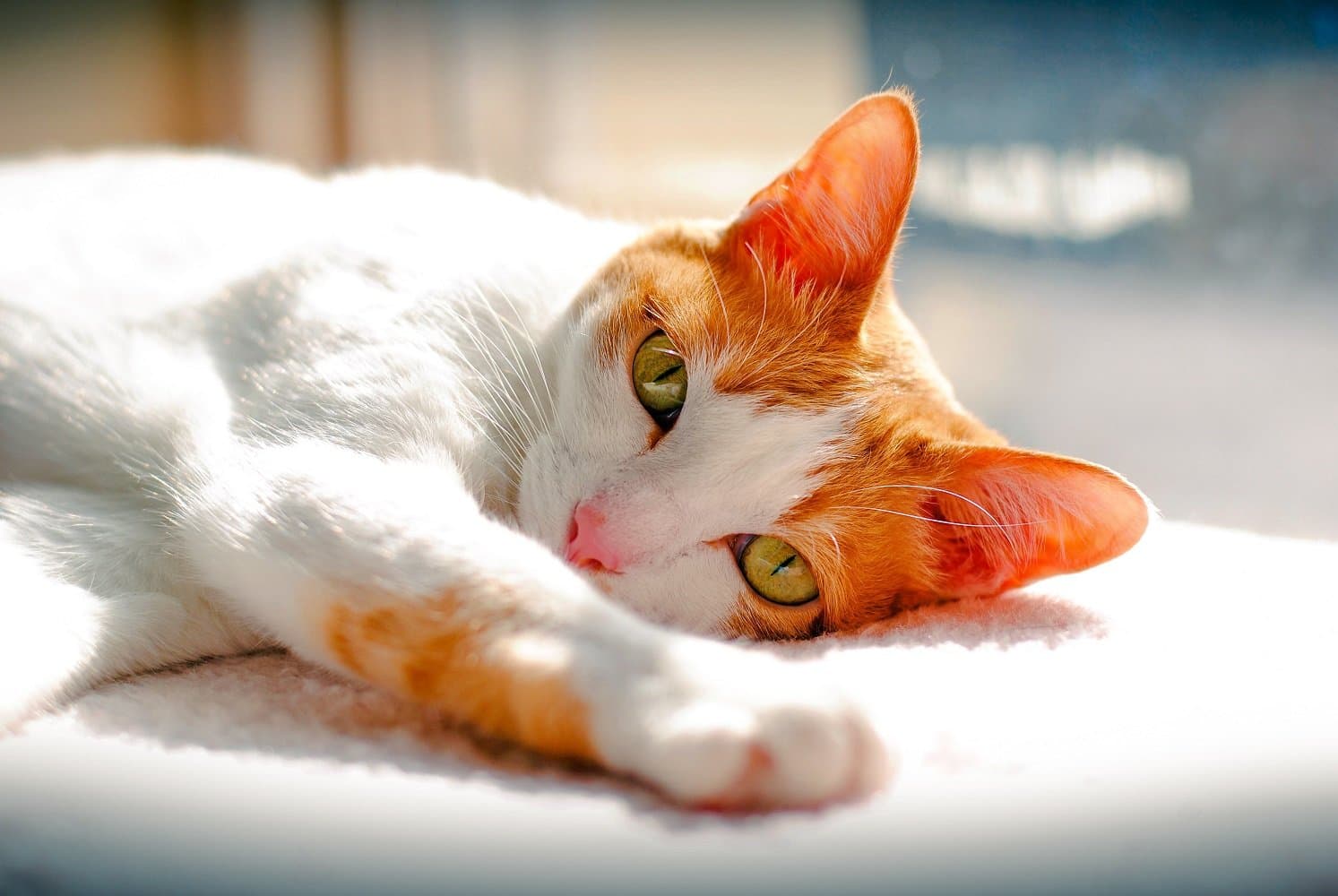
Common Feline Inherited Diseases
It is often cited that there are about 250 hereditary diseases identified among cats so far. Here are the most Common Feline Inherited Diseases
Read more
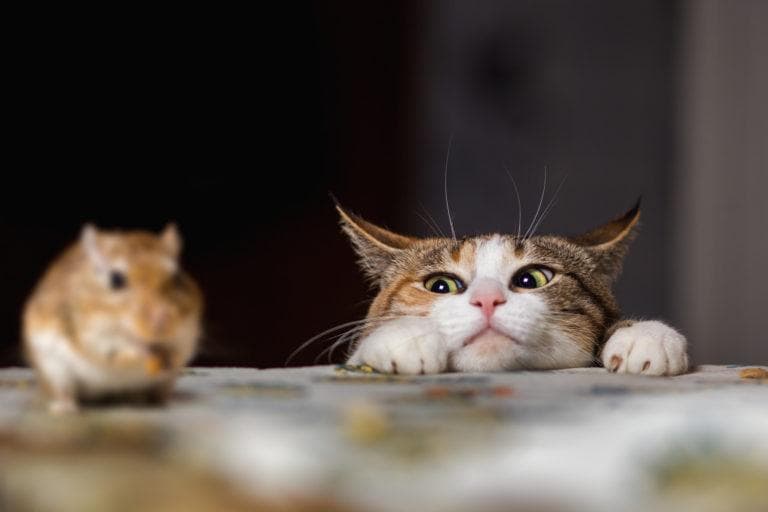
How Do Cats Hunt?
How do cats hunt? Domestic cats use the same chasing and killing techniques as do their wild ancestors. Read up about your cat's hunting strategies!
Read more