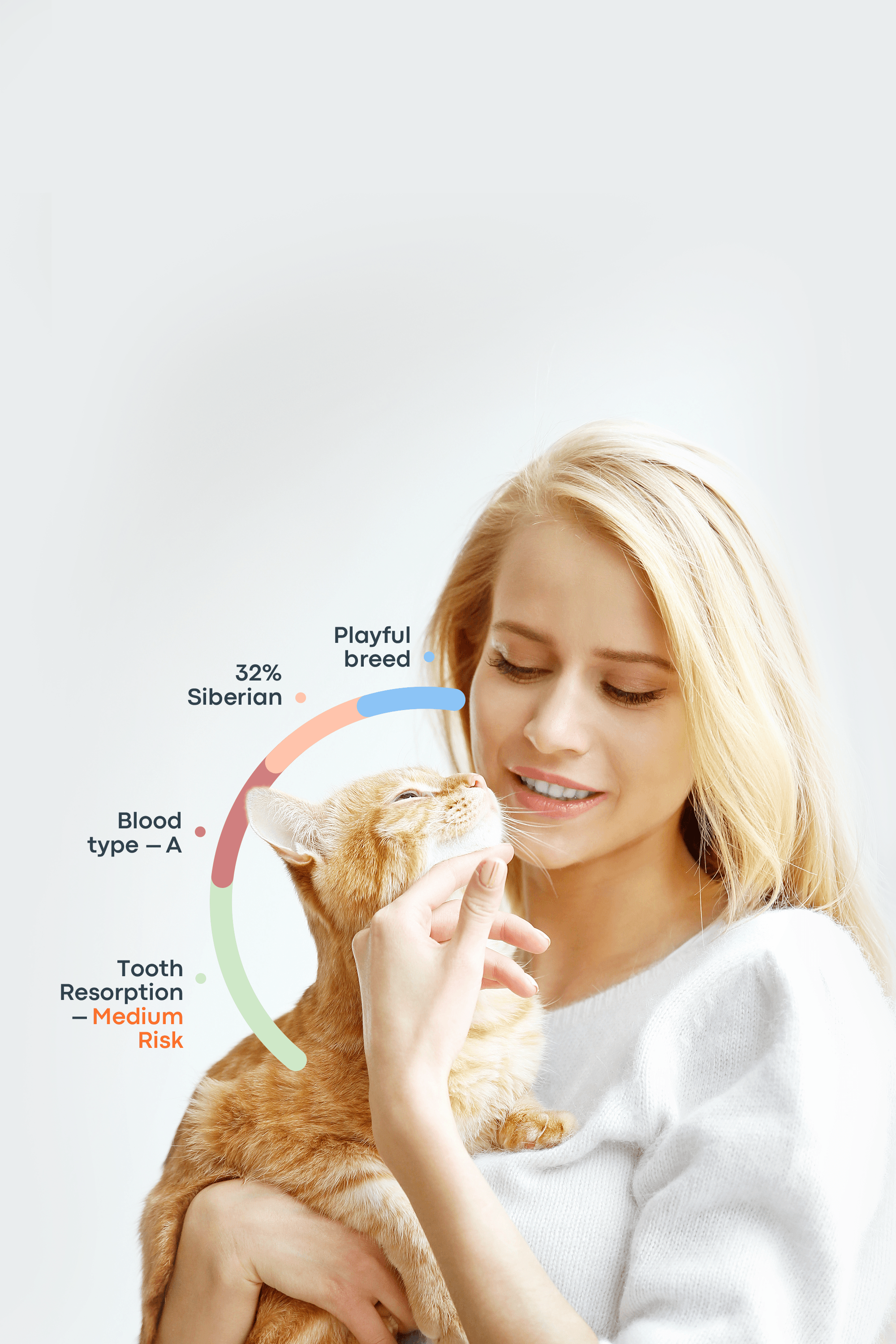

Cat

How Big Can Maine Coon Cats Get?
Maine Coon cats are one of the largest breeds of domestic cats in the world, with some males reaching up to 20 pounds or more when fully grown! Some believe that these cats originated in the state of Maine and are known as "gentle giants" due to their temperament and size. In this article, we will take a closer look at just how big Maine coon cats get.
Read more
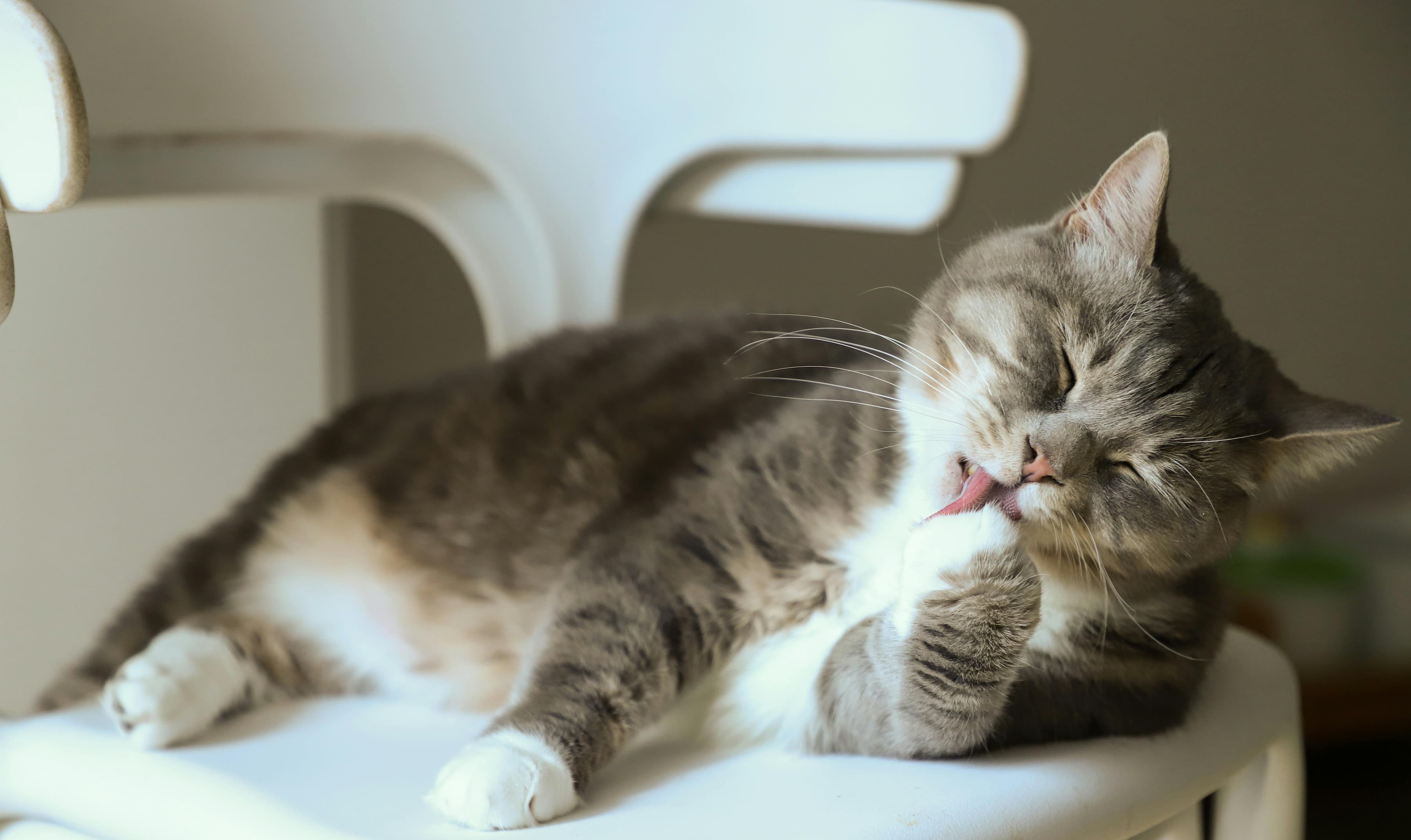
Cat Hairball Treatment and Prevention
Cats and hairballs are closely associated with each other. When hair gathers in their stomach, it is regurgitated as a hairball. Here are some methods for cat owners to avoid hairballs and treatment options for serious cases.
Read more
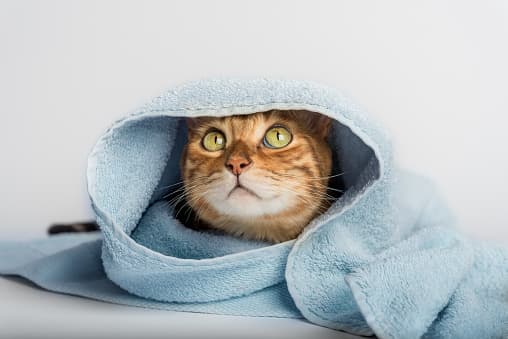
How to Bathe a Cat
Whether it is necessary to bathe cats or whether the pet is able to keep the coat clean on its own, how often it is necessary to make a full bathe - these questions concern every pet owner. Despite the excessive cleanliness of a pet, periodic bathing in the bathroom is a necessary measure that should become an obligatory step in regular pet care.
Read more
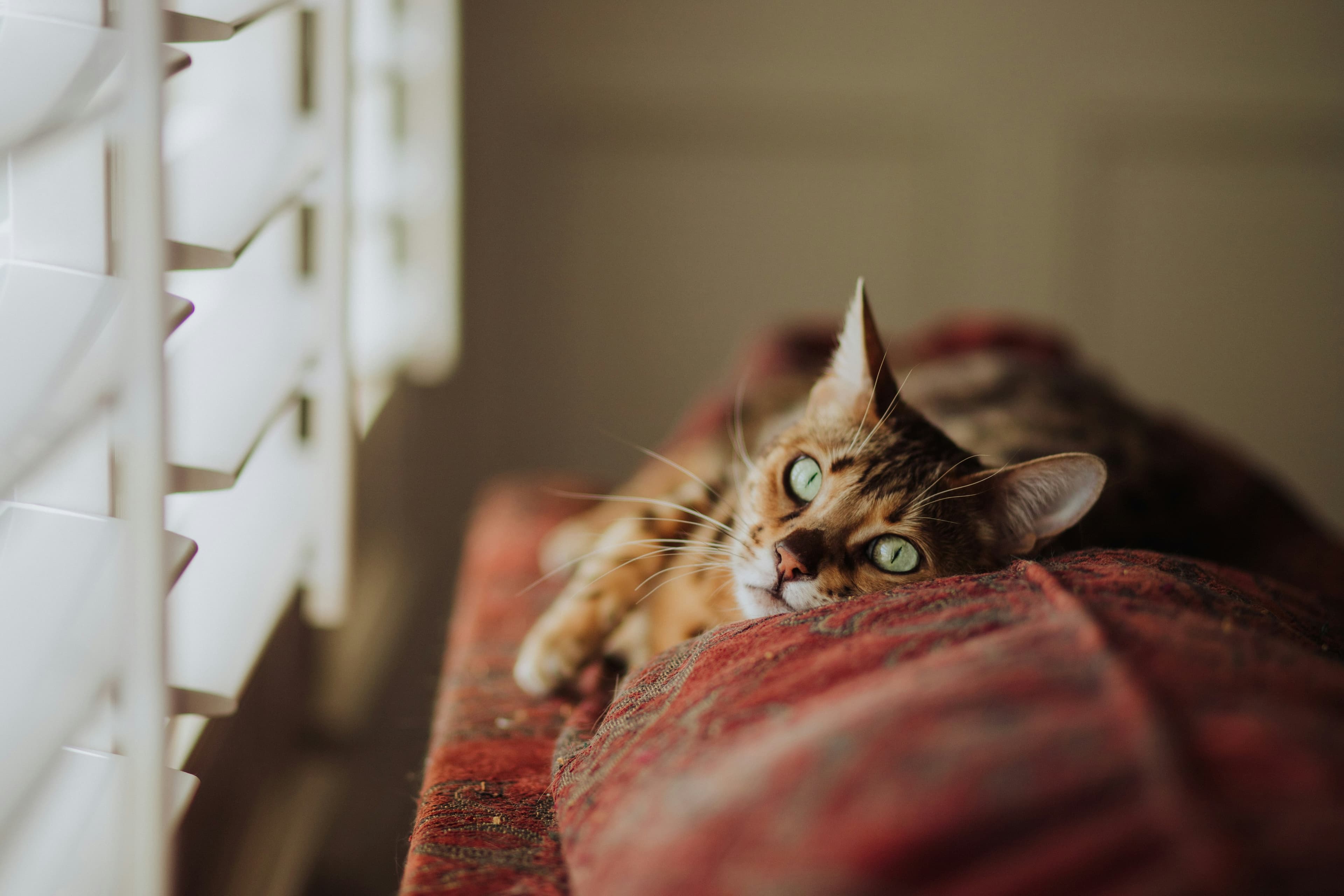
Can Cats Feel Your Emotions?
Cats can feel a range of emotions and can recognize these emotions in humans. Their ability to sense and react to their owner's feelings, including sadness, highlights the deep bond shared between cats and humans.
Read more
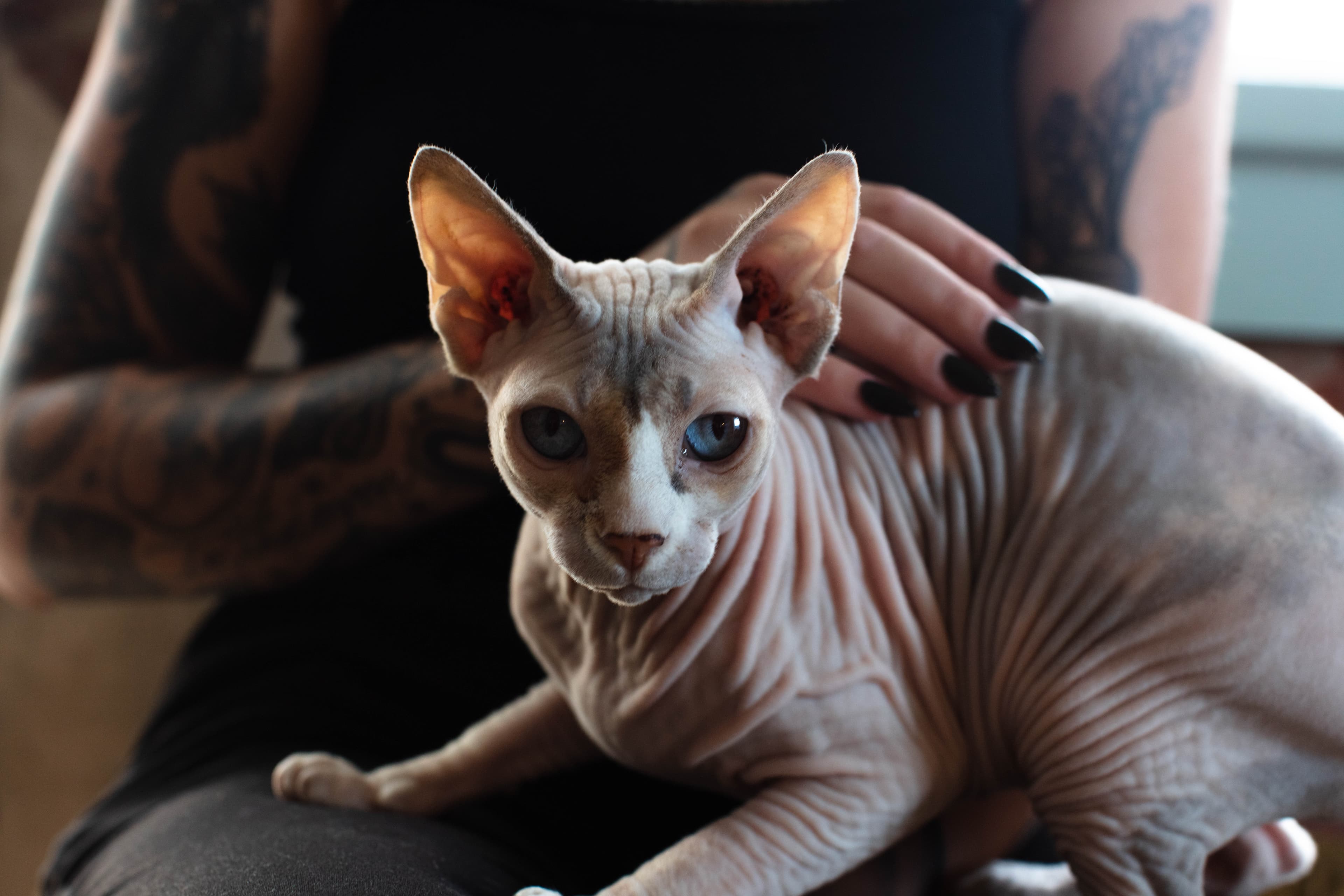
Why Are Sphynx Cats Hairless?
The Sphynx cat, celebrated for its unique hairless appearance, arises from a rare genetic mutation. Known for their affectionate nature, Sphynx cats require specialized care, including a tailored diet, regular skin grooming, and attention to their health and environmental needs. Embracing these aspects ensures these charming cats lead happy, healthy lives.
Read more
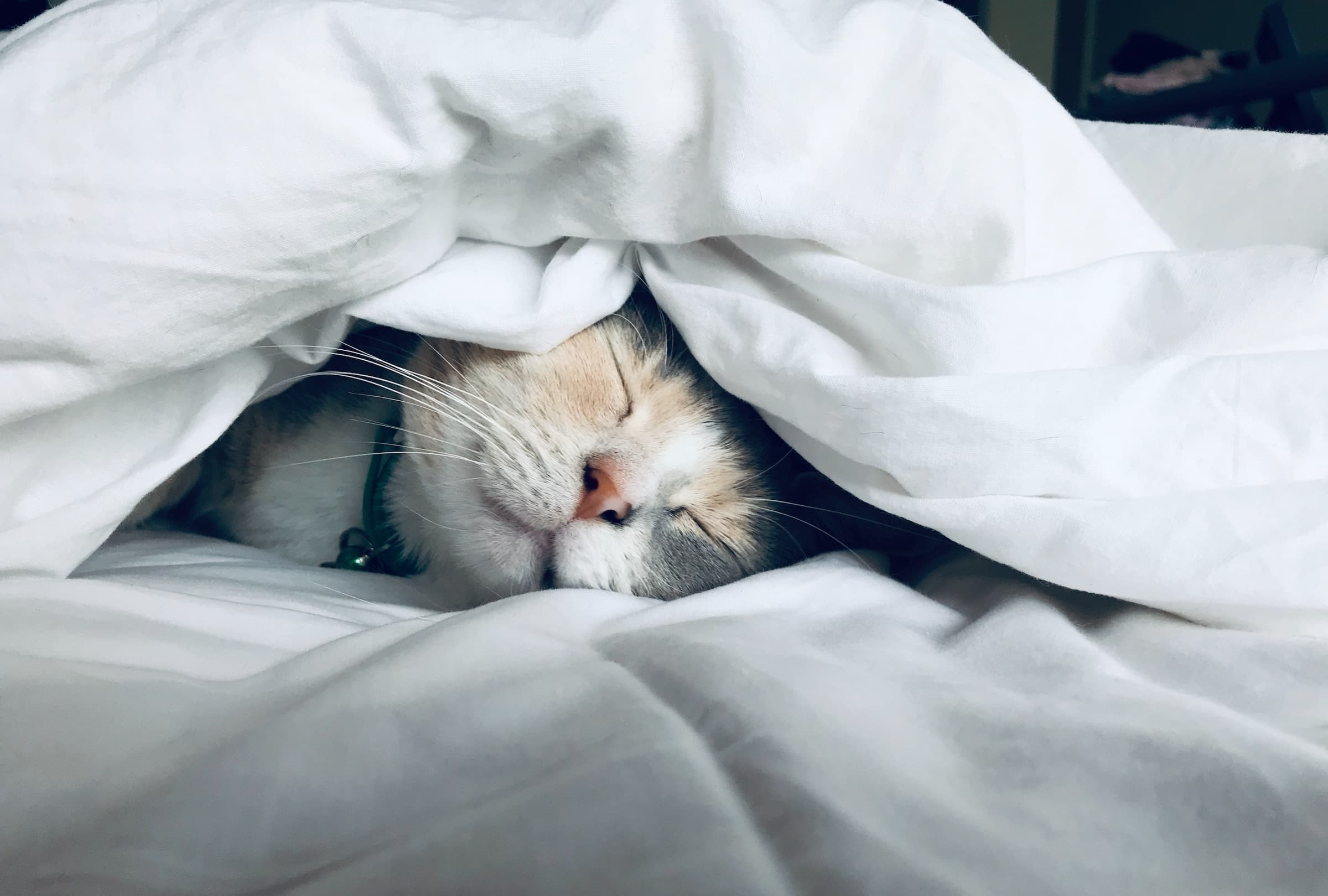
Do Cats Miss Their Owners? 9 Signs Revealing Cats’ True Feelings
Wondering if your cat truly notices when you're gone? These 9 subtle signs reveal just how much your feline friend may miss you more than they let on.
Read more
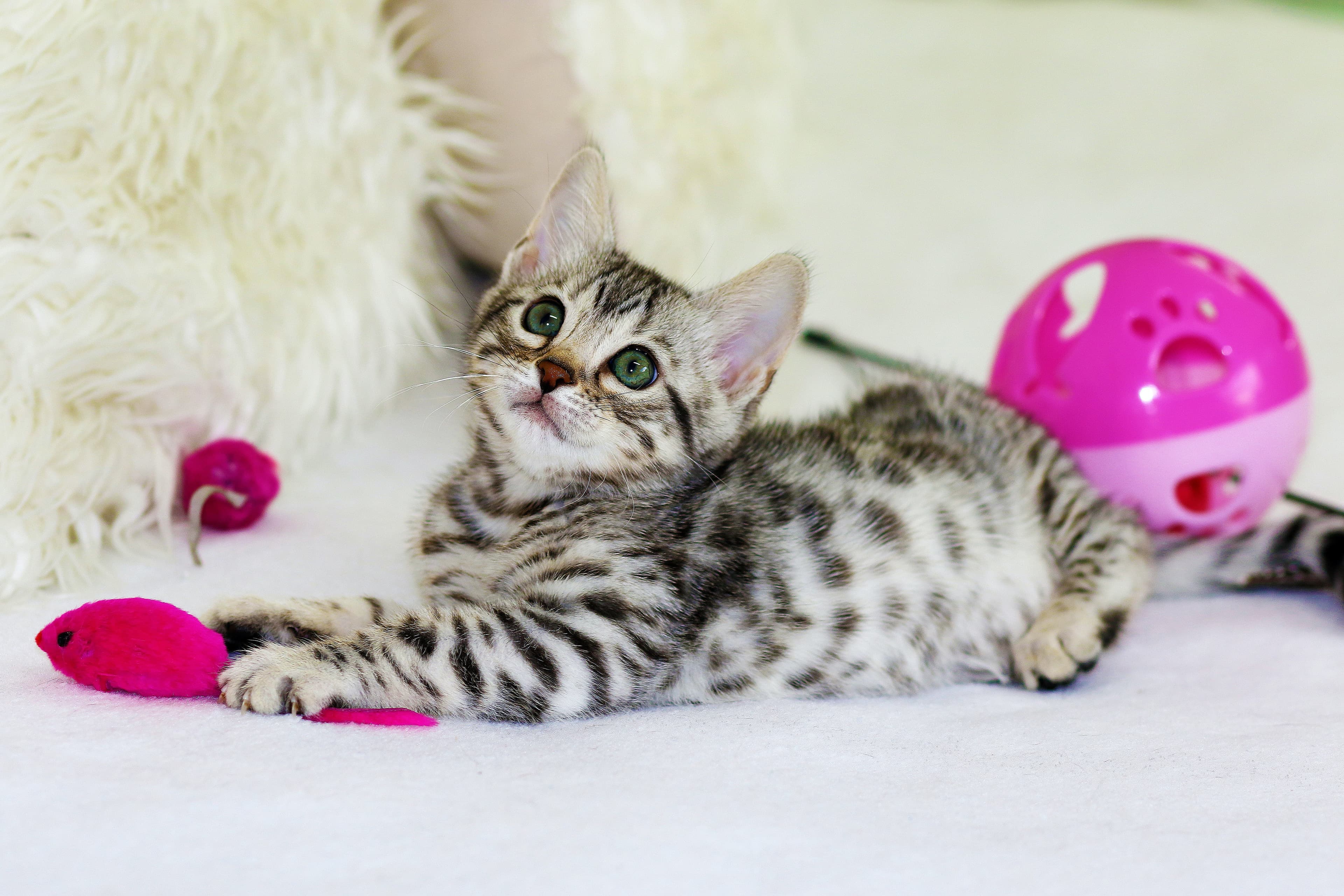
How to Play with a Cat: 11 Fun Ways to Keep Your Kitty Entertained
Playing with your cat is more than just fun—it supports their health and overall well-being. You might find yourself wondering, “How to play with my cat?” or “What kinds of toys do cats actually enjoy?” Read on to discover the best ways to engage your feline friend and keep them happy and active.
Read more

Why Is My Cat Coughing?

If you’re wondering why your cat is coughing, there are various reasons such as allergy, respiratory infection, or asthma. It is important to watch out for symptoms like wheezing or lethargy as these can help your vet identify the cause of the cough.
Read more