
Cat
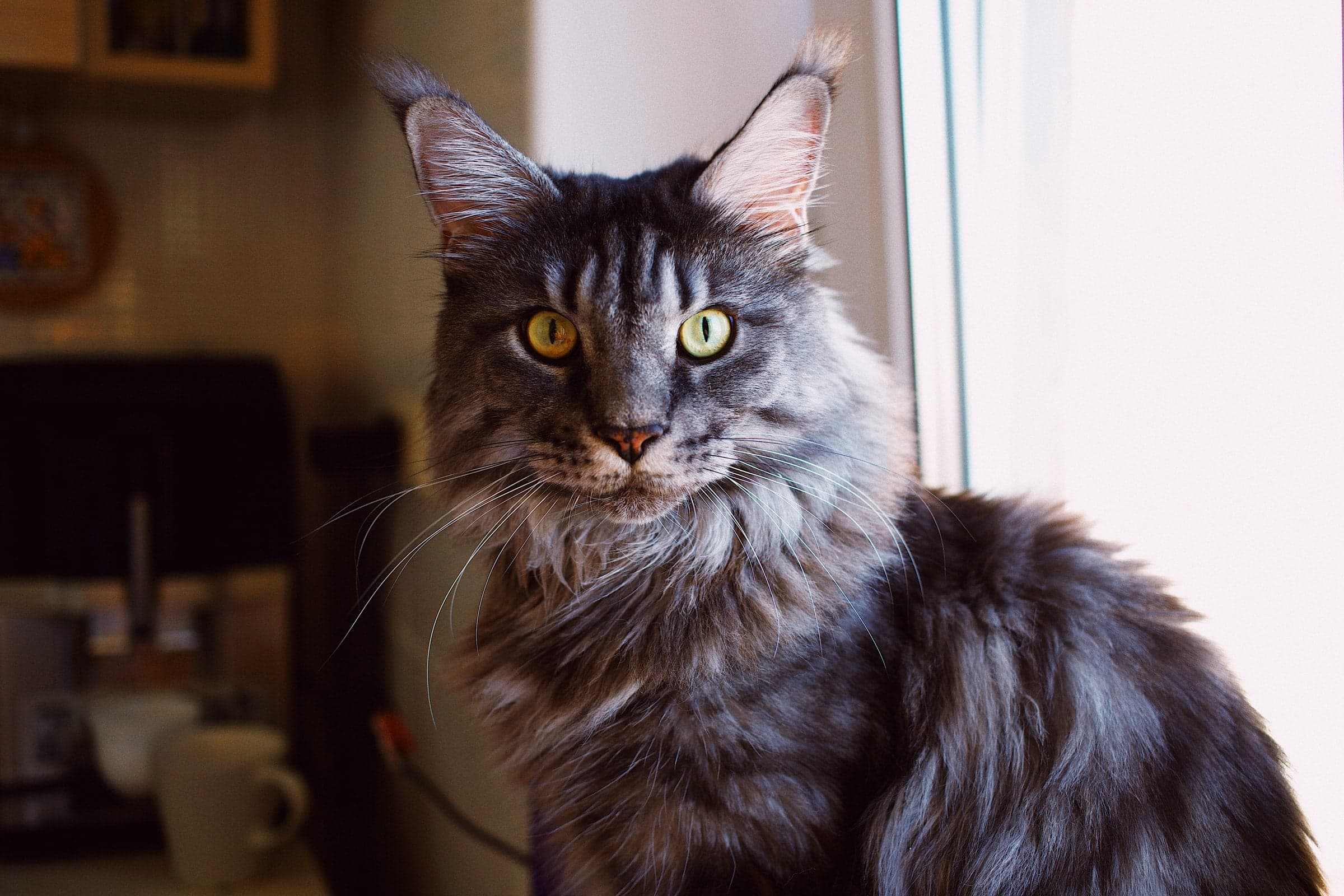
How Big Can Maine Coon Cats Get?
Maine Coon cats are one of the largest breeds of domestic cats in the world, with some males reaching up to 20 pounds or more when fully grown! Some believe that these cats originated in the state of Maine and are known as "gentle giants" due to their temperament and size. In this article, we will take a closer look at just how big Maine coon cats get.
Read more
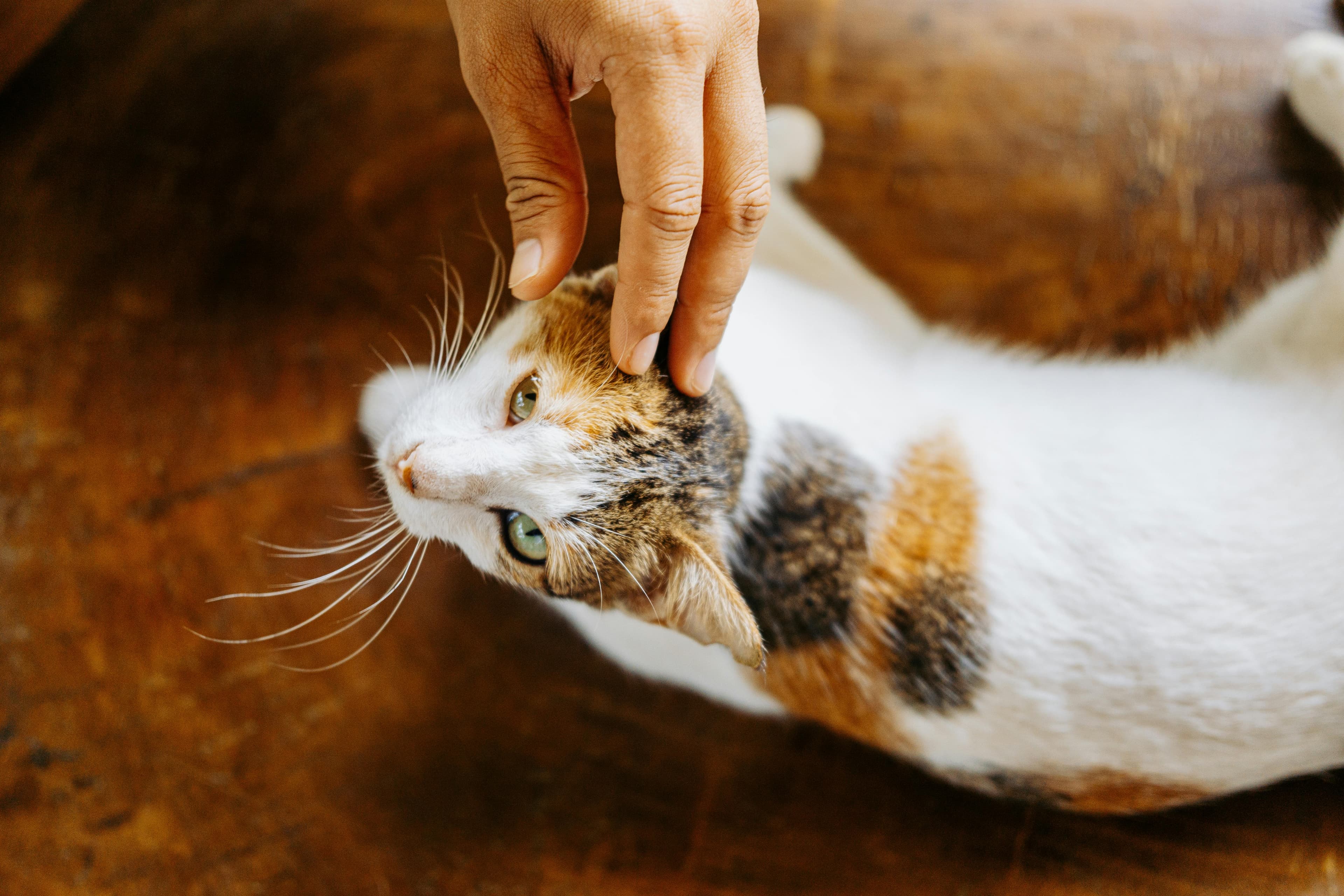
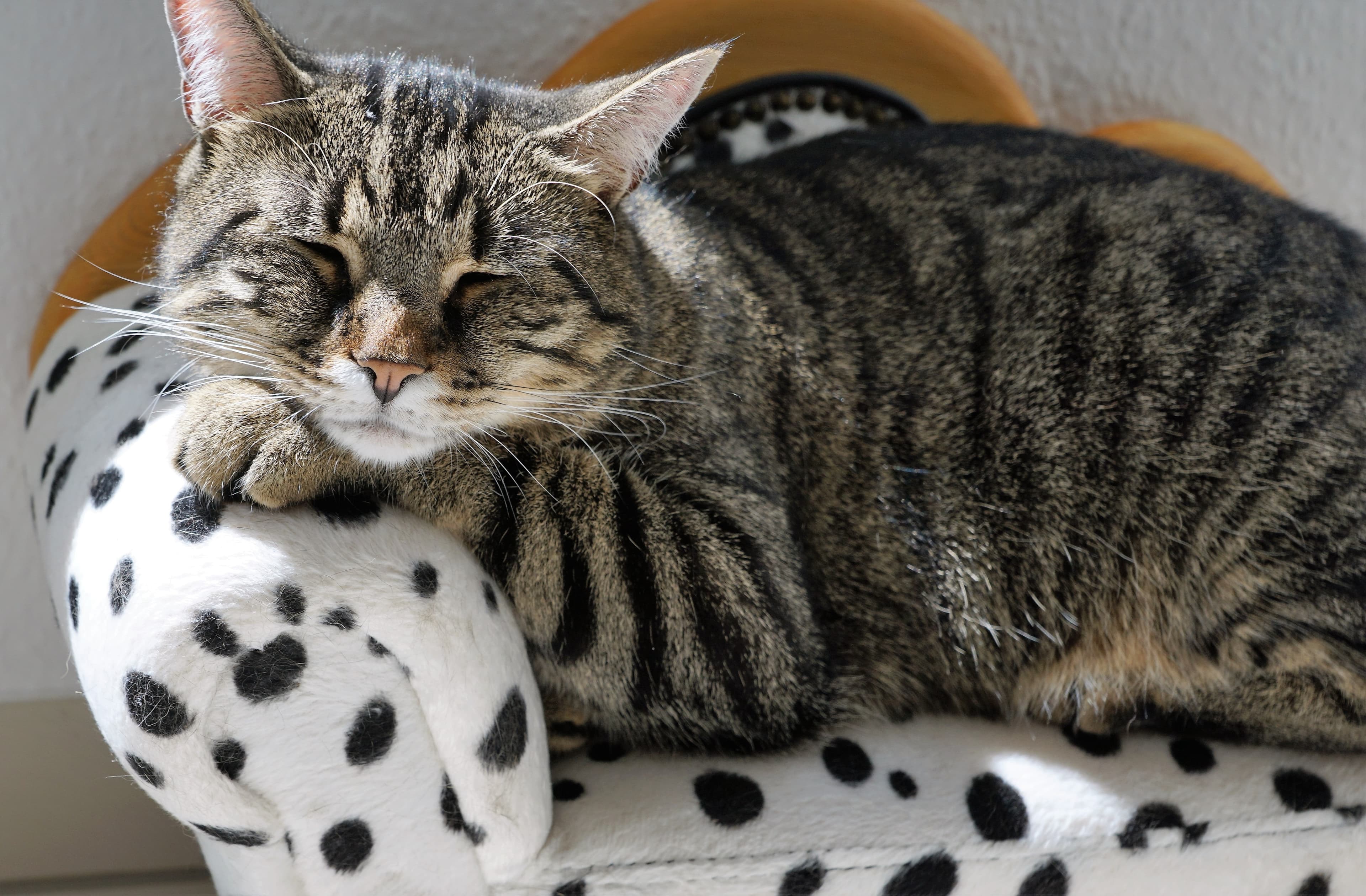
Why Does My Cat Follow Me to the Bathroom? Understanding Your Cat's Curiosity
Cats have an uncanny ability to be there for us, even in the most private and unexpected of moments. One such moment that cat owners are all too familiar with is when our feline companions follow us to the bathroom. Whether it's curiosity, a desire for attention, or simply an unexplained quirk of their behavior, understanding why cats do this can shed light on the unique bond we share with these enigmatic creatures.
Read more

Why does my cat follow me everywhere?
Almost all cats are conservative. Any changes unsettle them. The most disturbing events in a cat's life include a change of residence. So, let's analyze an essential aspect of a cat's behavior: "Why does my cat follow me everywhere?"
Read more
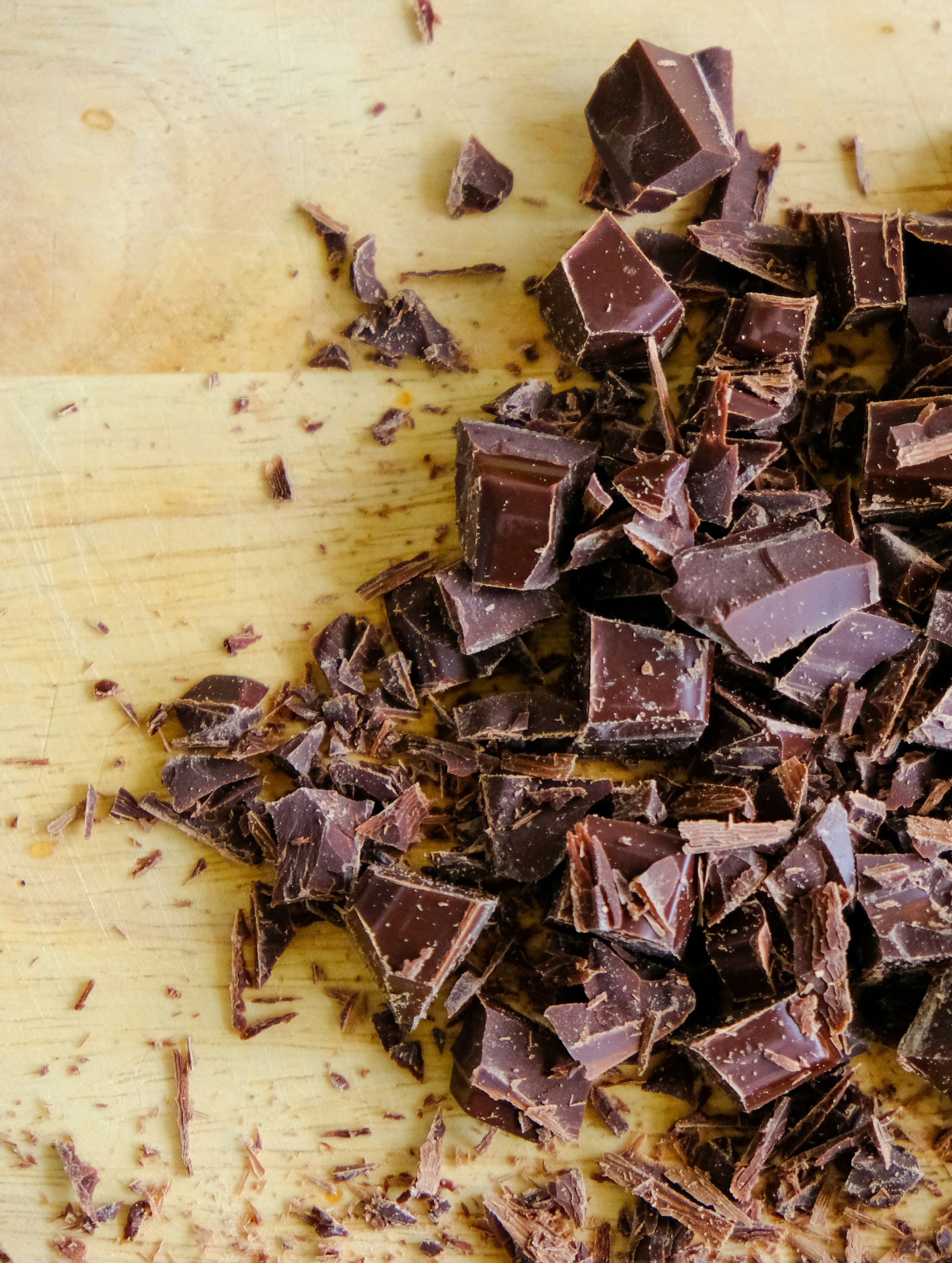
Can Cats Eat Chocolate?
Many pet owners may wonder, "Can cats eat chocolate?" The unequivocal answer is no – chocolate is a strict no-no for cats. While we humans may indulge in the sweet delight, the same cannot be said for our curious and four-legged companions.
Read more
Cat Food Allergy Symptoms
Do you suspect your cat may be allergic to its food? This guide covers everything you need to know about cat food allergies, including common symptoms, prevention tips, and how to identify the specific ingredient causing the reaction. You’ll also learn how to choose the right diet for your sensitive feline, keeping them healthy and happy.
Read more
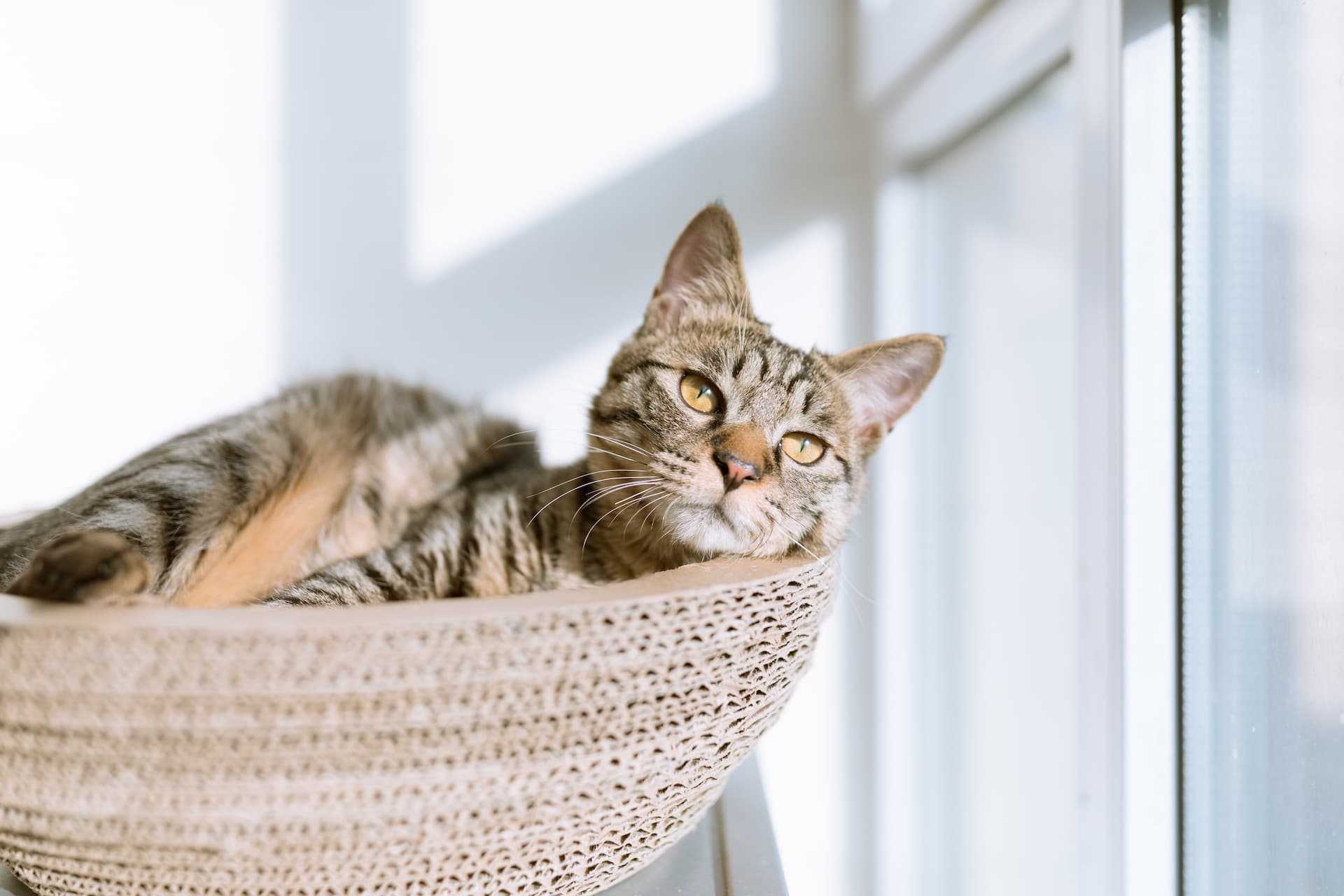
What Is a Domestic Shorthair Cat?
Big cats, small cats, fluffy cats, and sleek cats—every type of cat has its charm, and domestic shorthairs are no exception. These lovable felines are among the most common household pets worldwide, known for their wide variety of coat colors and patterns, easygoing personalities, and adaptability. In this guide, we’ll explore what makes domestic shorthairs unique, from their diverse appearances to their playful yet affectionate temperaments, along with a few fun facts you might not know about them.
Read more

Is Vinegar Bad for Cats?
Vinegar is not toxic to cats, but its strong acidity and pungent smell mean it must be used carefully. While diluted vinegar can be safe for cleaning around the home, direct contact or ingestion of undiluted vinegar can irritate a cat’s skin, eyes, or stomach. By understanding how to use vinegar safely, you can keep your home fresh and clean without putting your cat’s health at risk.
Read more
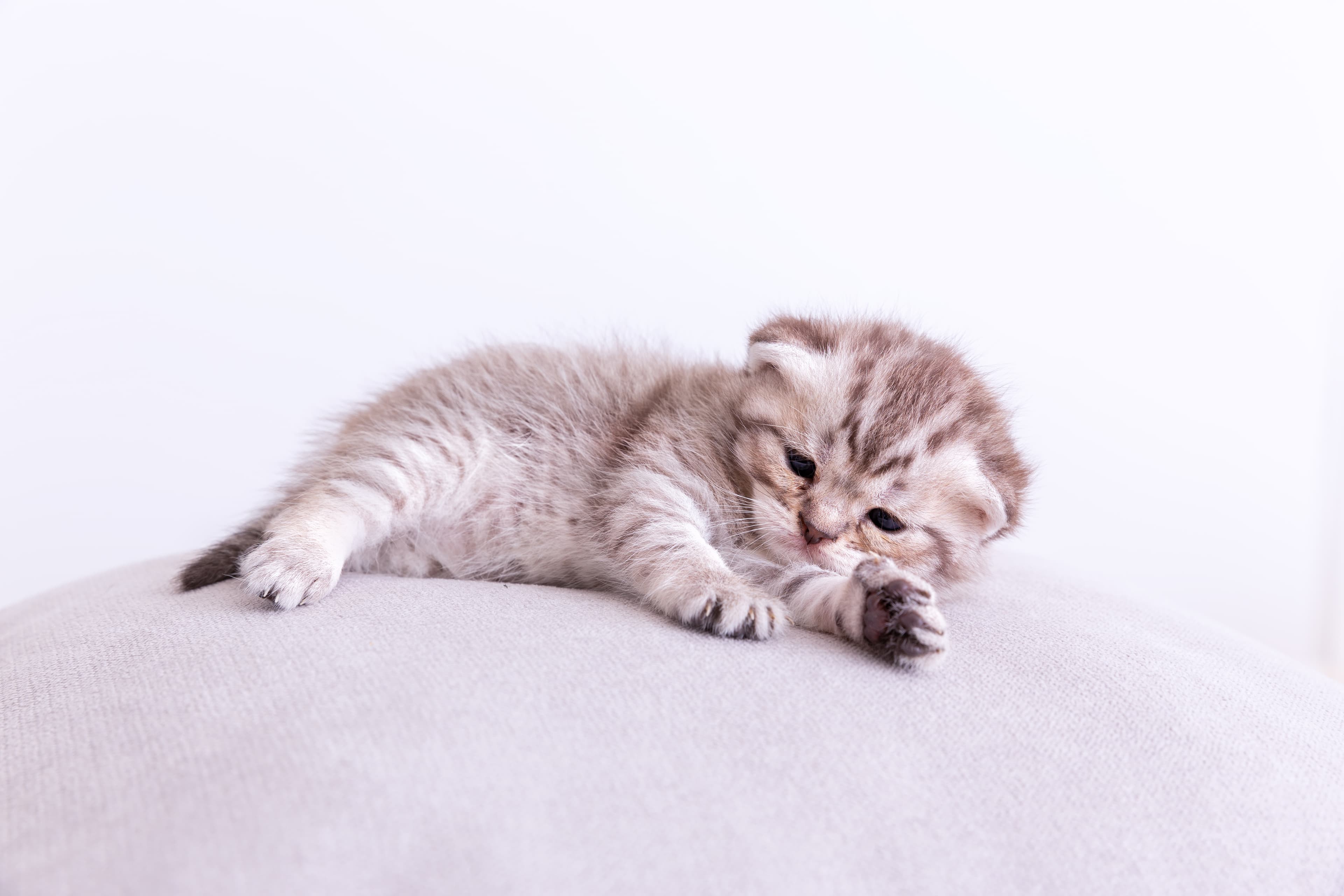
Kitten Diarrhea
Diarrhea in kittens is common and can happen for several reasons, including infections, parasites, sudden diet changes, or food that doesn’t agree with them. Because kittens can get dehydrated quickly, it’s important to notice symptoms early. Make sure they stay hydrated and contact a veterinarian, especially if the diarrhea lasts more than a day, comes with vomiting, or if the kitten seems tired or refuses to eat. A vet can check for underlying causes and recommend the right treatment to help your kitten recover safely.
Read more
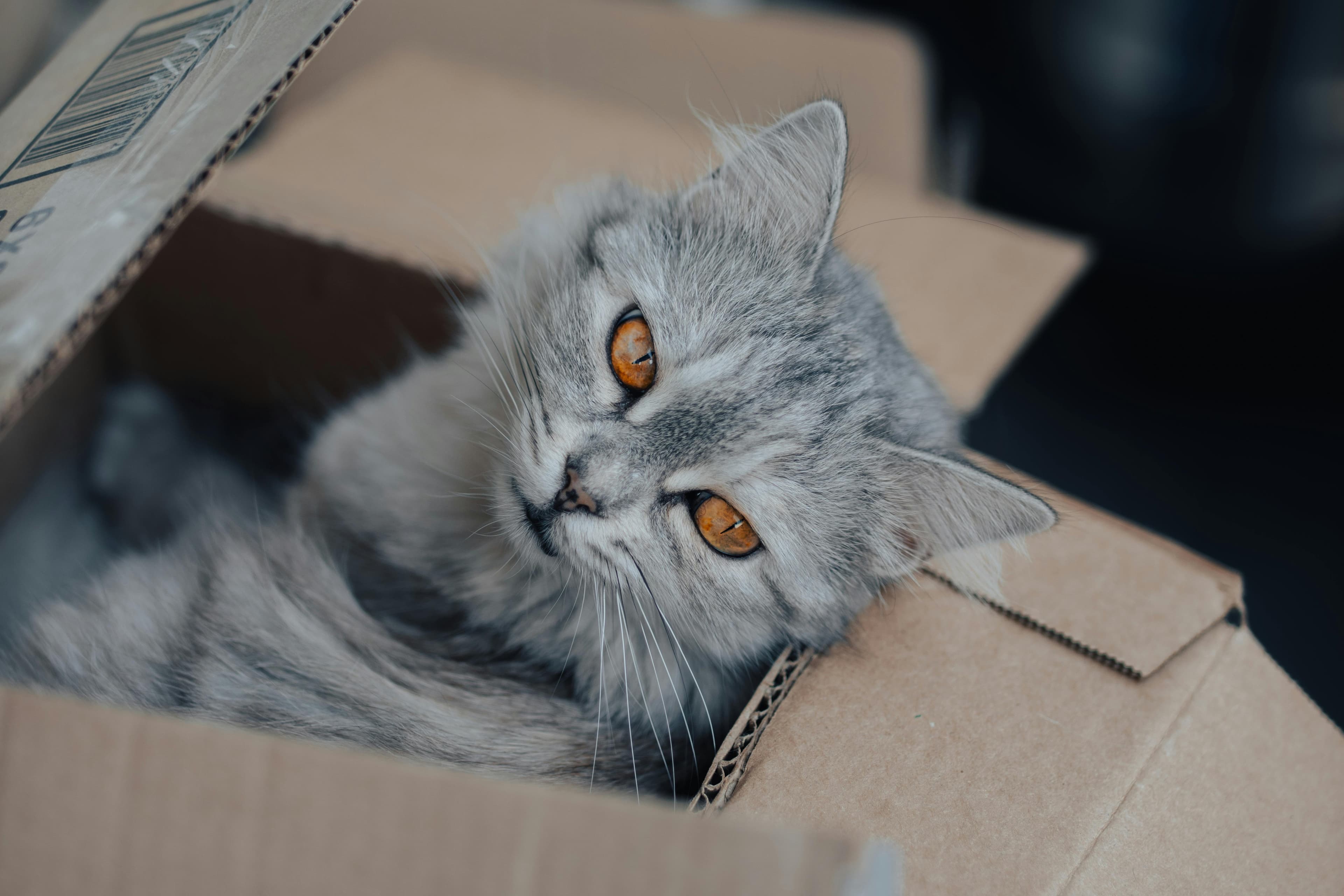
Blood in Cat Stool but Acting Normal
Seeing blood in your cat’s stool can be alarming for any pet parent, especially when your cat is still acting completely normal. Even if they seem playful, energetic, and show no obvious signs of discomfort, blood in the stool is not normal. It usually indicates that something in the digestive system needs attention. In some cases, the cause may be mild or temporary, but it can also signal an underlying health issue that shouldn’t be ignored. Understanding what blood in the stool may mean—and knowing when to monitor versus when to seek veterinary care—can help you respond appropriately and protect your cat’s health.
Read more