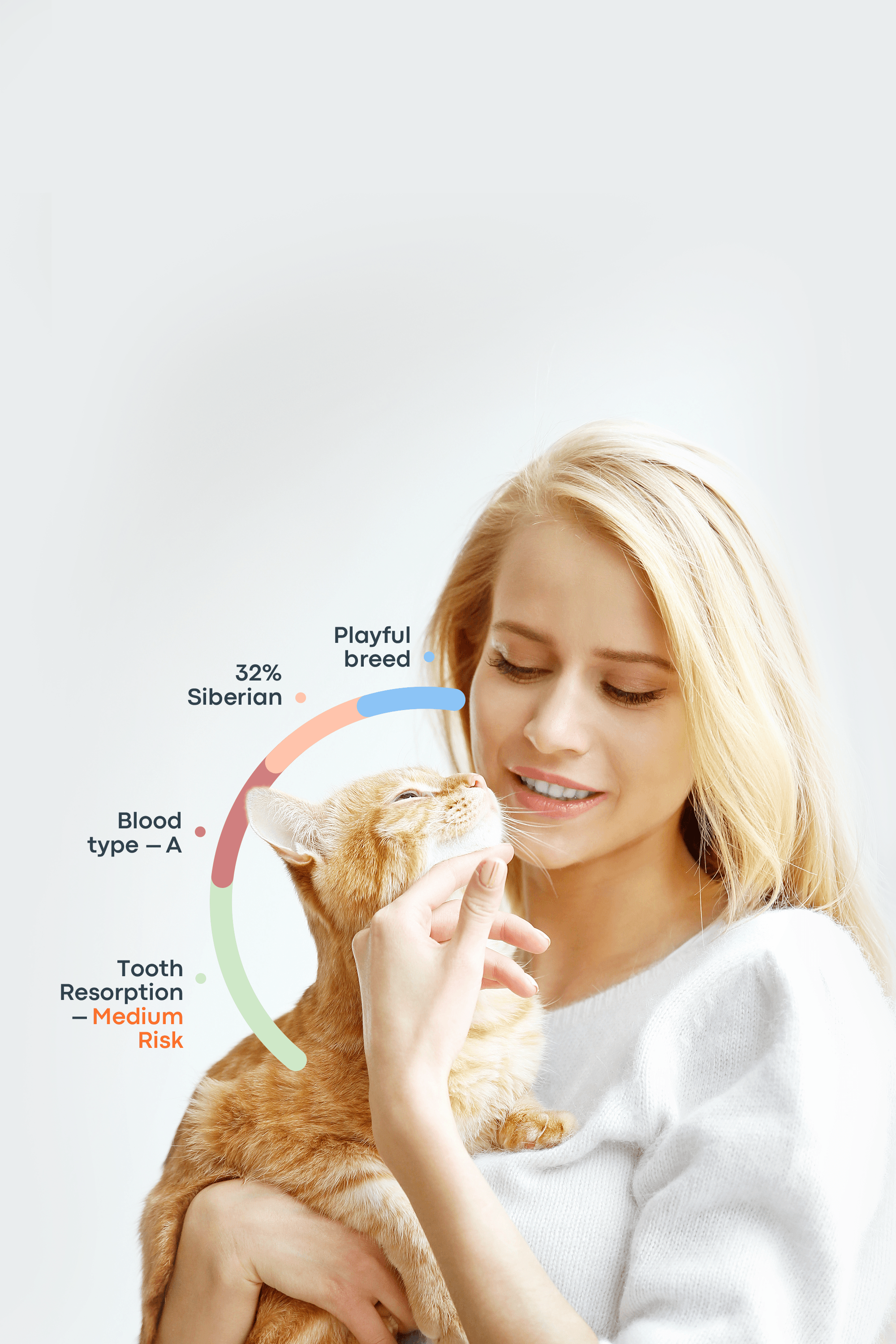

Cat

How Big Can Maine Coon Cats Get?
Maine Coon cats are one of the largest breeds of domestic cats in the world, with some males reaching up to 20 pounds or more when fully grown! Some believe that these cats originated in the state of Maine and are known as "gentle giants" due to their temperament and size. In this article, we will take a closer look at just how big Maine coon cats get.
Read more

Can Cats Have Salt?
Salt isn’t inherently bad. Cats need a small amount of sodium to stay healthy, just like we do. Sodium helps regulate fluid balance, supports nerve function, and allows muscles — including the heart — to work properly. In this article, we’ll explain why too much salt is dangerous for cats, which common household items can pose a risk, and how you can prevent accidental salt exposure.
Read more
Why Does My Cat Lick Me?
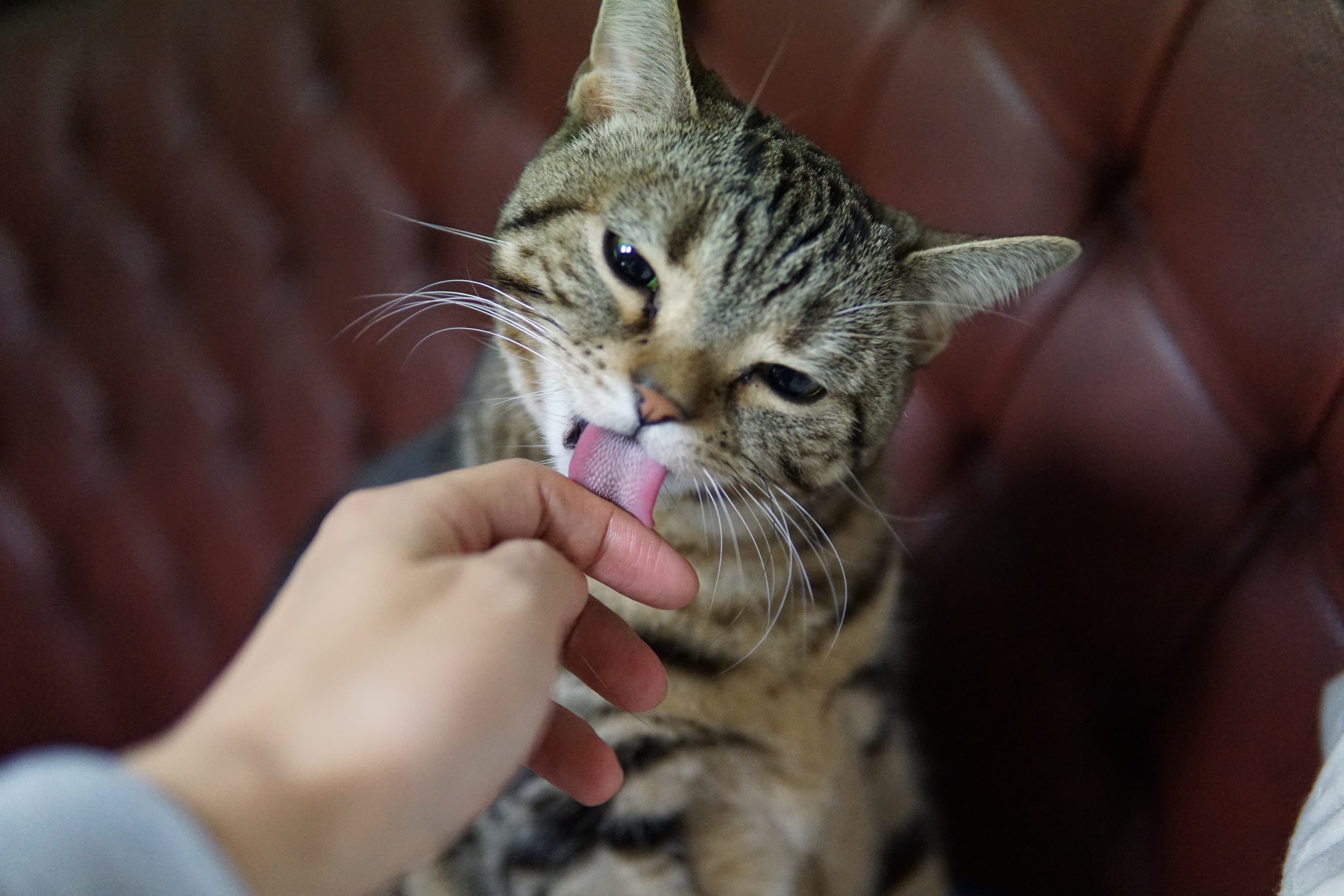
Many pet parents wonder why their cat licks them. This common feline behavior can feel sweet, confusing, or even a little annoying — depending on the moment. Cats may lick to show affection, bond through allogrooming (a social grooming behavior), mark you with their scent, or seek attention. In this guide, you’ll learn the real reasons behind why cats lick their humans, when it’s completely normal, and when it may require closer attention.
Read more

Can Cats Eat Broccoli?
If you are wondering, “Is broccoli okay for cats to eat?”, this guide is for you. We answer the question in detail and also cover ways to feed broccoli safely to your pet, discussing some potential risks of feeding too much of this vegetable.
Read more

How Long Can Cats Hold Their Pee?
If you’ve ever wondered why your cat hasn’t been using the litter box, you might be surprised to learn that they may not be peeing at all—they could be holding it in. But how long can a cat safely hold their urine? Is it harmful for them to do so? And when should you start to worry? In this article, we’ll answer these questions and provide helpful tips to keep your cat healthy and comfortable.
Read more

The Most Expensive Cats in the World
Have you ever wondered why certain cat breeds, like the Ashera or the Persian, come with such high price tags? Many of the world’s most expensive felines aren’t just adorable — they also have unique histories, rare traits, and characteristics that make them truly stand out. In this guide, you’ll discover what makes these breeds so sought after, the factors that drive their cost, and why some people are willing to invest a significant amount in a single cat.
Read more

Chronic Kidney Disease In Cats
Early-stage kidney disease in cats can often be detected through subtle changes in behavior and health. Common symptoms include increased thirst, frequent urination, weight loss, and changes in appetite. Recognizing these signs early is essential, as timely intervention can help support your cat’s long-term health, manage discomfort, and slow disease progression.
Read more

How to Train a Cat
Cats are intelligent animals, and many cats can be trained to do specific tasks and/or perform tricks with loving and patient support of their individual needs. Aspects of training can also enhance your cat's emotional and mental well-being by helping them with socialization, alleviating stress and anxiety, and providing opportunities for them to feel more safe. Learn about the quick training methods, fun tricks, & smart skills for your cats training.
Read more

Is Rosemary Toxic to Cats?
Rosemary is a flavorful herb commonly found in kitchens, and its strong aroma can attract curious cats. But is rosemary safe for cats? Can it offer any health benefits, or could it be harmful? In this article, we’ll explore everything you need to know about rosemary and its effects on your feline friend.
Read more